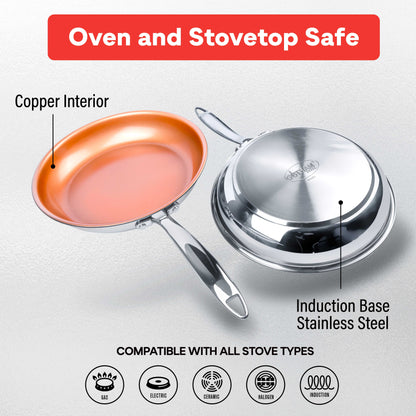
Are you tired of food sticking to your pans, making cooking and cleaning a hassle? You might be wondering if stainless steel cookware can give you that non-stick convenience you crave.
It’s a question many home cooks ask: Is stainless steel non stick? Understanding the truth behind this can change how you cook, save you money, and keep your kitchen mess-free. Keep reading to discover the surprising facts about stainless steel and how you can make it work like a non-stick surface for your meals.
Properties Of Stainless Steel
Stainless steel is a popular material used in kitchens and industries. It is known for strength, durability, and resistance to rust. Understanding its properties helps explain if it is non-stick or not.
This article looks at the composition, heat conductivity, and surface characteristics of stainless steel. These factors affect how food cooks and sticks to the surface.
Composition And Structure
Stainless steel is made of iron mixed with chromium and other metals. Chromium helps prevent rust and adds strength. The steel has a layered crystal structure that makes it tough.
- Iron forms the base metal
- Chromium adds corrosion resistance
- Nickel and molybdenum improve durability
- Carbon controls hardness
Heat Conductivity
Stainless steel does not conduct heat as well as other metals like copper or aluminum. It heats unevenly and slowly. This can cause hot spots during cooking.
To improve heat spread, many stainless steel pans have layers of copper or aluminum inside. This helps cook food more evenly and reduces sticking.
Surface Characteristics
The surface of stainless steel is smooth but not non-stick. Food can stick if the surface is not heated or oiled properly. The metal does not have a special coating to prevent sticking.
- Steel is shiny and smooth
- No built-in non-stick coating
- Needs oil or butter to reduce sticking
- Surface can be polished or brushed

Credit: www.carawayhome.com
What Makes Cookware Non Stick?
Non stick cookware helps food cook without sticking to the surface. It makes cooking and cleaning easier. But what exactly makes cookware non stick?
Different materials and coatings create non stick surfaces. These surfaces stop food from clinging to the pan during cooking.
Common Non Stick Materials
Many types of materials provide non stick properties in cookware. Some are natural, while others use special coatings.
- Polytetrafluoroethylene (PTFE):Known as Teflon, it is a popular non stick coating. It is smooth and slippery.
- Ceramic Coatings:Made from silica, ceramic coatings resist sticking and are free of chemicals like PTFE.
- Anodized Aluminum:This aluminum is treated to create a hard surface that resists sticking and scratching.
- Cast Iron:When seasoned properly, cast iron can have a natural non stick surface.
- Stainless Steel:Usually not non stick by itself but can be coated or polished to reduce sticking.
How Non Stick Surfaces Work
| Type | How It Works | Benefits |
| PTFE Coatings | Creates a slick, low-friction surface | Food slides off easily; easy to clean |
| Ceramic Coatings | Forms a hard, smooth layer that resists food | Chemical-free; good heat resistance |
| Anodized Aluminum | Surface is hardened and slightly porous | Durable; some natural non stick effect |
| Seasoned Cast Iron | Layer of polymerized oil blocks sticking | Improves with use; natural non stick |
| Stainless Steel | Can be polished smooth or coated | Strong and durable but often sticks |
Stainless Steel And Non Stick Features
Stainless steel cookware is popular for its strength and durability. Many wonder if it also offers non stick features.
This article explains the natural stickiness of stainless steel and the factors that affect how food releases from it.
Natural Stickiness Of Stainless Steel
Stainless steel is not naturally non stick. Its surface is smooth but not coated. Food can stick if the pan is not hot enough or if oil is missing.
- Stainless steel has tiny pores that hold food particles.
- It needs proper heating to create a natural barrier.
- Oils or fats help reduce sticking by filling surface gaps.
- Foods high in protein, like eggs, tend to stick more.
Factors Affecting Food Release
Several factors change how easily food releases from stainless steel pans. Heat, oil, and food type are key influences.
| Factor | Effect on Food Release |
| Heat Level | Proper heat creates a thin barrier that prevents sticking |
| Oil or Fat | Coats surface and reduces direct contact with food |
| Food Type | Sticky foods need more care to prevent sticking |
| Cookware Condition | Scratches and residue increase sticking risk |
Comparing Stainless Steel With Non Stick Cookware
Choosing the right cookware affects your cooking experience. Stainless steel and non stick pans are popular choices.
Both types have good points and limits. Understanding these helps you pick what suits your kitchen.
Cooking Performance
Stainless steel heats evenly and holds high temperatures well. It is great for browning and searing food.
Non stick pans prevent food from sticking. They are best for cooking eggs or pancakes with little oil.
- Stainless steel offers better browning and crust formation
- Non stick pans cook delicate foods without sticking
- Stainless steel can handle higher heat than non stick
Durability And Maintenance
Stainless steel is very durable and resists scratches and dents. It can last many years with proper care.
Non stick coatings wear off over time. They need gentle cleaning and careful use to avoid damage.
- Stainless steel is dishwasher safe and easy to clean
- Non stick pans require hand washing and soft sponges
- Metal utensils can damage non stick surfaces but not stainless steel
Health And Safety
Stainless steel is non reactive. It does not release harmful chemicals into food, even at high heat.
Non stick coatings can release toxic fumes if overheated. Use them at medium or low heat to stay safe.
- Stainless steel is safe for all cooking temperatures
- Non stick pans should not be heated empty or very hot
- Check non stick coatings for scratches before use
Tips For Cooking With Stainless Steel
Stainless steel pans are popular for cooking because they last long and do not react with food. They are not naturally non-stick, so food can stick if you do not cook carefully.
Using the right techniques can help you cook better with stainless steel. These tips make cooking easier and cleanup faster.
Preheating Techniques
Preheating your stainless steel pan is important to reduce sticking. Heat the pan on medium for a few minutes before adding anything.
You can test if the pan is hot enough by sprinkling a few drops of water. If the drops dance or form small balls, the pan is ready.
- Place pan on medium heat for 2-3 minutes
- Check with water droplets to see if pan is hot
- Do not add food before the pan is hot
Using Oil And Temperature Control
Use oil to create a barrier between the pan and your food. Add oil only after the pan is hot, then let the oil heat up before cooking.
Keep the heat steady. Too high heat can burn food and oil, causing sticking. Medium or medium-high heat works best for most cooking.
- Add oil after pan is preheated
- Allow oil to shimmer before adding food
- Cook on medium or medium-high heat
- Avoid sudden temperature changes
Cleaning And Care
Clean your stainless steel pans properly to keep them smooth and shiny. Avoid using harsh scrubbers that can scratch the surface.
Soak the pan in warm soapy water to loosen stuck food. Use a soft sponge or cloth to clean the pan gently. Dry it well after washing.
- Soak pans to loosen food
- Use soft sponges or cloths
- Avoid steel wool or harsh brushes
- Dry pans immediately after washing

Credit: www.lecreuset.com
When To Choose Stainless Steel Over Non Stick
Choosing the right cookware affects your cooking results. Stainless steel and non stick pans work well for different needs.
Knowing when to use stainless steel instead of non stick helps you cook better and keep your pans longer.
Best Cooking Scenarios
Stainless steel pans handle high heat and tough cooking tasks well. They are great for searing meat and browning food.
- Searing steaks or chicken to get a crispy crust
- Sautéing vegetables that need high heat
- Deglazing pans to make sauces from browned bits
- Baking dishes in the oven that require sturdy pans
- Cooking acidic foods like tomato sauce without damage
Budget And Longevity Considerations
Stainless steel pans often cost more upfront but last longer if cared for properly. Non stick pans may need replacement sooner.
| Feature | Stainless Steel | Non Stick |
| Initial Cost | Higher | Lower |
| Durability | Very Durable | Less Durable |
| Maintenance | Requires Care | Gentle Use |
| Lifespan | Many Years | 1-3 Years |
| Repair | Possible | Not Possible |

Credit: www.amazon.com
Frequently Asked Questions
Is Stainless Steel Naturally Non-stick?
Stainless steel is not naturally non-stick. It requires proper cooking techniques to minimize sticking. Preheating the pan and using enough oil can help. Stainless steel is favored for its durability and heat distribution. For non-stick cooking, consider using specialized cookware.
How To Prevent Food From Sticking To Stainless Steel?
To prevent sticking, preheat the stainless steel pan and use sufficient oil. Ensure the oil shimmers before adding food. Avoid overcrowding the pan, allowing food to release naturally when it’s ready to flip. These steps help achieve a non-stick effect.
Does Stainless Steel Need Special Care?
Stainless steel requires regular maintenance to maintain its quality. Clean it with mild detergent and avoid abrasive cleaners. Dry it thoroughly to prevent water spots. Occasionally, polish with a stainless steel cleaner for added shine. Proper care ensures longevity and maintains its appearance.
Can Stainless Steel Be Used For All Types Of Cooking?
Yes, stainless steel is versatile for various cooking methods. It’s ideal for searing, browning, and deglazing. It handles high heat and is safe for oven use. However, it’s not naturally non-stick, so consider this for delicate dishes like eggs.
Conclusion
Stainless steel is not truly non-stick, but it has benefits. It heats evenly and lasts a long time. Proper cooking methods help reduce sticking. Using enough oil or butter makes food release easier. Cleaning stainless steel is simple with the right tools.
Choosing stainless steel means durability and good cooking performance. It suits many kitchens and cooking styles well. Understanding its nature helps set the right expectations. Cook carefully, and stainless steel will serve you well.