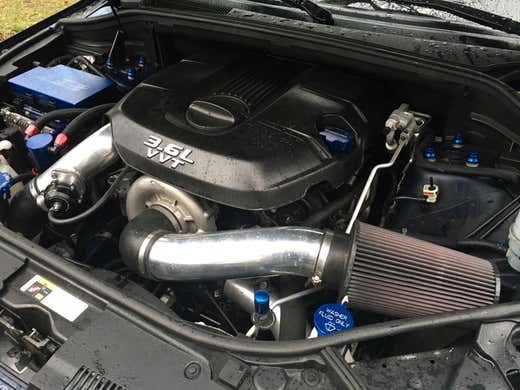
Are you curious if the Jeep 3.6 V6 engine is the right choice for your next ride? Whether you’re planning off-road adventures or daily drives, knowing how this engine performs can make all the difference.
You want power, reliability, and efficiency — but does the Jeep 3. 6 V6 deliver on all fronts? Keep reading to discover the strengths and weaknesses of this engine, so you can decide if it fits your needs perfectly.
Credit: www.cars.co.za
Jeep 3.6 V6 Engine Basics
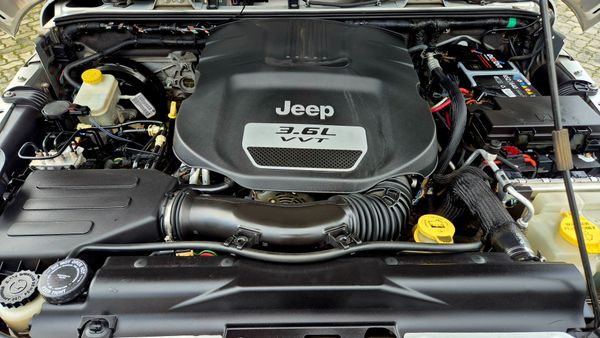
The Jeep 3.6 V6 engine is a key part of many Jeep vehicles. It blends power and efficiency to deliver a strong driving experience. This engine is popular among drivers who want reliable performance on and off the road.
Understanding the basic features of this engine helps to see why it is widely used. It offers a balance of horsepower and fuel economy. The design focuses on durability and smooth operation, making it a favorite for daily drives and adventure trips.
Engine Specifications
- Displacement: 3.6 liters
- Configuration: V6
- Horsepower: Around 285 hp
- Torque: Approximately 260 lb-ft
- Fuel Type: Regular unleaded gasoline
- Valvetrain: DOHC with variable valve timing
- Fuel System: Sequential multi-port fuel injection
- Compression Ratio: 10.2:1
Common Models Equipped
- Jeep Wrangler JK and JL
- Jeep Grand Cherokee (various trims)
- Jeep Cherokee (KL)
- Dodge Durango
- Ram 1500 (some models)
Performance And Power
When considering the Jeep 3.6 V6 engine, its performance and power are often key aspects that catch the attention of enthusiasts and potential buyers alike. This engine is renowned for its robust capabilities and reliability. But how does it stand up when you break down the specifics?
Horsepower And Torque
The Jeep 3.6 V6 engine packs a punch with impressive horsepower and torque. It delivers approximately 285 horsepower, providing a strong and steady acceleration that feels exhilarating when you’re behind the wheel. The torque, often hovering around 260 lb-ft, ensures that the engine responds quickly, making your driving experience smooth and powerful. Have you ever felt the thrill of a quick response when you hit the gas pedal? That’s what the 3.6 V6 offers.
Fuel Efficiency
Fuel efficiency may not be the first thing that comes to mind with a V6 engine, but the Jeep 3.6 V6 surprises many. It strikes a balance between power and economy, often achieving around 17-25 miles per gallon depending on the model and driving conditions. While not the most economical in its class, it offers reasonable efficiency for those who crave power without excessive fuel costs. Can you imagine saving on fuel while enjoying the thrill of a V6?
Towing And Off-road Capability
One of the standout features of the Jeep 3.6 V6 engine is its towing and off-road prowess. With a towing capacity often reaching up to 3,500 pounds, it handles trailers and small boats with ease. Off-road, the engine’s torque and power shine, tackling rugged terrains and steep inclines effortlessly. Have you ever thought about the adventures you could embark on with such capabilities? The possibilities are endless, from weekend camping trips to exploring uncharted paths.
Reliability Factors
Understanding the reliability factors of the Jeep 3.6 V6 engine can help you decide if it fits your driving needs. This engine powers many Jeep models, balancing performance with everyday usability. Let’s look deeper into what affects its dependability and what you should watch out for as an owner.
Common Issues
The Jeep 3.6 V6 is generally solid, but it does have some recurring problems you should know about. One frequent issue is the cooling system, especially leaks around the water pump and thermostat housing. These can lead to overheating if ignored.
Another concern is oil consumption, which some owners report increasing after several years of use. It’s important to monitor oil levels regularly to avoid engine damage.
Electrical glitches, such as problems with the ignition coils or sensors, occasionally pop up and can cause misfires or rough idling. These issues are usually fixable with timely repairs but can affect reliability if neglected.
Maintenance Requirements
Keeping the Jeep 3.6 V6 running smoothly isn’t difficult, but it requires consistent care. Regular oil changes using the correct grade oil are crucial to prevent internal wear. You should also replace the spark plugs and air filter at recommended intervals to maintain engine efficiency.
Pay close attention to the cooling system. Flushing the coolant and checking hoses helps avoid overheating problems down the road. Don’t skip inspections of the serpentine belt and pulleys, as these parts support key engine functions.
Have you ever wondered why some engines last longer than others? Often, it’s the small, routine maintenance steps that make the biggest difference.
Longevity And Durability
The Jeep 3.6 V6 can last well beyond 200,000 miles if you treat it right. Many drivers share stories of their engines performing reliably with basic upkeep and timely repairs. This durability makes it a favorite for those who want a balance of power and longevity.
That said, pushing the engine hard without proper care can shorten its lifespan significantly. Regularly checking for early signs of wear and addressing them promptly protects your investment.
Would you be willing to invest a little time and attention to ensure your Jeep’s engine remains dependable for years? The effort often pays off in fewer breakdowns and better resale value.
Credit: www.wranglerforum.com
User Experiences
Understanding user experiences with the Jeep 3.6 V6 engine offers valuable insights into its real-world reliability and performance. These perspectives come from actual owners, automotive experts, and everyday driving conditions. Together, they paint a clear picture of what you can expect from this engine.
Owner Reviews
Many Jeep owners praise the 3.6 V6 for its balance of power and fuel efficiency. Some report smooth acceleration during city driving and enough torque for off-road adventures. However, a few owners mention occasional issues with oil consumption and the need for regular maintenance to keep it running strong.
One owner shared how the engine handled a long road trip across varied terrains without any hiccups, emphasizing its durability. Another pointed out that while the engine delivers good power, the fuel economy could be better on highway drives. Have you considered how your driving habits might influence your experience with this engine?
Expert Opinions
Automotive experts often highlight the Jeep 3.6 V6 engine’s modern design and solid engineering. They note it offers a reliable performance for daily use and moderate off-roading. At the same time, experts suggest watching for potential issues like carbon buildup, which can affect longevity if not addressed.
Experts also value the engine’s compatibility with various Jeep models, making it versatile across different types of vehicles. They recommend regular tune-ups and using quality fuel to maintain its efficiency. Could investing in preventive care help you avoid costly repairs down the road?
Real-world Performance
In real-world conditions, the 3.6 V6 engine shows strength in handling both urban traffic and rough trails. Drivers report it delivers consistent power without feeling underwhelming or overworked. Its towing capacity and responsiveness make it a solid choice for those needing a reliable workhorse.
On the downside, some users notice a slight drop in fuel efficiency during heavy loads or aggressive driving. Still, the engine’s ability to maintain performance under stress is a common positive point. What kind of driving do you plan on doing most, and how might that impact your satisfaction with this engine?
Comparing Alternatives
Choosing the right engine for your Jeep depends on many factors. Power, reliability, fuel efficiency, and maintenance costs all play a role. Comparing the Jeep 3.6 V6 engine with other options helps you find the best fit for your needs. This section explores alternatives within Jeep and from other brands.
Other Jeep Engines
Jeep offers several engines besides the 3.6 V6. Each has strengths and weaknesses.
- 2.0L Turbo Inline-4:Smaller and lighter, it boosts fuel economy but delivers less power.
- 3.0L EcoDiesel V6:Known for strong torque and better mileage, ideal for towing and off-roading.
- 5.7L HEMI V8:Offers high horsepower and torque but uses more fuel.
The 3.6 V6 balances power and efficiency well. It suits most drivers who want solid performance without heavy fuel use.
Competitor Engines
Jeep’s rivals provide engines that challenge the 3.6 V6. Here are some popular alternatives:
| Brand | Engine | Power | Fuel Efficiency |
|---|---|---|---|
| Toyota | 2.7L 4-Cylinder | 159 hp | Higher MPG, less power |
| Ford | 2.3L EcoBoost I4 | 270 hp | Good balance of power and economy |
| Chevrolet | 3.6L V6 | 305 hp | Moderate fuel economy |
Competitor engines often focus on fuel economy or power. The Jeep 3.6 V6 sits in the middle, offering a reliable choice.

Credit: www.youtube.com
Cost Of Ownership
Understanding the cost of ownership is crucial when deciding if the Jeep 3.6 V6 engine is a good fit for you. It’s not just about the initial price but also the long-term expenses that come with repairs, maintenance, and how it affects your vehicle’s value. Let’s break down what you can expect financially over the engine’s lifespan.
Repair And Maintenance Costs
The Jeep 3.6 V6 engine generally offers moderate repair and maintenance costs compared to other engines in its class. Routine services like oil changes, spark plug replacements, and air filter swaps are straightforward and affordable. However, certain repairs, like timing chain replacements or fuel injector issues, can be pricier due to the engine’s complexity.
Many Jeep owners report that keeping up with scheduled maintenance helps avoid costly repairs down the line. Are you prepared to follow a strict maintenance schedule to protect your investment? Neglecting regular care can quickly turn minor expenses into major bills.
Resale Value Impact
The engine choice significantly affects your Jeep’s resale value. The 3.6 V6 is popular among buyers because it balances power and fuel efficiency well, making it attractive in the used car market. This demand tends to keep resale values stable or even above average for similar vehicles.
Still, how well you maintain the engine plays a big role. A well-documented service history can increase your Jeep’s resale price by thousands. Would you keep detailed maintenance records to maximize your return when it’s time to sell?
Frequently Asked Questions
What Are The Key Features Of The Jeep 3.6 V6 Engine?
The Jeep 3. 6 V6 engine offers 285 horsepower and 260 lb-ft torque. It uses variable valve timing for efficiency. The engine is known for smooth performance and reliability in various Jeep models.
How Reliable Is The Jeep 3.6 V6 Engine?
The Jeep 3. 6 V6 engine is generally reliable with proper maintenance. Common issues are rare and mostly minor. Regular oil changes and timely servicing ensure long engine life and consistent performance.
Does The Jeep 3.6 V6 Provide Good Fuel Economy?
Yes, the Jeep 3. 6 V6 offers decent fuel economy for a V6 engine. It averages around 18-25 MPG depending on driving conditions. Variable valve timing helps improve fuel efficiency in city and highway driving.
Is The Jeep 3.6 V6 Engine Good For Off-roading?
The Jeep 3. 6 V6 engine delivers sufficient power and torque for off-roading. It pairs well with Jeep’s 4×4 systems. This makes it a popular choice for enthusiasts who need reliable and capable off-road performance.
Conclusion
The Jeep 3. 6 V6 engine offers solid power and reliability. It runs smoothly and handles daily driving well. Fuel efficiency is decent for its size. Maintenance is straightforward, with parts widely available. Many drivers find it suits both city and off-road use.
It may not be the most advanced engine, but it delivers consistent performance. For those wanting a dependable Jeep engine, this one is worth considering. Overall, it balances strength and practicality effectively.