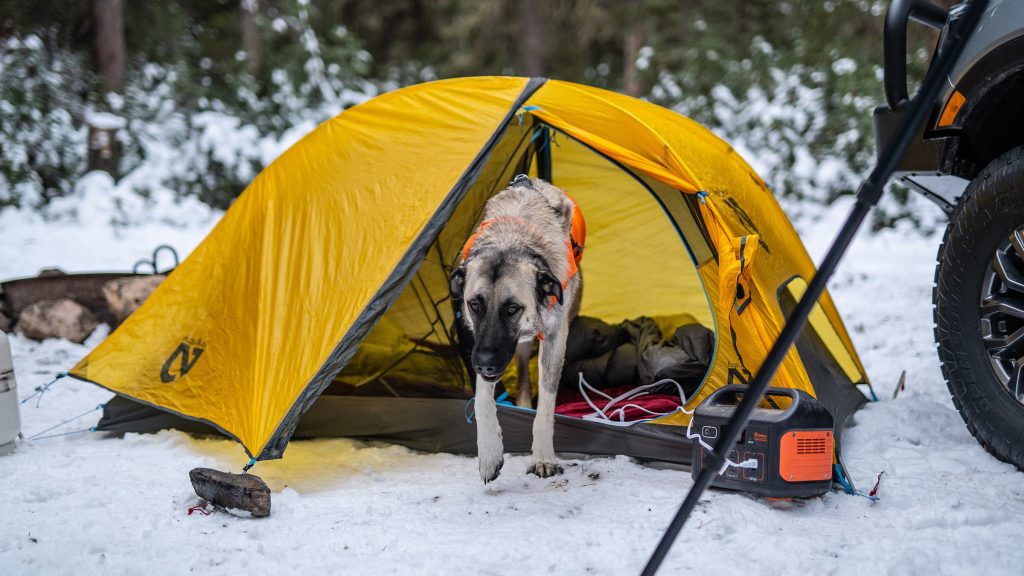
When you’re camping in cold weather, staying warm inside your tent isn’t just about comfort—it’s about safety. You might be wondering, is there a safe way to heat a tent without risking fire or harmful fumes?
The good news is, yes, there are smart methods to keep your tent cozy and secure. You’ll discover practical tips and expert advice that will help you heat your tent safely, so you can enjoy your outdoor adventure without worry.
Keep reading to learn how to stay warm and protected, no matter where your camping takes you.
Credit: napieroutdoors.com
Choosing The Right Tent Heater
Heating a tent safely is important for comfort and health. Picking the right heater can keep you warm without risks.
There are different types of heaters for tents. Each has its own fuel source and safety features to consider.
Types Of Tent Heaters
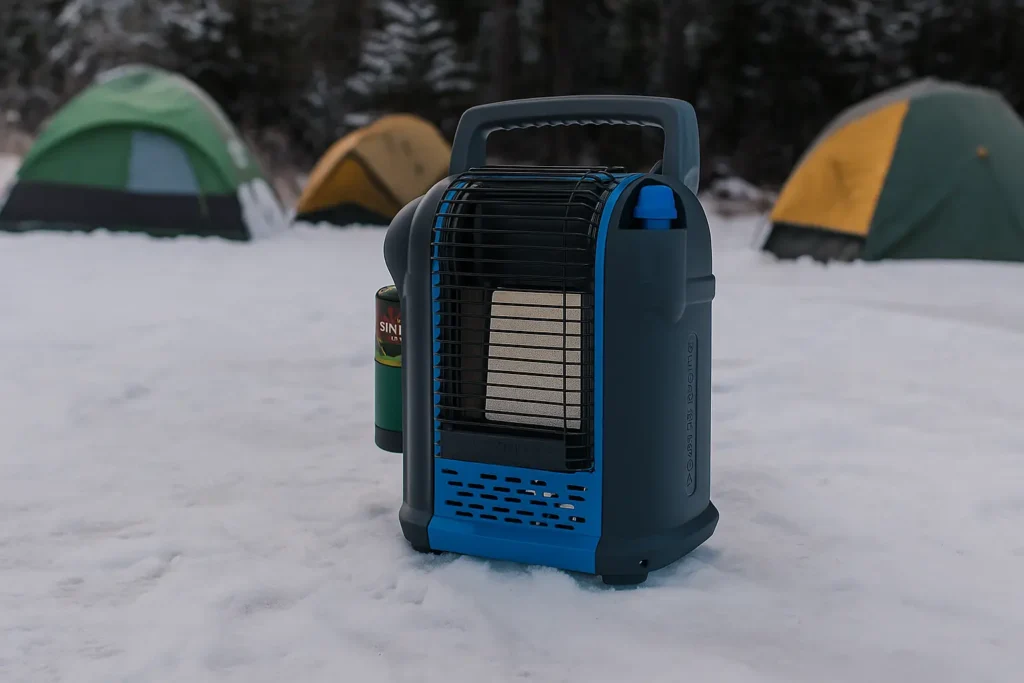
Tent heaters come in many forms. You can find propane, electric, and catalytic heaters made for camping.
Some heaters are small and portable. Others need more space and ventilation. Choose one that fits your tent size.
Fuel Options And Safety
Fuel type affects how safe a heater is inside a tent. Propane and kerosene heaters need good airflow to avoid carbon monoxide.
Always use heaters designed for indoor or tent use. Never use outdoor-only heaters inside your tent to prevent accidents.
- Propane heaters require ventilation and carbon monoxide detectors
- Kerosene heaters produce fumes and need careful handling
- Use only approved fuels for each heater type
Portable Electric Heaters
Electric heaters are safer because they do not burn fuel. They also do not release harmful gases.
Choose electric heaters with tip-over and overheat protection. Make sure your tent has power access for them.
- Electric heaters need a power source like a battery or generator
- They are quieter and cleaner than fuel heaters
- Do not cover or block the heater while it runs
Proper Ventilation Practices
Heating a tent safely is important. Proper ventilation helps prevent accidents. It also keeps the air fresh inside your tent.
Good ventilation reduces the risk of harmful gases. It allows fresh air to enter and stale air to exit.
Avoiding Carbon Monoxide Risks
Carbon monoxide is a dangerous gas. It has no smell or color, making it hard to detect.
Always use heaters designed for indoor use. Never use open flames inside a tent.
- Choose heaters with oxygen sensors
- Keep flammable items away from heaters
- Ensure proper ventilation when using heaters
Vent Placement Tips
Vents should be placed strategically. This helps in the flow of fresh air.
Open vents on opposite sides of the tent. This allows cross-ventilation and keeps the air moving.
- Keep vents clear of snow or debris
- Adjust vent openings based on wind direction
- Use mesh screens to keep insects out
Using Carbon Monoxide Detectors
Carbon monoxide detectors are essential. They alert you if carbon monoxide levels rise.
Place detectors at sleeping level. This ensures you hear the alarm while asleep.
- Test detectors regularly to ensure they work
- Replace batteries as needed
- Pack extra detectors for long camping trips
Safe Heater Placement Inside Tents
Heating a tent can keep you warm on cold nights. Safety is very important when placing heaters inside tents.
Proper placement helps prevent fires and accidents. Follow these tips to use heaters safely inside your tent.
Distance From Flammable Materials
Keep your heater far from anything that can catch fire. This includes sleeping bags, clothes, and the tent walls.
Most heaters need at least three feet of clear space around them. This space stops heat from reaching flammable items.
- Place heater away from fabric and gear
- Never put heater near tent walls
- Keep clear space on all sides of the heater
Stable Surface Setup
Set your heater on a flat, stable surface inside the tent. This helps stop it from tipping over.
A stable base lowers the risk of accidents and keeps the heater working properly. Avoid soft or uneven ground.
- Use a firm, level spot for the heater
- Avoid placing heater on sleeping pads or soft surfaces
- Check stability before turning heater on
Avoiding Trip Hazards
Place the heater so no one will trip over it or its cords. Trip hazards can cause burns or falls.
Keep the heater and cables out of walkways and sleeping areas. Use tape or clips to secure cords if needed.
- Position heater away from high-traffic zones
- Secure any power cords safely
- Warn others about the heater location
Credit: tellbest.net
Fire Prevention Measures
Heating a tent can be risky if safety is not a priority. Fires in tents can start quickly and cause harm. Taking fire prevention steps helps keep everyone safe.
Using heaters inside tents needs care. You must follow rules to avoid accidents and fire dangers.
Keeping Fire Extinguishers Nearby
Always keep a fire extinguisher close to your tent. It helps to stop small fires fast before they grow.
Check that the extinguisher works and is easy to reach. Teach everyone how to use it safely.
Regular Heater Maintenance
Check your heater often to make sure it works right. Clean it and fix any problems to avoid sparks or leaks.
Follow the heater maker’s instructions for care. Never use damaged or broken heaters inside the tent.
Safe Fuel Storage
Store fuel away from the tent and heat sources. Keep it in a cool, dry place to stop fires from starting.
- Use only approved containers for fuel
- Do not store fuel inside the tent
- Keep fuel containers sealed when not in use
- Refuel heaters outside, away from flames
Alternative Heating Methods
Keeping warm in a tent can be hard without a proper heat source. There are safe ways to add heat without using dangerous equipment.
This guide covers different methods to stay warm inside a tent safely and comfortably.
Insulated Sleeping Gear
Using insulated sleeping gear helps trap body heat and keeps you warm through the night. This gear works without any fire or electricity.
- Choose sleeping bags with a low temperature rating.
- Use insulated sleeping pads to block cold from the ground.
- Layer with thermal blankets or liners for extra warmth.
Heat Packs And Warm Clothing
Heat packs and warm clothing provide direct warmth and are easy to use inside a tent. They reduce the need for open flames or electric heaters.
| Item | Usage Tips |
| Heat Packs | Activate outside the sleeping bag, then place inside for safe warmth. |
| Thermal Socks | Wear to keep feet warm and improve overall heat retention. |
| Layered Clothing | Use multiple thin layers rather than one thick layer for better heat control. |
Using Hot Water Bottles Safely
Hot water bottles can add heat safely when used with care. They warm your sleeping area without risk of fire.
Tips for safe use of hot water bottles:
- Use a thick cover to avoid burns.
- Fill with hot, not boiling water.
- Check for leaks before use.
- Do not sleep with the bottle directly against your skin.
Credit: www.battlbox.com
Frequently Asked Questions
Can You Safely Heat A Tent Without Fire Hazards?
Yes, you can safely heat a tent using proper equipment. Use portable propane heaters designed for tents with safety features. Always ensure good ventilation to prevent carbon monoxide buildup and never leave heaters unattended to avoid fire risks.
What Are The Best Safe Heating Options For Tents?
Safe heating options include catalytic heaters, electric heaters, and insulated sleeping bags. These methods reduce fire risk and provide steady warmth. Avoid open flames or wood stoves unless the tent is specifically designed for them.
How To Prevent Carbon Monoxide Poisoning While Heating A Tent?
Ensure proper ventilation by keeping vents or windows slightly open. Use carbon monoxide detectors inside the tent. Always follow heater manufacturer guidelines and never use indoor heaters without safety certifications in enclosed spaces.
Can Electric Heaters Be Used Safely Inside Tents?
Yes, electric heaters with tip-over and overheat protection are safe for tents. Use battery-powered or generator-powered heaters carefully. Avoid extension cords and moisture exposure to reduce electrical hazards.
Conclusion
Heating a tent can be done safely with the right tools and care. Always choose heaters made for camping and follow all safety rules. Keep good ventilation to avoid dangerous gases. Never leave a heater unattended inside the tent. Using proper equipment helps keep you warm and safe outdoors.
Stay aware and prepared to enjoy your camping trip comfortably. Safety first, warmth second.