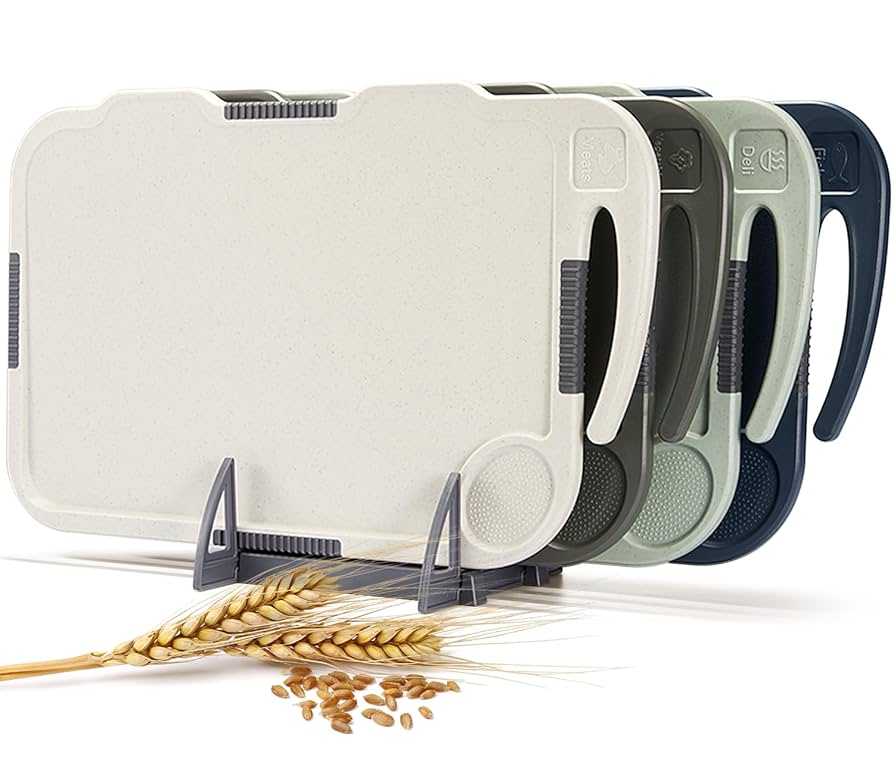
Are you wondering if a wheat straw cutting board is a safe choice for your kitchen? With so many options out there, it’s easy to feel unsure about what’s best for your health and your food.
You want a cutting board that won’t harbor bacteria, won’t damage your knives, and is easy to clean. But does a wheat straw cutting board check all these boxes? Keep reading to discover the truth about this eco-friendly kitchen tool and find out if it’s the right fit for you and your family.

Credit: www.amazon.com
Wheat Straw Material Basics
Wheat straw is an agricultural byproduct from wheat plants. It is the dry stalks left after harvesting the grain. People use wheat straw to make various products, including cutting boards.
This material is gaining attention for its natural qualities and usefulness in kitchen tools. Understanding wheat straw helps you know if it is safe and practical for cutting boards.
What Is Wheat Straw?
Wheat straw is the dry stalk that remains after wheat grains are harvested. It is mostly made of cellulose, hemicellulose, and lignin. These natural fibers give wheat straw strength and durability.
- It is a renewable plant material.
- It is lightweight and flexible.
- It has a natural beige color.
- It is often used in eco-friendly products.
Manufacturing Process
Wheat straw is cleaned and ground into small pieces. Then it mixes with natural resins or binders to form a composite material. This mix is pressed into shapes like cutting boards.
| Step | Description |
| Cleaning | Remove dirt and impurities from straw |
| Grinding | Break straw into small fibers |
| Mixing | Combine fibers with natural binders |
| Pressing | Form the mixture into boards under heat and pressure |
| Finishing | Cut and smooth the final product |
Environmental Benefits
Using wheat straw helps reduce waste and lowers the need for plastic. It is biodegradable and compostable. Wheat straw products break down naturally without harming the environment.
- Reduces farm waste by using leftover straw
- Lowers plastic use and pollution
- Biodegrades naturally after disposal
- Requires less energy to produce than plastic
Health Safety Factors
Wheat straw cutting boards are becoming popular for kitchen use. It is important to know if they are safe for health.
This article looks at health safety factors. We focus on non-toxic properties, chemicals, and allergy risks.
Non-toxic Properties
Wheat straw is a natural material. It does not release harmful substances during use.
These cutting boards often use natural binders. They avoid toxic glues or plastics.
- Made from plant fibers and natural resins
- No heavy metals or toxins detected
- Safe for contact with food
Bpa And Chemical Concerns
Many plastic boards contain BPA, a harmful chemical. Wheat straw boards usually do not use BPA.
This reduces risk of chemical contamination. They are a safer option compared to some plastics.
- Free from bisphenol A (BPA)
- No toxic chemical additives
- Made with eco-friendly materials
Allergy Considerations
Some people worry about allergies to wheat straw. The risk is low because the straw is processed.
Still, people with wheat allergies should check the product labels. Washing before use can help reduce allergens.
- Processed to remove most allergens
- Check if you have wheat sensitivity
- Clean boards well before use
Durability And Maintenance
Wheat straw cutting boards offer a natural option for your kitchen. Their durability and care needs differ from other materials. Understanding these aspects helps keep the board in good shape.
Proper maintenance ensures the board lasts long and stays safe for food use. Below are key points about its durability and upkeep.
Scratch And Cut Resistance
Wheat straw boards resist scratches and cuts well. The material is hard enough to avoid deep marks from knives. This helps prevent bacteria from hiding in grooves.
Still, avoid very sharp or heavy blades that can damage the surface. Regular use will cause minor marks but will not break the board easily.
Water Absorption And Warping
This type of board absorbs less water than wood. It helps reduce swelling and warping after washing. Still, avoid soaking it in water for a long time.
| Feature | Wheat Straw Board | Wooden Board |
| Water Absorption | Low | High |
| Warping Risk | Low | Medium to High |
| Drying Time | Short | Long |
Cleaning Tips
- Wash with warm soapy water after use
- Use a soft sponge to avoid scratches
- Dry the board immediately with a towel
- Do not soak or put in the dishwasher
- Store in a dry place away from direct sunlight
Comparison With Other Boards
Wheat straw cutting boards are a newer option in kitchens. They compete with traditional boards like wood, plastic, and bamboo. It is important to see how they compare in safety and use.
This article looks at wheat straw boards and compares them with wood, plastic, and bamboo boards. This helps you pick the right board for your kitchen.
Wheat Straw Vs Wood
Wood boards are classic and sturdy. They have natural antimicrobial properties that help keep bacteria away. Wheat straw boards are lighter and easier to clean. They do not absorb water like wood.
Wood boards need regular oiling to stay safe and avoid cracks. Wheat straw boards do not need much care. Both are safe but wood can wear down faster if not cared for.
- Wood is heavy and solid
- Wheat straw is light and easy to clean
- Wood absorbs water, wheat straw does not
- Wood needs oiling, wheat straw needs less care
- Both are safe if cleaned well
Wheat Straw Vs Plastic
Plastic boards are common and cheap. They can scratch easily, which can trap bacteria. Wheat straw boards resist scratches better. They are also less likely to warp after washing.
Plastic can release harmful chemicals when cut or heated. Wheat straw is made from natural fibers and is safer in this way. Both can be washed in a dishwasher, but wheat straw lasts longer.
- Plastic is inexpensive but scratches easily
- Wheat straw resists scratches and warping
- Plastic may release chemicals when damaged
- Wheat straw is made from natural materials
- Both can be dishwasher safe
Wheat Straw Vs Bamboo
Bamboo boards are eco-friendly and hard. They resist bacteria but can be rough on knives. Wheat straw boards are softer and gentler on blades. Both are good for the environment.
Bamboo needs oiling to avoid cracking. Wheat straw boards are low maintenance. Bamboo can be heavier, while wheat straw boards are lighter and easier to handle.
- Bamboo is hard and eco-friendly
- Wheat straw is softer and light
- Bamboo needs regular oiling
- Wheat straw requires less care
- Both resist bacteria well
User Reviews And Feedback
Wheat straw cutting boards are becoming popular for being eco-friendly. Users share their thoughts on safety and durability.
This section shows real user reviews, focusing on what people like and dislike about these boards.
Positive Experiences
Many users say wheat straw cutting boards are safe and healthy to use. They like that the boards do not absorb water easily.
Users appreciate that these boards feel light yet sturdy. The natural materials make them a good choice for kitchens.
- Boards are easy to clean and dry quickly
- No strong chemical smells or tastes reported
- Surface stays smooth without deep cuts
- Good for chopping fruits and vegetables
Common Complaints
Some users report that wheat straw boards can wear out faster than wooden ones. Scratches and cuts show up after heavy use.
A few people notice the boards may warp if left wet too long. They warn about avoiding high heat or soaking the board.
- Surface may get scratched from sharp knives
- Can warp if soaked in water or exposed to heat
- Not ideal for heavy chopping tasks
- Some users find the texture rough at first

Credit: www.amazon.com
Buying Guide
Wheat straw cutting boards are popular for being eco-friendly. They are made from wheat stalks left after harvesting.
Many people wonder if these boards are safe to use in the kitchen. This guide helps you choose the right one.
What To Look For
Check if the board is made from 100% wheat straw fibers. This ensures it is natural and eco-friendly.
Look for boards that are BPA-free and food-safe. This means they do not contain harmful chemicals.
- Non-porous surface to prevent bacteria growth
- Durability and resistance to scratches
- Easy to clean and maintain
- Lightweight and comfortable to use
Price Range
Wheat straw cutting boards usually cost less than wooden or bamboo boards. They fit many budgets.
Prices can range from $10 to $30 depending on size and brand. Larger boards often cost more.
- Small boards: $10–$15
- Medium boards: $15–$25
- Large boards: $25–$30
Trusted Brands
Choose brands known for using safe, natural materials. This lowers health risks.
Brands that follow food safety standards offer better quality wheat straw boards.
- Look for certifications like FDA or LFGB approval
- Read customer reviews for product safety and durability
- Brands with clear material information are safer choices

Credit: www.amazon.com
Frequently Asked Questions
Are Wheat Straw Cutting Boards Durable?
Wheat straw cutting boards are quite durable. They are resistant to scratches and wear. This makes them a great choice for everyday use. However, they may not be as long-lasting as wooden boards. Regular maintenance can extend their lifespan.
How Do I Clean A Wheat Straw Cutting Board?
Cleaning a wheat straw cutting board is simple. Wash it with warm, soapy water after each use. Avoid harsh chemicals and bleach. Rinse thoroughly and dry with a clean towel. This routine will keep your cutting board in good condition.
Do Wheat Straw Cutting Boards Harbor Bacteria?
Wheat straw cutting boards are resistant to bacteria. Their non-porous surface prevents bacterial growth. However, proper cleaning is essential. Always wash and dry them after use. This practice ensures they remain hygienic and safe for food preparation.
Can Wheat Straw Cutting Boards Withstand Heat?
Wheat straw cutting boards have some heat resistance. However, they should not be exposed to high temperatures. Avoid placing hot pots or pans on them. High heat may cause warping or damage. Use trivets or pads for hot items.
Conclusion
Wheat straw cutting boards offer a safe and eco-friendly option. They resist bacteria and dry quickly after use. Cleaning them is simple and requires little effort. These boards do not contain harmful chemicals or toxins. They last long if cared for properly.
Choosing wheat straw supports sustainable and natural materials. A smart choice for health and the planet. Consider this option for your kitchen needs. Safe, practical, and good for everyday use.