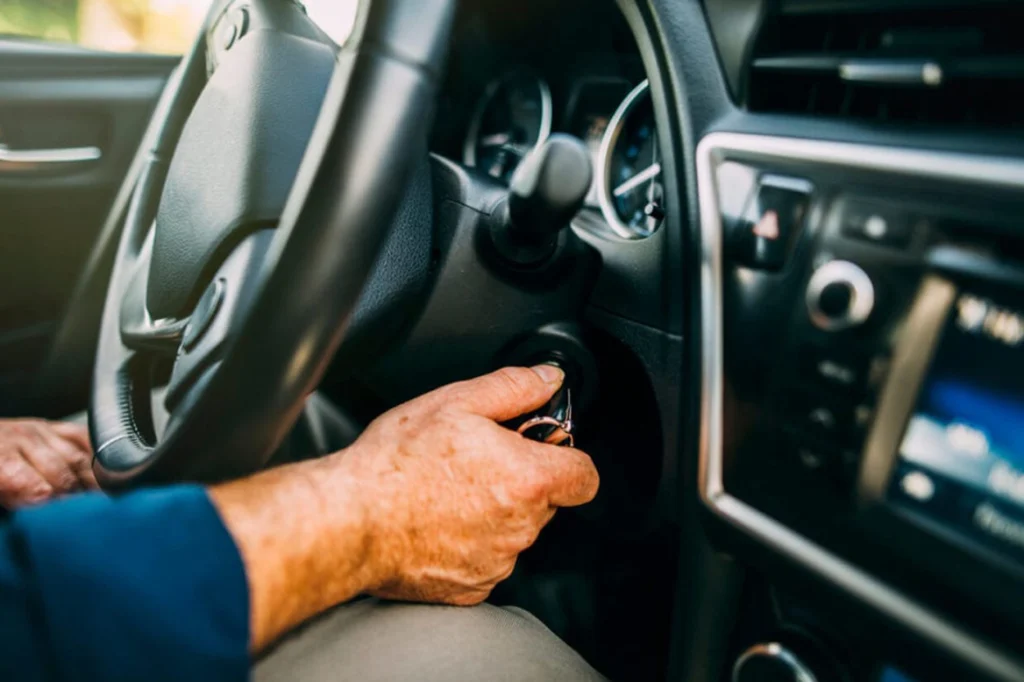
Your car won’t start, but the power is on. That’s confusing and frustrating, right?
You turn the key or press the button, and nothing happens—even though the lights and dashboard come alive. What’s going on under the hood? Don’t worry; you’re not alone, and this issue doesn’t always mean a costly repair. You’ll discover the most common reasons why your car won’t start despite having power.
By the end, you’ll know exactly where to look and what to try next, saving time and stress. Keep reading to take control of the problem before it gets worse.
Common Causes Of Starting Issues
Starting issues can be frustrating, especially when your car has power but won’t start. Several common problems cause this situation. Understanding these can help you identify the problem quickly. Each part of the starting system plays a key role. Problems in any of these areas can stop your engine from turning over.
Battery Vs. Power Supply
The battery provides the electrical power needed to start the car. Sometimes, the battery has enough power for lights and accessories but not enough to start the engine. Loose or corroded battery connections can also cause starting issues. The power supply from the alternator or battery cables may be weak or interrupted.
Ignition System Problems
The ignition system creates the spark to ignite the fuel. Faulty spark plugs, ignition coils, or the ignition switch can stop the engine from starting. Worn or damaged parts in this system prevent the spark needed for combustion. A bad ignition system may cause the engine to crank but not start.
Fuel Delivery Issues
The engine needs fuel to start and run. Problems like a clogged fuel filter, empty fuel tank, or failing fuel pump can stop fuel from reaching the engine. Without fuel, the engine won’t start even if it has power. Fuel delivery problems often cause the engine to crank without firing up.
Starter Motor Failures
The starter motor turns the engine over to begin the combustion process. A failing starter motor may cause clicking noises or no sound at all. Electrical issues or worn-out components inside the starter can prevent the engine from cranking. The starter motor must work properly for the engine to start.
Checking The Battery And Connections
Checking the battery and connections is a key step when your car won’t start but still has power. The battery supplies electricity to the starter and other parts. Loose or corroded connections can stop the car from starting even if the battery has enough charge.
Start with simple checks before moving to more complex ones. This helps find the problem quickly. Knowing how to test the battery and inspect terminals can save time and money.
Testing Battery Voltage
Use a multimeter to check the battery voltage. A fully charged battery shows about 12.6 volts. If the voltage is below 12.4 volts, the battery may be weak or discharged.
Turn off the car and connect the multimeter’s red lead to the positive terminal. Connect the black lead to the negative terminal. Read the voltage on the screen.
If the voltage is low, try charging the battery or replacing it. A weak battery might power lights but not start the engine.
Inspecting Battery Terminals
Look at the battery terminals for corrosion or dirt. Corrosion appears as a white, green, or blue powdery substance around the terminals. This can block electrical flow.
Check if the terminals are tight. Loose connections cause poor contact and starting issues. Use a wrench to tighten them gently. Clean corrosion with a mixture of baking soda and water.
Wear gloves and eye protection while cleaning. After cleaning, dry the terminals and reconnect the cables securely.
Jump-starting Your Car
Jump-starting can help if the battery is weak but not dead. You need jumper cables and another car with a good battery.
- Park the working car close but do not touch the two cars.
- Attach the red clamp to the positive terminal of the dead battery.
- Attach the other red clamp to the positive terminal of the good battery.
- Attach the black clamp to the negative terminal of the good battery.
- Attach the other black clamp to an unpainted metal surface on the dead car.
- Start the working car and let it run for a few minutes.
- Try starting the dead car. If it starts, remove cables in reverse order.
Jump-starting is a quick fix but check the battery and charging system afterward to avoid future problems.
Examining The Starter Motor
When your car won’t start but still has power, the starter motor is often the first component to check. This small but mighty part is responsible for turning your engine over and getting it going. Understanding how to examine the starter motor can save you time and money by pinpointing the exact issue.
Signs Of A Faulty Starter
One clear sign of a bad starter is when you turn the key, and nothing happens—no engine turnover or cranking sound. Sometimes, the engine may crank slowly or intermittently, which indicates the starter is struggling. You might also notice dimming dashboard lights during attempts to start, suggesting the starter is drawing excessive power.
Have you ever experienced your car suddenly refusing to start after multiple tries? This can hint at a starter motor that’s on the way out but hasn’t completely failed yet. Catching these signs early helps avoid being stranded unexpectedly.
Listening For Clicking Sounds
When you try to start your car, a clicking noise is a strong clue that the starter motor is engaging but not spinning the engine. This click often comes from the solenoid, a part of the starter that pushes the motor gear to connect with the engine. Repeated clicking without engine turnover usually means the starter motor is failing or the battery voltage is too low.
Listening carefully during your start attempts can give you insight into the problem. Does the click sound weak or rapid? These subtle differences guide your next troubleshooting steps.
Starter Relay And Fuse Checks
Sometimes the issue isn’t the starter motor itself but the relay or fuse that controls it. The starter relay acts like a switch, sending power to the starter motor. A blown fuse or a faulty relay can interrupt this power flow, causing the car not to start despite having battery power.
Checking these components is straightforward and can often be done without special tools. If you find a blown fuse or a relay that doesn’t click when you try to start, replacing them might fix the problem immediately.

Credit: www.carparts.com
Fuel System Troubleshooting
Troubleshooting the fuel system is key when a car has power but won’t start. The fuel system delivers fuel to the engine for combustion. Problems here can stop the engine from firing even with power available.
Checking each part of the fuel system helps find the issue quickly. Focus on the fuel pump, fuel filter, and fuel injectors. These components must work well for the engine to start and run.
Fuel Pump Functionality
The fuel pump moves fuel from the tank to the engine. A failing pump may make a whining noise or no noise at all. Testing the pump pressure with a gauge shows if it delivers enough fuel. Without proper pressure, the engine won’t start.
Clogged Fuel Filter Symptoms
A clogged fuel filter blocks fuel flow to the engine. Signs include rough idling, hesitation, or stalling. Filters need replacement based on mileage or if symptoms appear. Checking the filter is simple and can fix starting problems fast.
Fuel Injector Issues
Fuel injectors spray fuel into the engine cylinders. Dirty or faulty injectors cause poor fuel spray and misfires. Symptoms include rough starting and poor engine performance. Cleaning or replacing injectors can restore proper fuel delivery and smooth starts.
Ignition Switch And Key Problems
The ignition switch and key play vital roles in starting a car. Problems with either can cause the engine not to start, even if the car has power. These issues often confuse drivers because the dashboard lights up, but the engine stays silent. Understanding common ignition and key troubles helps diagnose and fix the problem faster.
Worn Out Ignition Switch
The ignition switch can wear out over time. This part sends power to the engine starter. A worn switch may fail to send the signal. Symptoms include a key that feels loose or hard to turn. Sometimes, the dashboard lights flicker or go off when turning the key. Replacing the ignition switch often solves the issue.
Key Transponder And Security System
Many cars use a key with a transponder chip. This chip communicates with the car’s security system. If the chip is damaged or not recognized, the engine won’t start. The security system may prevent ignition to avoid theft. Signs include a flashing security light or no response when turning the key. Reprogramming or replacing the key can fix the problem.
Bypassing The Ignition Switch
Bypassing the ignition switch is a way to test if it is the cause. This method involves connecting wires to start the engine directly. It requires caution and some mechanical skill. Use this test only if you understand the risks. If the engine starts, the ignition switch likely needs replacement. This step helps avoid unnecessary repairs.

Credit: www.whocanfixmycar.com
Other Electrical Components To Inspect
Sometimes your car has power but won’t start. The issue might lie in other electrical parts. These parts control important signals and safety checks. Checking them can save time and money.
Fuses And Relays
Fuses protect your car’s electrical system from damage. A blown fuse can stop the engine from starting. Relays act like switches to power different parts of the car. A bad relay may block the starter motor or fuel pump. Inspect fuses and relays by locating the fuse box. Look for any burnt or damaged fuses. Swap out relays with a similar one to test if they work.
Neutral Safety Switch
The neutral safety switch stops the car from starting in gear. It only allows the engine to start in park or neutral. If this switch fails, the car won’t start even with power. Check if the car starts in neutral instead of park. Test or replace the neutral safety switch if needed to fix the issue.
Wiring And Ground Connections
Loose or damaged wiring can block electrical flow. Ground connections are critical for completing the circuit. Bad grounds can cause strange electrical problems. Inspect wiring harnesses for cuts, corrosion, or loose ends. Clean and tighten all ground points under the hood. Secure connections help the starter and other parts work properly.
When To Call A Mechanic
Knowing when to call a mechanic saves time and prevents further damage. Some car issues need expert attention. Recognizing these signs can keep you safe and your car in good shape.
Complex Electrical Issues
Electrical problems can be tricky and hidden deep inside your car. Faulty wiring, bad fuses, or a broken starter may cause the car not to start. Mechanics have the tools and knowledge to find and fix these issues quickly.
Repeated Starting Failures
Trying to start your car many times with no success is a bad sign. This can damage the battery or starter motor. A mechanic can diagnose the problem and prevent costly repairs later.
Safety Considerations
Sometimes, a car won’t start due to safety system faults. Problems with the immobilizer or alarm can stop the engine from turning on. A mechanic ensures all systems work properly and keeps you safe on the road.

Credit: www.carparts.com
Frequently Asked Questions
Why Won’t My Car Start Despite Having Power?
If your car won’t start but has power, it could be a faulty starter motor. A failing ignition switch or a bad fuel pump can also be the issue. It’s essential to check these components and consult a mechanic for a detailed diagnosis.
Can A Bad Ignition Switch Cause This Problem?
Yes, a bad ignition switch can prevent your car from starting. It might not send the necessary signal to start the engine. Testing or replacing the ignition switch can resolve this issue. Consulting with an automotive professional is advisable for an accurate assessment.
How Does A Faulty Starter Motor Affect Starting?
A faulty starter motor won’t engage the engine, causing your car not to start. You may hear a clicking sound. Replacing the starter motor can solve this issue. It’s best to have a mechanic inspect it for confirmation.
Does A Bad Fuel Pump Cause Starting Issues?
Yes, a bad fuel pump can prevent fuel from reaching the engine. Without fuel, the engine can’t start. Checking the fuel pump for functionality or blockages can help. If necessary, replacing the pump can resolve the problem.
Conclusion
A car that won’t start but still has power can be frustrating. Simple checks like the battery, starter, or fuel can help. Sometimes, the problem is small and easy to fix. Other times, a mechanic’s help is needed. Understanding the basics saves time and stress.
Keep calm, follow the steps, and stay safe. Your car will be back on the road soon.