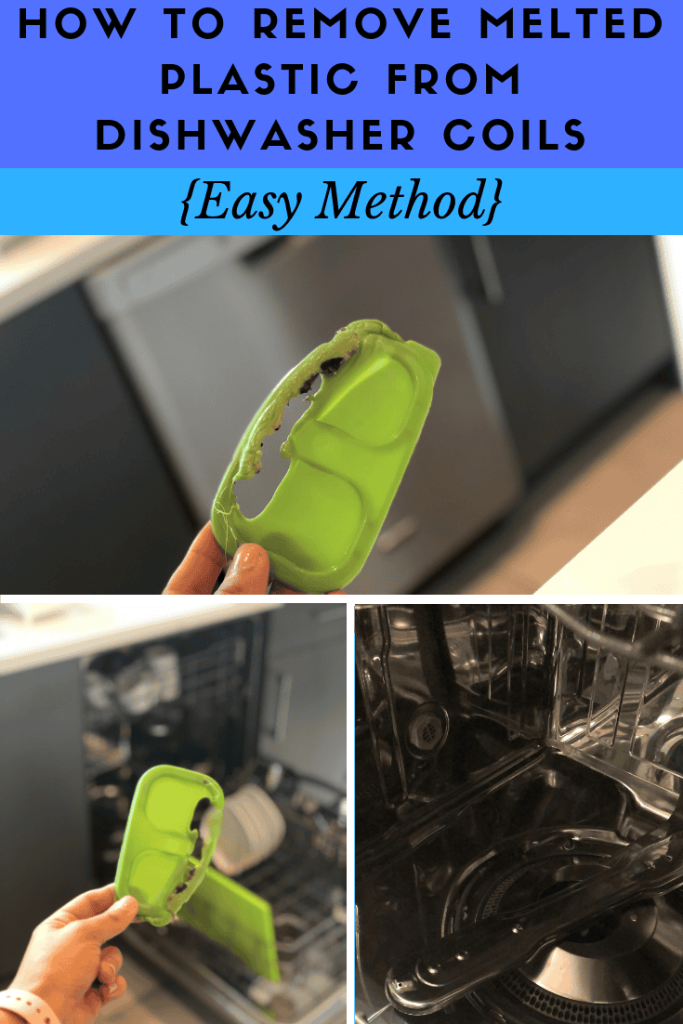
Have you ever opened your dishwasher only to find a melted plastic surprise inside? It’s a common mishap that leaves many wondering, “Should I rewash my dishes if plastic melted in the dishwasher?”
You’re not alone in this kitchen conundrum, and your concerns are completely valid. Melting plastic can not only create a mess but also leave an unpleasant odor and potentially harmful residue on your dishes. This article will delve into whether rewashing is necessary and how to tackle the aftermath of melted plastic.
Stick around to ensure your dishes are not just clean, but safe for your next meal.
Risks Of Plastic Melting In Dishwasher
Plastic melting in your dishwasher is more than just an annoying mess—it can lead to several hidden risks that affect your health, your dishwasher’s performance, and the cleanliness of your other dishes. Understanding these risks helps you decide whether rewashing is necessary and how to handle the situation safely.
Health Concerns
Melted plastic can release harmful chemicals, such as BPA or phthalates, which may stick to your dishes and utensils. These substances can pose health risks if ingested, especially for children or people with sensitivities.
Even after washing, residue might remain on plates or cups, so you should carefully inspect and rewash any affected items with hot water and soap. Have you ever wondered if a quick rinse is enough to remove toxic remnants? It usually isn’t.
Dishwasher Damage
When plastic melts inside the dishwasher, it can clog or damage the spray arms and filters, reducing the machine’s effectiveness. The heat and chemicals released might also degrade the rubber seals and internal components over time.
Ignoring these damages can lead to costly repairs or a shorter dishwasher lifespan. Cleaning melted plastic out immediately can save you from bigger problems down the road.
Impact On Other Dishes
Melted plastic can stick to other dishes, creating a sticky, hard-to-remove layer that traps food particles and bacteria. This contamination reduces the cleanliness of your dishes and may cause unpleasant odors.
It’s important to separate and rewash any dishes exposed to melted plastic to avoid spreading contamination. Do you really want your next meal served on a plate with plastic residue?
Credit: www.onesmileymonkey.com
When To Rewash Dishes
Knowing when to rewash dishes after plastic melts in the dishwasher is crucial for your safety and cleanliness. Not all melted plastic situations require rewashing, but some clearly do. Understanding the signs and risks can help you decide the best action to take.
Signs Of Contamination
If you see visible plastic residue stuck on your dishes or utensils, rewashing is a must. Even tiny bits of melted plastic can hold onto harmful chemicals or bacteria. Also, if your dishes smell strange or have a greasy film, these are clear warning signs that they are contaminated.
Ask yourself: Can I easily remove the plastic residue with normal washing? If not, a thorough rewash or even hand cleaning might be needed. Don’t risk eating off dishes that look or smell off.
Types Of Plastic Involved
Not all plastics behave the same when melted. Hard plastics like polypropylene might create sharp, sticky chunks that cling to surfaces. Softer plastics like polyethylene can leave a thin, oily layer that’s harder to detect but just as risky.
Consider what type of plastic melted. Was it a food-safe container or a non-food plastic item accidentally washed? Food-grade plastics may pose less risk, but non-food plastics could release harmful toxins. This difference matters when deciding if rewashing is enough or if you should discard the dish entirely.
Material Safety Considerations
Some materials, like glass or stainless steel, are easier to clean thoroughly after plastic melts on them. Porous materials, such as certain ceramics or plastics, can absorb chemicals and become unsafe even after washing. Think about the surface of your dish before deciding.
Always check the dishwasher guidelines for your dishware. If the manufacturer warns against rewashing after contamination, it’s safer to replace the item. Your health should come first when plastic melts during cleaning.
Safe Cleaning Methods After Melting
Safe cleaning after plastic melts in the dishwasher is important for health and hygiene. The melted plastic can leave harmful residues and odors on your dishes. Using the right cleaning methods ensures your dishes are clean and safe to use again. Avoid damaging your dishes further with harsh tools or chemicals. Focus on gentle but effective cleaning techniques.
Manual Cleaning Techniques
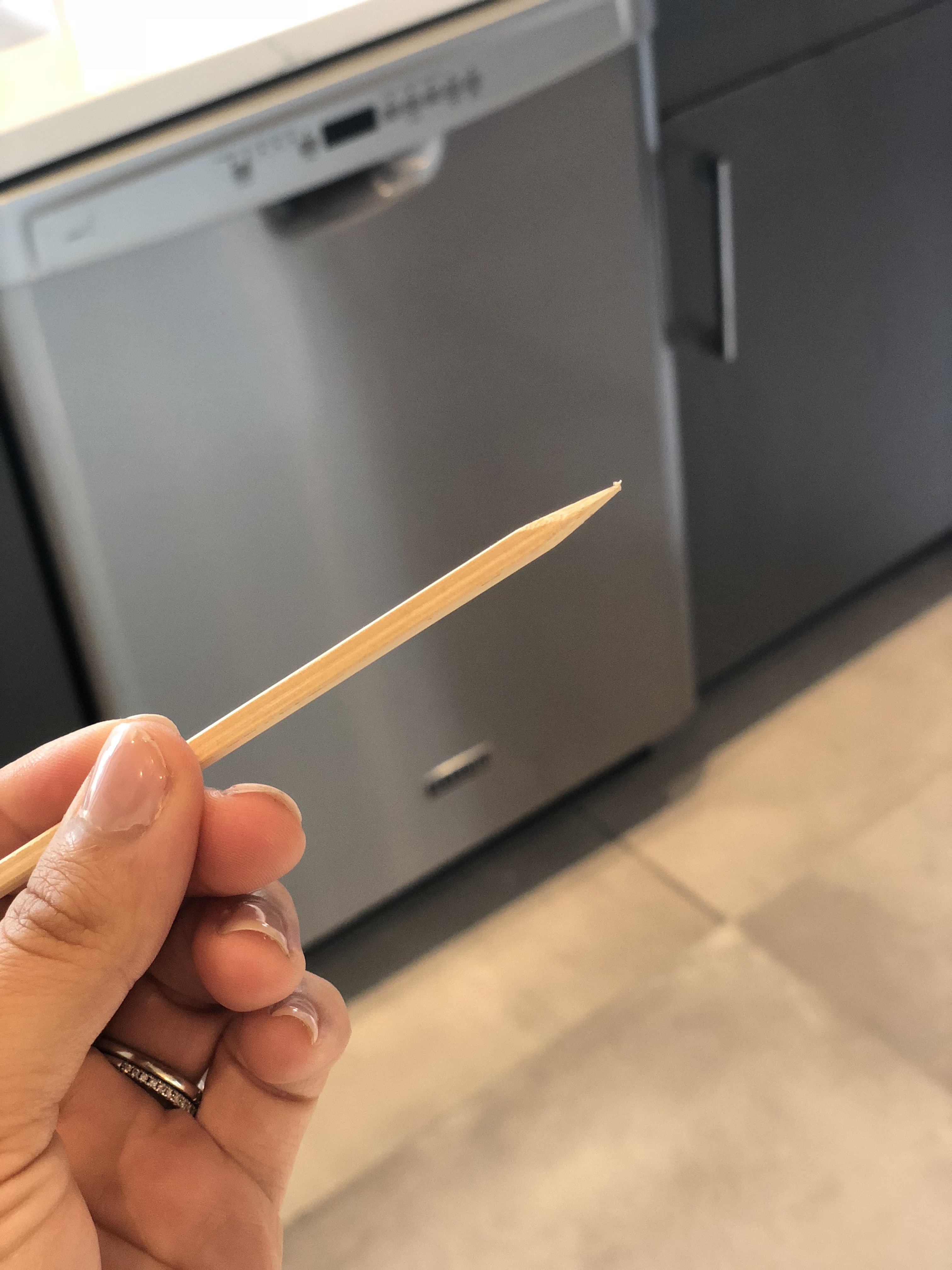
Start by scraping off any visible melted plastic with a plastic scraper or wooden spatula. Avoid metal tools that can scratch your dishes. Use warm, soapy water to soak the dishes for 10 to 15 minutes. This softens the plastic residue, making it easier to remove. Gently scrub with a soft sponge or cloth. Rinse thoroughly under running water to remove all soap and debris.
Using Baking Soda And Vinegar
Baking soda and vinegar are natural cleaners that break down residues well. Sprinkle baking soda over the affected areas. Pour white vinegar slowly on top. The mixture will fizz, helping to lift the plastic residue. Let it sit for 10 minutes before scrubbing gently with a sponge. Rinse the dishes with warm water to remove all traces of the mixture. This method helps remove odor and stains safely.
Avoiding Harsh Chemicals
Harsh chemicals can damage your dishes and may leave toxic residues. Avoid bleach, ammonia, or strong detergents after plastic melts. These chemicals can react with the plastic and create harmful fumes. Stick to mild dish soap, baking soda, and vinegar for cleaning. Always rinse dishes well to remove any cleaning agents. Keep cleaning safe for your health and your dishes.
Credit: www.goldstarappliancerepair.ca
Preventing Plastic Melting In Dishwashers
Plastic melting in dishwashers causes mess and damage. Preventing this problem saves time and keeps your dishwasher safe. Simple habits help avoid melted plastic and keep dishes clean.
Choosing Dishwasher-safe Plastics
Use plastics labeled dishwasher-safe only. Check the bottom of containers for symbols or text. Avoid thin or cheap plastics that melt easily. Hard plastics with high heat resistance work best. This choice protects your dishes and dishwasher parts.
Proper Loading Tips
Place plastic items on the top rack only. The top rack is farther from the heating element. Avoid crowding items to allow water flow. Keep plastic cups and lids secure to prevent movement. Proper loading reduces heat exposure and prevents melting.
Temperature Settings To Use
Use lower temperature settings for plastic dishes. High heat causes plastic to warp or melt. Select eco or gentle cycles with cooler water. Avoid the sanitize mode when washing plastics. Lower heat keeps plastic safe and extends its life.
When To Replace Dishes
Knowing when to replace dishes is important after plastic melts in the dishwasher. Damage may not always be visible at first. Careful inspection helps decide if the dish is safe to use or should be discarded. Using damaged dishes can cause health problems or further damage to your dishwasher.
Signs Of Permanent Damage
- Visible cracks or deep scratches on the surface
- Warped or bent shapes that do not return to normal
- Discoloration or melted spots that cannot be cleaned
- Sticky or rough texture where plastic melted
- Strong burnt or chemical smell that remains after washing
Health Risks Of Cracked Or Warped Plastic
Cracks and warps create hiding spots for bacteria and mold. These can lead to food contamination. Melted plastic may release harmful chemicals into food or drinks. Using damaged dishes increases the risk of ingesting toxins. Avoid using any plastic dish that looks or feels unsafe.
Safe Disposal Of Melted Items
Do not throw melted plastic dishes in regular trash without preparation. Follow local recycling rules for plastic waste. Some plastics are not recyclable after melting. Wrap damaged items in newspaper or paper bags to prevent sharp edges from harming collectors. Check with waste management services for safe disposal options.

Credit: food52.com
Frequently Asked Questions
Should I Rewash Dishes If Plastic Melted In Dishwasher?
Yes, you should rewash dishes if plastic melted in the dishwasher. Melted plastic can leave residue and chemicals on dishes. Rewashing ensures safety and removes any harmful contaminants. Use hot water and detergent to clean thoroughly.
How To Clean Dishes After Plastic Melting In Dishwasher?
Remove large plastic pieces carefully from dishes first. Use warm water and dish soap to scrub off residue. Avoid abrasive materials that may damage dishes. Rinse thoroughly to ensure all plastic and chemicals are removed.
Is It Safe To Use Dishwasher After Plastic Melted?
It’s best to clean the dishwasher after plastic melts inside. Remove plastic debris and run an empty cycle with vinegar or dishwasher cleaner. This prevents leftover plastic from contaminating future loads and keeps your dishwasher safe.
Can Melted Plastic Cause Health Risks On Dishes?
Yes, melted plastic can release harmful chemicals onto dishes. These chemicals may cause health issues if ingested. Rewashing dishes removes plastic residue and reduces any risk of contamination or illness.
Conclusion
Plastic melting in the dishwasher can cause a mess and safety worries. Washing dishes again helps remove plastic bits and smell. Check each item carefully before rewashing to avoid damage. Use warm water and gentle soap for cleaning. Avoid using the dishwasher until the melted plastic is fully cleaned.
Taking these steps keeps your dishes safe and your dishwasher working well. Clean dishes mean healthier meals and a happier kitchen. Simple care prevents bigger problems later.