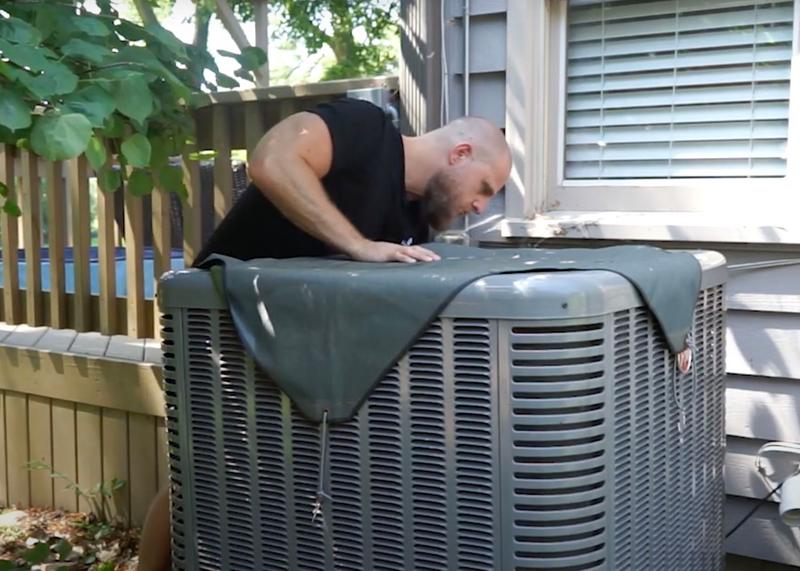
Winter is coming, and you might be wondering if you should cover your air conditioner to protect it. You want to keep your unit safe from snow, ice, and cold winds, but is covering it really the best choice?
Making the wrong decision could cost you more in repairs or reduce your AC’s lifespan. You’ll discover the pros and cons of covering your air conditioner during winter. By the end, you’ll know exactly what to do to keep your unit in top shape and avoid unnecessary expenses.
Keep reading—you don’t want to miss these important tips!
Benefits Of Covering Your Air Conditioner
Covering your air conditioner during winter helps keep it safe. It protects the unit from damage and saves you money on repairs.
A proper cover can increase the life of your air conditioner. It also keeps the unit clean and ready for use in warmer months.
Protection From Debris
Leaves, dirt, and twigs can collect inside your air conditioner. This debris can block airflow and cause damage.
Covering the unit stops debris from getting inside. This keeps the air conditioner clean and working well.
Shield Against Snow And Ice
Snow and ice can build up on your air conditioner. This weight can damage the parts or cause the unit to break.
A cover keeps snow and ice off the unit. It prevents heavy buildup and helps the air conditioner last longer.
Prevention Of Rust And Corrosion
Moisture from rain, snow, and ice can cause rust on metal parts. Rust can weaken your air conditioner and cause leaks.
Using a cover reduces moisture exposure. This helps stop rust and keeps your air conditioner in good shape.
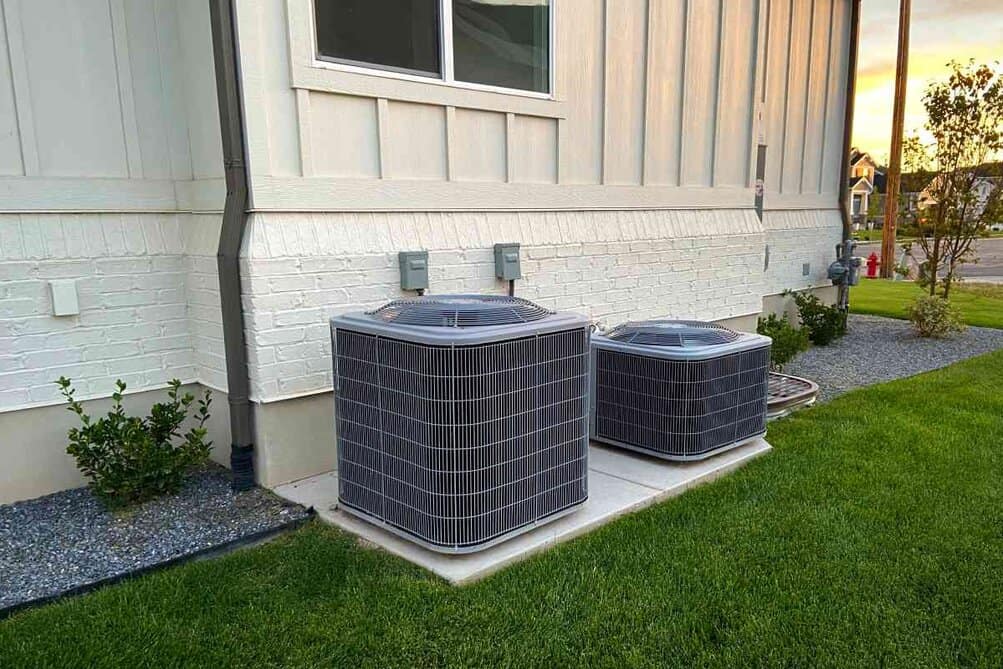
Credit: www.furnaceprices.ca
Risks Of Covering Your Air Conditioner
Many people cover their air conditioners in winter to protect them. But covering can cause some problems. It is important to know the risks before covering your unit.
This article explains three main risks of covering your air conditioner. Learn about moisture build-up, pest infestation, and reduced airflow.
Moisture Build-up
Covering your air conditioner can trap moisture inside. This happens because water cannot escape easily. Moisture causes rust and damages metal parts.
Excess moisture also leads to mold growth. Mold is harmful and can spread inside your unit. It reduces your air conditioner’s life span.
- Traps rain and snow moisture
- Prevents air circulation
- Leads to rust and mold
Pest Infestation
Covered air conditioners can become a safe space for pests. Small animals and insects look for warm, dry places in winter. Your covered unit may attract them.
Pests can cause damage by chewing wires and nesting inside. This can lead to costly repairs and poor unit performance.
- Warmth attracts pests
- Animals may chew wires
- Nests block important parts
Reduced Airflow
Covering your air conditioner blocks airflow. Proper airflow is needed to keep parts dry and working. Without it, moisture and heat build up inside.
Reduced airflow can cause damage to the compressor and fan. It also makes it harder to start the unit when summer returns.
- Blocks natural air movement
- Increases moisture inside
- Harms key components
When To Avoid Covering Your Air Conditioner
Covering your air conditioner during winter is common. But it is not always the best choice. Some situations mean you should avoid covering it.
Knowing when to leave your air conditioner uncovered helps protect it. This guide explains when to skip the cover.
Mild Winter Climates
In places with mild winters, air conditioners often do not need covers. These areas have little snow and low chances of freezing.
Covering the unit can trap moisture. This can cause rust and damage over time.
- Little snow or ice during winter
- Temperatures usually above freezing
- Good airflow around the unit
Modern Air Conditioner Designs
New air conditioners are built to handle winter weather. Many models have protective coatings and parts that resist moisture.
Covering these units can block ventilation. This may cause mold or electrical issues inside the unit.
- Designed to withstand rain and snow
- Include protective covers on sensitive parts
- Need good airflow even in winter
Alternative Protection Methods
Covering your air conditioner during winter is not the only way to protect it. There are other ways to keep it safe from cold weather and debris.
These methods help avoid damage without fully enclosing the unit, which can cause moisture problems.
Partial Coverage Techniques
Partial coverage shields the most sensitive parts of the air conditioner. It blocks leaves, dirt, and snow while letting air flow freely.
You can use a breathable cover or a simple board on top of the unit. Avoid sealing the sides completely to prevent moisture buildup.
- Place a waterproof cover only on the top
- Use a mesh screen to block debris
- Install a small roof or awning above the unit
- Leave the sides open for air circulation
Regular Maintenance And Cleaning
Cleaning your air conditioner before winter helps keep it in good shape. Remove dirt, leaves, and other debris around the unit.
Check the unit regularly to spot any damage early. Proper maintenance reduces the need for full coverage or heavy protection.
- Clear leaves and grass from around the unit
- Clean the coils and fins gently
- Inspect for rust or cracks
- Make sure drainage holes are not blocked
Choosing The Right Cover
Covering your air conditioner during winter can protect it from snow and debris. Picking the right cover is important to keep the unit safe.
The cover should fit well and allow air to pass through. This stops damage and keeps the unit dry.
Material Considerations
Choose a cover made from strong materials like heavy-duty plastic or waterproof fabric. It should block water and snow but not trap moisture inside.
A cover with UV protection can stop sun damage during winter days. Also, look for materials that resist tears and wear.
Size And Fit
The cover must fit your air conditioner snugly. A loose cover can blow away in strong wind or let snow inside.
Measure your unit before buying a cover. Check height, width, and depth to find the best match.
- Measure the top, sides, and base of the unit
- Choose a cover slightly larger for easy placement
- A tight fit prevents snow and debris from entering
Breathability Features
Air must move freely under the cover to stop moisture build-up. Look for covers with vents or breathable fabric.
Good airflow stops mold and rust inside the unit. Avoid covers that seal the air conditioner completely.
- Vents allow moisture to escape
- Breathable fabric reduces condensation
- Prevents mold and rust damage
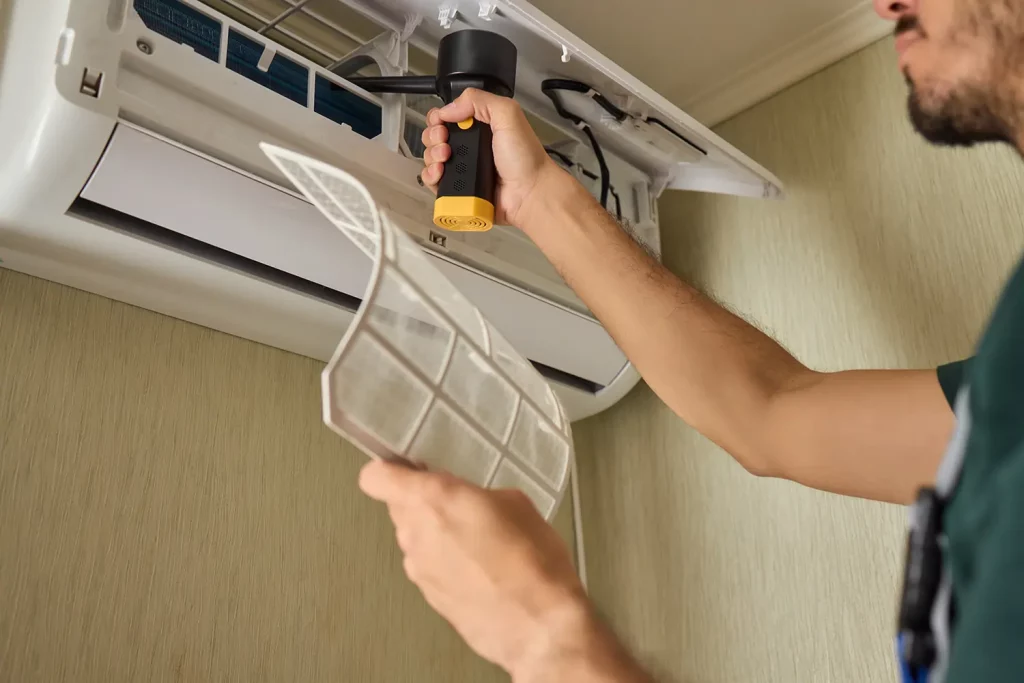
Credit: www.mjfrickco.com
Expert Recommendations
Many homeowners wonder if they should cover their air conditioners during winter. Protecting the unit can prevent damage from cold weather. Experts have different views on this topic.
This guide shares advice from HVAC professionals and manufacturer instructions. It helps you decide what is best for your air conditioner.
Professional Hvac Opinions
HVAC experts often recommend leaving the outdoor unit uncovered. They say covers can trap moisture, causing rust and mold growth. Air conditioners are built to withstand winter weather without extra protection.
- Keep the unit clear of leaves and debris
- Ensure the drain holes are not blocked
- Check the unit for ice buildup occasionally
- Turn off power to the unit during winter
Manufacturer Guidelines
Most manufacturers advise against using heavy covers. Some suggest using a breathable cover that fits loosely. This prevents water buildup while keeping out large debris.
| Manufacturer | Cover Recommendation | Reason |
| Brand A | Do not cover | Unit designed for outdoor use |
| Brand B | Use breathable cover | Prevents moisture damage |
| Brand C | No cover | Can trap condensation and rust |
Diy Tips For Covering
Covering your air conditioner during winter can protect it from dirt and snow. It also helps prevent damage from ice and moisture.
Using a DIY cover is a simple way to keep your unit safe. Here are some ideas and tips to create and install your own cover.
Homemade Cover Ideas
You can make a cover using materials you have at home. Use something that blocks water but lets air flow.
- Plastic tarps or heavy-duty garbage bags work well to keep water out.
- Old shower curtains are waterproof and easy to cut to size.
- Wooden boards can protect from snow but must have air gaps.
- Use breathable fabrics like canvas to avoid trapping moisture.
Make sure the cover fits loosely. Tight covers can trap moisture and cause rust.
Installation Tips
Installing your cover correctly helps protect the air conditioner and keeps it dry.
- Secure the cover with bungee cords or ropes so it does not blow away.
- Leave space at the bottom for air to flow and prevent moisture buildup.
- Check the cover regularly for damage or loose spots.
- Remove the cover before spring to avoid trapping heat and humidity.

Credit: www.reddit.com
Frequently Asked Questions
Should I Cover My Air Conditioner In Winter?
Covering your air conditioner in winter can protect it from debris and harsh weather. However, ensure the cover is breathable to prevent moisture buildup and rust.
What Type Of Cover Is Best For Ac Units?
Use a breathable, waterproof cover designed for AC units. This prevents moisture accumulation, mold growth, and protects the unit from snow and dirt.
Can Covering An Ac Cause Damage?
If the cover traps moisture, it can cause rust and damage. Always use a breathable cover to allow ventilation and avoid corrosion.
Is It Necessary To Cover The Outdoor Ac Unit?
Covering is recommended to shield the unit from snow, ice, and debris. It helps prolong the lifespan and maintain efficiency during winter.
Conclusion
Covering your air conditioner during winter can protect it from dirt and debris. It helps prevent damage caused by snow and ice buildup. Still, make sure the cover allows airflow to avoid moisture problems. A breathable cover works best to keep your unit dry and safe.
Taking simple steps now can save you money on repairs later. Winter care keeps your air conditioner ready for warm days ahead. Small efforts make a big difference in the unit’s lifespan. Choose the right cover and check your AC regularly.
Stay prepared for spring with a well-maintained air conditioner.