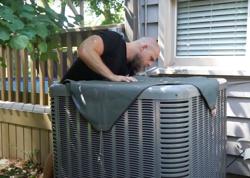
When winter arrives, you might wonder if covering your air conditioner is the right move. You want to protect your unit, save money, and avoid costly repairs.
But is covering it actually helpful, or could it cause more harm than good? You’ll discover what experts say about winterizing your AC and the simple steps you can take to keep it safe all season long. Keep reading to find out how to make the best choice for your air conditioner and your home.
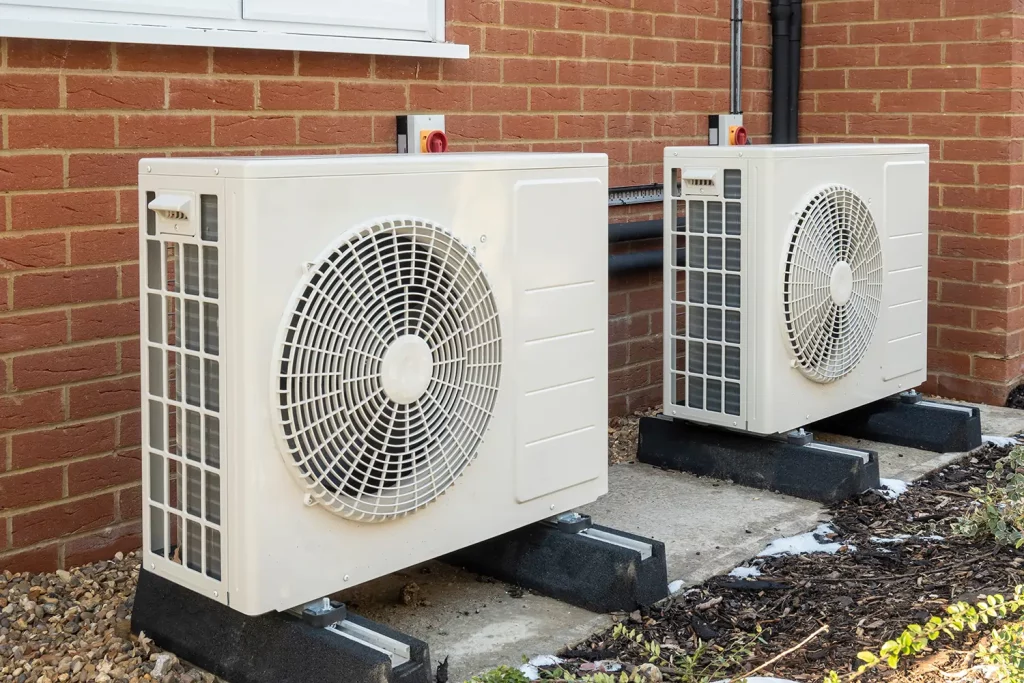
Credit: www.mjfrickco.com
Why Covering Matters
Covering your air conditioner during winter helps protect it from damage. Leaves, dirt, and other debris can get inside and cause blockages. This might make the unit work harder or break down. A cover keeps these materials out and keeps the unit clean.
Rust and corrosion happen when moisture sits on metal parts. Water from rain or snow can cause this damage. A cover blocks water and stops rust from forming. This helps your air conditioner last longer and work well.
Small animals and insects may try to live inside the unit. This can cause nests or chew wires. Using a cover keeps pests away and protects the system from harm.
When To Cover Your Ac
Cover the air conditioner only after the weather stays cold. Cold means temperatures below 50°F (10°C). Covering too early can trap moisture inside. This can cause rust and damage.
Wait until no more hot days are expected. Watch the weather forecast for a week. If no warm days come, it is safe to cover the AC.
- Cover the unit before the first heavy snow or frost.
- Strong winds can blow debris. Covering protects from leaves and dirt.
- A light cover can keep moisture out but still allow air to flow.
Choosing The Right Cover
Choosing the right coverfor your air conditioner protects it during winter. Covers come in different materials, each with benefits. Vinyl coverskeep out moisture but may trap condensation inside. Fabric coversallow air to flow, stopping mold and rust. Mesh coversoffer breathability but less protection from snow or debris.
Breathability is key.Covers that block air can cause moisture build-up. This leads to rust and damageto the unit. Choose a cover that lets air pass but keeps dirt out.
- Proper fitis important to avoid gaps.
- A cover too tight may trap moisture.
- A cover too loose lets debris inside.
- Measure your unit before buying a cover.
- Look for covers with secure straps or elastic edges.
Steps To Cover Your Ac Properly
Start by removing all debris from the unit. Clear leaves, dirt, and dust to prevent damage. Use a soft brush or cloth to clean the fins gently. Avoid using strong water pressure to stop bending the fins.
Choose a cover that fits snugly on the AC. Use straps or bungee cords to secure it tightly. Make sure the cover protects from rain, snow, and dirt. Leave some space for air to flow to stop moisture build-up.
- Do not wrap the unit too tightly, which can cause mold.
- Avoid plastic covers without ventilation holes.
- Never cover the unit if it is wet.
- Check the cover regularly for tears or loose spots.
When Not To Cover Your Ac
Covering your air conditioner can sometimes cause more harm than good. One big risk is trapping moistureinside the unit. Moisture buildup can lead to rustand mold growth. This damage may shorten your AC’s life and reduce its performance.
Instead of covering the whole unit, try these alternative protection methods:
- Use a lightweight, breathable coverdesigned for AC units.
- Make sure the cover allows airflowto prevent moisture buildup.
- Keep the area around your AC clean and clearof leaves and debris.
- Check your AC regularly during winter to spot any problems early.
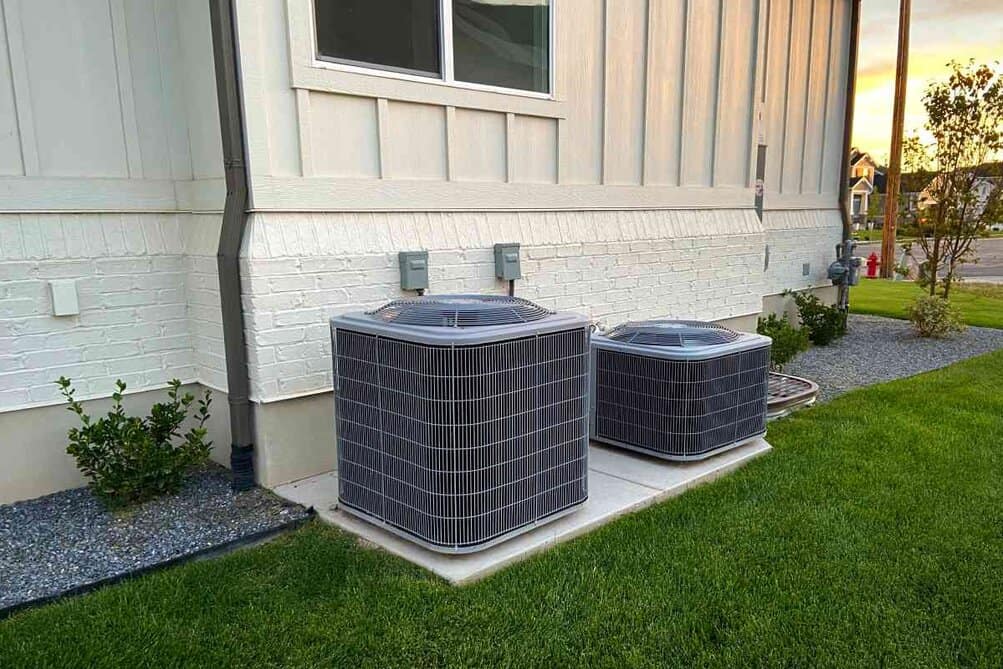
Credit: www.furnaceprices.ca
Maintaining Your Ac During Winter
Regular inspections help keep your air conditionerin good shape during winter. Check for damageor wearon the unit. Look for loose wiresor rust. Fixing small problems early saves money.
Clearing snowand icearound the air conditioner prevents blockages. Heavy snow can trap moistureand cause rust. Gently brush away snow and ice to keep the unit dry.
Preparing for spring use means removing any covers or debris before turning the AC on. Check the air filtersand clean or replace them. Make sure the drainageis clear to avoid water damage.

Credit: www.youtube.com
Frequently Asked Questions
Do Air Conditioners Need Winter Covers?
Covering your air conditioner in winter can protect it from debris and harsh weather. However, it’s not always necessary. Many units are designed to withstand winter conditions. Ensure proper airflow by not covering it too tightly. Always check the manufacturer’s recommendations for specific guidelines.
What Happens If You Don’t Cover It?
If you don’t cover your air conditioner, it might accumulate debris, leaves, or snow. However, many units are built to handle these conditions. Regular maintenance is crucial. An uncovered unit can also allow moisture to evaporate, preventing rust and mold.
Are There Benefits To Covering An Ac Unit?
Covering your AC unit can reduce the risk of debris accumulation and physical damage. It might also protect against ice and snow. However, it can trap moisture, leading to rust. Always ensure the cover allows for ventilation to prevent mold and mildew.
Can A Cover Cause Ac Damage?
A cover can trap moisture, potentially leading to rust and mold. It can also restrict airflow if too tight. Ensure any cover used is breathable and fits properly. Check the manufacturer’s advice on covering to avoid potential damage.
Conclusion
Covering your air conditioner for winter depends on your climate and unit type. A good cover can protect it from dirt and snow. But avoid trapping moisture inside, which can cause damage. Always choose a breathable cover made for AC units.
Regular maintenance before winter helps your unit last longer. Think about your local weather and unit instructions. Taking simple steps now saves money and hassle later. Stay warm and keep your AC safe this winter.