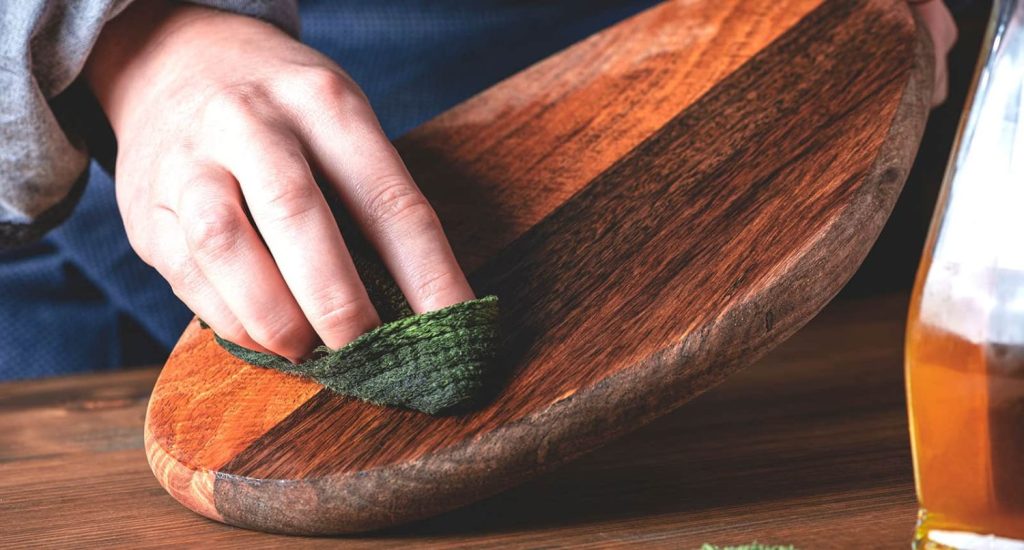
You’ve probably noticed your bamboo cutting board looking a bit dry or dull lately. You might be wondering, should you oil it?
The answer isn’t as simple as it seems. Oiling your bamboo board can protect it, keep it looking fresh, and even make your kitchen tasks easier. But if done wrong, it could cause more harm than good. You’ll discover why oiling matters, how to do it right, and the best oils to use.
Keep reading to learn how to keep your bamboo cutting board in top shape for years to come.
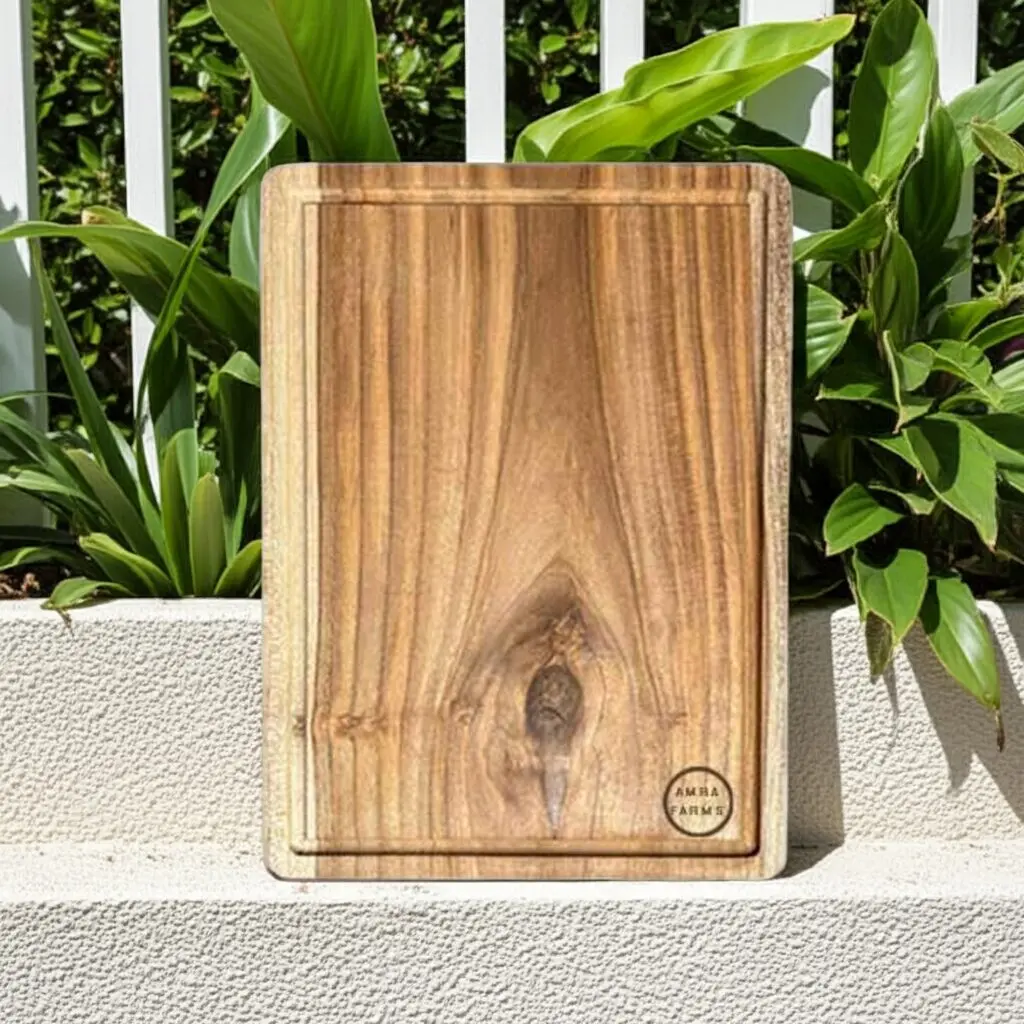
Credit: choppingboards.in
Why Oil Bamboo Boards
Bamboo cutting boards need care to last long and stay useful. Oiling is one way to keep them in good shape.
Oiling helps protect the board from water and damage. It also keeps the board looking nice.
Benefits Of Oiling
Oiling bamboo boards stops them from drying out and cracking. It also stops stains from soaking in.
Oiling keeps the board smooth and safe to use for cutting food.
- Prevents drying and cracking
- Blocks stains and odors
- Keeps the board smooth
- Protects against bacteria
Effects On Durability
Oiling makes bamboo boards stronger and more durable. It stops water from making the wood swell.
This reduces warping and splitting. The board lasts longer with proper oiling.
- Prevents water damage
- Stops warping and splitting
- Extends board lifespan
Impact On Appearance
Oiling gives bamboo a rich, warm look. It enhances the natural grain of the wood.
The board looks newer and cleaner after oiling. It also helps hide small scratches.
- Enhances natural wood grain
- Gives a warm, fresh look
- Hides minor scratches

Credit: cheesegrotto.com
Choosing The Right Oil
Oiling a bamboo cutting board keeps it strong and water-resistant. Picking the right oil is very important to keep your board safe and long-lasting.
Not all oils work well on bamboo. Some can spoil the board or be unsafe for food use.
Food-safe Oils To Use
Use oils that do not go rancid and are safe for food contact. These oils protect the board without harming your health.
- Mineral oil – a popular choice, odorless and tasteless
- Coconut oil – solid at room temperature but safe and natural
- Walnut oil – dries well and adds a nice finish
- Pure tung oil – natural and hardens after application
- Beeswax mixed with mineral oil – adds extra protection
Oils To Avoid
Some oils can spoil the board or cause health risks. Avoid these oils to keep your cutting board safe.
- Vegetable oils (like olive or canola) – they can go rancid quickly
- Cooking oils – they attract bacteria and smell bad over time
- Essential oils – not meant for cutting boards and may be toxic
- Non-food-grade oils – unsafe and may contain harmful chemicals
How To Select Quality Oil
Choose oils that are pure and made for food use. Check labels for quality and safety.
- Look for food-grade or USP-grade mineral oil
- Pick oils that are 100% pure without additives
- Buy from trusted brands or stores
- Check the expiration date to avoid rancid oils
- Choose oils with no strong smell or color
How To Oil Your Bamboo Board
Oiling a bamboo cutting board helps protect it from drying out. It also keeps the board looking fresh and clean.
Using the right oil and technique can extend the life of your bamboo board. Follow simple steps to do it correctly.
Preparation Steps
Start by cleaning your bamboo board with warm water and mild soap. Dry it completely before oiling to avoid trapping moisture.
Choose a food-safe oil like mineral oil or bamboo conditioning oil. Avoid cooking oils as they can go rancid.
- Wash the board and dry fully
- Use food-safe mineral or bamboo oil
- Do not use vegetable or olive oils
Application Techniques
Pour a small amount of oil on the board’s surface. Use a clean cloth or paper towel to spread the oil evenly.
Rub the oil in circular motions to cover all sides and edges. Apply more oil if the board absorbs it quickly.
- Pour a few drops of oil on the board
- Use cloth to spread oil evenly
- Rub in circular motions over all surfaces
- Add oil if the board soaks it up
Drying And Maintenance
Let the board sit for several hours or overnight. This allows the oil to soak in and protect the bamboo fibers.
Wipe off any extra oil with a clean cloth. Repeat oiling every few weeks to keep the board in good shape.
- Let the board rest for hours or overnight
- Remove excess oil after drying
- Oil the board every 2 to 4 weeks
- Keep the board dry and clean between uses
Frequency Of Oiling
Oiling a bamboo cutting board keeps it strong and clean. It stops the board from drying out and cracking.
The right oiling frequency depends on how much you use your board. Regular care helps your board last longer.
Signs Your Board Needs Oil
Watch your board for signs that it needs oil. Dryness and dullness mean it is time to oil again.
- The board looks dry or faded
- Water soaks in quickly
- Small cracks or rough spots appear
- The surface feels rough or sticky
Recommended Schedules
Oiling your bamboo board regularly keeps it in good shape. A simple schedule helps you remember.
- Oil once a month for light use
- Oil every two weeks if used often
- Oil once a week if used daily
Adjusting For Usage
Change how often you oil based on how you use your board. Heavy use means more frequent oiling.
If you cut wet foods or wash the board often, oil it more. Less use means you can oil less often.
- Heavy use: oil weekly
- Medium use: oil every 2 weeks
- Light use: oil monthly or as needed
Additional Bamboo Board Care Tips
Taking care of your bamboo cutting board helps it last longer. Proper care keeps it clean and strong.
Simple habits protect the board from cracking, stains, and bad smells. Learn how to clean, avoid damage, and store it well.
Cleaning Best Practices
Wash your bamboo board by hand after each use. Use warm water and mild soap for cleaning.
Do not soak the board in water or put it in the dishwasher. Too much water can cause the bamboo to warp or crack.
- Rinse with warm water immediately after use
- Use a soft sponge or cloth to clean
- Dry the board completely with a towel
- Air dry the board standing up or on a rack
Avoiding Damage
Cutting on bamboo boards is safe, but avoid very hard or sharp impacts. Do not use metal utensils to scrape the board.
Do not expose the board to extreme heat or direct sunlight. This can dry out and weaken the bamboo fibers.
- Use a cutting board for chopping only
- Do not hit or hammer on the board
- Avoid cutting bones or frozen foods on it
- Keep away from stovetops or ovens
Storage Suggestions
Store your bamboo cutting board in a dry place. Avoid areas with high humidity or moisture.
Keep the board upright to let air circulate around it. This prevents mold and keeps it fresh.
- Place the board in a vertical rack or stand
- Do not stack heavy items on top of it
- Store away from sinks and wet areas
- Check regularly for any signs of damage or mold

Credit: miti-life.com
Common Mistakes To Avoid
Oiling a bamboo cutting board helps keep it in good shape. But some mistakes can cause damage or reduce its life. It is important to know what to avoid.
Here are common mistakes people make when oiling bamboo boards. Avoid these to keep your board safe and clean.
Over-oiling Issues
Putting too much oil on a bamboo board can cause problems. The oil may not soak in well and stay sticky on the surface.
Excess oil can attract dust and dirt. It can also make the board slippery, which is unsafe during cutting.
- Use a small amount of oil at a time.
- Wipe off any extra oil after application.
- Let the board dry fully before using it.
Using Harmful Products
Not all oils are safe for food contact. Some oils can go bad or have chemicals that harm the board and your health.
Avoid oils like vegetable or olive oil. These can turn rancid and smell bad. Choose food-safe mineral oil or specially made board oils.
- Do not use cooking oils like olive or coconut oil.
- Pick oils labeled as food-safe or cutting board oil.
- Check the ingredients to avoid harmful chemicals.
Ignoring Board Condition
Oiling a damaged or dirty board can cause more harm than good. Cracks or deep cuts trap moisture and bacteria.
Always clean and dry the board well before oiling. Sand down rough spots or cracks to keep the surface smooth.
- Clean the board with mild soap and water before oiling.
- Dry the board completely to avoid moisture buildup.
- Sand rough or cracked areas before applying oil.
Frequently Asked Questions
Why Oil A Bamboo Cutting Board?
Oiling a bamboo cutting board helps maintain its durability and appearance. It prevents the board from drying out and cracking. By keeping the surface well-oiled, you also protect it from moisture and bacteria. Regular oiling ensures your bamboo cutting board remains a reliable kitchen tool for years.
How Often Should You Oil Bamboo Boards?
You should oil your bamboo cutting board every month. If you notice dryness or dullness, oil it more frequently. Regular oiling ensures the board stays moisturized and functional. Consistent care enhances the board’s longevity and prevents potential damage from regular use.
What Oil Is Best For Bamboo Cutting Boards?
Mineral oil is the best choice for bamboo cutting boards. It is food-safe and easy to apply. Unlike other oils, it doesn’t go rancid over time. Mineral oil effectively hydrates the bamboo, preserving its natural beauty and extending its lifespan.
Can You Use Olive Oil On Bamboo Boards?
Avoid using olive oil on bamboo cutting boards. Olive oil can go rancid and leave unpleasant odors. Instead, use food-grade mineral oil. It hydrates the board without the risk of spoilage. Keeping your board in top condition requires using the right oil regularly.
Conclusion
Oiling a bamboo cutting board keeps it strong and lasting. It stops cracks and warping from water damage. Regular oiling also helps prevent stains and odors. Clean the board well before applying oil. Use food-safe mineral oil for best results.
This simple step keeps your board looking new longer. It also makes cutting safer and more hygienic. Take care of your bamboo board to enjoy it daily. Easy and quick maintenance makes a big difference. Try it and see how your board improves.