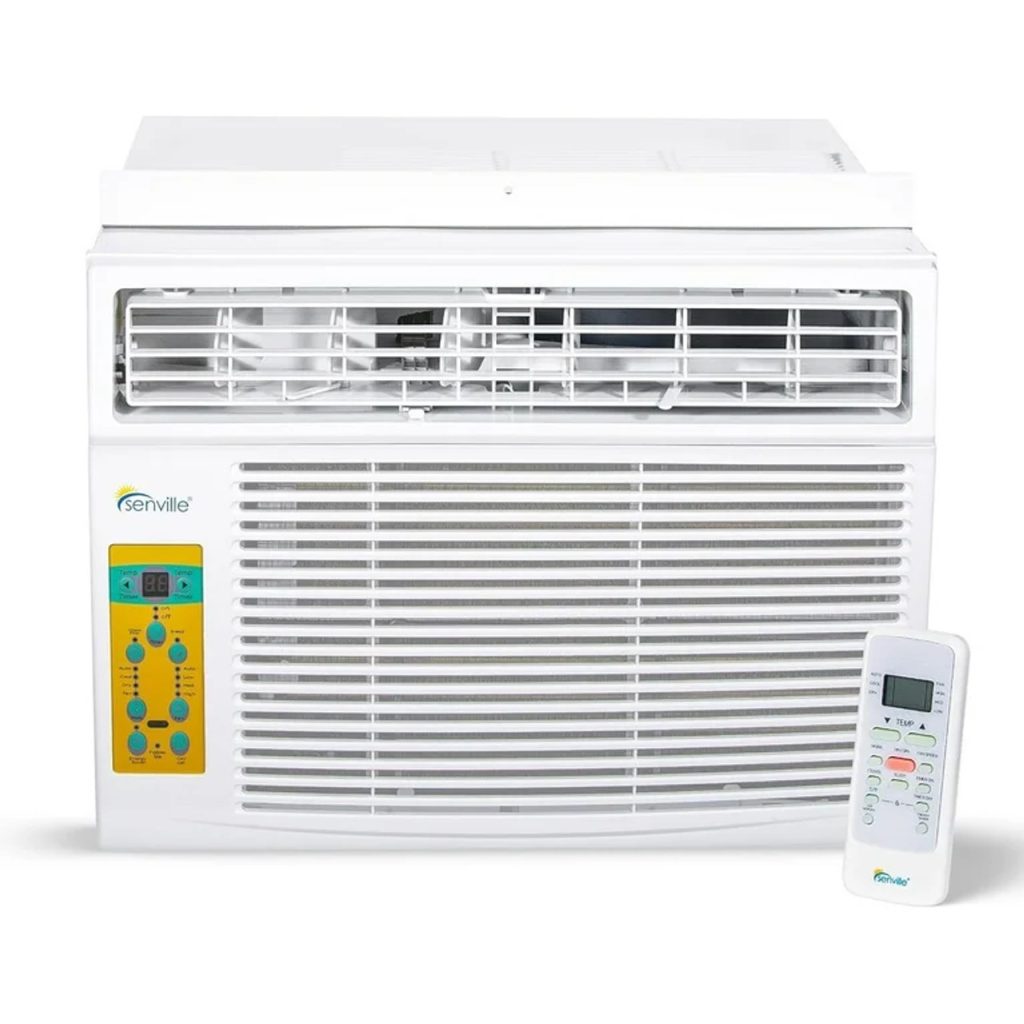
Are you confused about what makes an air conditioner powerful enough for your home? Understanding BTU in air conditioners can change the way you pick the perfect cooling system.
Knowing what BTU means and how it affects your comfort can save you money and keep your space just right. Keep reading, and you’ll discover exactly how BTU impacts your air conditioner’s performance and why it matters to you.
Btu And Air Conditioning Basics
BTU stands for British Thermal Unit. It is a way to measure energy. In air conditioning, BTU shows how much cooling power a unit has.
Knowing about BTU helps you pick the right air conditioner. It ensures your space cools down properly and uses energy well.
What Btu Means
A BTU is the amount of heat needed to raise the temperature of one pound of water by one degree Fahrenheit. It measures energy, like fuel or heat.
In air conditioning, BTU measures the cooling capacity. A higher BTU means the unit can cool a larger area or cool faster.
How Btu Measures Cooling Power
An air conditioner removes heat from a room. The BTU rating shows how much heat it can remove each hour. For example, a 10,000 BTU unit removes 10,000 BTUs of heat every hour.
| BTU Rating | Room Size (square feet) |
| 5,000 | Up to 150 |
| 8,000 | 150 to 350 |
| 10,000 | 350 to 450 |
| 12,000 | 450 to 550 |
| 18,000 | 550 to 1,000 |
Why Btu Matters In Air Conditioners
Choosing the right BTU size is important. Too small means the room will stay warm. Too large wastes energy and can cause humidity problems.
- Correct BTU size cools the room quickly and evenly.
- It saves electricity and lowers bills.
- Proper size keeps air fresh and comfortable.
- It extends the life of the air conditioner.
Choosing The Right Btu For Your Space
BTU stands for British Thermal Unit. It measures the cooling power of an air conditioner. Picking the right BTU size helps your room stay cool without wasting energy.
A unit that is too small will not cool the room well. A unit that is too large will use more electricity and cause humidity issues.
Room Size And Btu Requirements
The size of your room is the main factor for choosing the BTU rating. Larger rooms need more BTUs to cool properly. Small rooms need fewer BTUs.
Measure your room’s square footage by multiplying length by width. This helps you find the right BTU size for the space.
- Up to 150 sq. ft. needs about 5,000 BTUs
- 150 to 250 sq. ft. needs about 6,000 BTUs
- 250 to 350 sq. ft. needs about 8,000 BTUs
- 350 to 450 sq. ft. needs about 10,000 BTUs
Factors Affecting Btu Needs
Other factors change how many BTUs you need besides room size. These include sunlight, ceiling height, and number of people in the room.
A sunny room needs more BTUs because sunlight heats the space. Rooms with high ceilings need extra cooling power too.
- Sunlight: More sunlight means higher BTU needed
- Ceiling height: Higher ceilings need more cooling
- Occupants: More people add heat to the room
- Appliances: Heat from devices increases BTU needs
Common Btu Ratings For Different Rooms
| Room Type | Approximate Size (sq. ft.) | Recommended BTU |
|---|---|---|
| Small Bedroom | 100-150 | 5,000-6,000 |
| Medium Bedroom | 150-250 | 6,000-8,000 |
| Living Room | 250-400 | 8,000-12,000 |
| Large Open Area | 400-600 | 12,000-18,000 |
Use this guide to help pick the right BTU air conditioner for your room size. This will keep your space comfortable and energy efficient.
Types Of Air Conditioners By Btu
BTU stands for British Thermal Unit. It measures how much heat an air conditioner can remove. Different types of air conditioners use different BTU sizes. Choosing the right BTU helps cool a room efficiently.
This guide explains common air conditioner types and their BTU options. It covers window units, portable ACs, and central air systems. Each type fits different spaces and cooling needs.
Window Units And Btu Options
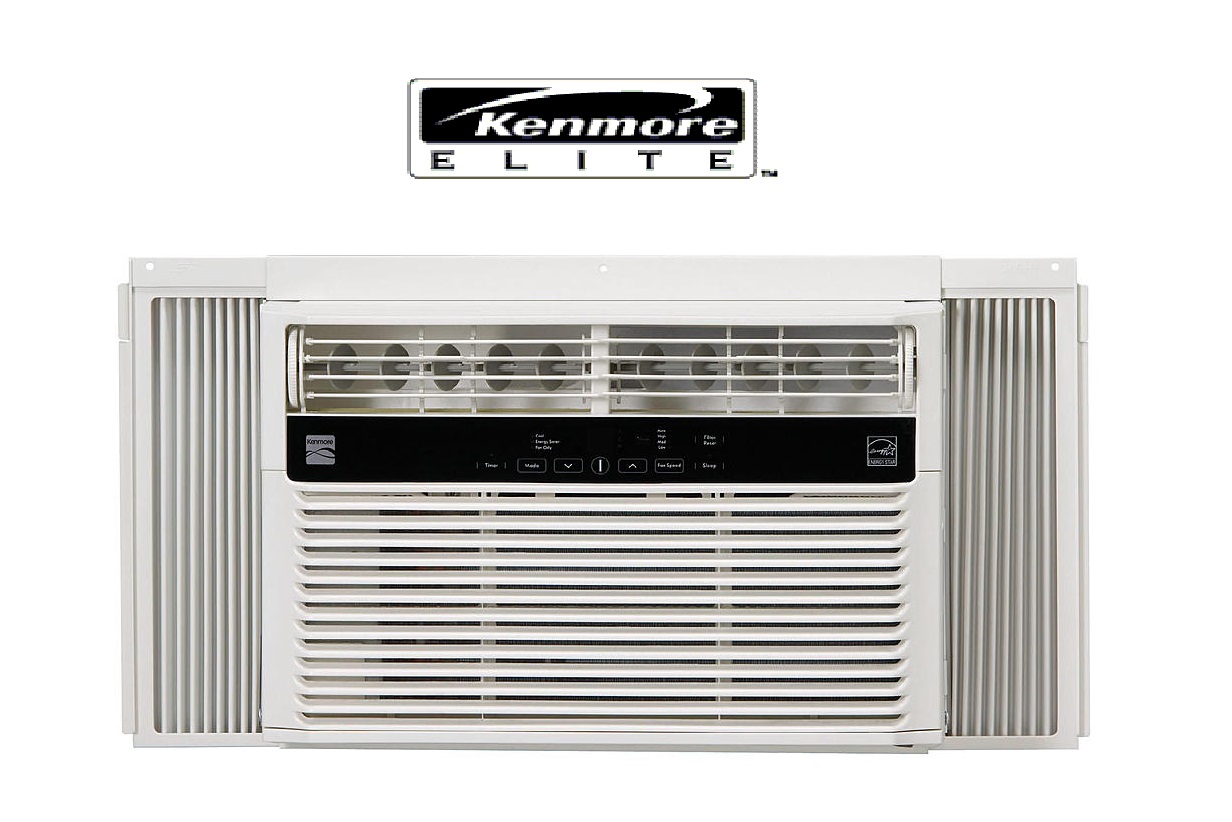
Window air conditioners are easy to install. They fit in a window frame and cool one room. Window units come in many BTU sizes to match room size.
- 5,000 to 6,000 BTU: small rooms up to 150 sq ft
- 7,000 to 8,200 BTU: medium rooms up to 350 sq ft
- 9,000 to 10,000 BTU: larger rooms up to 450 sq ft
- 12,000 BTU or more: big rooms or small apartments
Portable Air Conditioners
Portable ACs can move from room to room. They do not need window installation but require venting through a window or door. Portable units also come in many BTU sizes.
| BTU Range | Room Size Covered |
| 8,000 BTU | Up to 200 sq ft |
| 10,000 BTU | Up to 300 sq ft |
| 12,000 BTU | Up to 400 sq ft |
| 14,000 BTU | Up to 500 sq ft |
Central Air Systems And Btu Capacity
Central air systems cool whole houses. They use a large BTU capacity to handle many rooms at once. Capacity depends on house size and insulation.
Typical BTU capacities for central air systems:
- 24,000 BTU (2 tons): small homes up to 1,000 sq ft
- 36,000 BTU (3 tons): medium homes up to 1,500 sq ft
- 48,000 BTU (4 tons): large homes up to 2,000 sq ft
- 60,000 BTU (5 tons) or more: very large homes
Credit: airconditionercanada.com
Energy Efficiency And Btu
BTU stands for British Thermal Unit. It measures how much heat an air conditioner can remove. Understanding BTU helps choose the right size AC for your space.
Energy efficiency shows how well an air conditioner uses electricity. A unit with good efficiency saves energy and reduces bills.
Seer Ratings Explained
SEER means Seasonal Energy Efficiency Ratio. It shows how much cooling you get for each unit of electricity.
A higher SEER rating means the air conditioner uses less energy to cool the same space. This saves money and helps the environment.
Balancing Btu And Energy Use
Choosing the right BTU size is important. Too small BTU means your room stays warm. Too big wastes energy and money.
Match the BTU to your room size. This balance keeps your room cool and uses energy well.
- Small rooms need fewer BTUs
- Large rooms need higher BTUs
- Check room insulation for better sizing
Tips To Maximize Efficiency
Use your air conditioner smartly to save energy. Simple actions help improve efficiency and lower electricity use.
- Set the temperature to a comfortable level, not too cold
- Keep doors and windows closed when AC runs
- Clean or replace filters regularly
- Use fans to spread cool air
- Shade your windows from direct sunlight
Installation And Maintenance Tips
BTU air conditioners cool your home by removing heat. Proper care and installation keep them working well.
Use the right size and follow good maintenance to save energy and stay comfortable.
Proper Sizing For Installation
Choosing the right BTU size is key for effective cooling. Too small units work too hard and too large units waste energy.
- Measure the room size in square feet.
- Use BTU calculators to estimate needed power.
- Consider insulation, windows, and sun exposure.
- Hire a professional for accurate sizing and installation.
Maintaining Optimal Cooling Power
Keep your air conditioner clean and well maintained for best cooling and longer life.
| Maintenance Task | How Often | Details |
| Clean or replace filters | Monthly | Removes dust and improves airflow |
| Clear debris around unit | Monthly | Prevents blockages and overheating |
| Check refrigerant levels | Yearly | Ensures efficient cooling |
| Inspect electrical connections | Yearly | Prevents failures and hazards |
When To Upgrade Your Air Conditioner
Replacing an old air conditioner can save money and improve comfort.
- Your unit is over 10 years old.
- Cooling power drops despite maintenance.
- Energy bills rise without increased use.
- Repairs cost more than half the price of new unit.
- Your home size or needs have changed.

Credit: northnjhvac.com
Common Myths About Btu And Cooling
BTU stands for British Thermal Unit. It measures the cooling power of an air conditioner. Many people have wrong ideas about BTU and how it affects cooling.
This article clears up common myths about BTU and air conditioners. It helps you understand how to choose the right unit for your space.
More Btu Always Means Better Cooling?
Many think a higher BTU number means faster and better cooling. But this is not always true. A unit with too high BTU can cool the room too fast and then stop.
This quick on-off cycle can reduce comfort and waste energy. The right BTU depends on room size, insulation, and sun exposure.
Oversized Units And Their Drawbacks
- Cool the room unevenly with hot and cold spots
- Turn on and off frequently, causing wear and tear
- Remove moisture too fast, leading to a damp feeling
- Use more electricity than properly sized units
- Have a shorter lifespan due to constant cycling
Choosing an air conditioner that fits the room size avoids these problems. Oversized units may seem powerful but cause many issues.
Misconceptions About Energy Consumption
| Myth | Fact |
| Higher BTU uses less energy | Large BTU units can waste energy if oversized |
| Small BTU means high electricity bills | Small units run longer but use less power overall |
| Energy use depends only on BTU | Energy depends on efficiency, usage, and insulation |
Select an air conditioner with the right BTU and energy rating. It saves money and cools your space properly.
Credit: airgreen.ca
Frequently Asked Questions
What Does Btu Mean In Air Conditioners?
BTU stands for British Thermal Unit. It measures an air conditioner’s cooling capacity. Higher BTU means more cooling power.
How To Choose The Right Btu Air Conditioner?
Select BTU based on room size. Larger rooms need higher BTU units for efficient cooling and comfort.
Why Is Btu Important For Air Conditioning?
BTU determines how effectively an AC cools a space. Correct BTU ensures energy efficiency and optimal temperature control.
Can A Low Btu Ac Cool A Large Room?
No, a low BTU AC cannot efficiently cool large rooms. It may run longer and increase energy costs.
Conclusion
Choosing the right Btu air conditioner matters. It ensures comfort and efficiency. Understand your space’s cooling needs. Match them with the correct Btu rating. This helps in saving energy and costs. Consider room size and climate. These factors affect performance.
A well-suited air conditioner enhances comfort. It also extends the unit’s lifespan. Proper maintenance is key too. Regular checks keep it running smoothly. Remember, a good fit makes all the difference. A comfortable home is a happy home.