
Have you ever wondered what makes a fishing rod strong, flexible, and easy to handle? Understanding what fishing rods are made out of can change the way you choose your gear and improve your fishing experience.
Whether you’re a beginner or have spent years on the water, knowing the materials behind your rod helps you pick the right one for your style and needs. Keep reading to discover the secrets behind fishing rods and how the materials used can make all the difference in your next catch.
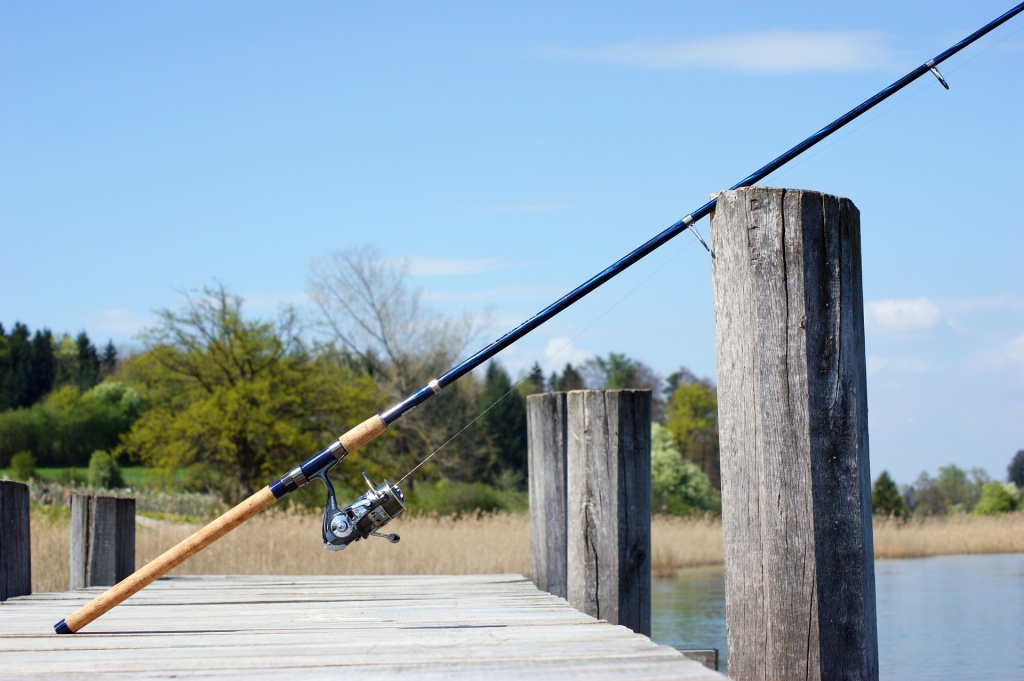
Credit: petroleumservicecompany.com
Common Materials Used In Fishing Rods
Fishing rods come in different materials. Each material offers unique strength and flexibility. Choosing the right rod depends on the fishing style and conditions.
Here, we look at three common materials used to make fishing rods. These are graphite, fiberglass, and composite blends.
Graphite And Its Benefits
Graphite rods are popular for their light weight and sensitivity. They allow anglers to feel small bites easily. Graphite is also very stiff, which helps with casting accuracy.
- Lightweight design reduces arm fatigue.
- High sensitivity for better bite detection.
- Strong and stiff for precise casting.
- Corrosion resistant, lasting longer in water.
Fiberglass Properties
Fiberglass rods are known for their durability and flexibility. They bend more than graphite rods, making them good for fighting big fish. Fiberglass is heavier but less likely to break under stress.
| Property | Fiberglass | Graphite |
|---|---|---|
| Weight | Heavier | Lighter |
| Flexibility | More flexible | Stiffer |
| Durability | Very durable | Can be brittle |
| Sensitivity | Less sensitive | Highly sensitive |
Composite Rods Explained
Composite rods mix graphite and fiberglass. This blend offers a balance of strength and sensitivity. They suit anglers who want the best of both materials.
- Good balance of light weight and durability
- Moderate flexibility for versatile use
- Better resistance to breaking than pure graphite
- Suitable for many fishing styles

Credit: anglersresource.net
How Material Affects Rod Performance
Fishing rods are made from various materials. The choice of material affects how the rod performs. Let’s explore these effects in detail.
Different materials offer different strengths and weaknesses. Understanding these can help you choose the right rod for your needs.
Strength And Durability
The strength and durability of a rod depend on its material. Strong rods last longer and can handle larger fish.
| Material | Strength Level | Durability |
| Fiberglass | High | Long-lasting |
| Graphite | Medium | Moderate |
| Carbon Fiber | Very High | Very Durable |
Flexibility And Sensitivity
Flexibility and sensitivity are key for detecting fish bites. These features vary based on the rod material.
- Fiberglass rods are more flexible but less sensitive.
- Graphite rods offer a balance of flexibility and sensitivity.
- Carbon fiber rods are very sensitive and can feel small bites easily.
Weight And Balance
Weight and balance affect how comfortable a rod feels. A lighter rod reduces fatigue during long fishing trips.
For example, carbon fiberis very light, while fiberglassis heavier. Choose based on your needs.
Specialized Materials For Specific Fishing Types
Fishing rods come in many types and use different materials. These materials match the kind of fishing you do. Each material has qualities that help in specific water conditions and fish types.
Choosing the right rod material can improve your fishing experience. It affects the rod’s strength, weight, and sensitivity.
Materials For Freshwater Fishing
Freshwater rods are usually light and flexible. They need to handle small to medium fish in lakes and rivers. Common materials include graphite and fiberglass.
- Graphite:Very light and sensitive, good for detecting bites.
- Fiberglass:Strong and durable, better for beginners.
- Composite:A mix of graphite and fiberglass, balancing strength and sensitivity.
Saltwater Rod Materials
Saltwater rods must resist corrosion from salt and handle bigger fish. They often use stronger materials like carbon fiber and stainless steel guides.
| Material | Key Feature | Use |
| Carbon Fiber | High strength and lightweight | Offshore and deep-sea fishing |
| Fiberglass | Very durable and flexible | Surf and pier fishing |
| Stainless Steel Guides | Corrosion resistant | Saltwater environments |
Fly Fishing Rod Components
Fly fishing rods use special parts designed for casting light flies. They often have a long, thin blank and flexible tips.
- Graphite Blank:Lightweight and sensitive for precise casting.
- Cork Handle:Comfortable grip and good control.
- Snake Guides:Small and lightweight to reduce line friction.
- Reel Seat:Made from aluminum or graphite for durability.
Advancements In Fishing Rod Technology
Fishing rods have changed a lot over the years. New materials and designs make rods stronger and lighter.
These improvements help fishermen catch fish easier and enjoy their time outdoors more.
Nano Materials In Rod Construction
Nano materials are tiny particles added to fishing rods. They make rods tougher without adding weight.
These materials help rods resist breaking and improve sensitivity to feel fish bites better.
- Increase rod strength
- Keep rods lightweight
- Improve fishing line control
Carbon Fiber Innovations
Carbon fiber is a popular material for fishing rods. It is strong, light, and flexible.
New carbon fiber designs make rods more durable and easier to handle for long fishing trips.
- Better strength-to-weight ratio
- Improved rod sensitivity
- Long-lasting performance
Eco-friendly Material Options
Some fishing rods use eco-friendly materials to protect the environment. These include recycled and natural fibers.
Using these materials helps reduce waste and pollution from fishing gear production.
- Recycled carbon and fiberglass
- Bamboo and other natural fibers
- Biodegradable resins and plastics
Choosing The Right Material For Your Needs
Fishing rods come in different materials. Each material affects how the rod feels and performs.
Choosing the right material helps you fish better and enjoy your time on the water.
Matching Rod Material To Fishing Style
Different fishing styles need different rod materials. Some rods are better for light fishing, others for heavy fish.
Here are common materials and their best uses:
- Fiberglass:Tough and flexible. Good for beginners and heavy fishing.
- Graphite:Light and sensitive. Best for casting and catching small to medium fish.
- Composite:Mix of fiberglass and graphite. Offers a balance of strength and sensitivity.
Budget Considerations
Fishing rods come in many price ranges. The material affects the cost and quality of the rod.
If you want a rod for casual fishing, fiberglass rods are cheaper and durable. Graphite rods cost more but offer better performance.
- Fiberglass rods: low to mid price, good for heavy use.
- Graphite rods: mid to high price, light and sensitive.
- Composite rods: mid price, a good mix of both materials.
Maintenance And Longevity
Some materials last longer with less care. Fiberglass rods are strong and resist damage well.
Graphite rods need careful handling to avoid cracks. Clean your rod after each use to keep it in good shape.
- Rinse rods with fresh water after fishing.
- Store rods in a dry place away from sunlight.
- Check guides and tips for damage regularly.

Credit: anglersresource.net
Frequently Asked Questions
What Materials Are Fishing Rods Commonly Made Of?
Fishing rods are mainly made from graphite, fiberglass, or composite materials. Graphite rods are lightweight and sensitive. Fiberglass rods are durable and flexible. Composite rods combine both materials for strength and sensitivity.
Why Is Graphite Popular For Fishing Rods?
Graphite is popular due to its light weight and high sensitivity. It allows anglers to feel fish bites better. Graphite rods are also strong and provide quick action during casting.
How Does Fiberglass Benefit Fishing Rods?
Fiberglass offers excellent durability and flexibility. It is less brittle than graphite, making it ideal for heavy-duty fishing. Fiberglass rods are also more affordable and withstand rough handling.
What Is The Advantage Of Composite Fishing Rods?
Composite rods blend graphite and fiberglass for balanced performance. They offer strength, flexibility, and sensitivity. This combination suits various fishing styles and conditions, providing versatility to anglers.
Conclusion
Fishing rods come in different materials, each with its own benefits. Graphite rods are light and sensitive. Fiberglass rods are strong and flexible. Composite rods mix both for balance. Choosing the right rod depends on your fishing style and needs.
Knowing what rods are made of helps you pick better gear. Enjoy your time by the water with the right rod in hand. Keep learning about fishing gear to improve your experience. Happy fishing!