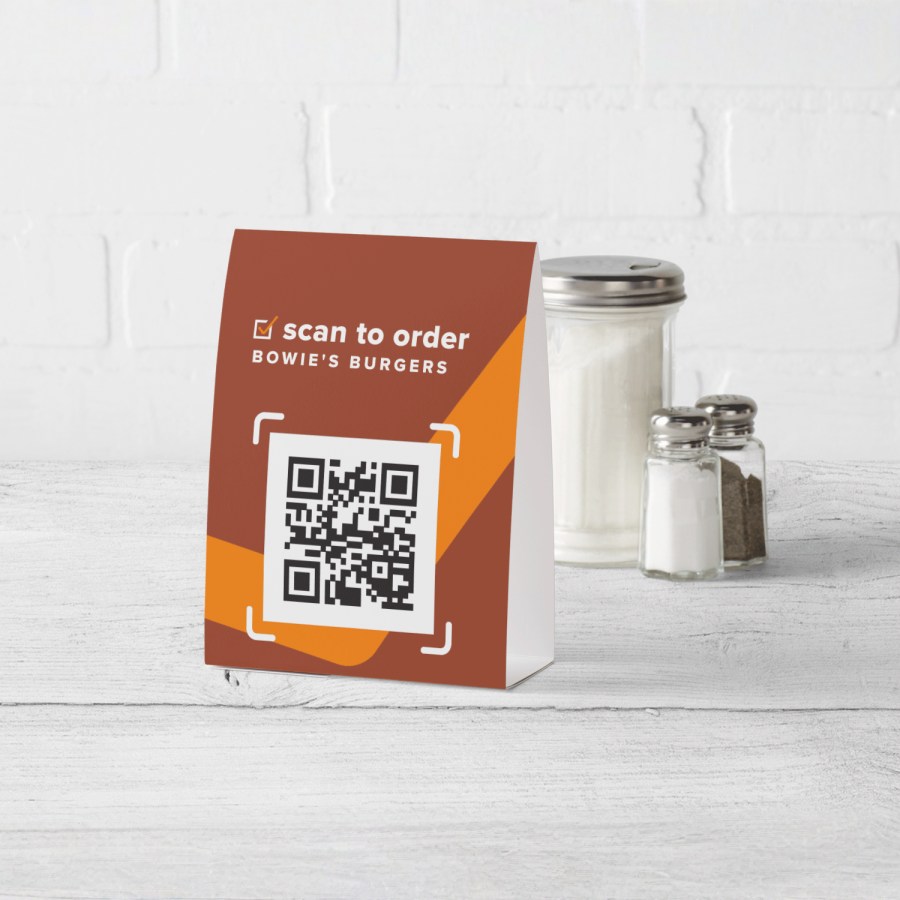
Have you ever noticed those small, eye-catching cards standing upright on tables at restaurants, cafes, or events? Those are called table tents.
They might seem simple, but they have a powerful way of grabbing your attention and delivering important messages right where you are. If you’ve ever wondered how these little displays can boost sales, share key information, or even enhance your customer’s experience, this article is for you.
Keep reading to discover exactly what table tents are and why they might be the secret tool your business needs.
Credit: www.vistaprint.ca
What Table Tents Are
Table tents are small, folded signs placed on tables. They display messages or information clearly.
They are used in many places like restaurants, events, and offices. Table tents catch attention easily.
Definition And Purpose
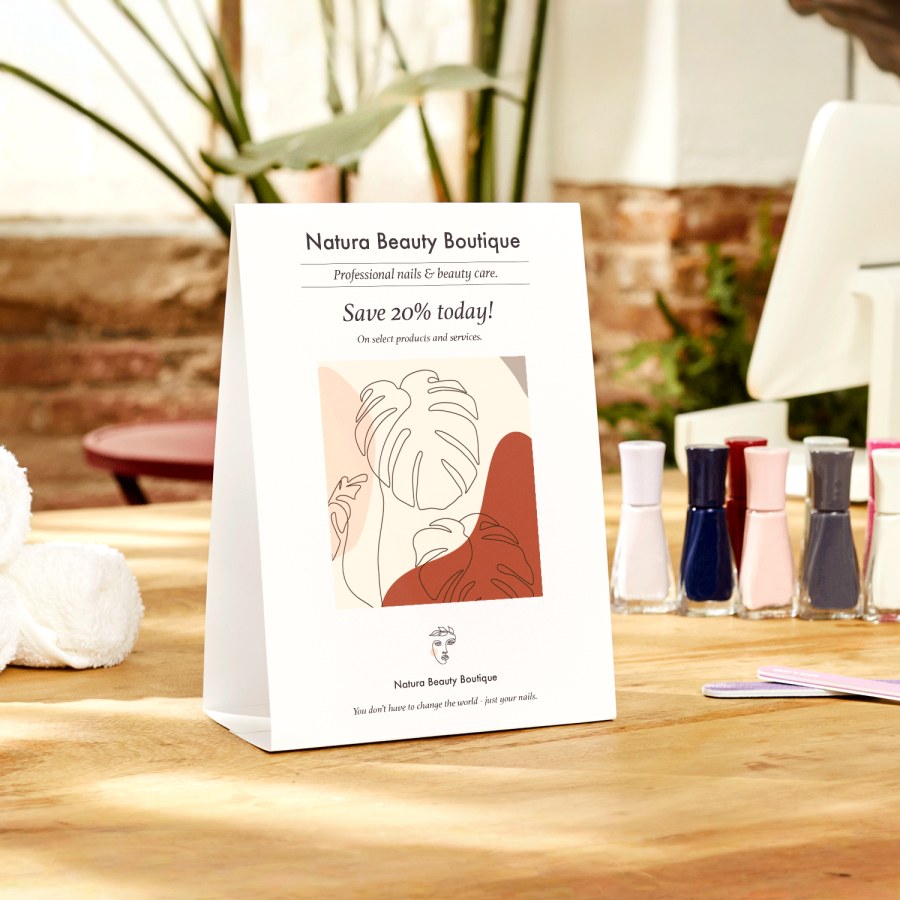
Table tents are printed cards that stand upright on tables. They share details about products or services.
They help customers see offers, menus, or instructions without needing staff help.
Common Uses
- Showing daily specials in restaurants
- Advertising drinks or desserts
- Providing event schedules
- Giving safety or hygiene instructions
- Promoting new products
Materials And Sizes
| Material | Description |
| Cardstock | Thick paper, easy to print on |
| Plastic | Durable and reusable |
| Foam board | Lightweight and sturdy |
| Wood | Strong and decorative |
Sizes vary but common ones include 4×6 inches or 5×7 inches. Size depends on the message length.
Design Elements
- Clear headlines
- Readable fonts
- Bright colors
- Simple images or logos
- Easy-to-understand messages
Good design helps people read and remember the message quickly.
Credit: www.vistaprint.ca
Benefits For Brand Visibility
Table tents are small, folded cards placed on tables. They display messages or promotions.
They help brands stand out in busy spaces like restaurants or events.
Attracting Customer Attention
Table tents sit right where customers look. They catch the eye easily.
- Bright colors and clear fonts draw focus.
- Strategic placement makes them hard to miss.
- Short messages keep attention without overwhelming.
Enhancing Brand Recall
Table tents remind customers about your brand after they leave.
| Feature | Benefit |
| Logo and Colors | Help customers recognize your brand fast |
| Consistent Message | Builds trust and memory |
| Repetition | Increases chances of recall |
Cost-effective Marketing
Table tents cost less to produce than many ads. They offer good value.
Benefits include:
- Low printing and design costs
- Reusable for different campaigns
- Easy to update with new offers
Types Of Table Tents
Table tents are small displays used on tables to share messages or information. They come in many styles to fit different needs and places.
Choosing the right type helps make your message clear and eye-catching. Let’s explore the main types of table tents.
Single-sided Vs Double-sided
Single-sided table tents show a design or message on one side only. They work well when placed against a wall or window.
Double-sided table tents display content on both sides. They are ideal for tables where people sit on opposite sides.
- Single-sided: One display face, less material used
- Double-sided: Two faces, shows more information
- Single-sided: Best for limited space
- Double-sided: More visible from different angles
Folded Vs Flat Designs
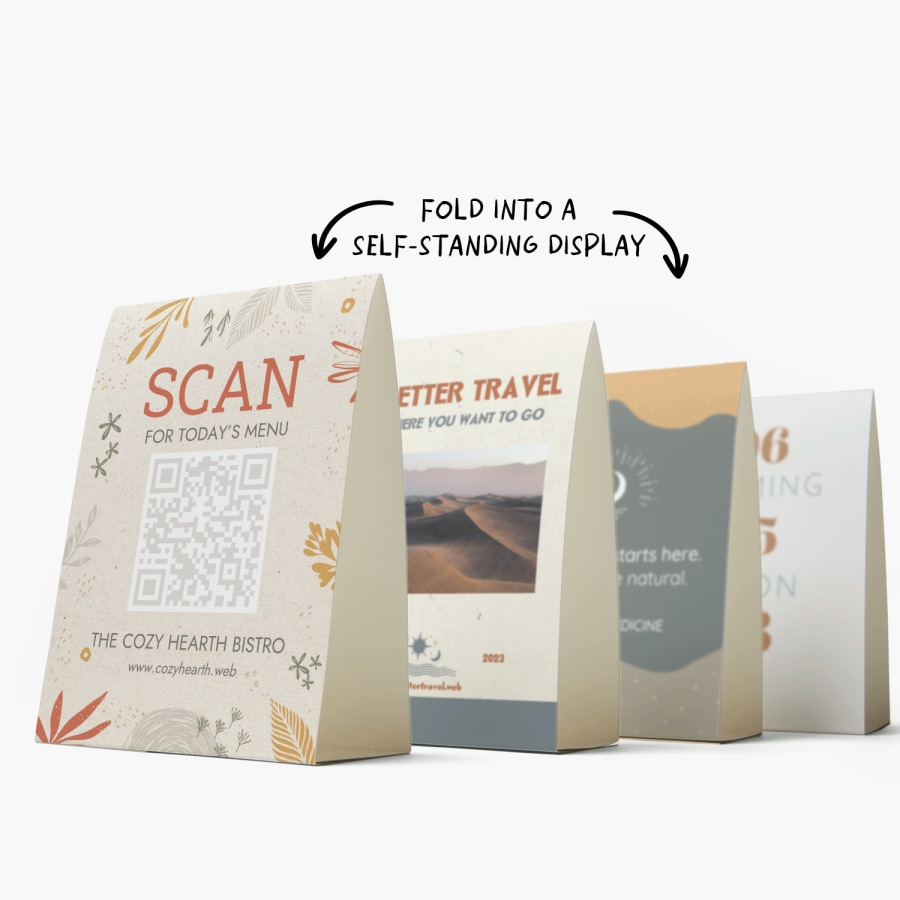
Folded table tents have a crease or fold that helps them stand up on tables. They are stable and easy to place.
Flat designs lie flat and need a holder or frame to stand. They offer a simple look and can be changed quickly.
| Design Type | Description | Best Use |
| Folded | Pre-folded, stands by itself | Restaurants, cafes |
| Flat | Flat cards needing a holder | Events, trade shows |
Material Options
Table tents come in many materials. Choosing the right one affects look and durability.
- Cardstock: Thick paper, affordable, many colors
- Plastic: Durable and water-resistant
- Acrylic: Clear and sturdy, looks modern
- Wood: Natural feel, good for rustic settings
- Metal: Very strong, used for long-term displays
Design Tips For Impact
Table tents catch attention and share key messages quickly. Good design helps them stand out and communicate clearly.
Use strong colors, clear calls to action, and the right balance of text and images to make your table tents effective.
Using Bold Colors And Fonts
Bold colors and fonts grab attention from a distance. Choose colors that match your brand but also pop on the table.
- Pick contrasting colors for text and background
- Use large fonts for headlines
- Limit font styles to two for readability
- Test color choices in different lighting
Incorporating Clear Calls To Action
Tell viewers what to do next with simple and clear calls to action. Make these stand out on your table tent.
| Call to Action | Example Text |
| Visit | Visit Our Website |
| Call | Call for a Free Quote |
| Order | Order Today |
| Join | Join Our Newsletter |
Balancing Text And Images
Good balance keeps the table tent easy to read and visually pleasing. Use images to support your message, not crowd it.

Use one clear image that matches your message. Avoid too many pictures that distract readers.
Placement Strategies
Table tents are small signs that sit on tables. They show messages, menus, or promotions. Choosing the right place for table tents helps them get noticed.
Good placement makes the message clear and easy to read. It also fits with the setting and other marketing tools.
High-traffic Areas
Put table tents where many people pass by or stop. This can be near entrances, waiting areas, or checkout counters. These spots give the best chance for people to see the tents.
- Reception desks
- Restaurant tables
- Lobby counters
- Retail checkout lines
- Event registration desks
Complementing Other Marketing Materials
Table tents work well with flyers, posters, or digital screens. Place them close to these materials to reinforce the message. This helps customers remember the offer or event.
| Marketing Material | Table Tent Placement |
| Flyers | Near flyer racks or tables |
| Posters | On tables below or beside posters |
| Digital Screens | On counters near screens |
| Brochures | Next to brochure stands |
Seasonal And Event-based Displays
Change table tents based on seasons or events. Use bright colors for holidays or special offers. Put tents on tables where people gather during these times.
- Holiday parties: dining tables and buffet areas
- Sporting events: concession stands and fan zones
- Seasonal sales: checkout counters and display tables
- Festivals: information booths and seating areas
Measuring Effectiveness
Table tents are small signs placed on tables to catch attention. They share messages or offers with customers. Measuring their effectiveness helps businesses know if they work well.
Tracking how customers interact with table tents shows if the message reaches them. Gathering feedback gives ideas to improve the design. Adjusting designs based on results makes table tents more useful.
Tracking Customer Engagement
Watching how customers notice and use table tents shows how well they work. You can count how many people read or act on the message.
- Use unique codes or coupons on table tents to track use
- Ask staff to note customer questions about the tent
- Observe if customers spend more time at tables with tents
- Check sales of promoted items during tent display
Gathering Feedback
Getting opinions from customers and staff helps improve table tents. Feedback shows what works and what does not.
- Ask customers if they saw or liked the table tent
- Use short surveys or comment cards near tables
- Talk to servers and staff about customer reactions
- Check social media for mentions of the table tent message
Adjusting Designs Based On Results
Change table tent designs after studying engagement and feedback. Small changes can make a big difference.
- Use clearer text or bigger fonts if customers miss the message
- Add images or colors that attract attention
- Change offers if they do not drive sales
- Test new designs and compare results to old ones
Common Mistakes To Avoid
Table tents are small, folded cards placed on tables. They share information or promote offers. Many people make errors that reduce their impact.
Knowing common mistakes helps you create better table tents. Avoiding these errors improves visibility and reader interest.
Overcrowded Design
Too much text or images can confuse readers. A crowded design makes it hard to focus on the message. Simple layouts work best.
- Limit the text to key points only
- Use clear, readable fonts
- Include enough white space
- Use one or two images at most
Ignoring Target Audience
Knowing who will see your table tent is important. Messages should match their interests and needs. Ignoring this causes poor engagement.
| Audience Type | Design Tip | Message Focus |
| Families | Bright colors and fun fonts | Kids’ meals and family deals |
| Business Clients | Clean, professional look | Meeting packages and services |
| Students | Bold fonts and trendy colors | Discounts and quick snacks |
Poor Quality Materials
Using cheap paper or weak folds makes table tents look unprofessional. They may tear or fall over easily. Good materials last longer.
- Choose thick cardstock for durability
- Use water-resistant coatings if needed
- Test folds to ensure stability
- Print with high-quality ink for clarity
Successful Brand Examples
Table tents are small, folded cards placed on tables to share messages. Brands use them to promote products or events.
Here are some brands that use table tents well to engage customers and boost sales.
Starbucks
Starbucks uses table tents to show new drinks or seasonal offers. Their designs are bright and easy to read.
They place the tents near the cups to catch customers’ attention while they wait.
Mcdonald’s
McDonald’s uses table tents to promote meal deals and new menu items. The tents have clear images and simple text.
They often include coupons or QR codes for discounts to encourage purchases.
Olive Garden
Olive Garden places table tents to highlight specials and wine pairings. Their tents match the restaurant’s warm style.
These tents help customers choose meals and drinks that go well together.
Best Western
Best Western uses table tents in hotel lobbies and rooms. They share local events and hotel services.
The tents guide guests to dining or entertainment options nearby.
Panera Bread
Panera Bread uses table tents to show limited-time bakery items and coffee blends. Their tents have clear photos and short descriptions.
This helps customers try new products without asking staff.
Tips For Diy Table Tents
Table tents are small displays that stand on tables. They show messages, menus, or promotions. Making your own table tents can save money and add a personal touch.
Below are some tips to help you create table tents that look great and work well for your needs.
Choosing Templates
Pick a template that fits the purpose of your table tent. Templates can be simple or fancy depending on your style.
- Use a template with the right size for your table
- Choose designs that match your theme or brand
- Look for templates with clear text areas
- Pick fold lines and cut marks to make assembly easy
Printing At Home Vs Professional
You can print table tents at home or use a professional service. Each option has pros and cons.
| Printing Option | Advantages | Disadvantages |
|---|---|---|
| At Home | Quick, low cost, easy changes | Lower quality, limited paper types |
| Professional | High quality, durable materials | Higher cost, longer wait time |
Easy Assembly Methods
Assembling table tents can be simple. Use tools and tricks to save time and avoid mistakes.
- Score fold lines lightly before folding
- Use a bone folder or ruler edge for sharp creases
- Try double-sided tape for clean joins
- Glue sticks work but take longer to dry
- Test one tent before doing many
Credit: www.vistaprint.ca
Frequently Asked Questions
What Are Table Tents Used For?
Table tents are small promotional displays placed on tables. They are often used in restaurants, cafes, and events to highlight specials, promotions, or important information. Their strategic placement ensures they catch the attention of customers, making them an effective marketing tool.
How Do Table Tents Benefit Businesses?
Table tents provide a cost-effective advertising solution. They grab customer attention without being intrusive. By displaying promotions, they can increase sales and customer engagement. Additionally, they can convey important information, enhancing the overall customer experience and supporting brand recognition.
What Materials Are Table Tents Made From?
Table tents are typically made from durable materials like cardstock, plastic, or acrylic. These materials ensure longevity and withstand frequent handling. The choice of material can also influence the table tent’s appearance, making it more attractive and effective in catching the eye.
How Can I Design Effective Table Tents?
To design effective table tents, focus on clear, concise messaging and eye-catching visuals. Use bold colors and attractive images to draw attention. Ensure the text is readable and the call-to-action is prominent. A well-designed table tent can effectively convey your message and achieve your marketing goals.
Conclusion
Table tents catch attention and share important information easily. They work well in restaurants, cafes, and events. You can use them to show menus, promotions, or directions. Their small size makes them easy to place on tables or counters. Designing clear, simple messages helps people understand quickly.
Table tents offer a smart way to communicate with customers face-to-face. Try using them to make your space more inviting and informative. They bring value without much effort or cost. A simple tool with many uses.