
Are you thinking about getting a Subaru Forester but unsure which model year offers the best value and reliability? Choosing the right year can save you money, avoid headaches, and give you peace of mind every time you hit the road.
You’ll discover which Forester years stand out for performance, safety, and overall satisfaction. Keep reading to find out how to pick the perfect Forester that fits your needs and budget. Your next great adventure starts with the right choice.
Best Subaru Forester Models
The Subaru Forester has earned its place among top SUVs. Known for reliability and ruggedness, it appeals to adventure seekers and families alike. But not all Forester models are equal. Some years stand out for their features, performance, and value.
Top Picks By Year
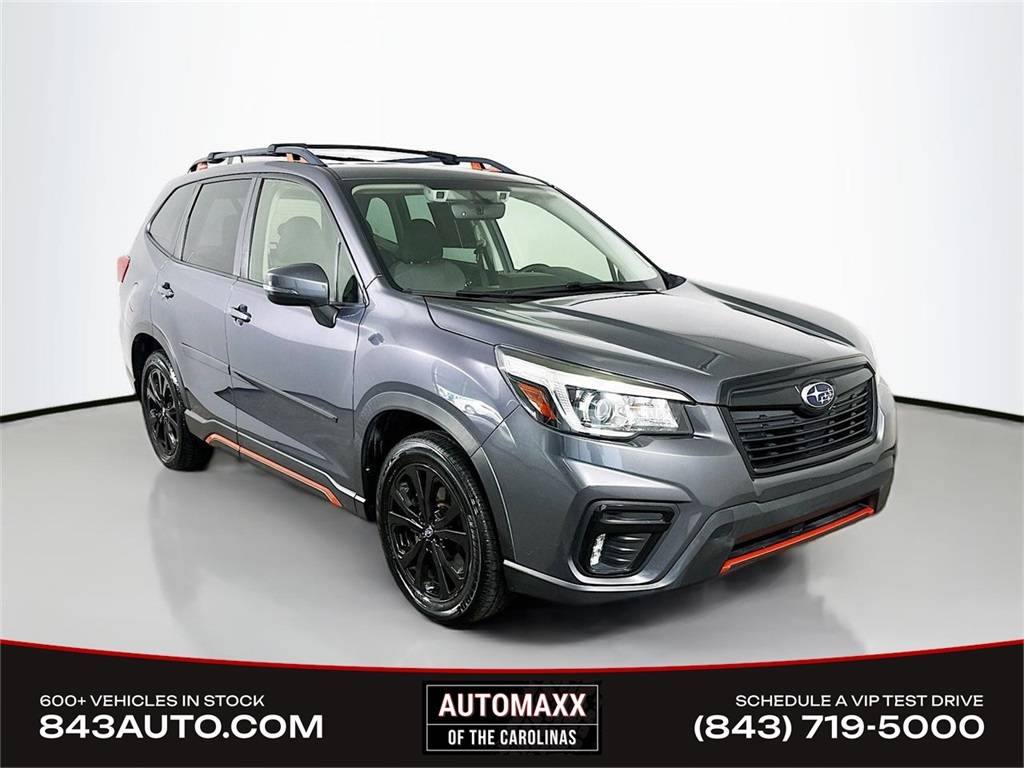
Certain years of the Subaru Forester shine brighter than others. Enthusiasts and experts often point to models from 2014, 2016, and 2018. These years offer a blend of innovation and dependability. They feature improvements in safety and technology.
- 2014:Introduced a new design, offering better handling and comfort.
- 2016:Known for enhanced safety features, making it a family favorite.
- 2018:Combined advanced tech with an efficient engine.
Why These Years Stand Out
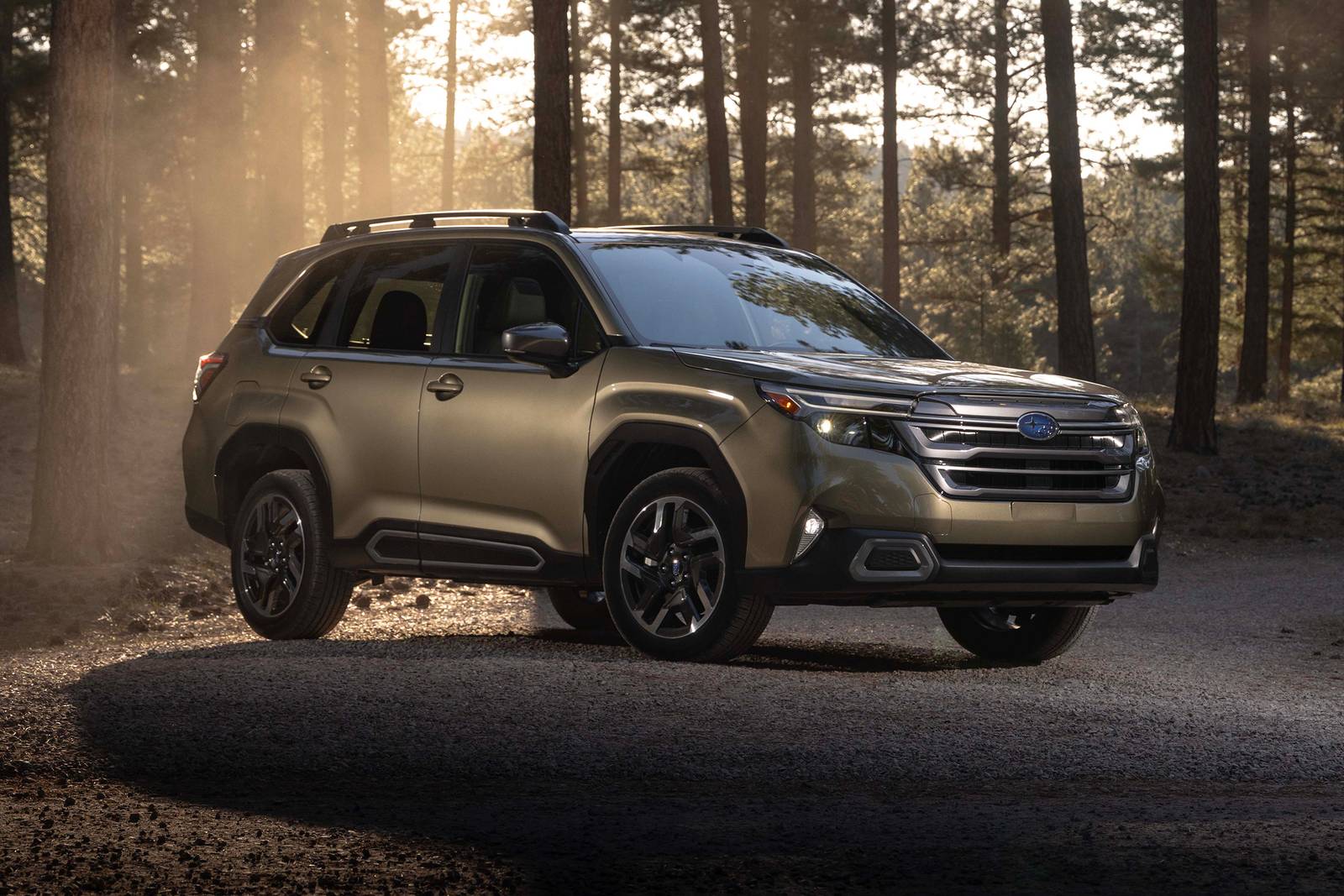
The 2014 Forester introduced a fresh design. It had improved aerodynamics and a spacious interior. Drivers appreciated its fuel efficiency and smooth ride.
The 2016 model focused on safety. It included features like EyeSight Driver Assist. This made it a top choice for safety-conscious buyers.
In 2018, Subaru added more tech features. These included a responsive touchscreen and smartphone integration. This made the Forester a favorite among tech-savvy drivers.
Each of these years brought something special to the table. They combined reliability with modern features. This made them standout choices in the Forester lineup.
Credit: www.consumerreports.org
Performance And Reliability
Performance and reliability stand at the core of the Subaru Forester’s appeal. Many drivers trust this SUV for daily use and long trips. Its balance of power and durability makes certain model years stand out.
Foresters deliver a smooth ride and maintain strong performance over time. Understanding the engine and powertrain details helps identify the best years. Equally important is knowing common issues and practical fixes for each generation.
Engine And Powertrain Highlights
Foresters typically feature a Boxer engine, known for its low center of gravity. This design improves stability and handling. Many models include a continuously variable transmission (CVT) or a traditional automatic option.
- 2014-2018: Introduced a more efficient 2.5L engine with better fuel economy.
- 2019-Present: Added turbocharged options for more power and responsiveness.
- Earlier models (2009-2013): Used reliable naturally aspirated engines with solid torque.
Subaru’s all-wheel-drive system is standard, enhancing traction in all conditions. This setup adds to the Forester’s performance and reliability reputation.
Common Issues And Fixes
Some Forester years have known issues, but most are manageable. Regular maintenance prevents many problems.
- Head gasket leaks in 2003-2008 models; fix with timely gasket replacement.
- Oil consumption concerns in 2014-2018 engines; monitor oil levels frequently.
- CVT transmission issues in 2019 and newer; follow Subaru’s service schedule strictly.
Many problems have straightforward fixes. Early repairs improve the vehicle’s lifespan. Forester’s strong build quality means it often runs well past 200,000 miles.
Safety Features Over The Years
Safety features in the Subaru Forester have improved significantly over the years. Each model year brought new technologies and better protection for drivers and passengers. These upgrades make certain years stand out as safer choices for buyers.
Crash Test Ratings
The Forester consistently scores well in crash tests by agencies like IIHS and NHTSA. Models from 2014 onward show major improvements in crashworthiness. The 2019 and newer models often receive top safety picks.
- 2014-2018 models achieved good front and side crash ratings.
- 2019 and later models earned higher scores for rollover resistance.
- Newer Foresters scored better in small overlap front crash tests.
These ratings highlight the brand’s focus on structural strength and occupant protection.
Advanced Safety Technologies
Subaru introduced EyeSight Driver Assist in 2014. This system includes adaptive cruise control, lane departure warning, and pre-collision braking.
- 2014-2018 Foresters offer basic EyeSight features.
- From 2019, EyeSight became standard on most trims.
- Newer models added driver monitoring and improved radar sensors.
- Blind-spot detection and rear cross-traffic alert arrived in later years.
These technologies help prevent accidents and improve overall safety on the road.
Credit: www.edmunds.com
Fuel Efficiency Trends
Fuel efficiency is a key factor many Subaru Forester buyers consider before making a purchase. Over the years, Subaru has made noticeable improvements in this area, balancing power and economy. Understanding these trends can help you choose a Forester that saves you money at the pump without sacrificing performance.
Comparing Mpg Across Models
Different Forester models offer varying miles per gallon (MPG), influenced by engine type, drivetrain, and model year. Older Foresters from the early 2010s typically average around 20-25 MPG combined, while recent models push closer to 29-33 MPG.
| Model Year | Engine Type | City MPG | Highway MPG | Combined MPG |
|---|---|---|---|---|
| 2012 Forester | 2.5L Naturally Aspirated | 22 | 28 | 24 |
| 2018 Forester | 2.5L Naturally Aspirated | 26 | 33 | 29 |
| 2023 Forester | 2.5L Naturally Aspirated | 27 | 33 | 29 |
Notice how the MPG improvements are more about fine-tuning than big leaps. This shows Subaru’s steady work on making every drop of fuel count. Have you thought about how much fuel savings could add up over several years?
Eco-friendly Options
Subaru has started to add eco-friendly choices within the Forester lineup to meet growing demand for greener vehicles. The introduction of the Forester e-BOXER hybrid system brings a blend of electric assistance and gasoline power that enhances fuel economy, especially in city driving.
- The Forester e-BOXER offers better MPG ratings compared to traditional models.
- It reduces emissions without compromising Subaru’s signature all-wheel drive performance.
- Regenerative braking helps recharge the hybrid battery during stops, making your drive more efficient.
Choosing an eco-friendly Forester isn’t just about saving fuel. It’s about taking a step toward reducing your carbon footprint while enjoying the same rugged capability. Could this hybrid option be the smart middle ground for your next SUV?
Interior And Comfort Upgrades
The Subaru Forester has seen steady improvements in interior quality and comfort over the years. Each model year brings new features that enhance the driving experience. The cabin feels more spacious and refined in recent versions. Comfort upgrades make long drives easier and more enjoyable. Understanding these changes helps pick the best Forester year for your needs.
Cabin Features By Model Year
Early Forester models offered basic interiors with durable materials. Over time, Subaru added softer surfaces and better seat cushioning. By 2014, models included optional leather seats and heated front seats. The 2019 Forester introduced a more modern design with premium upholstery. Rear passenger space also increased slightly in newer models.
- 2009-2013: Cloth seats, manual climate control
- 2014-2018: Leather options, dual-zone climate control
- 2019 and later: Improved materials, panoramic sunroof
Tech And Infotainment Enhancements
Technology in the Forester has evolved quickly. Early models had basic radios and CD players. Touchscreen displays arrived around 2014, improving usability. Subaru’s Starlink system debuted in 2017 with smartphone integration. The 2020 Forester features a larger 8-inch touchscreen and wireless Apple CarPlay. Advanced driver aids also improved comfort and convenience.
- Pre-2014: Simple audio, no touchscreen
- 2014-2016: 6.2-inch touchscreen, Bluetooth
- 2017-2019: Starlink system, Apple CarPlay, Android Auto
- 2020 and newer: 8-inch screen, wireless connectivity
Credit: www.edmunds.com
Resale Value And Ownership Costs
Understanding resale value and ownership costs is key when choosing the best Subaru Forester years. These factors affect long-term satisfaction and financial sense. A model that holds value well saves money. Lower ownership costs make daily driving easier and less stressful.
Depreciation Rates
Depreciation shows how much value a Forester loses over time. Subaru Foresters generally keep their value better than many SUVs. Models from 2014 to 2018 tend to have slower depreciation. Buyers prefer these years because they balance age and features well.
Newer models lose more value in the first few years. Older Foresters have already dropped most of their value. Choosing a slightly used Forester can reduce losses. It offers a good mix of price and retained value.
Maintenance And Repair Expenses
Maintenance costs vary by model year and mileage. Foresters from 2016 and later often have fewer repair issues. They benefit from improved technology and design updates. Regular oil changes and tire rotations keep costs low.
Older models may need more repairs as parts wear out. Common repairs include brakes, suspension, and timing belt replacements. Choosing Foresters with full service history reduces surprises. Subaru parts are affordable, and many mechanics know the model well.
User Reviews And Ratings
User reviews and ratings offer real insights into the Subaru Forester’s best years. They reflect everyday experiences from owners who drive these cars daily. These opinions help identify models with fewer problems and better satisfaction. Let’s explore what owners and experts say about the Forester.
Owner Satisfaction
Many Subaru Forester owners express high satisfaction with their vehicles. They praise the car’s reliability and safety features. Fuel efficiency and comfortable seating also receive positive feedback.
- Older models like 2014 and 2015 have strong reliability reports.
- 2019 and 2020 models get praise for updated technology and safety.
- Some users report minor issues with infotainment in newer models.
- Owners appreciate the Forester’s smooth handling and spacious interior.
Overall, owners rate the Forester highly for daily driving and family use.
Expert Opinions
Experts highlight certain Forester years as standouts. They focus on safety, performance, and build quality. Models from 2017 to 2020 often receive top marks for reliability and features.
- Experts note the 2018 Forester for its advanced safety systems.
- 2016 models get credit for strong engine performance and durability.
- Later models improve fuel economy with newer engines.
- Critics mention the 2013 Forester for its solid value but fewer tech updates.
Expert ratings align closely with owner satisfaction, highlighting the best model years.
Choosing The Right Year For You
Choosing the right year for a Subaru Forester depends on several important factors. Each model year offers different features, reliability, and pricing. Understanding what fits your needs will help you make a smart choice.
Think about what matters most to you in a vehicle. Some years may have better safety features, while others offer improved fuel efficiency or newer technology. Your budget and lifestyle also play key roles in picking the best year.
Budget Considerations
Price is often the first factor to consider. Older Forester models cost less but may need more maintenance. Newer models have higher prices but come with updated features and warranty options.
- Older models: Lower price, possible higher repair costs
- Mid-range years: Balanced cost and modern features
- Newest models: Higher price, latest technology, and safety
Think about long-term expenses like fuel, insurance, and repairs. Choose a year that fits your overall budget, not just the purchase price.
Usage And Lifestyle Factors
How you plan to use the Forester affects which year suits you best. For daily commuting, newer models with better fuel economy might be ideal. For off-road adventures, look for years with stronger suspension and all-wheel-drive improvements.
- City driving: Focus on comfort and fuel efficiency
- Family use: Prioritize safety features and space
- Outdoor activities: Consider ruggedness and cargo capacity
Match the Forester’s features to your lifestyle needs for the best experience on the road.
Frequently Asked Questions
Which Subaru Forester Years Are Most Reliable?
The 2014 to 2018 Subaru Forester models are highly reliable. They offer improved safety, fuel efficiency, and fewer mechanical issues. These years balance performance and value, making them top picks for used car buyers seeking dependability and modern features.
What Years Have The Best Fuel Efficiency?
Subaru Forester models from 2017 to 2020 feature the best fuel efficiency. These years include updated engines and lighter designs. They deliver better mileage without sacrificing power, ideal for drivers looking to save on fuel costs while enjoying all-wheel drive.
Are Older Subaru Foresters Worth Buying?
Older Foresters, especially from 2010 to 2013, remain popular for affordability and ruggedness. However, they may require more maintenance. They suit buyers on a budget who want a reliable SUV with proven performance but should consider potential repair costs.
Which Forester Model Years Have Top Safety Ratings?
Models from 2017 onwards have top safety ratings from IIHS and NHTSA. These years introduced advanced safety features like EyeSight driver assist. Choosing these models ensures better protection for drivers and passengers in crash tests and real-world scenarios.
Conclusion
Choosing the best years for a Subaru Forester depends on your needs. Some models offer better reliability, while others shine in features. Older Foresters can be budget-friendly but may lack modern tech. Newer models provide safety and comfort improvements. Think about what matters most: fuel economy, performance, or safety.
Each year has its strengths. Take time to research and test drive. This will help you find the perfect Forester for your lifestyle and budget.