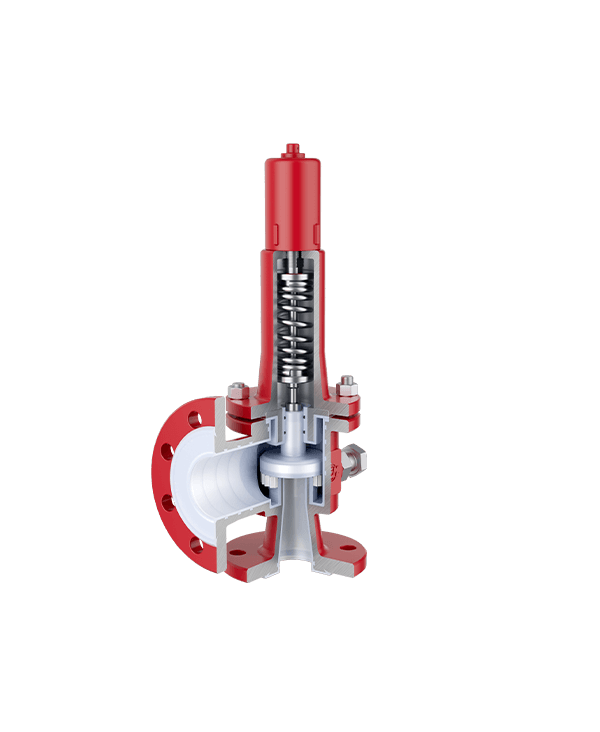
Have you ever wondered what keeps your pressure cooker safe while cooking? The secret lies in one small but powerful part: the spring-loaded safety valve.
This tiny component plays a huge role in protecting you and your kitchen from pressure buildup. Understanding what makes up this valve can help you use your pressure cooker with more confidence and care. You’ll discover the key parts of the spring-loaded safety valve and why each one matters for your safety.
Keep reading to learn how this simple mechanism works to keep your meals—and you—safe every time.
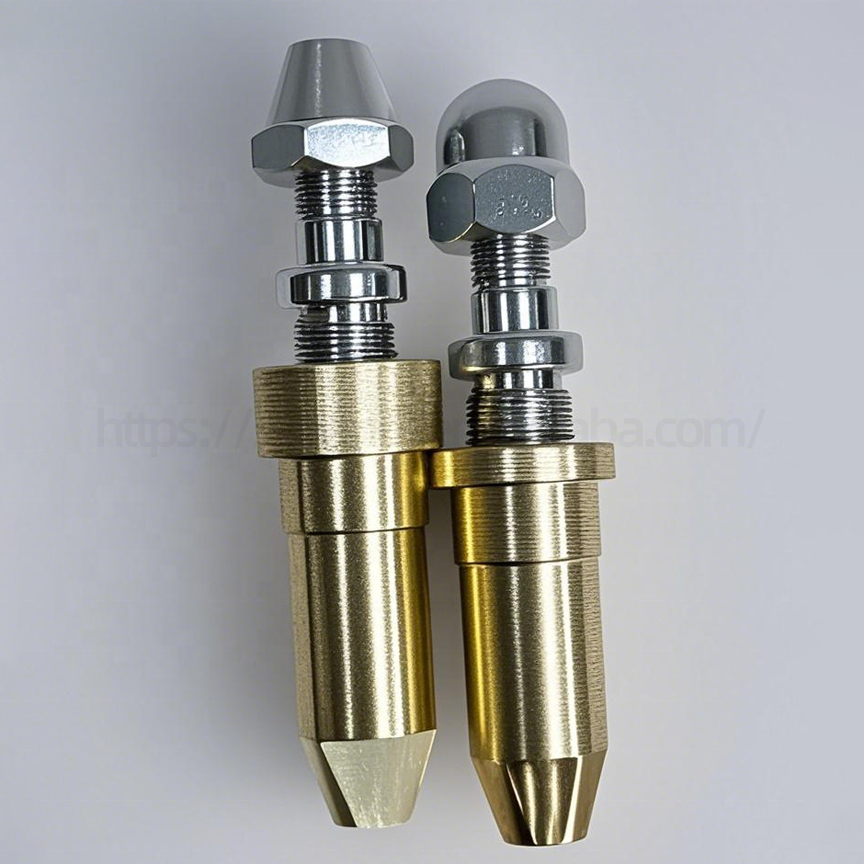
Credit: www.alibaba.com
Pressure Cooker Safety Valve Basics
The spring-loaded safety valve is a key part of a pressure cooker. It helps keep the cooker safe by controlling pressure inside the pot.
This valve works automatically to release extra steam. It stops the cooker from building too much pressure, which can be dangerous.
Role In Pressure Control
The safety valve keeps the pressure at a safe level. It opens when the pressure gets too high. This lets steam escape and lowers the pressure inside.
- Seals tightly under normal pressure
- Releases steam when pressure is too high
- Prevents pressure cooker from exploding
- Keeps cooking pressure steady for good results
Importance For User Safety
Safety valves protect users from accidents. They stop dangerous pressure build-up. This reduces the risk of burns or injuries.
| Component | Safety Function |
| Spring | Keeps valve closed until pressure is high |
| Valve Seat | Seals the cooker tightly |
| Release Port | Lets steam out safely |
| Cap | Protects valve from dirt and damage |
Spring Mechanism
The spring mechanism is a key part of a pressure cooker’s safety valve. It controls pressure inside the cooker by opening and closing the valve. This helps keep cooking safe.
The spring pushes the valve shut. When pressure builds up, the spring compresses. This lets steam escape and stops pressure from rising too high.
Function Of The Spring
The spring keeps the safety valve closed under normal pressure. It reacts to pressure changes inside the cooker. When pressure is too high, the spring compresses. This opens the valve to release steam.
- Maintains pressure by holding the valve shut
- Releases steam if pressure exceeds safe limits
- Prevents accidents from excess pressure
- Ensures smooth cooking by controlling steam release
Types Of Springs Used
Different springs are used in pressure cooker valves. They vary by material and shape. The choice depends on the pressure level and cooker design.
| Type of Spring | Material | Common Use |
| Coil Spring | Steel | Most pressure cookers |
| Leaf Spring | Steel strips | Older models |
| Disc Spring | Hardened steel | High-pressure cookers |
Valve Body
The valve body is a key part of the pressure cooker spring-loaded safety valve. It holds the valve parts together. It controls steam release to keep pressure safe.
The valve body must be strong and fit well. It helps the valve work without leaks or failures.
Material And Design
The valve body is made from strong metals like stainless steel or brass. These materials resist heat and pressure. They also stop rust and corrosion.
The design is simple but effective. It includes a hollow shape to hold the spring and valve parts. The surface is smooth to seal tightly. It often has small holes or channels to guide steam.
- Stainless steel: strong and rust-resistant
- Brass: durable and heat resistant
- Hollow shape for valve parts
- Smooth surface for tight sealing
- Channels for steam flow
Connection To Pressure Cooker Lid
The valve body connects firmly to the pressure cooker lid. It fits into a hole or socket on the lid. This keeps the valve stable during cooking.
The connection uses threads or a locking system. This stops steam leaks and holds the valve in place. A good fit is important for safety and pressure control.
- Fits into lid hole or socket
- Uses threads or locking parts
- Prevents steam leaks
- Keeps valve stable during use
- Ensures safe pressure control
Seal Components
The spring-loaded safety valve in a pressure cooker relies on seal components to keep it safe. These parts stop steam from escaping. They help maintain the right pressure inside the cooker.
Two main seal components are gaskets and O-rings. They fit tightly to block leaks. Understanding their role helps you keep your pressure cooker working well.
Gaskets And O-rings
Gaskets and O-rings are made of rubber or silicone. They create a strong seal around the valve and lid. This seal stops steam from escaping during cooking.
- Gaskets:These are flat rings that fit in a groove on the lid. They press tightly against the pot to block steam.
- O-rings:These are circular seals that fit around valve parts. They provide extra protection against leaks.
- Material:Both are heat-resistant and flexible. This helps them keep their shape under pressure.
- Maintenance:Regular cleaning prevents damage. Replace them if cracked or hardened.
Ensuring Airtight Pressure
Airtight pressure depends on proper sealing. The gasket and O-ring must fit well and stay intact. Even small damage can cause steam to leak.
| Seal Part | Function | Care Tips |
|---|---|---|
| Gasket | Blocks steam between lid and pot | Clean after use, check for cracks |
| O-ring | Seals valve parts tightly | Inspect regularly, replace if worn |
Pressure Release Orifice
The pressure release orifice is a small opening in the pressure cooker’s spring-loaded safety valve. It allows steam to escape when the pressure inside is too high. This part helps keep the cooker safe by stopping pressure from building up too much.
This orifice works with other parts to control pressure. It opens when needed and closes tightly to keep steam inside. Its size and shape are very important for safety and function.
Size And Shape Importance
The size of the pressure release orifice must be just right. If it is too big, too much steam escapes. This can make cooking slow or uneven. If it is too small, pressure may build dangerously high.
The shape also affects how steam flows out. A smooth, round shape helps steam escape smoothly. Sharp edges or irregular shapes can block steam or cause wear on the valve. Both size and shape help the valve work well and last longer.
- Correct size keeps pressure safe and steady
- Proper shape allows smooth steam release
- Prevents damage to the safety valve parts
Role In Regulating Pressure
The pressure release orifice controls the steam that leaves the cooker. It opens when pressure gets too high. This stops pressure from rising to dangerous levels. When pressure drops, the orifice closes again to keep steam inside.
This action protects the cooker and the user. It works with the spring and other parts to keep cooking safe. The orifice lets the cooker maintain the right pressure for fast and safe cooking.

Credit: dejia-pipefitting.en.made-in-china.com
Spring Adjustment Mechanism
The spring adjustment mechanism controls when the pressure cooker releases steam.
This part ensures the cooker stays safe by opening only at set pressures.
Adjusting Pressure Threshold
The spring tension sets the pressure level for the valve to open.
- Turn the adjustment screw to increase or decrease spring tension.
- Higher tension means higher pressure before steam releases.
- Lower tension means the valve opens at lower pressure.
- Use the correct tool to avoid damaging the mechanism.
- Test the pressure cooker after adjustment to ensure safety.
Safety Considerations
Improper adjustment can cause dangerous pressure build-up or leaks.
| Risk | Cause | Prevention |
| Pressure too high | Spring too tight | Adjust tension carefully |
| Pressure too low | Spring too loose | Check valve opens properly |
| Valve damage | Wrong tools used | Use correct screwdrivers |
| Steam leaks | Worn valve parts | Replace parts regularly |
Maintenance And Inspection
The spring-loaded safety valve is key for pressure cooker safety. Regular checks keep it working well.
Inspect and clean the valve often. This prevents problems and extends the valve’s life.
Checking For Wear And Tear
Look closely at the valve parts for damage or wear. This includes the spring and sealing ring.
- Check the spring for rust or loss of tension.
- Inspect the sealing ring for cracks or deformation.
- Make sure the valve moves freely without sticking.
- Look for dents or damage on the valve body.
- Replace any worn or broken parts immediately.
Cleaning Tips For Longevity
Clean the valve to remove food residue and dirt. Use mild soap and warm water only.
| Cleaning Step | Description |
| Disassemble | Take apart the valve carefully before cleaning. |
| Soak | Soak parts in warm soapy water for 10 minutes. |
| Scrub | Use a soft brush to clean the spring and ring. |
| Rinse | Rinse all parts thoroughly with clean water. |
| Dry | Dry parts completely to avoid rust or damage. |
| Reassemble | Put the valve back together before use. |

Credit: aeavalve.en.made-in-china.com
Frequently Asked Questions
What Is The Function Of A Safety Valve?
The safety valve in a pressure cooker releases excess pressure to prevent accidents. It ensures safe cooking by maintaining optimal pressure levels. This component is crucial for preventing explosions or malfunctions. Regular maintenance and checks are essential for its effectiveness.
Always ensure the valve is clean and functional.
How Does A Spring-loaded Valve Work?
A spring-loaded valve uses a spring mechanism to control pressure release. When pressure exceeds safe limits, the spring compresses, allowing steam to escape. This helps maintain the cooker’s internal pressure at safe levels. The mechanism resets automatically when pressure normalizes, ensuring continuous safety during cooking.
Why Is Regular Maintenance Important For Safety Valves?
Regular maintenance ensures the safety valve functions correctly and prevents pressure buildup. Cleaning and inspecting the valve for blockages or wear enhances safety. A well-maintained valve reduces the risk of accidents. Regular checks ensure longevity and reliability, providing peace of mind during pressure cooking.
Can A Faulty Valve Affect Cooking Results?
Yes, a faulty valve can lead to improper pressure levels, affecting cooking results. It may cause overcooking or undercooking. Ensuring the valve is functional maintains consistent pressure, leading to better cooking outcomes. Regularly inspect and replace faulty valves to ensure optimal performance and safety.
Conclusion
The spring-loaded safety valve has simple but important parts. Each part works to keep the cooker safe. The spring controls pressure by opening and closing the valve. The sealing ring stops steam from escaping. The valve body holds everything tightly.
Knowing these parts helps you understand how pressure cookers work. It also helps you use them safely every time. Always check the valve before cooking to avoid accidents. Safety comes first with these small but crucial components.