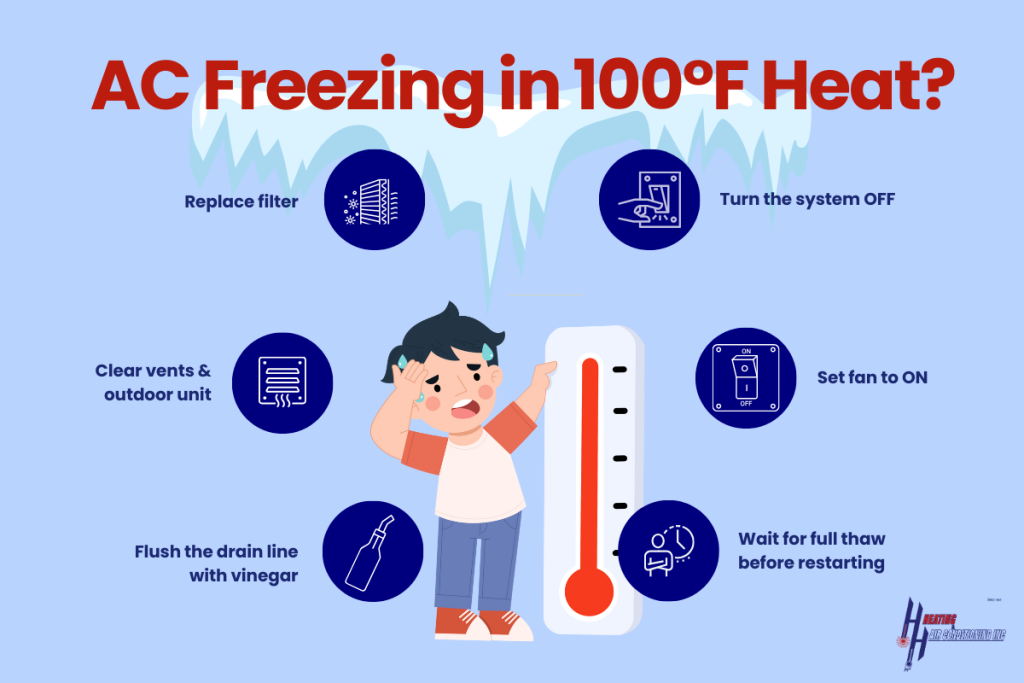
Have you ever switched on your air conditioner only to find it covered in ice? It’s frustrating, isn’t it?
When your AC freezes up, it not only stops cooling your home but can also lead to costly repairs. Understanding what causes your air conditioner to freeze up is the first step to fixing the problem and keeping your home comfortable.
You’ll discover the common reasons behind a frozen AC and what you can do to prevent it from happening again. Keep reading—you don’t want to miss these simple tips that could save you time and money.
Credit: blog.bestbuy.ca
Common Causes Of Ac Freeze Up
An air conditioner can freeze up for several reasons. This problem stops the AC from working well. Understanding why it freezes helps fix it faster.
Below are common causes that make air conditioners freeze. Each cause affects the system in a different way.
Restricted Airflow Issues
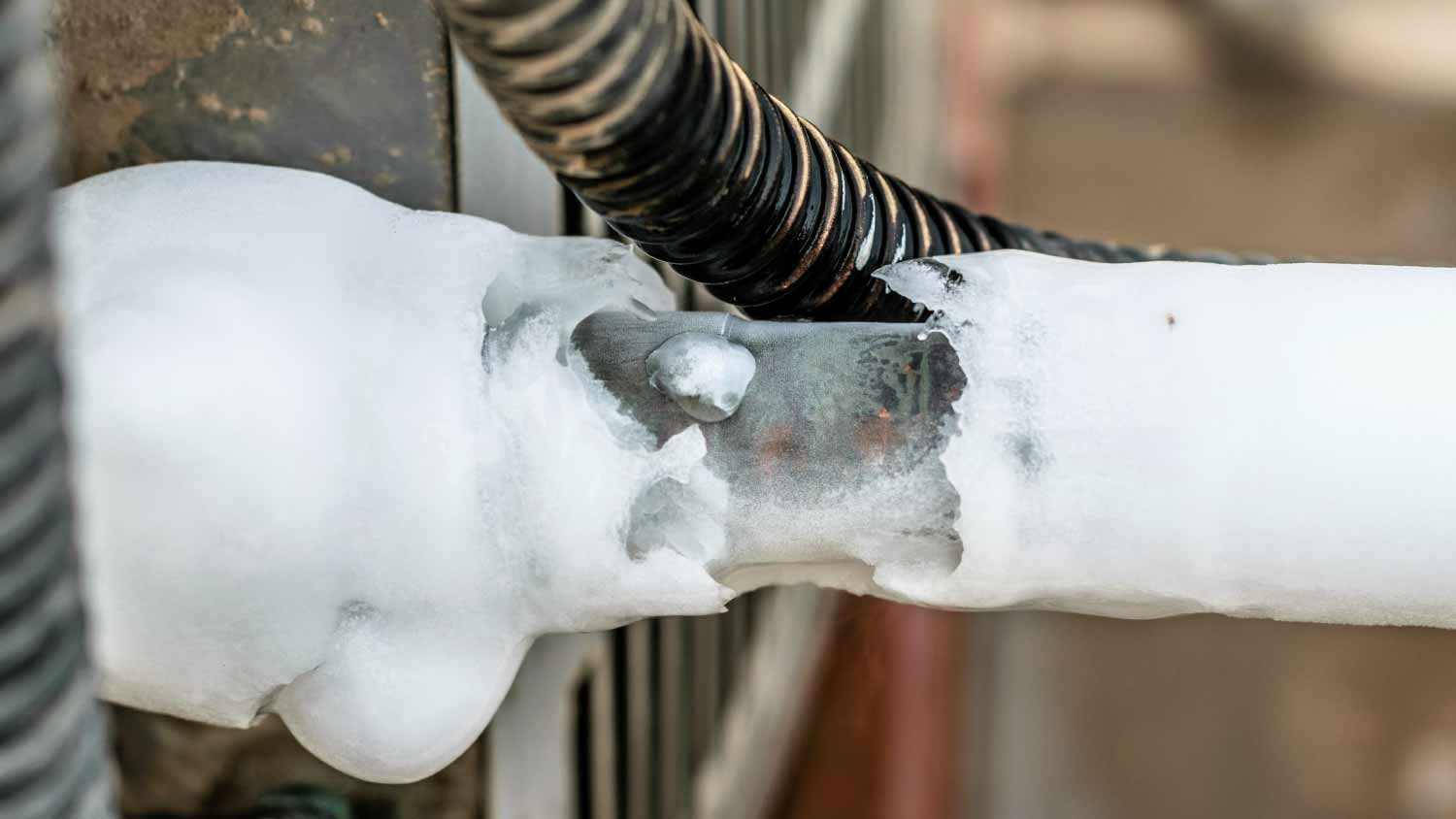
Air needs to flow freely through the AC for it to cool properly. When airflow is blocked or limited, ice can build up on the coils.
Blocked vents, closed registers, or dirty fans can cause restricted airflow. Without enough air, the evaporator coil gets too cold and freezes.
Low Refrigerant Levels
Refrigerant helps the AC absorb heat from your home. If the refrigerant is low, the pressure drops inside the system.
Low pressure causes the evaporator coil to get too cold, which makes ice form on the coil and pipes.
Thermostat Problems
The thermostat controls when the AC turns on and off. If it does not work right, the AC can run too long or too little.
Long run times cause the coil to become very cold and freeze. Faulty sensors or wrong settings can lead to this issue.
Dirty Air Filters
Air filters catch dust and dirt before air reaches the AC system. Dirty filters block airflow and reduce cooling efficiency.
When filters are clogged, less air passes over the coil. This makes the coil temperature drop and ice to form.
Blocked Evaporator Coil
The evaporator coil absorbs heat from inside the house. Dirt, dust, or debris on the coil stops it from working well.
A blocked coil cannot absorb heat properly. This causes the coil to get too cold and freeze over time.
Credit: www.angi.com
Environmental Factors
Environmental factors can make an air conditioner freeze up. These factors affect how well the unit works. Knowing them helps prevent damage.
Two main environmental causes are high humidity and extreme outdoor temperatures. Both can cause ice to form on the AC coils.
High Humidity Effects
High humidity means there is a lot of moisture in the air. This moisture can freeze on the air conditioner’s coils. When moisture freezes, it blocks airflow and cools less.
When the air conditioner runs in very humid places, ice builds up faster. This stops the unit from working well and can cause damage.
- Moist air freezes on coils
- Ice blocks airflow
- Cooling power decreases
- Possible damage to parts
Extreme Outdoor Temperatures
Very hot or very cold weather affects air conditioners. In cold weather, the unit may freeze because the coils get too cold. In hot weather, the unit works harder and may freeze if airflow is poor.
Extreme temperatures make the AC work less efficiently. Ice can form on the coils or inside the unit. This leads to freezing and poor cooling.
- Cold weather cools coils too much
- Hot weather causes hard work for AC
- Poor airflow leads to freezing
- Unit cools less or stops
Mechanical Failures
Mechanical failures often cause air conditioners to freeze up. These failures affect key parts needed for smooth operation.
Understanding these issues helps prevent damage and keeps your AC running well during hot days.
Fan Motor Malfunctions
The fan motor moves air over the evaporator coils. If it fails, air flow drops. This causes ice to form on the coils.
- Worn bearings can cause the motor to slow or stop
- Electrical problems may stop the motor from running
- Blocked or dirty fan blades reduce air flow
- Loose belts can prevent the fan from spinning properly
Compressor Issues
The compressor pumps refrigerant through the AC system. If it malfunctions, pressure drops and freezing may occur.
| Compressor Problem | Effect on AC | Signs to Watch For |
|---|---|---|
| Refrigerant Leak | Low pressure causes coil freezing | AC cools poorly, hissing sound |
| Electrical Failure | Compressor stops running | AC does not turn on, circuit breaker trips |
| Overheating | Compressor shuts off to protect itself | AC cycles on and off quickly |
Maintenance And Prevention
An air conditioner can freeze up if it does not get proper care. Regular maintenance helps keep it running smoothly. Simple steps can stop freezing problems before they start.
Below are key ways to avoid air conditioner freeze-ups. These focus on keeping the system clean, checked, and set correctly.
Regular Filter Replacement
Dirty filters block airflow. This makes the air conditioner work harder and can cause ice to form. Change filters often to keep air flowing well.
- Check filters every month during heavy use
- Replace filters if they look dirty or clogged
- Use the right size and type of filter
- Clean reusable filters as recommended
Scheduled Professional Inspections
A professional can find problems before they cause freezing. They check refrigerant levels and clean important parts. This helps the system run well all year.
| Service Task | Importance |
| Check refrigerant level | Prevents low coolant and ice |
| Clean coils and fins | Improves heat exchange |
| Inspect fan and blower | Ensures airflow |
| Test system controls | Avoids malfunction |
Proper Thermostat Settings
Setting the thermostat too low can make the system freeze. Keep it at a steady, comfortable temperature. Avoid sudden changes that stress the AC.
- Set temperature no lower than 75°F (24°C) during hot days
- Use programmable thermostats for consistent control
- Do not turn off AC for long periods when it is hot
- Keep thermostat away from direct sunlight or heat sources
Troubleshooting Tips
An air conditioner that freezes up can stop working properly and cause discomfort. Finding the cause early helps avoid bigger problems. This guide helps you spot early signs and try simple fixes before calling a professional.
Knowing what to look for and how to act quickly can save time and money. Follow these tips to keep your AC running smoothly.
Identifying Early Signs
Look for these signs to catch a freezing AC early:
- Ice forming on the indoor evaporator coil
- Reduced airflow from vents
- Unusual noises or dripping water near the unit
- Warm air blowing instead of cool
- Higher electricity bills without increased use
Spotting these signs early helps prevent damage and keeps your home comfortable.
Temporary Fixes Before Repair
Try these quick fixes to reduce freezing until a technician arrives:
| Fix | How to Do It | Why It Helps |
| Turn off the AC | Switch off the unit and let ice melt | Prevents damage from frozen parts |
| Check and replace air filters | Remove dirty filters and install clean ones | Improves airflow to stop freezing |
| Clear vents and registers | Remove objects blocking airflow | Allows air to circulate properly |
| Set thermostat higher | Raise temperature by a few degrees | Reduces strain on the system |
| Use a fan | Turn on ceiling or portable fans | Helps air move around the room |
Credit: cooneyengineeredsolutions.com
Frequently Asked Questions
Why Does My Air Conditioner Freeze Up Suddenly?
Air conditioners freeze up due to restricted airflow, low refrigerant, or dirty coils. These issues cause the evaporator coil to get too cold, leading to ice buildup. Regular maintenance and filter cleaning prevent freezing and improve efficiency.
How Does Low Refrigerant Cause Ac Freezing?
Low refrigerant reduces pressure in the evaporator coil, causing it to become excessively cold. This extreme cold leads to moisture freezing on the coil, resulting in ice formation. Proper refrigerant levels are essential for efficient AC operation.
Can Dirty Air Filters Cause Ac To Freeze?
Yes, dirty filters block airflow, causing the evaporator coil to get too cold. Reduced airflow prevents heat absorption, leading to ice formation on the coil. Regularly replacing or cleaning filters helps maintain proper airflow and prevents freezing.
Does A Malfunctioning Blower Fan Lead To Ac Freezing?
A faulty blower fan limits airflow over the evaporator coil, causing it to freeze. Without sufficient air movement, the coil temperature drops, leading to ice buildup. Repairing or replacing the fan restores airflow and prevents freezing issues.
Conclusion
Air conditioners freeze up for several common reasons. Dirty filters and low airflow often cause ice buildup. Low refrigerant levels also lead to freezing problems. Regular maintenance helps keep your AC running smoothly. Catching issues early saves money and stress later.
Pay attention to your unit’s performance and sounds. Fix small problems before they grow big. A well-kept AC cools your home efficiently. Stay proactive to avoid frozen coils and discomfort. Your comfort depends on a healthy, working air conditioner.