
Is your car’s air conditioner blowing hot air when you need cool relief the most? It’s frustrating, especially on a hot day when you expect comfort inside your vehicle.
You might wonder why this is happening and how to fix it quickly. Understanding what causes your car’s AC to stop working properly can save you time, money, and discomfort. Keep reading to discover the common reasons behind this problem and what you can do to get your cool air back fast.
Common Signs Of Ac Issues
Your car’s air conditioner should keep the cabin cool. If it starts blowing hot air, it means there is a problem.
Recognizing the signs early can help you fix the AC before it gets worse. Here are common signs to watch for.
Warm Air Instead Of Cold
If your AC blows warm air, it may be low on refrigerant or have a leak. The compressor might also be failing.
- Refrigerant leak reduces cooling power
- Compressor failure stops cold air flow
- Clogged condenser blocks heat transfer
Unusual Noises
Strange sounds from your AC system are a clear warning. These noises can point to worn parts or mechanical issues.
| Noise Type | Possible Cause |
| Grinding | Compressor problems |
| Hissing | Refrigerant leak |
| Rattling | Loose parts or debris |
Weak Airflow
When the air coming out is weak, it could mean a dirty cabin filter or a blocked duct.
Common causes of weak airflow:
- Clogged air filter
- Blocked or damaged ducts
- Failing blower motor

Credit: timsquality.com
Low Refrigerant Levels
Car air conditioners need refrigerant to cool the air. Low refrigerant means the system cannot cool properly.
When refrigerant levels drop, the air conditioner may blow hot air instead of cold.
Causes Of Refrigerant Leaks
Refrigerant leaks cause low refrigerant levels. Leaks happen because of wear and damage in the AC system.
Common causes include cracks, loose connections, and faulty seals.
- Worn-out hoses and pipes
- Corrosion in metal parts
- Damaged compressor seals
- Loose or damaged fittings
- Physical damage from road debris
Effects On Cooling Performance
Low refrigerant stops the air conditioner from cooling air well. The system may blow warm or hot air.
The AC compressor can also get damaged from low refrigerant, leading to costly repairs.
- Reduced cooling power
- Longer time to cool the car
- Warm or hot air from vents
- Increased wear on AC parts
- Possible compressor failure
Faulty Compressor
The car air conditioner depends on several parts to cool the air. One of the most important parts is the compressor. If the compressor is faulty, the air conditioner may blow hot air instead of cold.
Understanding the role of the compressor and the signs of its failure helps in fixing the problem quickly.
Role Of The Compressor
The compressor pumps refrigerant through the air conditioning system. It compresses the refrigerant gas and sends it to the condenser. This process helps cool the air inside the car.
- Pumps refrigerant gas
- Compresses the refrigerant to increase pressure
- Sends refrigerant to condenser for cooling
- Helps maintain proper air temperature
Symptoms Of Compressor Failure
A faulty compressor shows clear signs. Recognizing these symptoms can prevent further damage to the air conditioner.
| Symptom | Description |
| Warm air blowing | Air conditioner blows hot or lukewarm air |
| Strange noises | Grinding or squealing sounds from compressor |
| Compressor clutch not moving | Clutch does not engage or disengage properly |
| AC system cycles on and off | Compressor turns on and off rapidly |
| Refrigerant leaks | Oil or refrigerant visible around compressor |
Credit: www.veterancardonations.org
Clogged Or Dirty Condenser
The car air conditioner needs a clean condenser to work well. Dirt and debris can block it. This makes the AC blow hot air instead of cold.
A clogged condenser stops heat from leaving the system. This causes poor cooling inside the car.
Impact On Heat Exchange
The condenser removes heat from the refrigerant. Dirt on the condenser blocks airflow. This lowers heat exchange efficiency.
When heat exchange is poor, the refrigerant stays hot. Hot refrigerant means the AC cannot cool the air inside the car.
Signs Of Condenser Problems
You may notice the AC blowing warm air. The car might feel hotter even with the AC on. The engine can also overheat.
- Warm air from the vents
- Longer time to cool the car
- Visible dirt or debris on the condenser
- Unusual noises from the AC system
- Engine overheating more often
Electrical System Issues
The car air conditioner may blow hot air due to electrical problems. These issues stop the AC from working correctly.
Electrical faults can affect parts like fuses, relays, wiring, and sensors. Fixing them can restore the cold air.
Blown Fuses And Relays
Fuses protect the AC’s electrical system. If a fuse blows, power stops flowing to the AC compressor or fan.
Relays control the power to the AC parts. A bad relay can prevent the AC from turning on.
- Blown fuse means no electricity to AC components
- Faulty relay stops the compressor or fan from working
- Replacing fuses and relays often fixes the problem
Wiring And Sensor Failures
Wiring connects the AC system parts. Damaged wires can cause power loss or wrong signals.
Sensors check temperatures and system status. Broken sensors send wrong data, stopping the AC from cooling.
- Frayed or broken wires block electricity flow
- Bad sensors give false readings to the AC system
- Repairing wiring and sensors restores normal AC function
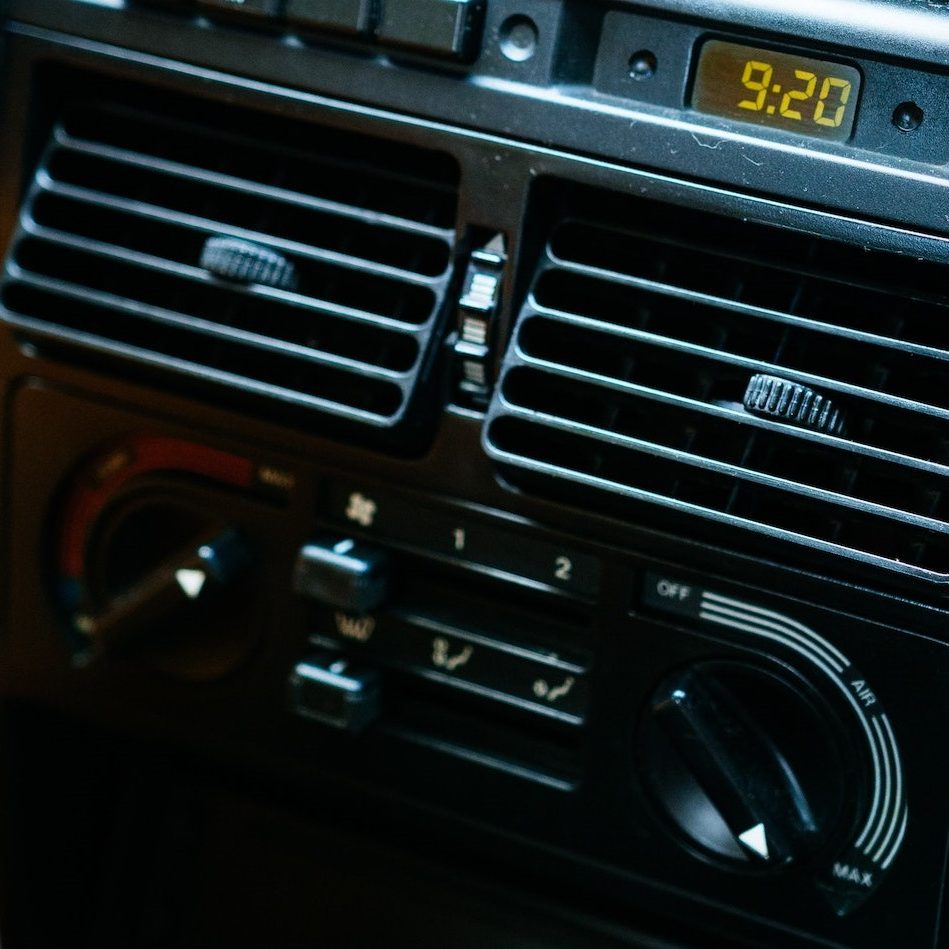
Problems With Ac Controls
Car air conditioners sometimes blow hot air due to issues with the controls. These problems stop the AC from working properly. Understanding these issues helps in fixing the AC quickly.
Two common control problems are a malfunctioning thermostat and control panel glitches. Each problem affects the cooling system differently.
Malfunctioning Thermostat
The thermostat controls the temperature inside the car. If it breaks or gives wrong readings, the AC may blow hot air. The thermostat might get stuck or fail to sense the temperature correctly.
- Thermostat stuck on warm setting
- Faulty temperature sensor
- Loose wiring connections
- Thermostat calibration errors
Checking and replacing the thermostat can restore cool air flow. A professional can test the thermostat with special tools.
Control Panel Glitches
The control panel lets you adjust fan speed and temperature. Sometimes buttons stop working or the display shows wrong settings. These glitches cause wrong commands to the AC system.
| Issue | Effect on AC |
| Unresponsive buttons | Cannot change temperature or fan speed |
| Display errors | Shows incorrect temperature or mode |
| Loose wiring | Intermittent AC operation |
| Software bugs | System resets or freezes |
Resetting the control panel or updating software may fix glitches. If problems continue, the panel may need repair or replacement.
Blocked Or Damaged Air Filters
Car air conditioners can blow hot air if the air filters are blocked or damaged. These filters clean the air before it reaches the cooling system. Dirt and debris can clog the filters over time.
Damaged filters let dust enter the system, which can cause problems. Keeping air filters clean is important for proper cooling.
Effects On Airflow And Cooling
Blocked air filters reduce airflow in the car’s air conditioner. Less air moves through the system, so the cooling is weaker. The AC may blow warm or hot air instead of cold.
Damaged filters allow dirt into the system parts. This can cause the AC to work harder and lose cooling power quickly.
- Reduced air circulation
- Lower cooling efficiency
- Increased strain on AC components
- Possible unpleasant odors
Maintenance Tips
Check your car’s air filters regularly. Clean or replace them if they look dirty or damaged. This keeps air flowing well and helps the AC cool better.
Use the right filter type for your vehicle. Follow the car manual for service intervals. Good maintenance saves money and avoids AC problems.
- Inspect filters every 6,000 miles or as recommended
- Replace filters if torn or clogged
- Clean filters if they are reusable
- Keep the area around the filter free of dust

Credit: www.autostudio.ae
Leaking Or Damaged Hoses
Car air conditioners use hoses to carry refrigerant. These hoses need to be in good shape to cool the air properly.
If hoses leak or get damaged, refrigerant can escape. This causes the air conditioner to blow hot air instead of cold.
Common Leak Points
Leaks often happen at hose connections and bends. These points face pressure and movement, which can cause cracks.
Worn-out seals or loose clamps also lead to leaks. Dirt and debris can damage hoses over time, causing holes.
- Hose connections to compressor and condenser
- Bends where hoses flex during engine movement
- Seals and O-rings at joints
- Areas with cracks or abrasions on the hose surface
Detecting And Repairing Leaks
Look for oily spots or wet areas on hoses to find leaks. A hissing sound may also signal escaping refrigerant.
Use a UV dye and light to spot small leaks. Repair means replacing damaged hoses or tightening loose connections.
- Inspect hoses regularly for cracks and wear
- Use UV dye to detect small leaks
- Replace damaged hoses immediately
- Tighten clamps and seals to stop leaks
Climate And Environmental Factors
Car air conditioners can blow hot air due to climate and environmental reasons. These factors affect how well your AC cools the car.
Extreme heat and parking conditions can put stress on the AC system. Understanding these helps you know why your AC may not work well.
Extreme Heat Conditions
Very hot weather makes it hard for your car’s AC to cool the air. The AC has to work harder to lower the temperature inside the car.
High outside temperatures can cause the AC system to overheat or lose efficiency. This leads to warm air blowing from the vents.
- Hot air reduces the AC’s cooling power
- AC parts can overheat and fail
- Refrigerant pressure may become too high
Parking And Sun Exposure Effects
Parking your car under direct sunlight heats the interior quickly. The hot cabin makes the AC work harder to cool down.
Sun exposure can also damage AC components over time. Heat can cause seals and hoses to wear out, reducing cooling efficiency.
- Sunlight heats the car interior rapidly
- AC system parts may weaken from heat
- Hot parked cars increase cabin temperature
Preventive Measures
Car air conditioners can blow hot air for many reasons. Taking preventive steps helps keep the AC working well.
Regular care and checks can stop problems before they start. This saves money and keeps you comfortable.
Regular Maintenance
Keeping your car’s AC clean helps it run smoothly. Dirt and debris can block parts and cause hot air.
Check the AC system often. Replace the cabin air filter and clean vents to keep air flowing well.
- Change the cabin air filter every 12,000 miles or yearly
- Clean AC vents to remove dust and debris
- Run the AC regularly, even in winter, to keep parts lubricated
- Check refrigerant levels and refill if needed
Professional Inspections
Have a mechanic inspect your car’s AC system yearly. They find problems that are hard to see.
Experts check the refrigerant, compressor, and hoses. They fix leaks and worn parts to keep cool air blowing.
- Test refrigerant pressure and refill if low
- Inspect compressor and belts for wear
- Check hoses and connections for leaks
- Examine electrical parts and controls
Frequently Asked Questions
Why Is My Car Ac Blowing Hot Air Suddenly?
Your car AC may blow hot air due to low refrigerant levels. Leaks in the system or a faulty compressor can also cause this issue. Regular maintenance helps prevent such problems and keeps your AC functioning properly.
How Does Low Refrigerant Affect Car Ac Cooling?
Low refrigerant means less cooling capacity in your AC system. Without enough refrigerant, the AC cannot absorb heat effectively. This causes the air to blow warm instead of cold, indicating a leak or need for a recharge.
Can A Faulty Compressor Cause Hot Air In Car Ac?
Yes, a faulty compressor can stop the AC from cooling. The compressor circulates refrigerant; if it fails, the system can’t cool air properly. Repair or replacement is necessary to restore AC performance.
Does A Clogged Cabin Air Filter Cause Hot Air?
A clogged cabin air filter reduces airflow and AC efficiency. While it may not cause hot air directly, restricted airflow can make the AC feel less effective. Replacing the filter regularly improves air quality and cooling.
Conclusion
Understanding why your car’s air conditioner blows hot air is crucial. Regular maintenance helps prevent common issues. Check for refrigerant leaks or a faulty compressor. Don’t ignore strange noises or weak airflow. These signs need prompt attention. A well-functioning AC ensures comfort during drives.
Keep an eye on your car’s AC performance. Regular inspections can save time and money. DIY fixes might seem tempting. But professional help ensures the best results. Stay cool and safe on the road. Your car deserves the best care.
Proper maintenance keeps your AC running smoothly. Enjoy a pleasant ride every time.