Have you ever wondered what makes your air conditioner so effective at cooling your space? The secret lies in a special substance called coolant.
This little-known ingredient plays a big role in keeping your home comfortable, especially during hot days. Understanding what coolant is used in air conditioners can help you maintain your system better and avoid costly repairs. Keep reading to discover the types of coolants, why they matter, and how they affect your AC’s performance.
Your comfort depends on it!
Types Of Air Conditioner Coolants
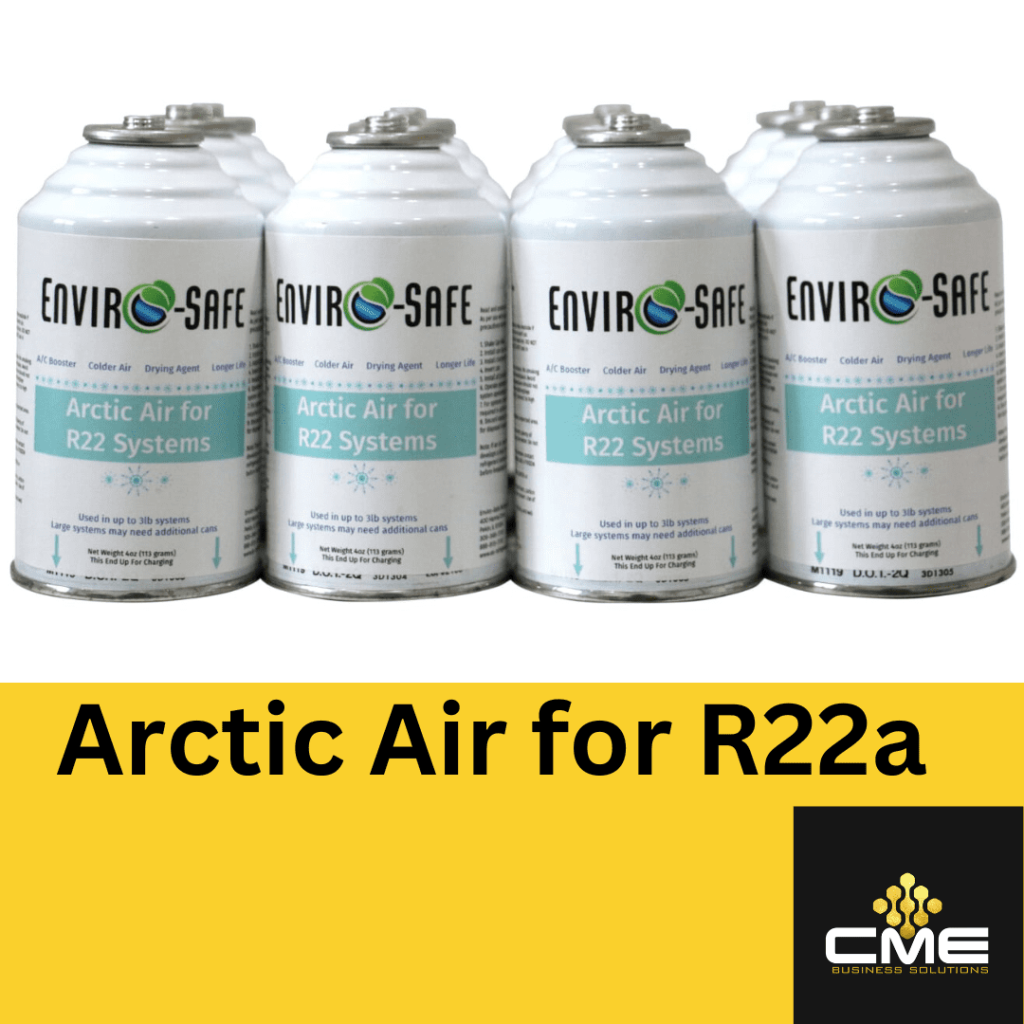
Common refrigerantsinclude R-22 and R-410A. R-22 is older and being phased out due to environmental harm. R-410A is safer for the ozone layer and cools efficiently. It is widely used in modern air conditioners.
New generation coolantslike R-32 offer better energy efficiency. They also have less impact on the environment. These coolants help reduce greenhouse gas effects while keeping homes cool.
Natural refrigerantssuch as ammonia, CO2, and hydrocarbons are eco-friendly options. They do not harm the ozone layer and have low global warming potential. These are gaining popularity in green cooling systems.
Properties Of Ideal Coolants
Thermal efficiencymeans the coolant cools well and uses less energy. Good coolants absorb heat quickly and release it easily. This helps air conditioners work faster and save power.
Environmental impactis about how coolants affect the Earth. Ideal coolants should have low global warming potential (GWP)and not harm the ozone layer. Eco-friendly coolants help protect the planet.
Safety considerationsensure the coolant is safe to use. Coolants should not be toxic or highly flammable. They must be safe for peopleand safe if there is a leak or spill.
Popular Coolants In 2025
R-410Ais a common coolant in many air conditioners. It works well at high pressures and is safe for the ozone layer. This coolant helps cool air quickly and is widely used in homes and offices.
R-32is becoming more popular. It uses less energy and has a lower impact on the environment. Many new air conditioners use R-32 to save electricity and reduce pollution.
Hydrofluoroolefins (HFOs)are newer coolants with very low global warming potential. They are safe and efficient. HFOs are being used more as industries try to protect the planet.

Credit: crewairconditioning.com
Environmental Regulations And Their Impact
Environmental rules limit the types of coolantsused in air conditioners. These limits help reduce harm to the planet.
Global Warming Potential (GWP)measures how much a gas warms the Earth. Coolants with high GWP are being phased out.
| Coolant Type | GWP Limit | Phase-Out Year |
|---|---|---|
| R-22 (HCFC) | High (over 1700) | 2020 (many countries) |
| R-410A (HFC) | High (around 2088) | Gradual phase-out by 2030 |
| R-32 (HFC) | Lower (675) | Allowed with restrictions |
| Natural refrigerants (e.g., CO2) | Very low (1) | No phase-out |
- Use low-GWP coolantsto meet rules.
- Upgrade old systems to new, eco-friendly types.
- Recycle or safely dispose of banned coolants.
Choosing The Right Coolant
Choosing the right coolantis key for air conditioner efficiency. Coolants must be compatible with the AC systemto avoid damage. Different systems use different types, such as R-22, R-410A, or newer eco-friendly options.
Cost and performance often balance each other. Some coolants are cheaper but less efficient. Others cost more but cool better and last longer. It is important to select a coolant that meets budget and cooling needs.
Availability affects maintenance ease. Common coolants are easier to find and replace. Rare or outdated coolants may require special handling and cost more to maintain. Regular checks help keep the system running well.
Credit: www.canadiantire.ca
Future Trends In Ac Coolants
Innovations in refrigerant chemistryfocus on creating safer and greener coolants. Scientists develop new compounds that reduce harm to the environment. These coolants have lower global warming potential (GWP) and do not damage the ozone layer.
Sustainable alternativesinclude natural refrigerants like carbon dioxide, ammonia, and hydrocarbons. These options are more eco-friendly and often more energy-efficient. Using sustainable coolants helps reduce pollution and slows climate change.
Industry predictionsshow a shift toward greener technology in air conditioning. Regulations push manufacturers to adopt new, safer refrigerants. Consumers will see more eco-friendly AC units in the coming years, promoting a cleaner planet.

Credit: parts.buick.com
Frequently Asked Questions
What Is The Primary Coolant In Air Conditioners?
The primary coolant used in air conditioners is usually R-410A. It’s a hydrofluorocarbon that replaced the older R-22 due to environmental concerns. R-410A is more efficient and better for the ozone layer, making it a popular choice in modern air conditioning systems.
Why Was R-22 Replaced In Air Conditioners?
R-22 was replaced due to its harmful effects on the ozone layer. It contributed significantly to ozone depletion. The newer R-410A is a more environmentally friendly option. It is more efficient and does not harm the ozone layer, aligning with global environmental protection efforts.
Are There Eco-friendly Coolants For Air Conditioners?
Yes, there are eco-friendly coolants like R-32 and R-410A. These refrigerants have a lower environmental impact compared to older options like R-22. They are more efficient and contribute less to global warming and ozone depletion, making them better choices for the environment.
How Does A Coolant Work In An Air Conditioner?
A coolant absorbs heat from indoor air and releases it outside. It circulates through the air conditioning system, transforming from a gas to a liquid and back. This process cools the indoor air effectively, maintaining a comfortable temperature inside your home or office.
Conclusion
Choosing the right coolant keeps your air conditioner working well. Different coolants suit different AC types and needs. Using the correct coolant helps save energy and protects the environment. Regular checks prevent leaks and keep cooling strong. Always follow the manufacturer’s advice for coolant use.
This ensures your air conditioner lasts longer and stays efficient. Understanding coolant types helps you make smart decisions. Keep your space cool and comfortable all year round.