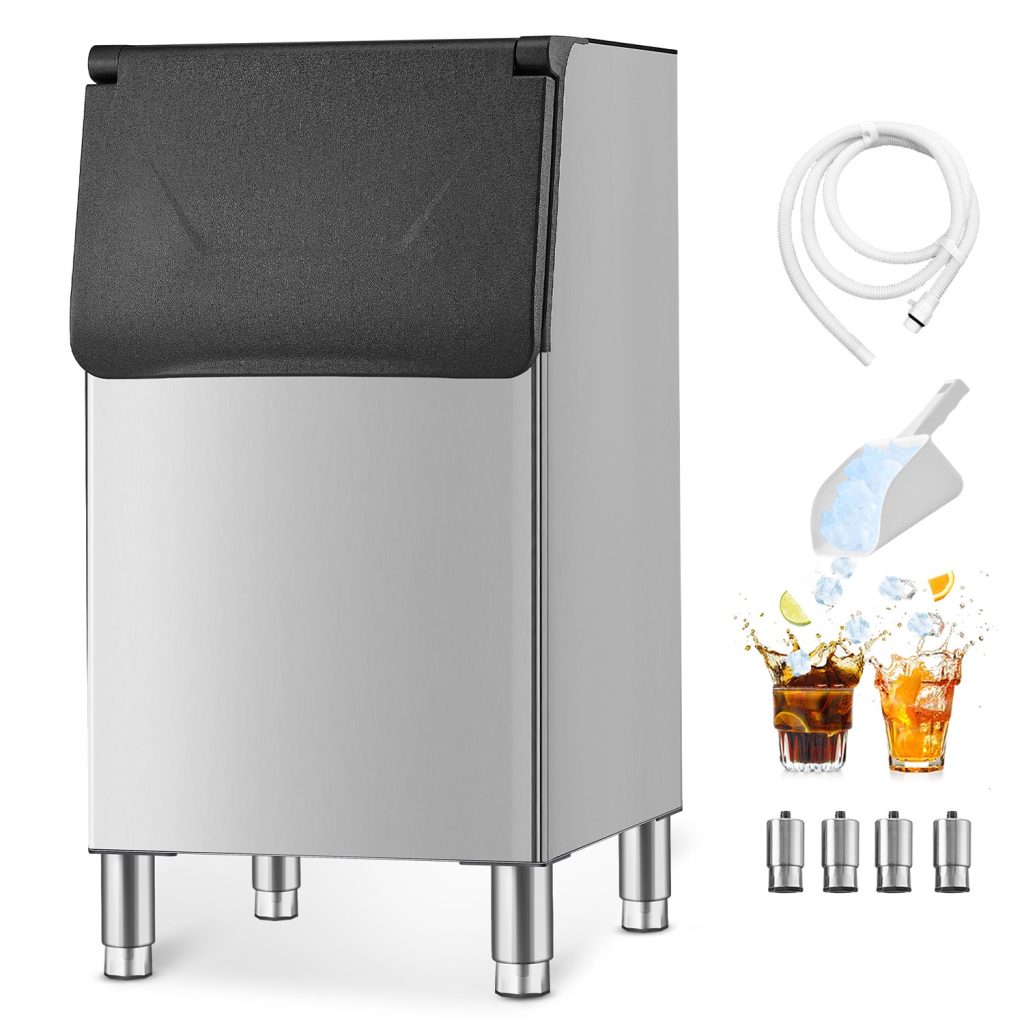
Imagine opening your freezer and finding your once shiny stainless steel ice-maker marred by unsightly rust spots. It’s frustrating, right?
You bought stainless steel because it’s supposed to resist corrosion, so what went wrong? You’re not alone in this predicament. Many are caught off guard when they discover their stainless steel appliances aren’t as invincible as they thought. But don’t worry, you’re about to uncover the hidden culprits behind this corrosion mystery.
By understanding these causes, you can prevent further damage and ensure your ice-maker stays pristine. Dive into this article to discover what might be attacking your stainless steel and learn how to protect your investment.

Credit: totalfood.com
Common Corrosion Types
Corrosion can damage stainless steel ice-makers, reducing their lifespan and efficiency. Understanding common corrosion types helps spot problems early. Each type affects the metal differently and needs specific care. Below are the most common corrosion types found in stainless steel ice-makers.
Pitting Corrosion
Pitting corrosion creates small holes or pits on the metal surface. These pits are hard to see but can cause serious damage. Pitting happens where protective layers break down. Chlorides from water or cleaning agents often trigger it. Once pits form, corrosion spreads quickly underneath.
Crevice Corrosion
Crevice corrosion occurs in narrow gaps or crevices. These spots trap moisture and debris, creating a harsh environment. Oxygen levels drop inside crevices, weakening the metal. This type often appears around seals, joints, or under deposits. It can cause severe local damage if ignored.
Galvanic Corrosion
Galvanic corrosion happens when two different metals touch in the presence of an electrolyte. One metal corrodes faster, sacrificing itself. Stainless steel ice-makers can suffer this if parts made from other metals are attached. Proper material selection and insulation can prevent this problem.
Stress Corrosion Cracking
Stress corrosion cracking appears as cracks under stress and corrosive environments. It combines tension and corrosion to weaken steel. This type is dangerous because cracks grow without obvious signs. It can cause sudden failures in ice-maker components under constant stress.
Environmental Factors
Environmental factors play a big role in the corrosion of stainless steel ice-makers. These machines often face tough conditions that can slowly wear down their metal parts. Understanding these factors helps in protecting the ice-maker and extending its life.
Exposure To Chlorides
Chlorides are salts found in many cleaning products and water sources. They can attack the protective layer on stainless steel. This attack causes small pits or holes, known as pitting corrosion. Even tiny amounts of chlorides can start this process. Areas near the ocean or where salt is used on roads see more chloride exposure.
Humidity And Moisture
High humidity means more moisture in the air. Moisture on stainless steel surfaces can lead to rust spots. Constant wetness stops the metal from drying out, which helps corrosion grow. Ice-makers often have water inside and outside, creating a perfect spot for moisture buildup. Poor ventilation makes this worse.
Temperature Fluctuations
Changes in temperature cause metal to expand and contract. This movement can crack the stainless steel’s protective layer. Cracks allow water and chemicals to reach the metal underneath. Cold temperatures can also cause condensation, adding more moisture. These cycles speed up the corrosion process.
Material Issues
Material issues play a crucial role in the corrosion of stainless steel ice-makers. Understanding these factors can help you spot potential problems early and maintain your equipment better. Let’s look closely at how the choice and treatment of materials impact corrosion resistance.
Poor Stainless Steel Grade
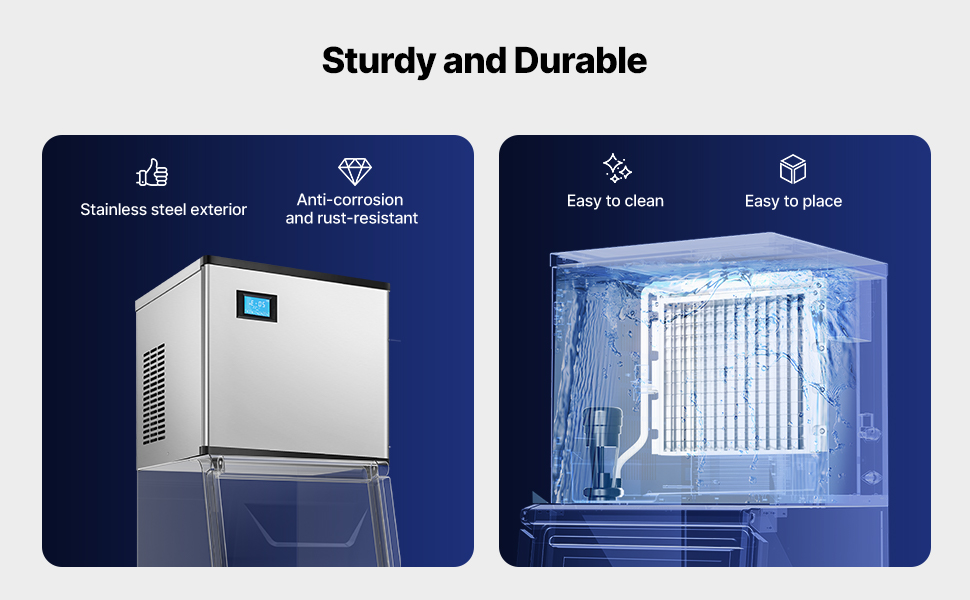
Not all stainless steel is created equal. Using a lower-grade stainless steel in your ice-maker can make it more vulnerable to rust and corrosion. Grades like 304 are common, but if cheaper or less corrosion-resistant grades are used, the protective chromium oxide layer may not form properly.
Think about the environment your ice-maker operates in—high humidity and constant exposure to water demand a higher stainless steel grade. Have you checked if your ice-maker uses at least 304 or 316 grade? Choosing the right grade upfront saves you from costly repairs later.
Surface Damage And Scratches
Even the best stainless steel can corrode if its surface is damaged. Scratches and dents break the protective oxide layer, exposing the metal underneath to moisture and contaminants. This creates perfect spots for corrosion to start.
Imagine cleaning your ice-maker but accidentally scratching the surface with a rough scrubber. That small scratch might invite corrosion. Use soft cloths and gentle cleaners to keep the surface intact and corrosion-free.
Improper Welding Techniques
Welding is necessary to assemble parts, but poor welding can lead to corrosion hotspots. Overheating or using the wrong filler materials can weaken the stainless steel’s corrosion resistance around the welds. This often causes rust to appear along seams and joints.
Ask your supplier or technician about their welding standards. Are they using proper techniques and materials compatible with stainless steel? Ensuring quality welding can make a big difference in the lifespan of your ice-maker.
Maintenance And Cleaning
Maintenance and cleaning play a vital role in preventing corrosion in stainless steel ice-makers. Proper care helps keep the metal surface intact and extends the machine’s lifespan. Neglecting these tasks often leads to rust spots and damage that affect performance.
Using the right cleaning methods and inspecting the equipment regularly ensures it stays in good condition. Understanding common mistakes during maintenance can help avoid corrosion and costly repairs.
Use Of Harsh Chemicals
Harsh chemicals can damage the protective layer on stainless steel. Strong acids or bleach break down this layer, exposing the metal to rust. Always choose mild, stainless steel-safe cleaners to protect the ice-maker’s surface.
Inadequate Cleaning Practices
Skipping thorough cleaning allows dirt and minerals to build up. This buildup traps moisture and causes corrosion spots. Clean all parts regularly using soft cloths and non-abrasive tools to avoid scratching the metal.
Neglecting Regular Inspections
Ignoring routine checks can let small problems grow. Rust or discoloration may start unnoticed and worsen over time. Inspect the ice-maker often, paying close attention to joints and corners where corrosion begins.
Water Quality Concerns
Water quality plays a crucial role in the lifespan of your stainless steel ice-maker. Poor water can accelerate corrosion, damaging the equipment and affecting ice quality. Understanding what in your water could cause this helps you take control and protect your investment.
High Mineral Content
Hard water, which contains high levels of minerals like calcium and magnesium, can leave deposits on stainless steel surfaces. These deposits create tiny crevices where corrosion can start unnoticed.
Have you noticed white or chalky buildup around your ice-maker? That’s a sign minerals are settling and may be eating away at the metal beneath. Using a water softener or filtration system can reduce mineral content and keep your ice-maker safe.
Contaminants And Impurities
Water isn’t always pure—chemicals, chlorine, and even bacteria can be present. These impurities react with stainless steel, especially if the protective chromium oxide layer is compromised.
Think about municipal water that’s treated with chlorine. While it’s safe to drink, chlorine can accelerate corrosion in metal parts over time. Installing a carbon filter can remove many of these harmful substances, extending your ice-maker’s life.
Ph Level Imbalance
Water that is too acidic or too alkaline can cause stainless steel to corrode faster. Ideally, water should have a neutral pH around 7 to keep your ice-maker in good shape.
If your water’s pH level drifts too far from neutral, it can attack the metal surface directly. Testing your water’s pH and adjusting it if needed is a simple step to prevent unexpected damage.
Credit: www.ebay.com
Preventive Measures
Preventing corrosion in your stainless steel ice-maker starts with understanding the right steps to protect it. Taking action early can save you from costly repairs and downtime. Let’s look at practical measures you can apply to keep your equipment in top shape.
Selecting Proper Materials
Not all stainless steel is created equal. Choosing the right grade can make a big difference in resistance to corrosion. Grades like 304 or 316 stainless steel offer better protection against moisture and harsh cleaning agents.
Think about where the ice-maker will operate. If it’s in a salty or humid environment, opting for 316 stainless steel, which contains molybdenum, will greatly reduce the risk of rust. Have you checked the material specs before buying your ice-maker?
Optimizing Cleaning Methods
The way you clean your ice-maker affects its longevity. Avoid harsh chemicals like bleach that can erode the stainless steel surface. Instead, use mild detergents and warm water to maintain cleanliness without damage.
Regular cleaning prevents buildup that traps moisture and causes corrosion. Try wiping down surfaces frequently and ensure no water pools after cleaning. How often do you clean your machine, and what products do you use?
Controlling Environmental Exposure
Environmental factors play a huge role in corrosion risk. Excess humidity, salt air, and temperature fluctuations can accelerate damage. Consider placing your ice-maker in a controlled area where these elements are minimized.
Installing ventilation or dehumidifiers can reduce moisture levels around the machine. Also, avoid placing it near chemicals or acidic substances that might splash onto the surface. What environmental challenges does your ice-maker face daily?
Credit: www.caterboss.ie
Frequently Asked Questions
What Causes Stainless Steel Ice-maker Corrosion?
Corrosion often occurs due to exposure to harsh chemicals, saltwater, or acidic substances. Poor maintenance and water quality also contribute.
How Does Water Quality Affect Ice-maker Corrosion?
Hard water with minerals can leave deposits. These deposits cause pitting and rust on stainless steel surfaces.
Can Cleaning Agents Damage Stainless Steel Ice-makers?
Yes, using abrasive or acidic cleaners can harm the protective steel layer, leading to corrosion and staining.
Does Humidity Contribute To Corrosion In Ice-makers?
High humidity promotes moisture buildup, which can accelerate rust formation if the stainless steel is damaged.
Conclusion
Corrosion in stainless steel ice-makers happens due to moisture and chemicals. Poor cleaning and hard water also cause damage. Regular care helps keep the machine safe and working well. Avoid harsh cleaners that can wear down the metal. Watch for rust spots and fix them quickly.
Taking these steps extends the life of your ice-maker. Keep your ice clean and fresh by preventing corrosion. Simple habits protect your machine from costly repairs. Stay aware and act fast to stop corrosion from spreading.