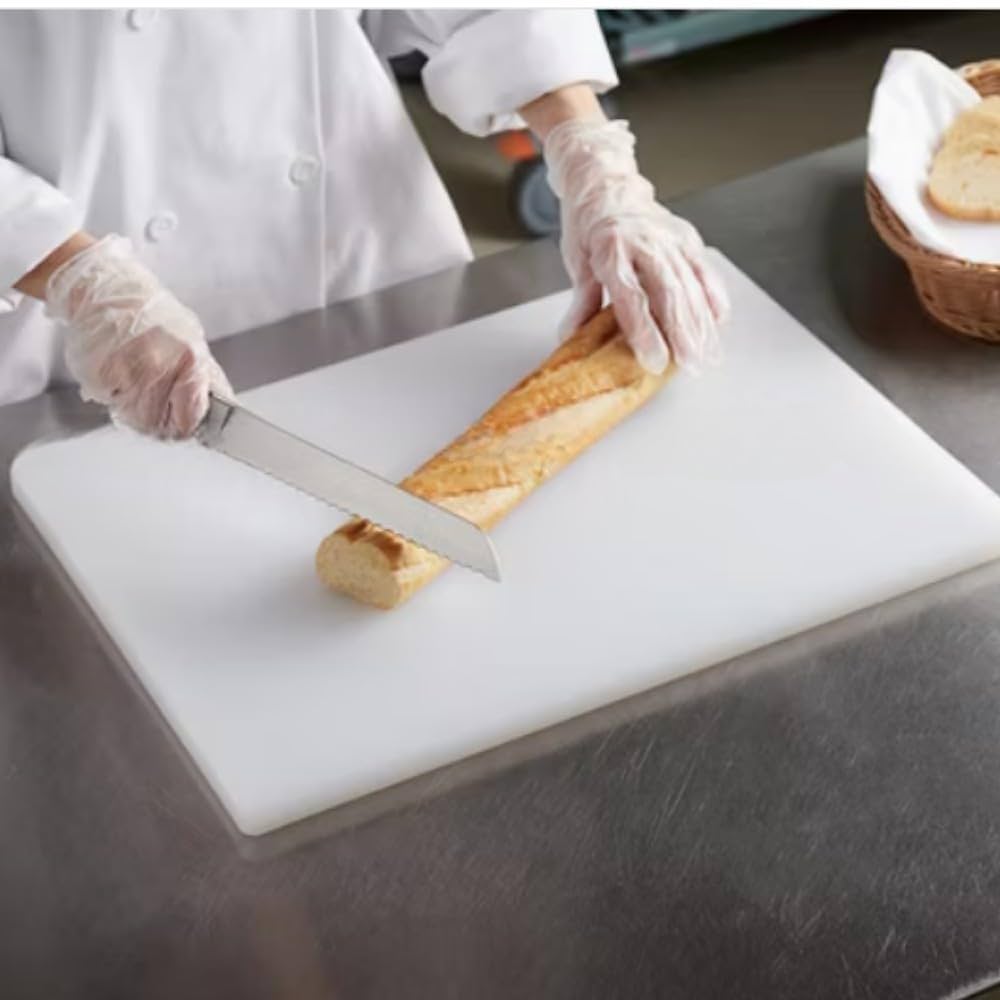
Choosing the right cutting board for your commercial kitchen isn’t just a small detail—it’s a game changer. The board you use affects your food safety, your knife’s lifespan, and how quickly your team works.
You want something durable, easy to clean, and safe for all kinds of ingredients. But with so many options out there, how do you know which cutting board fits your kitchen’s needs best? Keep reading, and you’ll discover exactly what to look for to make the smartest choice for your busy kitchen.
Types Of Cutting Boards
Cutting boards are essential tools in a commercial kitchen. They provide a safe and clean surface for food preparation. Choosing the right type can improve efficiency and hygiene.
Different materials offer various benefits and drawbacks. Here are the common types of cutting boards used in commercial kitchens.
Wooden Boards
Wooden cutting boards are popular for their durability and knife-friendly surface. They are usually made from hardwoods like maple or oak. These boards can last a long time if properly maintained.
Plastic Boards
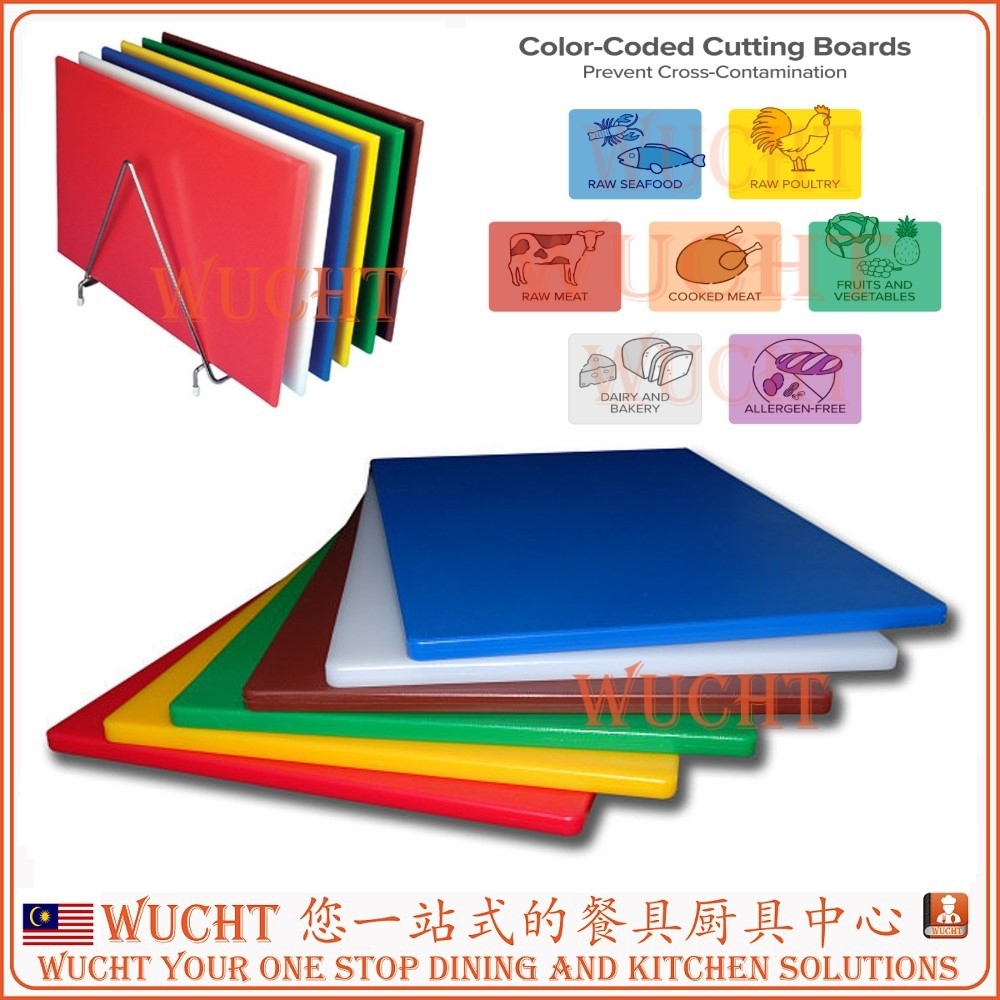
Plastic boards are lightweight and easy to clean. They resist stains and do not absorb liquids. Many kitchens use color-coded plastic boards to prevent cross-contamination between food types.
- Red board for raw meat
- Green board for vegetables
- Blue board for fish and seafood
- Yellow board for cooked foods
Bamboo Boards
Bamboo boards are eco-friendly and harder than most woods. They resist knife marks but can dull knives faster. Bamboo is less porous, so it resists bacteria better than some woods.
Composite Boards
| Material | Advantages | Disadvantages |
|---|---|---|
| Composite | Durable, heat resistant, low maintenance | Heavier, can be expensive |
| Wood | Knife friendly, long lasting | Needs regular oiling, can absorb moisture |
| Plastic | Easy to clean, color-coded | Can get deep knife grooves, less durable |
| Bamboo | Eco-friendly, harder surface | Can dull knives, less forgiving |
Key Features For Commercial Use
Choosing the right cutting board is important for any commercial kitchen. It helps keep food safe and makes work easier. Different boards have features that fit busy kitchens.
This guide explains key features to look for in cutting boards used in commercial kitchens.
Durability And Longevity
Commercial kitchens need cutting boards that last a long time. They face heavy use every day. Boards made from strong materials resist cracks and warping.
Durable boards save money because they do not need frequent replacement.
- High-density polyethylene boards resist damage
- Hardwood boards like maple can last years
- Composite boards combine strength with flexibility
Sanitation And Safety
Cutting boards must be safe and easy to clean to prevent germs. Non-porous surfaces stop bacteria from hiding inside. Some boards have color codes for different foods.
Using the right board reduces cross-contamination risks and keeps food safe.
- Plastic boards resist bacteria better than wood
- Color-coded boards keep raw and cooked foods separate
- Boards should meet food safety standards
Ease Of Cleaning
Cutting boards in busy kitchens must be easy to clean fast. Smooth surfaces help remove food particles quickly. Dishwasher-safe boards save time.
Boards that clean easily keep kitchens running smoothly.
- Non-porous materials are simple to wash
- Dishwasher-safe boards reduce cleaning effort
- Boards with juice grooves contain spills
Knife Friendliness
Cutting boards should not dull knives quickly. Soft but firm surfaces protect blades. This keeps knives sharp longer and reduces costs.
Boards that are gentle on knives improve cutting and safety in the kitchen.
- Wooden boards are kind to knife edges
- Plastic boards offer a balance of firmness
- Very hard surfaces can wear knives faster
Popular Brands And Models
Choosing the right cutting board is important in a commercial kitchen. It affects safety and food quality. Different brands offer various materials and sizes.
Here are some popular brands and models used by chefs and restaurants.
John Boos
John Boos is known for its wooden cutting boards. They use hard maple wood that lasts long and resists knife marks. These boards are gentle on knives and easy to clean.
Many commercial kitchens prefer their Classic Reversible Maple Board. It has two usable sides and a smooth finish.
- Made of sustainable hard rock maple
- Reversible for longer use
- Sizes from small to extra large
- Good for chopping and slicing
Epicurean
Epicurean cutting boards are made from wood fiber composite. This makes them lightweight but strong. They resist staining and do not absorb water.
Their cutting boards are also dishwasher safe, which saves time in busy kitchens. Epicurean offers different sizes and colors for easy food prep.
- Wood composite material
- Dishwasher safe
- Non-porous and stain-resistant
- Environmentally friendly
Oxo
OXO cutting boards are popular for their practicality. They often have non-slip edges to keep the board steady. This is helpful in fast-paced kitchens.
OXO offers plastic boards that are easy to clean and lightweight. Many models have color coding to prevent cross-contamination.
- Non-slip edges for safety
- Color-coded for food safety
- Easy to clean plastic material
- Various sizes available
Dexter Russell
Dexter Russell is well known for its kitchen tools and cutting boards. Their boards are made from durable polyethylene plastic. This plastic is safe for knives and easy to sanitize.
Many chefs choose Dexter Russell boards for their toughness and long use. The boards come in different thicknesses and sizes.
- Made from high-density polyethylene
- Knife friendly and durable
- Easy to clean and sanitize
- Multiple sizes and colors
Color-coding Systems
Using color-coded cutting boards helps keep kitchens safe. It stops germs from spreading between foods.
Chefs and staff can quickly identify which board to use. This method keeps raw and cooked foods separate.
Preventing Cross-contamination
Cross-contamination happens when harmful bacteria move from one food to another. Color-coded boards reduce this risk.
Each board is used only for certain types of food. This stops raw meats from touching vegetables or cooked foods.
Common Color Codes
- Red for raw meat
- Blue for raw fish and seafood
- Green for fruits and vegetables
- Yellow for cooked meats
- White for bakery and dairy products
- Brown for cooked vegetables
Implementing In The Kitchen
Train all kitchen staff about the color system. Make sure everyone knows which board to use.
| Action | Details |
| Label Boards | Use stickers or engravings to show the color purpose clearly |
| Store Separately | Keep boards apart to avoid mix-ups |
| Clean Regularly | Wash and sanitize boards after each use |
| Replace When Needed | Throw out boards with deep cuts or stains |
Maintenance Tips
Choosing the right cutting board is important in a commercial kitchen. Proper care keeps boards safe and long-lasting. Good maintenance helps avoid contamination and damage.
Follow these tips to clean, repair, and replace your cutting boards. This keeps your kitchen running smoothly and meets health standards.
Cleaning Best Practices
Clean cutting boards right after use. Use hot water and soap to remove food particles. Rinse well to avoid leftover residue.
Sanitize boards regularly to kill bacteria. Use a solution of bleach and water or a food-safe sanitizer. Let the board air dry completely before storing.
- Wash with hot, soapy water after each use
- Sanitize with bleach solution or approved sanitizer
- Rinse thoroughly to remove cleaning agents
- Air dry fully to prevent moisture buildup
- Store boards in a clean, dry place
Repair And Resurfacing
Check cutting boards often for deep cuts or cracks. These can trap bacteria and make cleaning hard. Small cuts can be sanded down to smooth the surface.
For wooden boards, use fine sandpaper to resurface. After sanding, apply food-grade mineral oil to protect the wood. This helps keep boards durable and safe.
- Inspect boards weekly for damage
- Smooth small cuts with fine sandpaper
- Apply food-safe mineral oil after sanding
- Do not use boards with deep cracks
Replacing Cutting Boards
Replace cutting boards when they become too damaged or worn. Deep grooves and cracks can hide bacteria. Old boards may also lose their stability and safety.
Keep extra boards on hand to swap out often. Choose boards made from materials that fit your kitchen needs. Regular replacement helps maintain food safety.
- Replace boards with deep cuts or cracks
- Swap boards regularly to prevent wear
- Choose durable materials for your kitchen
- Store new and used boards separately
Credit: www.wuchtonline.com
Choosing The Right Size And Thickness
Choosing the right cutting board size and thickness is key in a commercial kitchen. The board must handle heavy use and fit the workspace well.
Boards that are too small limit your work area. Boards that are too thin may wear out fast or slip during use.
Matching Board Size To Tasks
Select a board size that fits the food you prepare. Large boards work for big cuts like meat and vegetables.
Small boards are good for quick tasks like slicing fruits or cheese. Using the right size helps keep your work neat and safe.
- Large boards (18″x24″ or bigger) for big chopping jobs
- Medium boards (12″x18″) for daily prep work
- Small boards (8″x12″) for simple slicing or garnishes
Impact On Kitchen Workflow
Thicker boards last longer and stay stable on counters. Thin boards can bend or move, slowing work down.
Having the right board size and thickness speeds up prep time. It helps cooks stay organized and safe.
- Thick boards (at least 1 inch) resist warping and cuts
- Stable boards reduce accidents and messes
- Proper sizing keeps space clear and efficient
Environmental Considerations
Choosing the right cutting board in a commercial kitchen affects the environment. Some materials are better for the planet than others. It is important to think about how the board is made and disposed of.
Using eco-friendly cutting boards helps reduce waste and pollution. This guide explains key points about sustainability and recycling for cutting boards.
Sustainability Of Materials
Cutting boards come in many materials like wood, plastic, and bamboo. Wood and bamboo are natural and renewable. They grow back quickly and need less energy to produce.
Plastic boards are often made from non-renewable resources. They use more energy and take a long time to break down. Choosing boards made from recycled or sustainable materials helps lower environmental harm.
- Wood and bamboo are renewable and biodegradable
- Plastic boards may come from fossil fuels
- Look for recycled or certified sustainable materials
Recycling And Disposal
Proper disposal of cutting boards reduces waste in landfills. Wooden boards can often be composted if untreated. Plastic boards are harder to recycle but some facilities accept them.
Checking local recycling rules helps ensure cutting boards are handled correctly. Repairing or repurposing old boards also extends their life and lowers waste.
- Compost untreated wooden boards
- Recycle plastic boards if local programs exist
- Repair or reuse old cutting boards

Credit: www.amazon.com

Credit: www.amazon.com
Frequently Asked Questions
What Material Is Best For Cutting Boards In Commercial Kitchens?
In commercial kitchens, high-density polyethylene (HDPE) cutting boards are preferred. They’re durable, non-porous, and easy to sanitize. HDPE boards resist moisture, preventing bacteria buildup. They also withstand heavy use without dulling knives. Their non-slip surfaces ensure safety, making them ideal for busy environments.
Why Use Color-coded Cutting Boards?
Color-coded cutting boards prevent cross-contamination in commercial kitchens. Each color is designated for specific food types, such as raw meat or vegetables. This system ensures food safety and enhances hygiene. By using color-coded boards, kitchen staff can quickly identify the appropriate board, reducing the risk of foodborne illnesses.
How Do You Maintain Cutting Boards In Commercial Kitchens?
To maintain cutting boards, regularly sanitize them with hot, soapy water. Rinse thoroughly and air dry. Avoid submerging in water to prevent warping. Use a food-safe sanitizer for extra cleanliness. Regularly inspect for deep cuts and replace when necessary. Proper maintenance extends the board’s lifespan and ensures hygiene.
Are Wooden Cutting Boards Suitable For Commercial Kitchens?
Wooden cutting boards are less common in commercial kitchens due to their porous nature. They can harbor bacteria and require more maintenance. However, end-grain wood boards are durable and knife-friendly. If used, they should be cleaned and sanitized thoroughly. Regular oiling helps maintain their surface and prevent cracking.
Conclusion
Choosing the right cutting board matters for any busy kitchen. It helps keep food safe and work smooth. Wood boards are gentle on knives. Plastic boards are easy to clean and light. Color-coded boards stop germs from mixing. Always pick a board that fits your kitchen’s needs.
Clean and replace boards often to stay safe. The right cutting board makes cooking faster and safer every day. Simple tools can make a big difference in your kitchen.