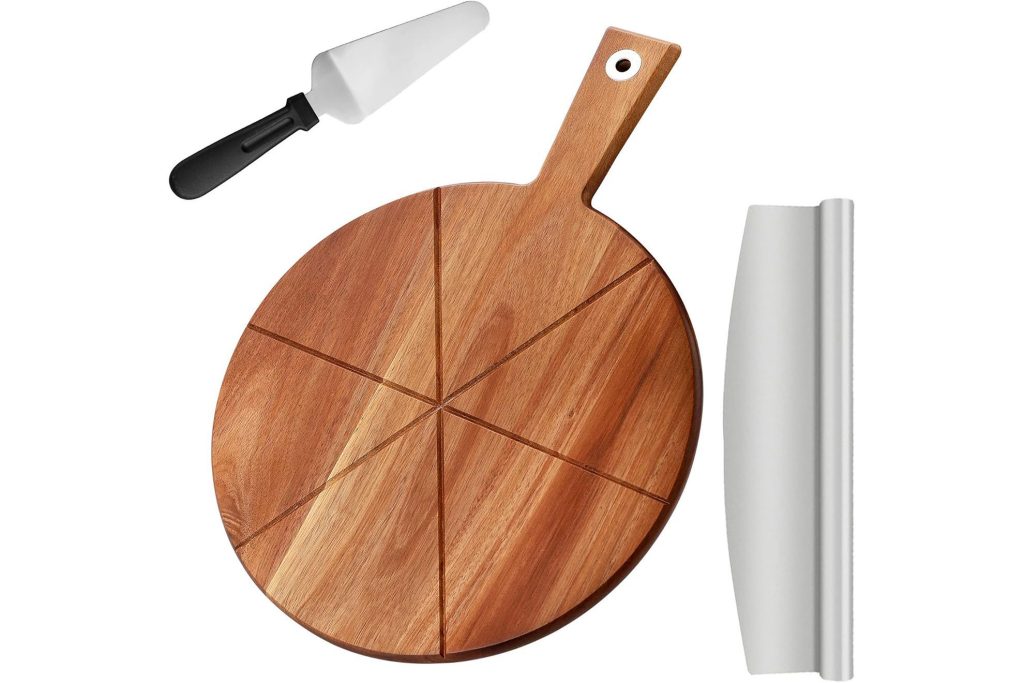
If you’ve ever wondered what cutting board Gordon Ramsay uses to prepare his mouth-watering dishes, you’re in the right place. The right cutting board can make a big difference in your cooking experience, from safety to ease of use.
Imagine handling your knives with confidence, just like a top chef. You’ll discover the exact cutting board Gordon Ramsay trusts, why he chooses it, and how it can upgrade your kitchen game. Ready to slice like a pro? Keep reading to find out!
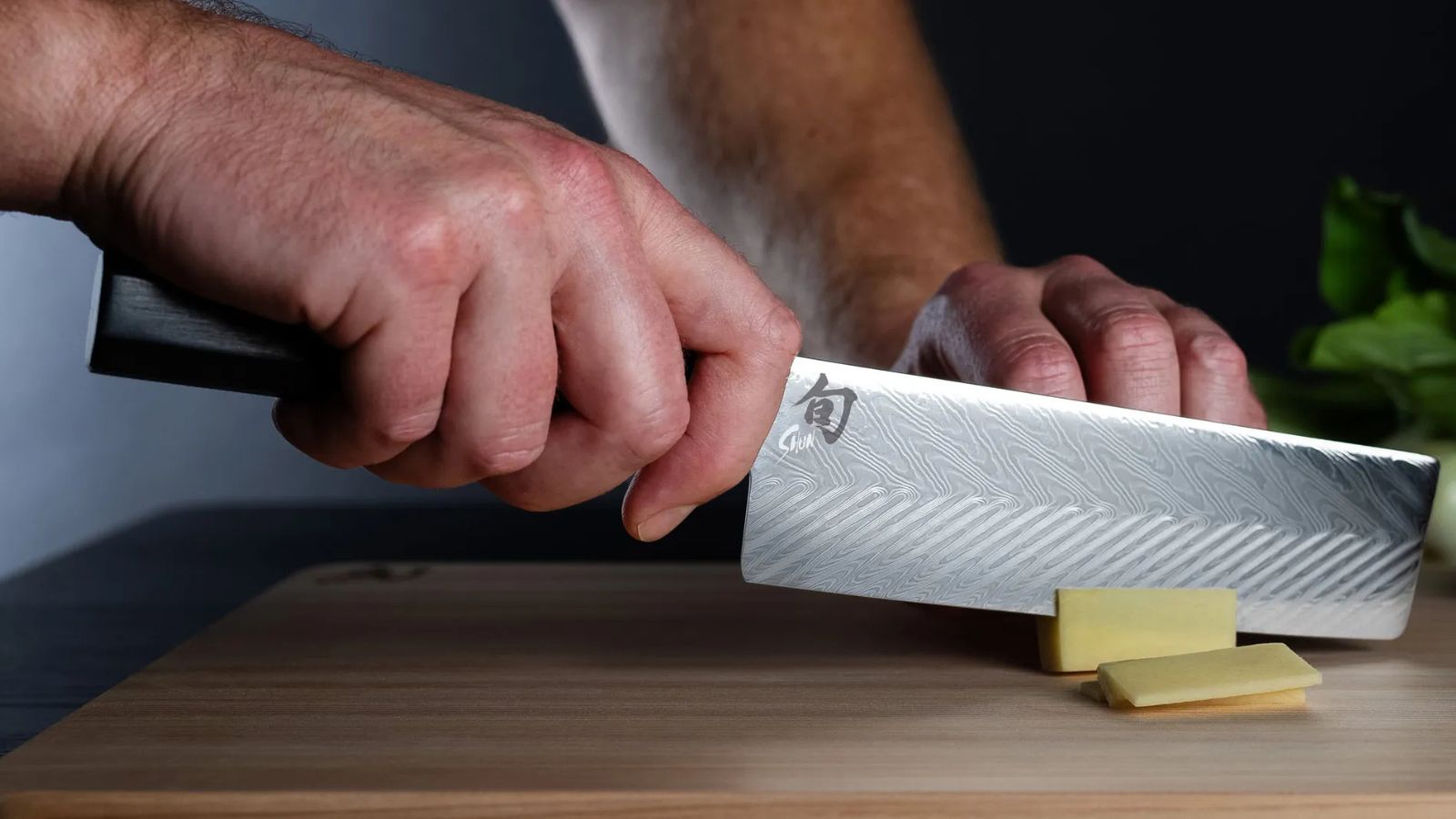
Credit: www.homesandgardens.com
Gordon Ramsay’s Preferred Cutting Boards
Gordon Ramsay uses specific cutting boards in his kitchen. These boards help him prepare food safely and efficiently. Choosing the right cutting board is important to keep knives sharp and food clean.
This guide looks at the materials Ramsay prefers and the brands he trusts. Understanding these choices can help home cooks pick the best cutting boards.
Materials Ramsay Chooses
Gordon Ramsay mainly uses wooden and plastic cutting boards. Wood is gentle on knives and lasts long with care. Plastic boards are easier to clean and good for raw meat.
- Maple wood for durability and knife protection
- Bamboo for eco-friendliness and hardness
- High-density polyethylene plastic for easy cleaning
- Non-slip edges to keep boards steady during use
Popular Brands Used By Ramsay
Ramsay prefers cutting boards from brands known for quality and durability. These brands offer boards suitable for professional kitchens and home use.
| Brand | Material | Key Features |
| John Boos | Maple Wood | Durable, knife-friendly, handcrafted |
| Epicurean | Bamboo | Eco-friendly, lightweight, dishwasher safe |
| OXO Good Grips | Plastic | Non-slip, easy to clean, BPA free |
| Teakhaus | Teak Wood | Water-resistant, strong, smooth finish |

Credit: www.taste.com.au
Features Of Ramsay’s Cutting Boards
Gordon Ramsay uses cutting boards that fit his busy kitchen style. He prefers boards that last long and are easy to clean. These boards also protect his knives well.
Let’s explore the key features of Ramsay’s cutting boards. These features help cooks work faster and safer in the kitchen.
Durability And Maintenance
Ramsay’s cutting boards are made from strong materials. They resist cuts and dents, so they last longer. Many are made of wood or plastic that can handle heavy use.
Cleaning is simple. The boards do not absorb water or smells easily. This keeps them hygienic for daily cooking tasks.
- Made from hardwood or high-quality plastic
- Resist deep cuts and scratches
- Easy to wash and dry quickly
- Do not hold odors or stains
Size And Shape Preferences
Ramsay chooses cutting boards with practical sizes. They are large enough to handle big ingredients but not too heavy to move. Rectangular shapes are common for better workspace.
Some boards have juice grooves. These grooves catch liquids and keep the counter clean.
- Medium to large size for versatility
- Rectangular shape for easy handling
- Optional juice grooves for liquids
Knife-friendly Surfaces
The cutting surface is soft enough to protect knives. Ramsay avoids boards that dull blades quickly. Wood and bamboo are preferred because they are gentle on knives.
These surfaces help keep knives sharp longer. They also provide a steady cutting area for safety.
- Use wood or bamboo for softness
- Surfaces that do not dull knives fast
- Stable and non-slip cutting areas
Why Material Matters
Gordon Ramsay uses cutting boards that help him cook safely and efficiently. The material of a cutting board affects how it works in the kitchen. It changes how clean it stays, how it treats your knives, and how long it lasts.
Choosing the right cutting board material matters. It helps keep your food safe and your knives sharp.
Wood Vs Plastic
Wood and plastic are the two most common materials for cutting boards. Each has its own benefits and drawbacks.
Wood boards are sturdy and last long. Plastic boards are light and easy to clean.
- Wood absorbs moisture but can self-heal small cuts
- Plastic does not absorb moisture but can get deep grooves
- Wood boards look better in the kitchen
- Plastic boards are usually cheaper
Hygiene And Safety
Keeping a cutting board clean is very important to avoid germs. Plastic boards are easier to clean with hot water and soap. They can also go in the dishwasher.
Wood boards need more care. They should be washed by hand and dried well. Wood has natural properties that can stop bacteria from growing.
- Plastic boards can trap bacteria in deep cuts
- Wood boards can be harder to clean but resist bacteria better
- Replace plastic boards when very worn
- Oil wood boards to keep them safe and strong
Impact On Knife Sharpness
The cutting board material affects how fast your knives get dull. Hard surfaces can dull knives quickly.
Wood boards are softer and gentle on knives. Plastic boards are harder but still okay if you replace them often.
- Wood boards protect knife edges better
- Plastic boards can cause knives to dull faster
- Glass or stone boards should be avoided to save knives
- Use a wooden or quality plastic board for knife care
Care Tips For Cutting Boards
Cutting boards need proper care to stay clean and last long. Good care keeps them safe for food use.
Here are some useful tips on cleaning, avoiding damage, and extending the life of your cutting board.
Cleaning Techniques
Clean your cutting board right after use. Use hot, soapy water and scrub well. Rinse and dry it fully.
- Wash with mild dish soap and warm water
- Use a brush or sponge to remove food bits
- Rinse thoroughly to remove soap
- Dry with a clean towel or air dry upright
- Disinfect with vinegar or diluted bleach if needed
Avoiding Damage
Protect your cutting board from cracks and warping. Avoid harsh conditions that can harm its surface.
| Action | Why Avoid |
| Putting board in dishwasher | Heat and water warp and crack wood |
| Using metal scrubbers | Scratches and damages surface |
| Cutting with very sharp knives carelessly | Deep cuts create grooves for bacteria |
| Soaking board in water | Causes wood to swell and split |
Extending Board Lifespan
Maintain your board regularly to keep it smooth and strong. Treat it with oils and store it well.
Simple ways to extend your cutting board’s life:
- Apply food-safe mineral oil once a month
- Rub beeswax on the surface for extra protection
- Store board in a dry, cool place upright
- Use both sides to prevent uneven wear
Alternatives To Ramsay’s Choice
Gordon Ramsay uses high-quality cutting boards in his kitchen. Many people want to find similar options. These choices fit different budgets and needs.
This guide shows alternatives you can use instead of Ramsay’s cutting board. You can find budget-friendly, professional, or eco-friendly options here.
Budget-friendly Options
You do not need to spend a lot to get a good cutting board. Some boards offer good quality at lower prices. These are great for everyday use.
- Plastic boards are easy to clean and affordable.
- Bamboo boards offer a natural look and are low-cost.
- Softwood boards are gentle on knives and budget-friendly.
Professional-grade Boards
Professional chefs need strong and durable cutting boards. These boards last long and resist deep cuts. They keep knives sharp and safe.
- Hardwood boards like maple or walnut are popular choices.
- End-grain boards resist knife marks and are very durable.
- Composite boards combine wood fibers and resin for strength.
Eco-friendly Materials
Eco-friendly cutting boards use sustainable materials. These boards help reduce waste and protect forests. They are safe for food and the planet.
- Bamboo grows fast and is a renewable resource.
- Recycled plastic boards reduce waste and last long.
- Wood from certified forests supports responsible forestry.
Credit: hexclad.com
Frequently Asked Questions
What Type Of Cutting Board Does Gordon Ramsay Prefer?
Gordon Ramsay prefers wooden cutting boards, especially those made from maple or beech. These boards are durable, gentle on knives, and provide a stable surface for chopping.
Why Does Gordon Ramsay Avoid Plastic Cutting Boards?
Ramsay avoids plastic boards because they can harbor bacteria in knife grooves. Wooden boards naturally resist bacteria and maintain hygiene better over time.
How Often Should You Replace Gordon Ramsay’s Cutting Board?
Gordon Ramsay recommends replacing cutting boards when deep grooves appear. These grooves trap bacteria and affect food safety and board performance.
Can You Use Gordon Ramsay’s Cutting Board For All Foods?
Yes, but Ramsay suggests using separate boards for raw meat and vegetables. This prevents cross-contamination and ensures food safety during meal preparation.
Conclusion
Gordon Ramsay prefers sturdy wooden cutting boards for durability. These boards handle knives well and last long. They keep food safe and prevent damage to blades. Choosing the right cutting board helps improve kitchen work. Now you know what cutting board Gordon Ramsay trusts.
Try using a similar one for better cooking results. A simple tool can make a big difference. Keep your kitchen tools reliable and easy to clean. Good cutting boards matter for every home cook.