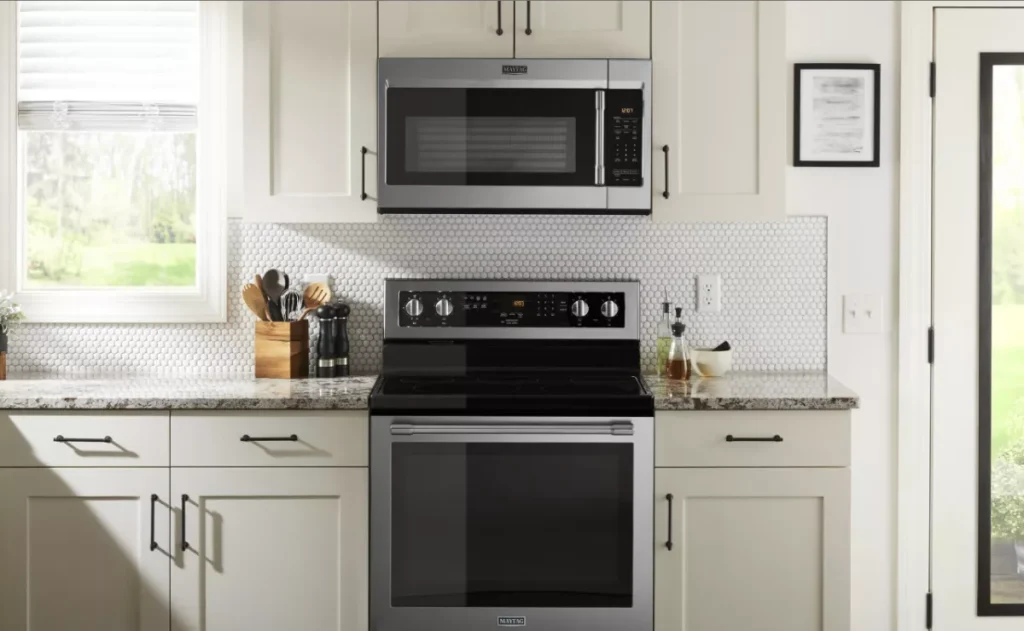
Are you confused about whether to use a microwave or an oven for your cooking needs? You’re not alone.
Both appliances are common in kitchens, but they work very differently and offer unique benefits. Understanding these differences can save you time, improve your meals, and even help you choose the right appliance for your home. Keep reading to discover how a microwave and an oven really compare—and find out which one fits your lifestyle best.
Microwave Basics
Microwaves have become essential in modern kitchens. They save time and energy. These devices use electromagnetic waves to heat food quickly. Let’s delve into the basics of microwaves.
How Microwaves Work
Microwaves produce electromagnetic waves. These waves cause water molecules in food to vibrate. The vibration creates heat, cooking the food. Microwaves can penetrate food, heating it evenly from inside.
Common Uses
Microwaves are versatile appliances. They reheat leftovers efficiently. They also cook ready meals swiftly. Defrosting frozen items is another common use. Microwaves can also steam vegetables, keeping nutrients intact.
Advantages
Microwaves offer several benefits. They are energy-efficient, using less power than ovens. Cooking times are shorter, saving time. They maintain more nutrients in food. Microwaves are also easy to clean, with minimal maintenance.
Oven Fundamentals
Ovens are essential kitchen tools for baking, roasting, and cooking food evenly. They work by surrounding food with hot air, which cooks it thoroughly. Understanding how ovens work helps you use them better and choose the right type for your needs.
How Ovens Operate
Ovens heat food by using either electric or gas elements. These elements warm up the air inside the oven chamber. The hot air circulates around the food, cooking it from all sides. Some ovens have fans to move the hot air faster. This process is called convection cooking. It helps food cook more evenly and quickly.
Types Of Ovens
- Conventional Ovens: Heat food from the top and bottom heating elements.
- Convection Ovens: Use a fan to circulate hot air for even cooking.
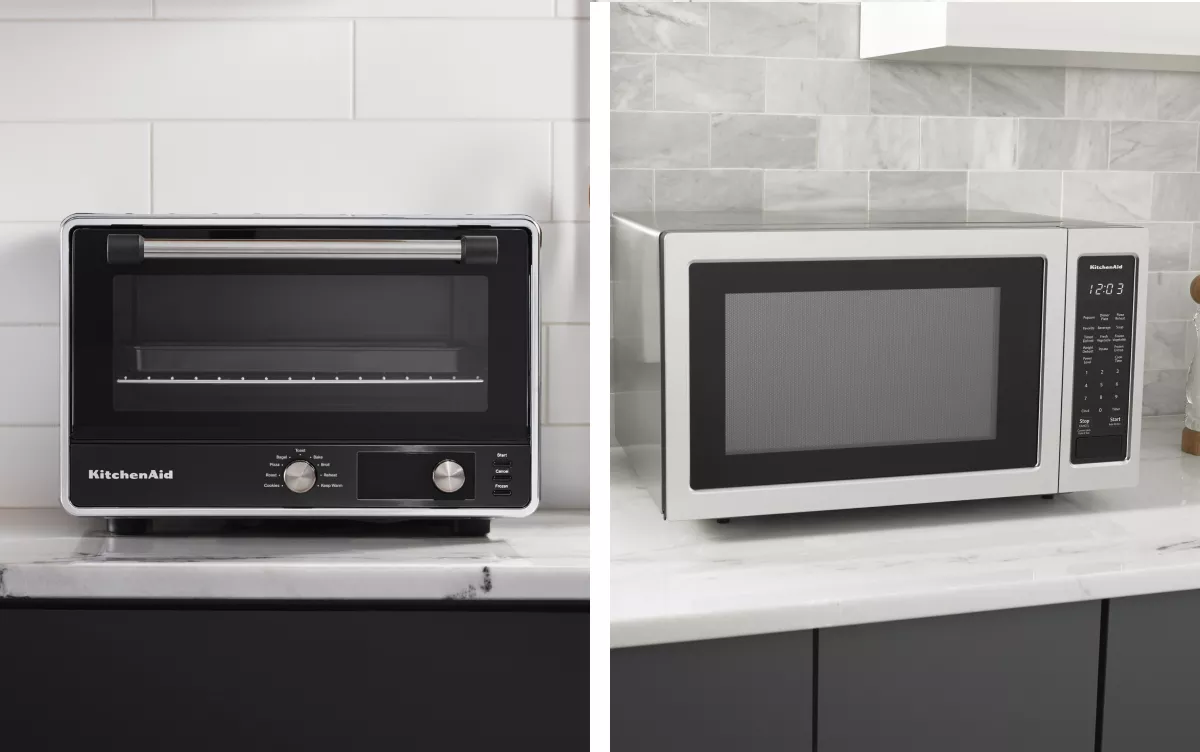
- Toaster Ovens: Small, portable ovens good for toasting and baking small items.
- Steam Ovens: Use steam to cook food, preserving moisture and nutrients.
- Microwave Ovens: Use microwaves to heat food quickly without hot air.
Typical Applications
Ovens are ideal for baking cakes, bread, and cookies. They roast meats and vegetables evenly. Ovens also cook casseroles and large dishes well. Many people use ovens for slow cooking and broiling. They provide consistent heat for thorough cooking.
Heating Methods Compared
Understanding how microwaves and ovens heat your food can help you choose the right appliance for your cooking needs. Both use different techniques that affect cooking time, energy use, and how your meals turn out. Let’s break down the key differences in their heating methods so you can make smarter choices in the kitchen.
Microwave Radiation Vs. Thermal Heat
Microwaves use electromagnetic waves to excite water molecules inside your food. This causes the molecules to vibrate rapidly, generating heat from within.
Ovens, on the other hand, rely on thermal heat. They heat the air inside the chamber, which then cooks the food from the outside in.
This means microwaves heat food faster, but ovens provide a more even, gradual cooking process. Have you noticed how a microwave heats leftovers unevenly sometimes? That’s because it targets water molecules, not the entire food mass.
Speed And Efficiency
Microwaves generally cook food much faster than ovens. A frozen dinner can be ready in minutes using a microwave, while an oven might take 20 to 30 minutes.
This speed translates into energy savings, especially for small or quick meals. However, for larger dishes or baking, ovens are more efficient at delivering consistent heat.
Think about your daily routine: would you rather wait longer for an evenly cooked roast or quickly warm up a cup of soup? Your choice depends on what you value more—speed or quality.
Impact On Food Texture
Microwave cooking often results in softer textures and can sometimes make food soggy or rubbery. This happens because microwaves heat water molecules directly, which can steam the food.
Ovens create a dry heat that helps brown and crisp the surface. This is why baked goods come out with golden crusts and roasted vegetables develop a satisfying crunch.
Have you ever tried reheating pizza in a microwave and found it chewy instead of crisp? Using an oven or toaster oven can revive that texture better by applying thermal heat.
Energy Consumption
Understanding energy consumption helps you make smarter choices for your kitchen appliances. Microwaves and ovens serve different cooking needs, but they also differ significantly in how much power they use. Knowing these differences can save you money and reduce your environmental impact.
Power Usage Of Microwaves
Microwaves generally use between 600 to 1200 watts of power. They cook food quickly by heating water molecules directly, which makes them more energy-efficient for reheating or cooking small portions.
Think about the last time you heated leftovers in a microwave—it probably took just a couple of minutes, using less power than running a light bulb for the same time. This quick burst of energy makes microwaves a great option if you want to save on your electric bill.
Energy Needs Of Ovens
Ovens typically consume much more energy, ranging from 2000 to 5000 watts depending on the size and type. They heat the entire cooking chamber and take longer to reach the desired temperature.
This means that baking a casserole or roasting a chicken uses a lot more power compared to a microwave. However, ovens are better for certain recipes that require even, sustained heat.
Cost Implications
Energy consumption directly affects your electricity costs. Using a microwave for quick tasks can significantly reduce your monthly energy bill. For example, heating a cup of coffee in a microwave costs just a few cents, whereas using an oven for the same task would be much higher.
But if you often cook large meals, an oven might still be more practical despite the higher energy use. Ask yourself: how often do you cook quick meals versus larger dishes? Your answer will help decide which appliance saves you more in the long run.
Safety Considerations
Safety is a key factor when using microwaves and ovens. Both appliances use heat but work differently. Understanding safety helps prevent accidents and keeps your kitchen safe. Always follow basic rules to avoid burns, fires, or damage.
Microwave Safety Tips
- Use microwave-safe containers only. Avoid metal or foil inside.
- Do not operate when empty to prevent damage.
- Cover food to avoid splatters and uneven heating.
- Check food temperature carefully to avoid burns.
- Keep the door seal clean and intact for proper function.
- Never heat sealed containers; pressure can build up.
- Supervise children while using the microwave.
Oven Safety Measures
- Use oven mitts to protect hands from burns.
- Keep flammable items away from the oven.
- Regularly clean to avoid grease fires.
- Do not leave the oven unattended during use.
- Ensure proper ventilation to avoid buildup of fumes.
- Check that oven racks are stable before placing dishes.
- Turn off the oven promptly after cooking.
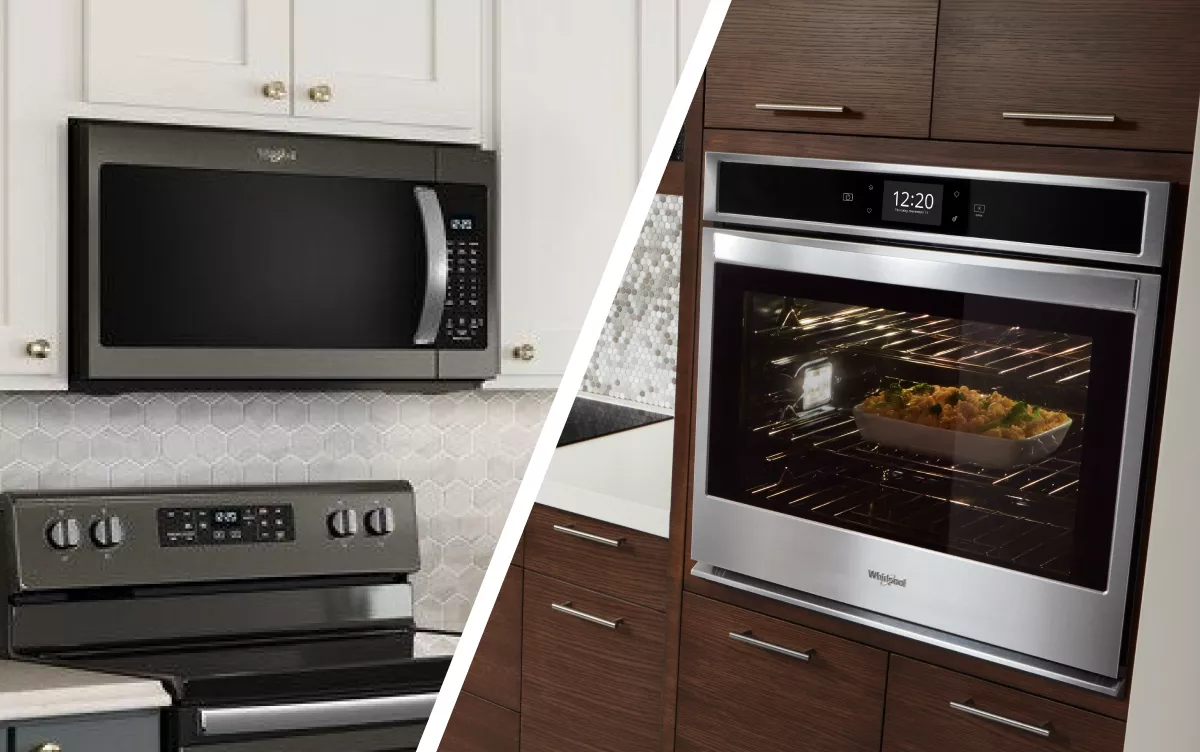
Credit: www.whirlpool.com
Maintenance And Cleaning
Keeping your microwave and oven clean and well-maintained not only extends their life but also ensures your food tastes better and cooks evenly. You might have noticed that a dirty microwave can start to smell or an oven that isn’t maintained can heat unevenly. Paying attention to how you clean and maintain these appliances can save you money and hassle in the long run.
Cleaning Microwaves
Microwaves need frequent cleaning because food splatters quickly inside. To make cleaning easier, place a bowl of water with lemon slices inside and run the microwave for a few minutes. The steam will loosen the grime, making it simple to wipe away with a soft cloth.
Avoid harsh chemicals; mild soap and water work well. Don’t forget to clean the door seals and the turntable regularly. A clean microwave means no lingering odors or burnt food spots that could affect your next meal.
Maintaining Ovens
Ovens require more attention because of their larger size and higher temperatures. After every few uses, remove and clean the racks with warm soapy water to prevent buildup of grease and food particles. Check the oven door seal; if it’s damaged, heat can escape, causing inefficient cooking.
Self-cleaning ovens are convenient but remember to remove any large food spills before running the cycle to avoid smoke. Inspect your oven’s heating elements occasionally for signs of damage or wear. Have you noticed uneven cooking? It might be time to recalibrate your oven or call a professional.
Choosing Between Microwave And Oven
Choosing between a microwave and an oven depends on your daily cooking habits and lifestyle. Each appliance offers unique benefits that suit different types of meals and kitchen setups. Understanding these differences helps you pick the right tool that fits your needs perfectly.
Cooking Needs
Think about what you cook most often. Microwaves excel at reheating leftovers, defrosting food, and cooking simple meals quickly.
Ovens are better for baking, roasting, and cooking dishes that need even heat and crisp textures. If you enjoy baking cakes or roasting vegetables, an oven is essential.
Ask yourself: Do you prioritize speed and convenience, or do you want versatility in cooking styles?
Kitchen Space
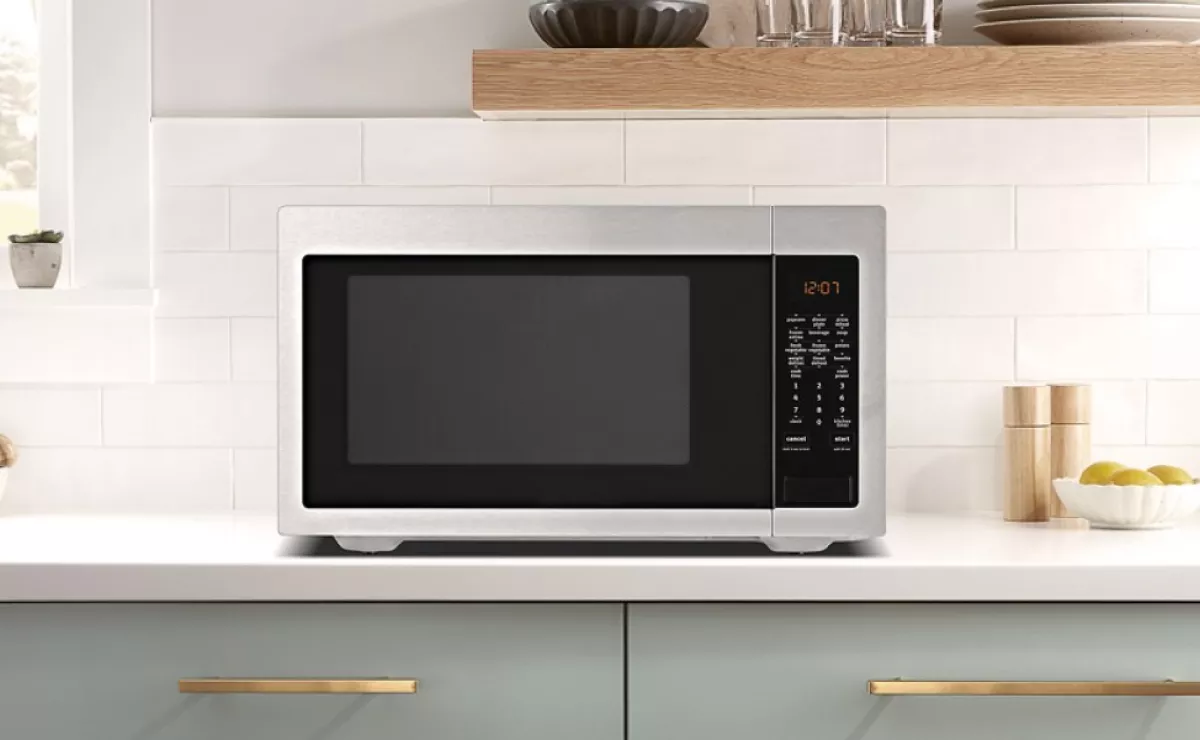
Space in your kitchen plays a big role in your choice. Microwaves are compact and can fit on countertops or be mounted above stoves, saving room.
Ovens, especially full-sized ones, require more space and often need built-in installation. If your kitchen is small, a microwave might be the better option.
Consider how much room you can dedicate to an appliance without crowding your cooking area.
Budget Factors
Microwaves generally cost less upfront and use less electricity, which can lower your bills. They are budget-friendly for those who want basic cooking functionality.
Ovens can be more expensive to buy and run but offer more cooking options, which might save money on eating out or buying prepared foods.
Think about how much you’re willing to invest now versus the long-term value you expect from your appliance.
Credit: www.maytag.com
Credit: www.kitchenaid.com
Frequently Asked Questions
What Is The Main Difference Between Microwave And Oven?
Microwaves use electromagnetic waves to heat food quickly. Ovens use hot air for slower, even cooking. Microwaves are best for reheating, while ovens are ideal for baking and roasting.
Which Appliance Cooks Food Faster, Microwave Or Oven?
Microwaves cook food much faster than ovens. They heat food from inside out using radiation. Ovens use slower convection heating, which takes more time.
Can I Bake In A Microwave Like An Oven?
Most microwaves can’t bake like traditional ovens. Some microwaves have convection features that allow baking. However, ovens provide better texture and browning for baked goods.
Are Microwaves Or Ovens More Energy-efficient?
Microwaves use less energy because they cook quickly. Ovens consume more energy due to longer cooking times. For small meals, microwaves are more energy-efficient.
Conclusion
Microwaves heat food quickly using waves. Ovens cook food slowly with hot air. Each has a different way to cook. Microwaves save time but may not brown food. Ovens take longer but give better texture. Choose based on your cooking needs and time.
Both are useful in the kitchen. Knowing their differences helps you cook smarter. Simple tools, different results.