Have you ever wondered how plants make their own food? It might seem like magic, but it’s actually a fascinating process that happens every day all around you.
Understanding what plants need to create food not only helps you care for your garden better but also connects you to the natural world in a deeper way. You’ll discover the simple ingredients plants rely on to grow strong and healthy.
Keep reading, and you’ll unlock the secrets behind how plants turn sunlight, water, and air into the energy they need to thrive.
Photosynthesis Basics
Plants make their own food through a process called photosynthesis. This process helps plants turn light into energy.
Photosynthesis happens mainly in the leaves of plants. It uses sunlight, water, and air to create food.
How Plants Make Food
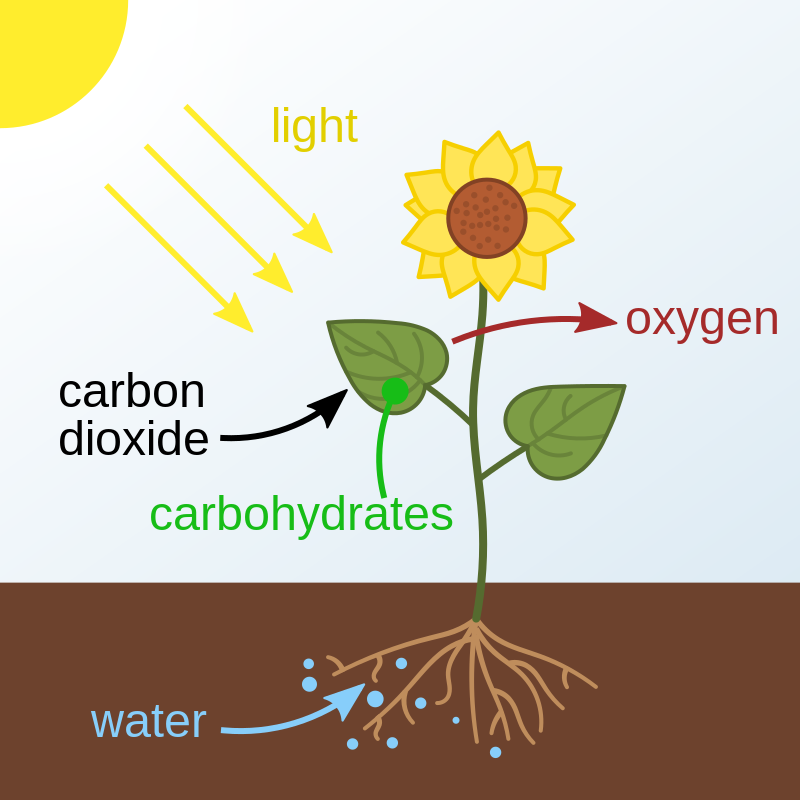
Plants take in sunlight through their leaves. They absorb water from the soil and carbon dioxide from the air.
Inside the leaves, plants use sunlight to change water and carbon dioxide into sugar and oxygen. The sugar is the food for the plant.
- Sunlight is the energy source
- Water comes from the roots
- Carbon dioxide enters through small leaf openings
- Oxygen is released as a byproduct
Role Of Chlorophyll
Chlorophyll is a green pigment in plant leaves. It captures sunlight needed for photosynthesis.
Without chlorophyll, plants cannot absorb light energy. It helps convert light into chemical energy to make food.
- Gives leaves their green color
- Absorbs sunlight for energy
- Helps transform light into sugar
Sunlight’s Role
Plants need sunlight to make their food. Sunlight is a key part of photosynthesis. This process allows plants to turn light into energy.
Without sunlight, plants cannot make the food they need. Sunlight helps plants grow and stay healthy.
Light Energy For Photosynthesis
Photosynthesis is how plants make food using sunlight. Light energy helps change carbon dioxide and water into sugar and oxygen.
This sugar is food for the plant. Oxygen is released into the air. Plants need enough light energy to do this process well.
Effects Of Light Intensity
Light intensity affects how much food plants can make. More light means more energy for photosynthesis.
Too little light slows down the process. Plants may not grow well. Enough light helps them grow strong and produce more food.
- Bright light boosts plant growth
- Dim light reduces food production
- Balanced light keeps plants healthy
Water’s Importance
Plants need water to make their own food. Water helps plants grow and stay healthy.
It plays a key role in the process called photosynthesis. Without water, plants cannot make food.
Water As A Raw Material
Water is one of the main ingredients plants use to create food. It mixes with carbon dioxide inside the leaves.
- Water enters the plant through the roots.
- It moves to the leaves where photosynthesis happens.
- Water splits to release oxygen and hydrogen.
- Hydrogen helps build sugar, the plant’s food.
Transport Within The Plant
After water enters the roots, it travels inside the plant through tubes called xylem. This helps the plant stay hydrated.
| Part of Plant | Role in Water Transport |
| Roots | Absorb water from soil |
| Xylem | Move water to leaves and stems |
| Leaves | Use water in photosynthesis |

Credit: sizzlekidz.com
Carbon Dioxide’s Contribution
Plants need carbon dioxide to make their food. This gas plays a key role in photosynthesis. Without carbon dioxide, plants cannot produce the sugars they need to grow.
In this section, we will explore where plants get carbon dioxide and how they exchange gases with the air.
Source Of Carbon
Carbon dioxide comes from the air around plants. It enters the leaves through tiny openings called stomata. This gas provides the carbon that plants use to build glucose, a type of sugar.
- Carbon dioxide is in the atmosphere at about 0.04% concentration.
- Plants absorb this gas during daylight hours.
- The carbon from CO2becomes part of the plant’s food.
- Oxygen is released as a by-product during this process.
Gas Exchange Process
Plants exchange gases through stomata on their leaves. These openings open and close to control the flow of gases. This process helps plants take in carbon dioxide and release oxygen.
| Gas | Direction | Purpose |
|---|---|---|
| Carbon Dioxide (CO2) | Into the leaf | Used to make sugars |
| Oxygen (O2) | Out of the leaf | Released as a waste product |
| Water Vapor (H2O) | Out of the leaf | Lost through transpiration |
Nutrients And Minerals
Plants need nutrients and minerals to make their own food. These elements help them grow strong and healthy.
Without the right nutrients, plants cannot produce enough food for themselves or for us.
Essential Soil Nutrients
Soil contains many nutrients that plants absorb through their roots. These nutrients help plants make food and grow.
The three main nutrients plants need are nitrogen, phosphorus, and potassium. These are called macronutrients.
- Nitrogen (N):Helps plants grow leaves and stems.
- Phosphorus (P):Supports root growth and flower development.
- Potassium (K):Improves overall plant health and resistance.
Plants also need smaller amounts of minerals like calcium, magnesium, and sulfur. These support many plant functions.
Impact On Food Production
When plants get enough nutrients, they produce more food through photosynthesis. This means bigger yields for farmers.
Poor soil nutrition leads to weak plants and less food. This can cause food shortages and higher prices.
- Good nutrient levels increase crop size and quality.
- Balanced minerals help plants resist diseases.
- Healthy plants use water and sunlight better.
Optimal Temperature
Plants need the right temperature to make food through photosynthesis. Temperature affects the speed of chemical reactions inside leaves.
If the temperature is too low or too high, plants cannot make food efficiently. This section explains the best temperature range and what happens in extreme heat or cold.
Temperature Range For Photosynthesis
Photosynthesis works best in a certain temperature range. Most plants do well between 20°C and 30°C (68°F to 86°F). This range helps enzymes work properly.
Below 10°C (50°F), photosynthesis slows down. Above 35°C (95°F), enzymes can become less active or stop working.
- 20°C to 30°C is the ideal range for many plants
- Below 10°C, photosynthesis rate drops
- Above 35°C, enzymes may break down
Effects Of Extreme Temperatures
Very cold temperatures can freeze water inside plant cells. This damages the cells and stops photosynthesis. Cold also slows enzyme activity.
Very hot temperatures can cause enzymes to stop working. Heat can also make plants lose water fast, causing stress and damage.
- Cold can freeze cells and slow enzymes
- Heat can break down enzymes and dry plants
- Extreme temperatures reduce food production in plants
Oxygen Release
Plants make food through photosynthesis. During this process, they release oxygen into the air.
This oxygen release is very important for life on Earth. It helps keep the air fresh and breathable.
Byproduct Of Food Making
Oxygen is a byproduct of photosynthesis. Plants take in carbon dioxide and water. Then, using sunlight, they make food called glucose. Oxygen is released as a waste product.
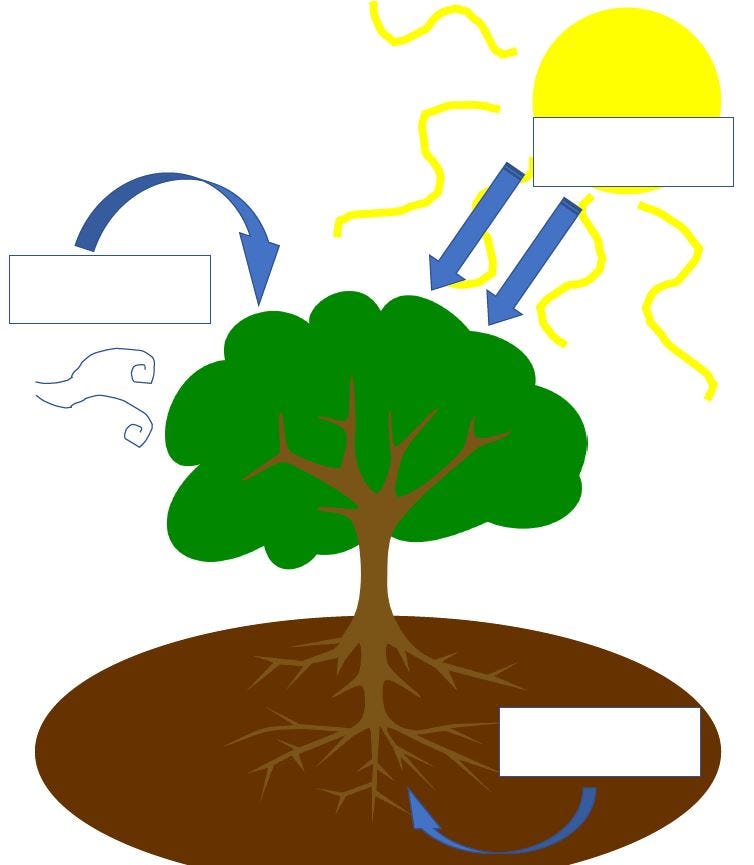
- Carbon dioxide enters the leaves.
- Water is absorbed by roots and moves to leaves.
- Sunlight provides energy for food making.
- Glucose is made for plant growth.
- Oxygen is released into the air.
Importance For Environment
| Benefit | Explanation |
| Supports breathing | Animals and humans need oxygen to breathe. |
| Keeps air clean | Oxygen helps break down pollutants. |
| Maintains balance | Helps keep oxygen and carbon dioxide levels balanced. |
| Supports life | Essential for most living organisms to survive. |

Credit: karstennursery.com
Credit: blog.littlelives.com
Frequently Asked Questions
What Essential Elements Do Plants Need To Make Food?
Plants need sunlight, water, carbon dioxide, and chlorophyll to make food. These elements enable photosynthesis, the process plants use to produce glucose and oxygen.
How Does Sunlight Help Plants Produce Food?
Sunlight provides energy for photosynthesis. Chlorophyll in leaves captures sunlight, which powers the conversion of carbon dioxide and water into glucose.
Why Is Carbon Dioxide Important For Plant Food Production?
Carbon dioxide is a key ingredient in photosynthesis. Plants absorb it from the air and use it to create glucose, their primary food source.
What Role Does Water Play In Plant Food Making?
Water is vital for photosynthesis. It supplies hydrogen atoms needed to form glucose and helps transport nutrients within the plant.
Conclusion
Plants need sunlight, water, air, and nutrients to make food. These elements work together in photosynthesis. Sunlight gives energy, water helps carry nutrients, and air provides carbon dioxide. Without any one of these, plants cannot produce food. This process keeps plants alive and helps them grow.
Understanding what plants need can help us care for them better. Healthy plants lead to a healthy environment. Simple, natural, and essential.