Have you ever wondered how plants make their own food and stay alive without eating like we do? Understanding what plants use to create food can change the way you see the world around you.
This simple process is the secret behind the green leaves, colorful flowers, and fresh fruits you enjoy every day. Keep reading, and you’ll discover the amazing tools plants use to feed themselves—and why it matters to you and the environment.

Credit: karstennursery.com
Photosynthesis Process
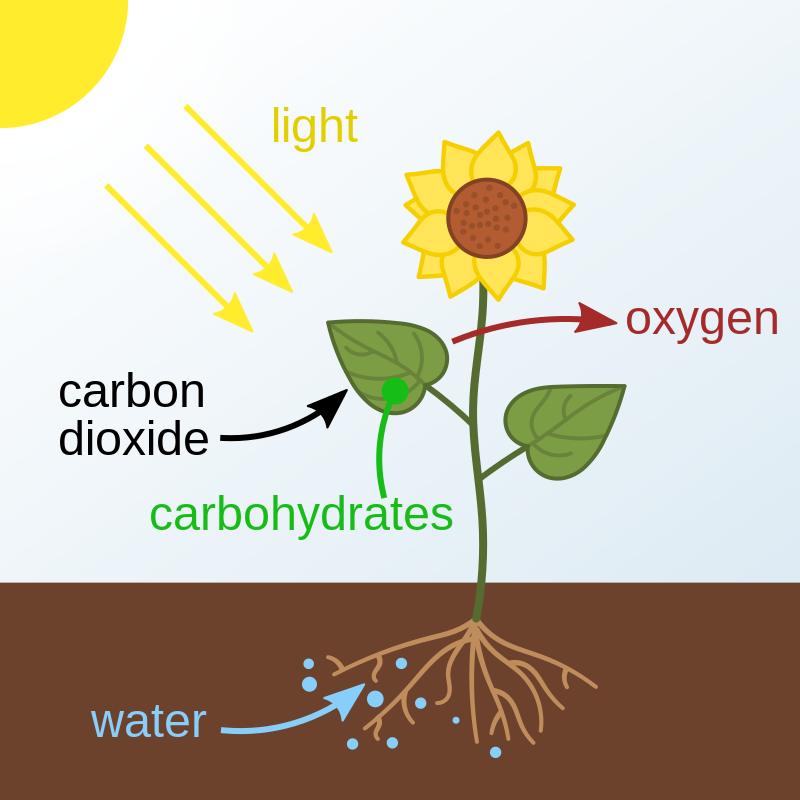
Plants make their own food using a process called photosynthesis. This process uses sunlight, water, and carbon dioxide.
Photosynthesis helps plants grow and produce oxygen for us to breathe.
Role Of Sunlight
Sunlight gives energy to plants for photosynthesis. Without sunlight, plants cannot make food.
The light energy from the sun starts a chemical reaction inside the leaves.
Function Of Chlorophyll
Chlorophyll is a green pigment in plant leaves. It captures sunlight to use in photosynthesis.
This pigment helps turn light energy into chemical energy plants can use.
Transformation Of Energy
Plants change sunlight energy into glucose, a type of sugar they use as food.
During this process, plants also release oxygen, which is important for animals and humans.
- Sunlight energy is captured by chlorophyll
- Water and carbon dioxide are used in the reaction
- Glucose is made for plant energy and growth
- Oxygen is released into the air

Credit: sizzlekidz.com
Carbon Dioxide Utilization
Plants need carbon dioxide to make their food. They take carbon dioxide from the air around them. This gas plays a key role in photosynthesis.
Using sunlight, plants turn carbon dioxide and water into glucose. Glucose is a type of sugar that plants use for energy and growth.
Source Of Carbon Dioxide
Plants get carbon dioxide mainly from the air. Tiny openings on leaves called stomata let the gas enter. Carbon dioxide is also found in the soil and water.
- Carbon dioxide enters through stomata on leaves
- It is available in the air around plants
- Some carbon dioxide dissolves in water and soil
Incorporation Into Glucose
Plants use carbon dioxide in a process called the Calvin cycle. This happens inside chloroplasts, the green parts of cells. The carbon dioxide combines with other molecules to form glucose.
| Stage | Description |
|---|---|
| Carbon Fixation | Carbon dioxide attaches to a 5-carbon sugar. |
| Reduction | The compound changes into a 3-carbon sugar using energy. |
| Glucose Formation | Two 3-carbon sugars combine to form glucose. |
Water’s Contribution
Plants need water to make their food. Water helps plants stay healthy and grow strong.
Water moves inside the plant and takes part in important processes. It helps plants turn sunlight into energy.
Absorption Through Roots
Plants take water from the soil using their roots. Roots soak up water like a sponge.
The water travels from the roots to the leaves through tiny tubes called xylem. This keeps the plant hydrated.
Role In Chemical Reactions
Water is part of photosynthesis, the process plants use to make food. It splits into oxygen and hydrogen during this reaction.
The hydrogen combines with carbon dioxide to form glucose, which is the plant’s food. Oxygen is released into the air.
- Water splits into hydrogen and oxygen
- Hydrogen helps create glucose
- Oxygen is released as a byproduct
Nutrient Absorption
Plants need nutrients to make food and grow. They absorb these nutrients from the soil through their roots.
Water carries minerals from the soil into the plant. These minerals help plants perform photosynthesis and other functions.
Essential Minerals
Plants need many minerals to stay healthy. Some minerals are more important than others for making food.
These minerals include nitrogen, phosphorus, and potassium. They help plants grow leaves, roots, and flowers.
- Nitrogen helps build proteins and leaves.
- Phosphorus supports energy transfer in cells.
- Potassium controls water movement and enzyme activity.
- Calcium strengthens cell walls.
- Magnesium is part of chlorophyll for photosynthesis.
- Sulfur helps create amino acids.
Role Of Soil Composition
Soil composition affects how well plants absorb nutrients. Good soil has a balance of sand, silt, and clay.
Healthy soil holds water and minerals well. It also lets air reach the roots so plants can breathe.
- Sandy soil drains water quickly but holds fewer nutrients.
- Clay soil holds water and nutrients but can block air.
- Loamy soil has the best mix for nutrient absorption.
Oxygen Production
Plants make food using sunlight, water, and carbon dioxide. This process is called photosynthesis.
During photosynthesis, plants also produce oxygen, which is important for life on Earth.
Release Into Atmosphere
Plants release oxygen into the air through tiny holes in their leaves. These holes are called stomata.
The oxygen comes from splitting water molecules during photosynthesis. This oxygen is then released outside.
Importance For Ecosystems
Oxygen produced by plants is essential for animals and humans to breathe. It supports all living creatures.
Plants also help keep the air clean and balance gases in the atmosphere. This keeps ecosystems healthy.
- Animals need oxygen to live
- Oxygen helps burn food for energy
- Plants keep oxygen levels steady
- Healthy oxygen levels support biodiversity

Credit: askabiologist.asu.edu
Factors Affecting Photosynthesis
Plants use sunlight, water, and carbon dioxide to make food. This process is called photosynthesis. Many things affect how well plants make food.
Light, carbon dioxide, and temperature are important factors. These affect the speed of photosynthesis and how much food plants produce.
Light Intensity
Light provides energy for photosynthesis. When light is bright, plants make food faster. If light is dim, photosynthesis slows down.
Too much light can harm plants. They need the right amount for best growth. Light affects how fast plants produce sugar.
- Bright light increases photosynthesis
- Low light decreases food production
- Excess light can damage leaves
Carbon Dioxide Levels
Plants use carbon dioxide to make food. Higher carbon dioxide levels help plants make more sugar. Low levels slow down photosynthesis.
Carbon dioxide enters leaves through tiny holes. If these holes close, less carbon dioxide gets in, and photosynthesis drops.
- More carbon dioxide speeds up photosynthesis
- Less carbon dioxide slows food production
- Stomata control carbon dioxide intake
Temperature Influence
Temperature affects the enzymes in plants. Warm temperatures speed up photosynthesis to a point. Too hot or too cold slows it down.
Each plant has a best temperature range for photosynthesis. Outside this range, the process is less efficient and plants make less food.
- Moderate warmth boosts photosynthesis
- High heat can damage plant enzymes
- Cold temperatures slow down the process
Frequently Asked Questions
What Materials Do Plants Need To Make Food?
Plants need sunlight, water, and carbon dioxide to make food. They use chlorophyll to capture sunlight. These elements combine to produce glucose through photosynthesis.
How Does Sunlight Help Plants Produce Food?
Sunlight provides energy for photosynthesis. Chlorophyll absorbs light, converting it into chemical energy. This energy drives the food-making process in plants.
Why Is Carbon Dioxide Essential For Plant Food Production?
Carbon dioxide is a key ingredient in photosynthesis. Plants take in CO2 from the air and combine it with water to create glucose, their food source.
What Role Does Water Play In Plant Food Creation?
Water supplies hydrogen atoms needed for glucose formation. It also helps transport nutrients and maintains plant structure during photosynthesis.
Conclusion
Plants make food using sunlight, water, and air. They use a process called photosynthesis. This process helps plants turn simple things into energy. Leaves capture sunlight, roots take water, and leaves also absorb carbon dioxide. The food made is called glucose, which helps plants grow.
Oxygen is released into the air during this process. Understanding how plants make food shows how important they are. They keep the air clean and provide food for animals and people. Nature works in a simple, amazing way.