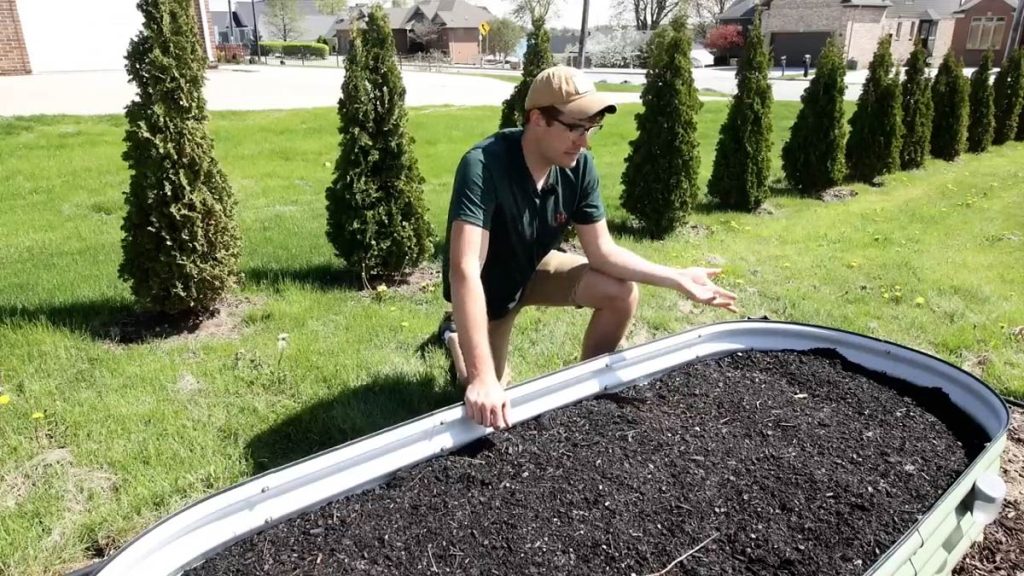
Are you ready to grow a thriving garden but unsure what to fill your raised garden beds with? Choosing the right soil mix can make all the difference between a garden that flourishes and one that struggles.
You want your plants to get the nutrients, drainage, and support they need to grow strong. You’ll discover exactly what materials to use to fill your raised beds, how to create the perfect blend, and tips to keep your garden healthy season after season.
Keep reading to unlock the secret to a successful raised garden!
Benefits Of Raised Garden Beds
Raised garden beds offer many advantages for growing plants. They help create better soil conditions and protect your plants.
Knowing what to fill raised beds with is key to healthy plants and strong growth.
Improved Soil Quality
Raised beds let you control the soil quality easily. You can add rich, loose soil that drains well.
This soil mix helps roots grow deep and strong. It also reduces soil compaction and improves air flow.
Better Drainage
Raised beds drain water faster than ground soil. This prevents waterlogging and root rot in plants.
Good drainage keeps roots healthy and helps plants get the right amount of water.
Weed And Pest Control
Filling raised beds with clean soil reduces weed growth. It also limits pests found in native soil.
You spend less time weeding and see healthier plants with fewer pest problems.
Extended Growing Season
Raised beds warm up faster in spring. This lets you plant earlier and grow longer into fall.
Good soil in raised beds holds heat well, helping plants stay healthy in cooler weather.
Easier Plant Care
Raised beds are easier to reach than ground gardens. This makes planting, watering, and harvesting simple.
Filling beds with light, loose soil also reduces hard work and strain on your back.
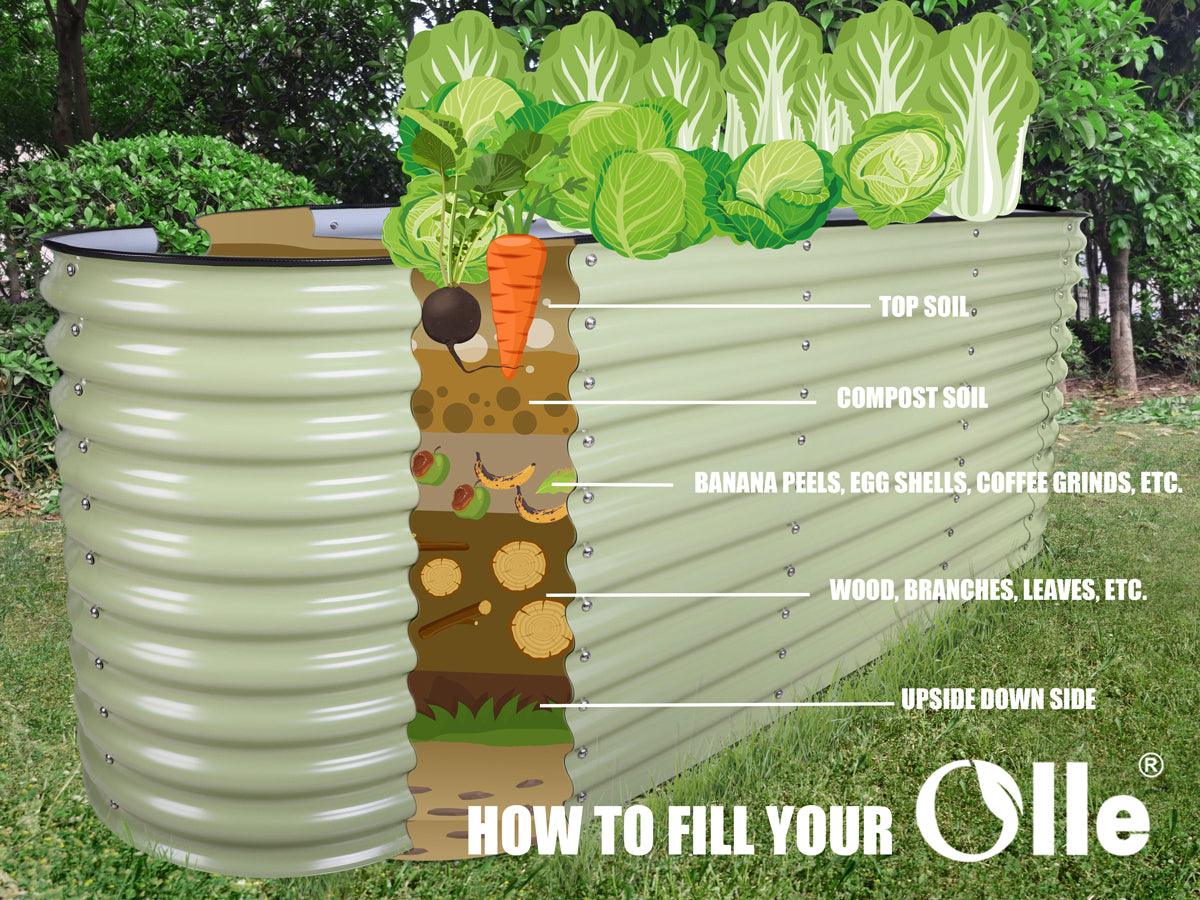
Credit: www.ollegardens.com
Essential Components Of Soil Mix
Raised garden beds need good soil to help plants grow well. The right soil mix gives plants water, air, and nutrients.
Choosing the right parts for your soil mix is important. It helps your garden stay healthy and strong.
Topsoil And Its Role
Topsoil is the upper layer of soil. It holds many minerals and helps plants get a good start.
This soil is good for raised beds because it supports roots and keeps water. It also contains tiny living things that help plants.
Compost For Nutrients
Compost is made from old plants and food scraps. It adds nutrients to the soil that plants need to grow.
Using compost makes the soil rich and helps plants fight diseases. It also improves soil texture and water holding.
- Supplies nitrogen, phosphorus, and potassium
- Supports beneficial microbes
- Improves soil moisture retention
Importance Of Aeration Materials
Aeration materials help keep the soil loose. They let air reach the roots and stop the soil from packing too tight.
Good aeration helps roots get oxygen and grow better. Common materials include perlite, vermiculite, and coarse sand.
- Prevents waterlogging
- Improves root growth
- Keeps soil light and fluffy
Choosing The Right Soil For Different Plants
Raised garden beds need the right soil for plants to grow well. Different plants like different soil types.
Good soil helps plants get nutrients, water, and air. It also supports healthy roots and growth.
Vegetables And Herbs
Vegetables and herbs need soil that drains well but holds moisture. They grow best in soil rich in nutrients.
Use a mix of garden soil, compost, and peat moss or coconut coir. This gives good texture and fertility.
- 50% high-quality garden soil
- 30% compost for nutrients
- 20% peat moss or coconut coir for moisture retention
Flowers And Ornamentals
Flowers and ornamental plants like soil that is light and drains quickly. Avoid soil that stays soggy.
Mix garden soil with sand and organic matter to improve drainage and keep nutrients available.
- 40% garden soil
- 30% coarse sand for drainage
- 30% compost or leaf mold for nutrients
Fruit-bearing Plants
Fruit plants need rich, well-drained soil that holds moisture but does not stay wet. They need many nutrients.
Combine garden soil with compost and aged manure for best results. This mix feeds plants for a long time.
- 40% garden soil
- 40% compost
- 20% aged manure for extra nutrients
Layering Technique For Optimal Growth
Raised garden beds need good soil to help plants grow strong. Using layers in your bed helps water drain well and adds nutrients. This technique keeps roots healthy and plants happy.
Each layer in the bed has a special role. Choosing the right materials for each layer improves soil quality and plant growth.
Base Layer Considerations
The base layer is the bottom part of the garden bed. It helps with drainage and stops weeds from growing up. Use coarse materials that let water flow through easily.
- Use small rocks or broken bricks
- Add coarse wood chips or straw
- Avoid using fine soil here
Middle Layer Composition
The middle layer holds organic matter that breaks down to feed plants. This layer should be rich in nutrients and allow roots to grow well.
- Add compost or well-rotted manure
- Include shredded leaves or grass clippings
- Mix in garden soil for stability
Top Layer Essentials
The top layer is where plants root and grow. It needs loose, nutrient-rich soil that holds moisture but drains well. Keep this layer healthy for best results.
- Use a mix of garden soil and compost
- Add peat moss or coconut coir to retain water
- Ensure soil is fine and crumbly
Organic Vs. Commercial Soil Mixes
Choosing the right soil mix is key for raised garden beds. Organic and commercial mixes offer different benefits and drawbacks.
This guide explains the pros and cons of organic soil mixes and the advantages of commercial soil options.
Pros And Cons Of Organic Mixes
Organic soil mixes use natural ingredients like compost and peat. They improve soil health and support beneficial microbes.
- Pros:Rich in nutrients, supports earthworms, improves soil structure.
- Cons:Can be costly, may contain weed seeds, slower nutrient release.
- Needs frequent replenishing to maintain fertility.
- May attract pests if not properly managed.
Advantages Of Commercial Soil Options
Commercial soil mixes are ready-made blends. They often include fertilizers and additives for quick plant growth.
| Feature | Benefit |
|---|---|
| Consistent texture | Easy to work with and plant in |
| Pre-mixed nutrients | Supports fast growth |
| Sterilized | Reduces risk of diseases and pests |
| Less organic matter | May need supplements for long-term soil health |
Credit: www.youtube.com
Diy Soil Mix Recipes
Raised garden beds need good soil to grow healthy plants. You can make your own soil mix at home. This saves money and lets you control what goes in the soil.
Below are two recipes. One is simple for beginners. The other is for gardeners who want a richer mix.
Basic Recipe For Beginners
This easy recipe uses common materials. It gives plants what they need to start growing well.
- 1 part garden soil
- 1 part compost
- 1 part peat moss or coconut coir
- ½ part perlite or coarse sand for drainage
Mix these ingredients well before filling your raised bed. This mix holds moisture and drains well.
Advanced Mix For Experienced Gardeners
This richer mix uses extra ingredients. It improves soil nutrition and helps plants grow strong.
| Ingredient | Amount | Purpose |
|---|---|---|
| Garden soil | 2 parts | Base and minerals |
| Compost | 2 parts | Organic matter and nutrients |
| Peat moss or coconut coir | 1 part | Moisture retention |
| Perlite or coarse sand | 1 part | Drainage and aeration |
| Worm castings | ½ part | Natural fertilizer |
| Bone meal | ¼ part | Phosphorus for root growth |
| Blood meal | ¼ part | Nitrogen source |
Common Mistakes And How To Avoid Them
Raised garden beds need the right fill for plants to grow well. Many gardeners make simple mistakes with soil and water.
Understanding common problems helps you avoid plant stress and poor growth. Let’s look at some key issues.
Overwatering Issues
Too much water can drown roots and cause plants to rot. Raised beds drain faster but still need careful watering.
- Check soil moisture before watering.
- Water only when the top inch of soil feels dry.
- Use mulch to keep moisture steady.
- Avoid watering late in the day to reduce disease risk.
Soil Compaction Problems
Soil that is too dense stops roots from growing and blocks air. Raised beds need fluffy soil to stay loose.
| Cause | Effect | Prevention |
|---|---|---|
| Heavy clay soil | Poor drainage | Add compost and sand |
| Walking on soil | Compacts soil | Use paths, avoid stepping inside bed |
| Too much tilling | Breaks soil structure | Till lightly, add organic matter |
Nutrient Imbalances
Plants need balanced nutrients to grow strong. Too much or too little of some nutrients harms plants.
- Test soil before planting to know nutrient levels.
- Use compost or balanced fertilizers as needed.
- Rotate crops to avoid nutrient depletion.
- Watch plants for signs of deficiency or excess.

Credit: migardener.com
Maintenance Tips For Long-lasting Soil Health
Good soil helps plants grow strong in raised garden beds. Keeping soil healthy needs regular care.
Use simple steps to keep your soil rich and full of nutrients. This helps your garden last for years.
Regular Soil Testing
Test your soil every year to check its nutrients and pH level. This shows what your soil needs.
Soil tests help you add the right ingredients to keep plants healthy. You can buy easy test kits online.
- Test soil pH to keep it balanced
- Check for nitrogen, phosphorus, and potassium levels
- Adjust soil based on test results
- Test soil before planting each season
Amending Soil Over Time
Add organic matter like compost or manure to your soil. This improves soil texture and nutrients.
Mix amendments into the soil each year to keep it loose and fertile. Avoid using too much synthetic fertilizer.
- Add compost to increase soil nutrients
- Use mulch to keep moisture and reduce weeds
- Rotate crops to avoid soil depletion
- Mix amendments well into the soil
Seasonal Care Practices
Prepare your raised beds for each season. This helps protect soil and plants through weather changes.
Remove dead plants and add mulch in fall. In spring, loosen soil and add fresh compost before planting.
- Clear old plants after harvest
- Add mulch to protect soil in winter
- Loosen soil in early spring
- Apply compost before planting season
Frequently Asked Questions
What Materials Are Best For Filling Raised Garden Beds?
The best materials include a mix of topsoil, compost, and organic matter. This blend ensures good drainage and nutrient retention. Avoid using only garden soil as it may compact and hinder root growth. Mixing materials promotes healthy plant growth and soil structure.
Can I Use Only Compost To Fill Raised Beds?
Using only compost is not ideal. Compost is nutrient-rich but lacks structure. It can compact and hold too much moisture. Mixing compost with topsoil or other materials balances nutrients and improves drainage. This mix supports healthy roots and plants.
How Deep Should The Soil Be In Raised Garden Beds?
Soil depth should be at least 12 to 18 inches. This depth provides enough space for most vegetable roots. Deeper beds support larger plants and better root development. Shallow soil can restrict growth and reduce yields.
Is It Necessary To Add Fertilizer To Raised Beds?
Adding fertilizer depends on the soil mix used. Well-balanced compost often provides sufficient nutrients. Supplement with organic fertilizers if plants show nutrient deficiencies. Regular soil testing helps determine if fertilizer is needed.
Conclusion
Filling raised garden beds with the right mix helps plants grow strong. Use a blend of topsoil, compost, and organic matter for best results. This mix keeps soil loose and full of nutrients. It also drains water well, preventing root problems.
Regularly adding compost keeps the soil healthy over time. Healthy soil means healthier plants and better harvests. Start with good soil, and your garden will thank you. Simple steps lead to a thriving garden bed every season.