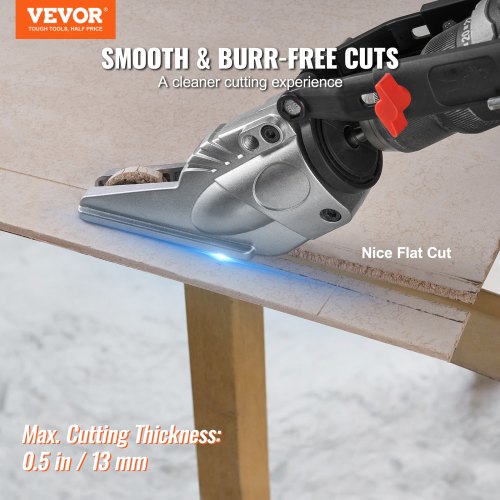
Are you ready to tackle your next tiling project but unsure how to cut backer board cleanly and safely? Knowing the right tools to use can save you time, effort, and frustration.
Whether you’re a DIY enthusiast or a professional, choosing the best cutting method will make your work smoother and your results sharper. You’ll discover simple, effective tools and techniques to cut backer board like a pro. Keep reading, and you’ll gain the confidence to handle your project with ease from start to finish.

Credit: www.tilemountain.co.uk
Types Of Backer Board
Backer boards are important for tile and stone projects. They provide a strong and stable surface.
Different types of backer boards need different cutting tools. Let’s look at common types.
Cement Backer Board
Cement backer board is made from cement and reinforcing fibers. It is very strong and water resistant.
You can cut cement backer board with a circular saw. Use a carbide-tipped blade to cut smoothly.
- Wear a dust mask for safety
- Cut slowly to avoid chipping
- Use a straight edge as a guide
Fiber Cement Board
Fiber cement board contains cement and cellulose fibers. It is lighter than cement backer board.
Use a circular saw with a diamond blade to cut fiber cement board. Score and snap for small pieces.
- Wear eye protection and a dust mask
- Cut outside to reduce dust indoors
- Use clamps to hold the board steady
Foam Backer Board
Foam backer board is made from rigid foam with a fiberglass mesh. It is lightweight and easy to cut.
You can cut foam backer board with a utility knife or handsaw. Score and snap for clean edges.
- Use a straight edge for straight cuts
- Wear gloves to protect your hands
- Cut slowly to avoid tearing the mesh

Credit: www.tilemountain.co.uk
Essential Cutting Tools
Cutting backer board requires the right tools to make clean and precise cuts. Using the proper cutting tools also helps avoid damage to the board and ensures safety.
Different tools suit various types of cuts and thicknesses. Here are some common tools used to cut backer board effectively.
Utility Knife
A utility knife is a simple and handy tool for cutting thin backer boards. It works best for scoring the surface before snapping the board along the cut line.
Carbide-tipped Scoring Knife
This tool features a carbide tip that stays sharp longer than a regular blade. It is perfect for scoring hard backer boards to create a clean break.
- Durable carbide blade
- Sharp and precise cuts
- Ideal for straight scoring
- Reduces chipping and dust
Circular Saw
A circular saw cuts through thick backer board quickly. Use a diamond blade or carbide-tipped blade to prevent blade damage and get smooth cuts.
| Blade Type | Best For | Cut Quality |
| Diamond Blade | Hard backer boards | Clean and smooth |
| Carbide-Tipped Blade | General cutting | Good and fast |
| Standard Blade | Thin boards only | Rough edges |
Jigsaw
A jigsaw lets you make curved and irregular cuts in backer board. Use blades designed for masonry or tile for better performance and less wear.
Tips for using a jigsaw:
- Choose the right blade for the material
- Secure the board firmly before cutting
- Cut slowly to avoid chipping
- Wear safety goggles and a dust mask
Specialized Blades And Accessories
Cutting backer board requires tools made for tough materials. Using the right blades and accessories helps you get clean cuts.
This guide covers diamond blades, carbide grit blades, and dust collection attachments. Each has a special role in the cutting process.
Diamond Blades
Diamond blades have small diamonds embedded on their edges. They cut through backer boards with ease and last a long time.
These blades work well on cement boards and other hard surfaces. They give smooth, straight cuts without much chipping.
Carbide Grit Blades
Carbide grit blades use tiny carbide particles on the blade edge. They are good for scoring and snapping backer board.
- They create straight cuts with less dust.
- Best for thin or flexible backer boards.
- Less expensive than diamond blades.
- Can be used on wood and drywall too.
Dust Collection Attachments
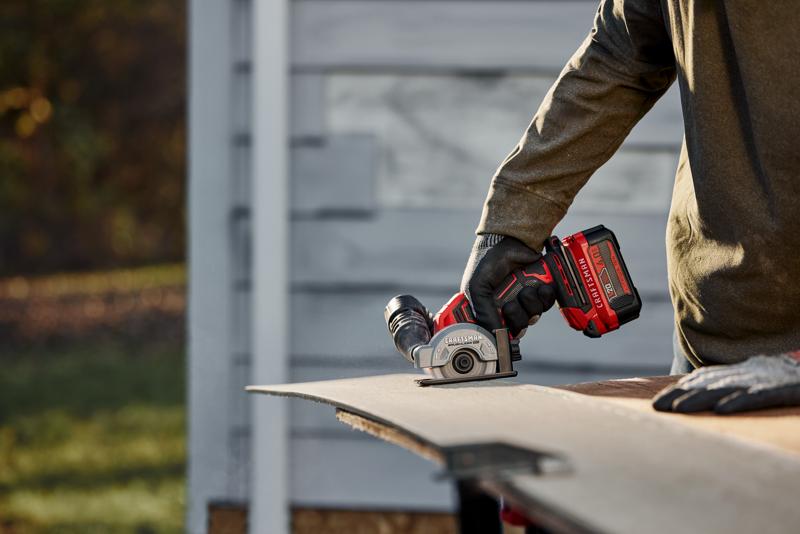
Cutting backer board creates a lot of dust. Dust collection attachments help keep your workspace clean.
| Attachment Type | Benefit | Compatibility |
| Vacuum Shroud | Connects to shop vac for dust pickup | Most circular saws |
| Dust Bag | Collects dust directly on tool | Some handheld cutters |
| HEPA Filter | Traps fine dust particles | Vacuum systems |
Credit: www.craftsman.com
Cutting Techniques
Cutting backer board correctly helps ensure a smooth installation. Using the right tools and methods makes the work easier and safer.
This guide covers simple cutting techniques and tips to handle backer board with care.
Scoring And Snap Method
This method works best with thinner backer boards. Score the surface with a utility knife along a straight edge. Then snap the board down to break it cleanly.
- Use a sharp utility knife for clean cuts.
- Score deeply but not all the way through on the front side.
- Flip the board and snap it over a firm edge.
- Smooth rough edges with sandpaper if needed.
Power Saw Cutting Tips
Power saws speed up cutting thick backer boards. Use a carbide-tipped blade designed for cement board or tile backer.
| Tip | Details |
| Blade Type | Carbide-tipped, 10 to 12 inches diameter |
| Speed | Use medium speed to reduce dust |
| Cutting Direction | Cut slowly and steadily along the line |
| Support | Support board on both sides of cut |
| Dust Control | Use vacuum or water to limit dust |
Safety Precautions
Cutting backer board creates dust and sharp edges. Protect yourself to avoid injury and health risks.
- Wear a dust mask or respirator to protect lungs.
- Use safety goggles to shield your eyes.
- Wear gloves to prevent cuts on sharp edges.
- Cut in a well-ventilated area or outside.
- Keep your work area clean and free of debris.
Tool Maintenance And Care
Cutting backer board requires tools that stay sharp and clean. Proper care keeps them working well. It also makes your work easier and safer.
Regular maintenance prevents damage and extends tool life. Learn how to sharpen blades, clean tools, and replace worn parts.
Blade Sharpening
Sharp blades cut backer board smoothly without tearing. Dull blades make cuts rough and can cause mistakes.
- Remove the blade from the tool carefully.
- Use a sharpening stone or diamond sharpener.
- Hold the blade at the correct angle, usually 20 degrees.
- Sharpen each side evenly with smooth strokes.
- Wipe the blade clean before reinstalling it.
Cleaning And Storage
Dirt and dust can clog tools and cause rust. Cleaning tools after use keeps them in good shape.
| Cleaning Step | Tool Part | Method |
| Remove dust | Blade and handle | Brush or compressed air |
| Wipe dirt | Blade surface | Cloth with mild soap |
| Dry | All parts | Dry cloth or air dry |
| Oil | Metal parts | Light machine oil |
| Store | Tool | Dry place, away from moisture |
Replacing Worn Parts
Worn parts reduce tool performance and safety. Replace blades and handles if damaged or dull beyond sharpening.
- Check blades for chips or cracks.
- Replace blades with the correct size and type.
- Inspect handles for cracks or looseness.
- Tighten or replace screws and fasteners.
- Keep spare parts ready for quick changes.
Choosing The Right Tool For Your Project
Cutting backer board requires the right tool for clean and safe results. The tool you pick depends on your project’s needs.
Using the correct tool saves time and effort. It also helps you avoid damaging the backer board.
Project Size And Complexity
Small projects with simple cuts can use hand tools. Large or complex projects need power tools for accuracy and speed.
- For small cuts, a utility knife works well.
- For straight long cuts, a score-and-snap method with a knife is effective.
- For curves or detailed shapes, a jigsaw or rotary tool is better.
- For large sheets, a circular saw with a diamond blade cuts quickly.
Budget Considerations
| Tool Type | Cost Range | Best For |
| Utility Knife | Low | Small, simple cuts |
| Jigsaw | Medium | Curved or detailed cuts |
| Circular Saw | Medium to High | Large sheets, straight cuts |
| Rotary Tool | Medium | Fine, detailed work |
Skill Level
Choose a tool that matches your experience. Simple tools suit beginners. Power tools need careful handling.
- Utility knife: Easy to use and safe.
- Jigsaw: Requires some practice for smooth cuts.
- Circular saw: Best for users comfortable with power tools.
- Rotary tool: Good for precise cuts but needs control.
Frequently Asked Questions
What Tools Cut Backer Board Efficiently?
To cut backer board efficiently, use a carbide-tipped scoring tool, circular saw, or jigsaw. Scoring tools are great for straight cuts. Circular saws handle larger projects, while jigsaws excel at curves. Ensure you have a dust mask, as cutting generates dust.
Always prioritize safety when using power tools.
Can I Use A Utility Knife To Cut Backer Board?
Yes, a utility knife can cut backer board. It’s best for thin boards and straight cuts. Score the board multiple times, then snap it along the line. This method is dust-free and quiet. However, it requires patience and may not be ideal for thicker boards.
Is A Circular Saw Good For Cutting Backer Board?
A circular saw is excellent for cutting backer board. It quickly handles straight cuts on thick boards. Use a carbide-tipped blade for best results. Always wear protective gear, as this method produces dust. Ensure proper ventilation or use a saw with a dust collection feature.
Should I Wear Safety Gear When Cutting Backer Board?
Yes, wearing safety gear is crucial when cutting backer board. Always wear a dust mask, goggles, and gloves. This prevents inhalation of harmful dust and protects your eyes and hands. Proper safety gear ensures a safer and more comfortable cutting experience, reducing the risk of injury.
Conclusion
Cutting backer board needs the right tools for clean, straight edges. A score-and-snap knife works well for thin boards. For thicker boards, use a carbide-tipped scoring tool or a backer board cutter. Always measure twice before cutting to avoid mistakes.
Wear safety gear to protect your eyes and hands. Taking time and using proper tools makes the job easier. With careful cutting, your project will have a strong, smooth base. Choose the tool that fits your backer board type and skill level.