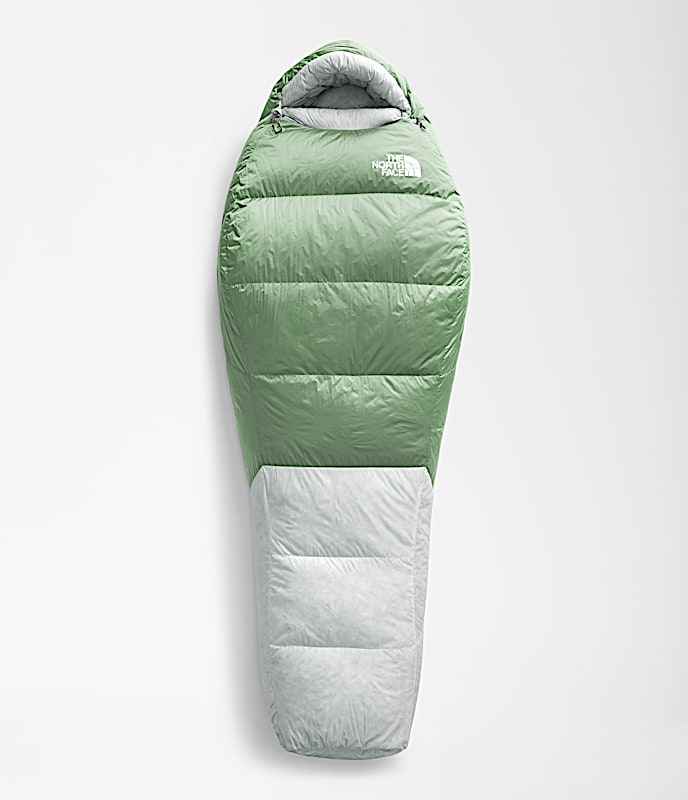
Have you ever wondered what a 0 degree sleeping bag really means for your camping trips? If you’re planning to spend nights in cold weather, understanding this term can make all the difference between a cozy sleep and a freezing night.
Knowing how to choose the right sleeping bag can keep you safe, warm, and comfortable. Keep reading, and you’ll discover exactly what a 0 degree sleeping bag is, why it matters, and how it can impact your outdoor adventures. Your next night under the stars could depend on it.
0 Degree Sleeping Bag Basics
A 0 degree sleeping bag is designed for very cold weather. It keeps you warm in freezing temperatures.
These sleeping bags are popular with campers and hikers who face winter conditions. Understanding what 0 degree means helps you pick the right gear.
Temperature Ratings Explained
Sleeping bags have temperature ratings to show how cold it can get before you feel cold. The 0 degree rating means the bag can handle freezing weather.
This rating is based on tests with a standard person wearing light clothing. It helps you know if the bag suits your trip’s weather.
- Comfort rating: lowest temperature you stay warm
- Limit rating: lowest temp to avoid cold stress
- Extreme rating: survival temperature, very cold
Why 0 Degree Matters
The 0 degree rating matters for safety and comfort. It means the bag protects you from frostbite and hypothermia.
Choosing a bag with the right rating keeps you warm and helps you sleep better outdoors. It fits trips in cold seasons or high altitudes.
Materials And Insulation Types
A 0 degree sleeping bag is designed to keep you warm in freezing temperatures. The materials and insulation inside the bag play a big role in how well it works. Choosing the right fill and fabric can make your camping nights safe and comfortable.
Insulation comes in two main types: down and synthetic. Each has its own strengths and weaknesses. The outer shell fabric also affects durability and weather resistance.
Down Vs Synthetic Fill
Down insulation comes from the soft feathers of ducks or geese. It traps air very well, making it light and warm. Synthetic fill is made from man-made fibers that mimic down. It works better if wet and is easier to clean.
- Down Fill:Very warm and lightweight. Compresses well for easy packing. Loses insulation when wet.
- Synthetic Fill:Keeps warmth even when wet. Usually heavier and bulkier than down.
- Durability:Down lasts longer if kept dry. Synthetic can wear out faster but dries quickly.
- Price:Down is often more expensive. Synthetic is more affordable.
Shell Fabrics And Durability
The shell fabric protects the insulation inside. It needs to be tough and water-resistant. Common fabrics include nylon and polyester. Ripstop nylon is popular for its strength and light weight.
| Fabric Type | Strength | Water Resistance | Weight |
| Nylon | High | Good | Light |
| Ripstop Nylon | Very High | Good | Light |
| Polyester | Medium | Fair | Medium |
Choosing The Right 0 Degree Sleeping Bag
A 0 degree sleeping bag is designed for cold weather camping. It keeps you warm at freezing temperatures. Choosing the right one means looking at key features.
Two important factors are fit and size, and weight and packability. These affect comfort and ease of use during your trip.
Fit And Size Considerations
Fit affects how well the sleeping bag keeps heat. A bag that is too big lets cold air in. A bag that is too small feels tight and uncomfortable.
- Choose a bag that matches your height. Your feet should not touch the end.
- Look for bags with adjustable hoods for better head warmth.
- Consider the shape: mummy bags are snug, rectangular bags offer more space.
- Check the shoulder width to avoid cold spots.
Weight And Packability
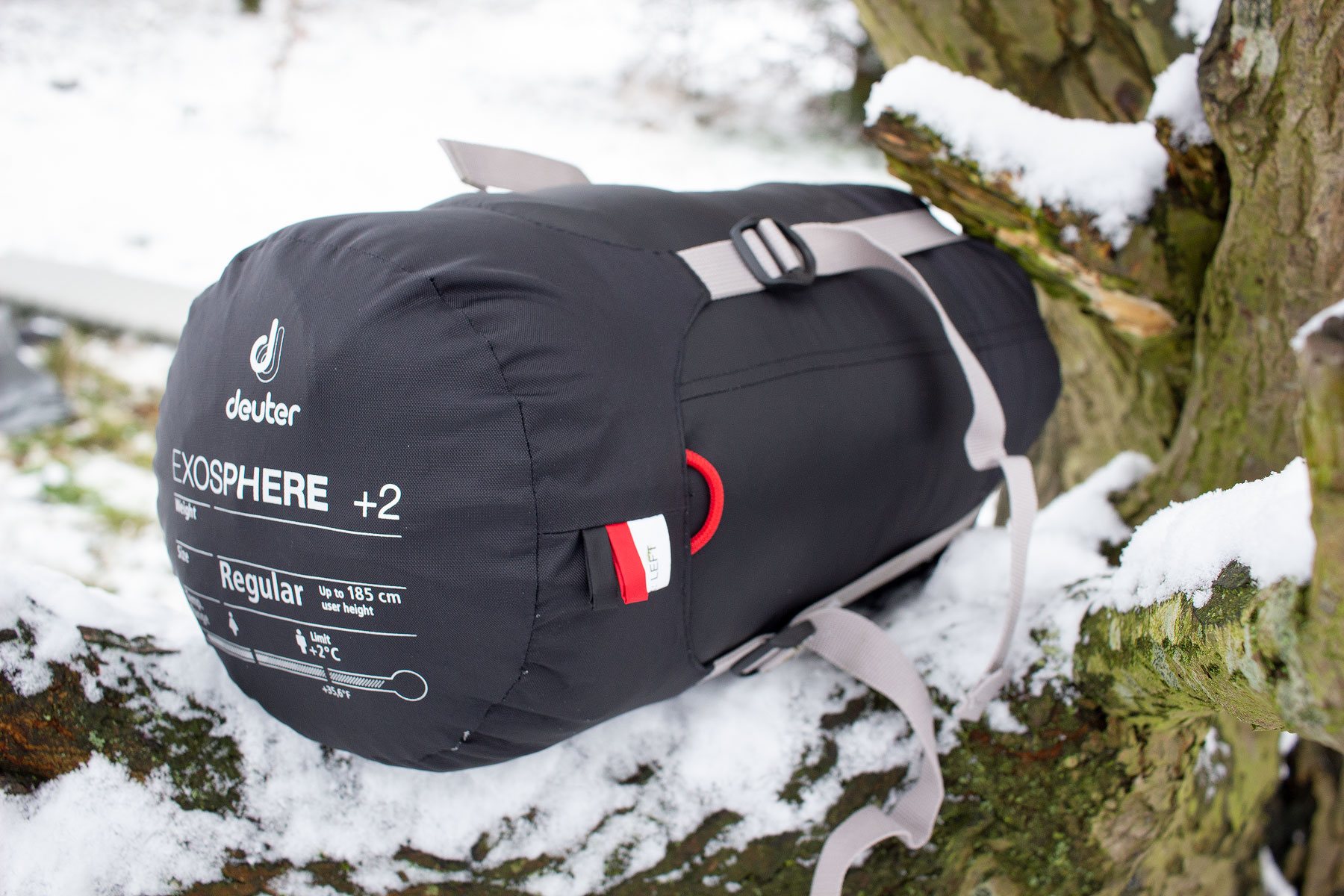
Weight is key if you carry your gear for long distances. A heavy bag can slow you down. Packability means how small the bag gets when packed.
| Feature | Why It Matters |
| Weight (lbs) | Lower weight means easier carrying on hikes |
| Packed Size (inches) | Smaller size fits better in backpacks |
| Material | Light materials reduce weight but keep warmth |
| Compression Sack | Helps make the bag smaller for packing |
Credit: trekandmountain.com
Cold Weather Camping Tips
Camping in cold weather needs the right gear and knowledge. One key item is the sleeping bag rated for 0 degrees. Knowing what this means helps you stay warm and safe.
This guide covers how to layer with sleeping bags and how to care for them properly. These tips will make your cold weather camping more comfortable.
Layering With Sleeping Bags
A 0 degree sleeping bag is designed to keep you warm in freezing temperatures. To get the best warmth, use layers inside and outside your bag.
- Wear thermal underwear or base layers to keep body heat close.
- Add a fleece or wool layer if it gets very cold.
- Use a sleeping bag liner to add warmth and keep your bag clean.
- Cover your head with a warm hat or hood inside the bag.
- Use an insulated sleeping pad under your bag to block cold from the ground.
Proper Sleeping Bag Care
Good care helps your sleeping bag last and stay warm. Clean and store it the right way.
| Care Tip | Reason |
| Air out your bag after each use | Removes moisture and odors |
| Store loosely in a large sack | Keeps insulation fluffy |
| Wash only when dirty | Prevents damage to insulation |
| Use gentle detergent made for sleeping bags | Protects fabric and fill |
| Dry completely before storing | Prevents mold and mildew |
Common Misconceptions
Many people think a 0 degree sleeping bag means you will feel warm at zero degrees. This is not always true. The rating is based on a standard test and does not guarantee comfort.
Understanding what a 0 degree rating really means can help you choose the right sleeping bag for your trip. Let’s look at common misunderstandings.
0 Degree And Actual Warmth
A 0 degree sleeping bag rating shows the lowest temperature at which the bag keeps an average sleeper warm. It does not mean everyone will feel warm at zero degrees.
- Body size and shape affect warmth.
- Clothing worn inside the bag changes insulation.
- Sleeping pads and tents influence heat retention.
- Wind and humidity can make it feel colder.
- Personal tolerance to cold varies widely.
Sleeping Bag Ratings Vs Real Conditions
Sleeping bag ratings come from lab tests done under ideal conditions. Real outdoor use often differs. This gap causes confusion about the bag’s true warmth.
| Factor | Lab Test | Real Conditions |
|---|---|---|
| Temperature | Controlled, steady | Fluctuates during night |
| Humidity | Low and stable | Varies with weather |
| Wind | No wind | Wind chill can lower warmth |
| User Movement | None (test dummy) | User moves and loses heat |
| Clothing | Minimal clothing | Varies by user |

Credit: www.gearx.com
Enhancing Warmth Beyond The Bag
A 0 degree sleeping bag means it keeps you warm at freezing temperatures. Still, your warmth depends on more than just the bag. You need to think about the ground and extra layers.
Cold from the ground can take heat away quickly. Adding other insulation helps keep your body heat in. This way, you stay warmer all night long.
Using Sleeping Pads
Sleeping pads create a barrier between you and the cold ground. They stop heat loss through conduction. A good pad can add several degrees of warmth.
There are different types of sleeping pads. Foam pads are lightweight and durable. Inflatable pads offer more comfort and insulation but weigh more.
- Closed-cell foam pads are cheap and reliable.
- Inflatable pads trap air for better insulation.
- Look for pads with an R-value of 3 or higher for cold nights.
Additional Insulation Techniques
Adding layers inside or outside your sleeping bag boosts warmth. You can use clothes, blankets, or special liners. These help trap more body heat.
Wear dry clothes and a hat to keep warm. A sleeping bag liner adds insulation without much weight. Putting a blanket over your bag blocks cold air.
- Wear thermal underwear or dry clothes inside the bag.
- Use a fleece or silk sleeping bag liner.
- Cover your bag with an extra blanket or bivy sack.
- Keep your head covered with a warm hat.

Credit: www.gearx.com
Frequently Asked Questions
What Does A 0 Degree Sleeping Bag Mean?
A 0 degree sleeping bag is designed for temperatures around freezing point. It keeps you warm in very cold conditions. It is ideal for winter camping or high-altitude trips where temperatures drop to zero Celsius or 32 Fahrenheit.
Is A 0 Degree Sleeping Bag Suitable For Summer Use?
No, a 0 degree sleeping bag is too warm for summer. It is built to retain heat in freezing temperatures. For summer, lighter bags with higher temperature ratings are more comfortable and breathable.
How Is The Temperature Rating Of 0 Degrees Determined?
The 0 degree rating follows EN or ISO standards, based on lab tests. It indicates the lowest temperature the bag can protect an average sleeper from hypothermia. Ratings consider insulation, material, and design features.
Can A 0 Degree Sleeping Bag Be Used In Below Freezing Weather?
Yes, a 0 degree sleeping bag can keep you warm at or just below freezing. It provides sufficient insulation for cold, snowy, or windy environments. Layering with thermal clothing can improve warmth in extreme cold.
Conclusion
Understanding a 0 degree sleeping bag is essential for outdoor adventures. It keeps you warm in cold temperatures. Perfect for camping in chilly weather. Choose wisely based on your needs. Consider the material and insulation type. Remember, comfort is key.
A good night’s sleep makes a big difference. Keep safety in mind too. Invest in quality for longer trips. It’s worth it. Check reviews and ratings before buying. Experienced campers often share useful insights. Ultimately, a well-chosen sleeping bag enhances your camping experience.
Stay warm, sleep well, and enjoy the outdoors.