
Have you ever wondered what it means when a refrigerator is called “garage ready”? If you plan to keep your fridge in an unheated space like a garage, understanding this term is crucial.
Your refrigerator needs to work well no matter the temperature around it. Keep reading to discover why a garage ready refrigerator might be the perfect fit for your home and how it can save you from costly repairs or spoiled food.
By the end, you’ll know exactly what to look for and how to choose the right fridge for your space.
Garage Ready Refrigerator Basics
Understanding the basics of a garage ready refrigerator helps you make smarter choices for your home. These appliances are built to handle temperature changes and conditions that would challenge regular refrigerators. Knowing what makes them different can save you time, money, and frustration.
Key Features
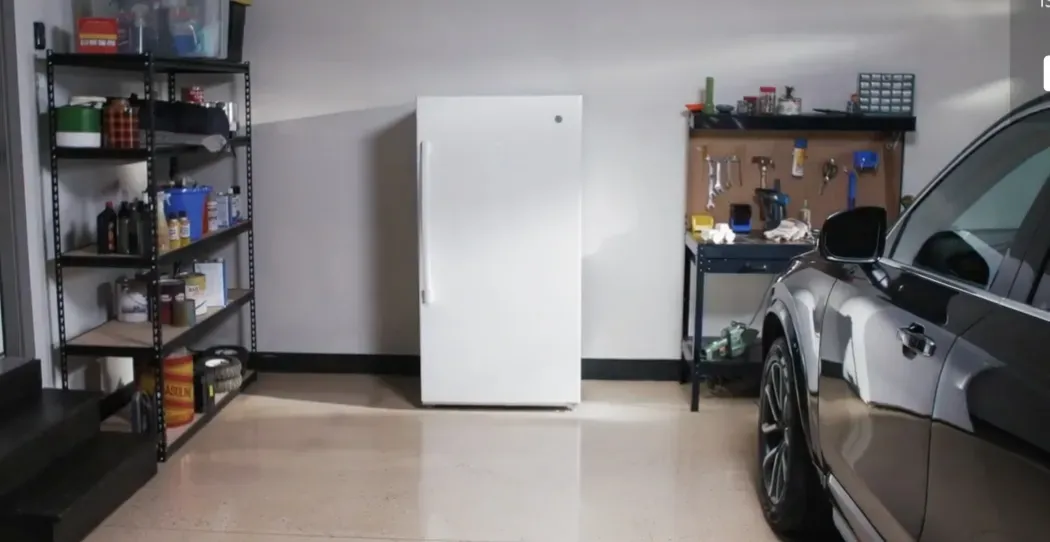
A garage ready refrigerator is designed to operate efficiently in environments with fluctuating temperatures, typically found in garages or unheated spaces.
- Temperature Tolerance:These refrigerators work well in temperatures ranging from about 40°F to 110°F, unlike standard models that struggle outside typical indoor climates.
- Enhanced Insulation:They have better insulation to maintain consistent cooling despite external heat or cold.
- Robust Compressor:The compressor is built to handle extreme conditions without breaking down.
- Durable Materials:Components are often made from materials that resist rust and wear caused by moisture and dust.
These features ensure your food stays fresh and your appliance lasts longer, even in challenging environments.
Why It Matters
Imagine storing your groceries in a garage where temperatures drop below freezing in winter or soar during summer.
A regular refrigerator might fail or consume excessive energy trying to adjust. This can lead to spoiled food and higher electricity bills. Have you ever experienced a fridge that just couldn’t keep up with the temperature swings?
Garage ready refrigerators prevent these problems by being built for such conditions. They give you peace of mind knowing your fridge will perform reliably, no matter where you place it. This means you get to use your garage space effectively without worrying about your food going bad.
Credit: www.woodcocks.us
Temperature Challenges In Garages
Garages often experience wide temperature swings that can seriously affect how your refrigerator works. Unlike the stable climate inside your home, garages can get very cold in winter and extremely hot in summer. These temperature extremes create unique challenges for standard refrigerators, which are not designed to handle such conditions.
Cold Weather Effects
When temperatures in your garage drop too low, a regular fridge may stop running properly. The thermostat might not sense the actual temperature inside the fridge, causing the compressor to run less or even shut off. This can lead to your food freezing or the fridge not cooling enough.
Imagine leaving fresh vegetables in a garage fridge during winter only to find them frozen solid. That’s because the appliance’s cooling cycle is disrupted by the cold ambient air. You need a refrigerator built to adjust to low temperatures without compromising its performance.
Heat Impact On Performance
High temperatures in a garage put extra stress on a fridge’s cooling system. When the outside temperature rises, the compressor has to work harder to keep the inside cool. This can increase energy use and wear out the appliance faster.
Have you ever noticed your garage fridge running nonstop during summer? That’s a sign it’s struggling with the heat. A garage ready refrigerator is designed with stronger insulation and cooling components to handle these heat spikes efficiently.
How Garage Ready Refrigerators Work
Understanding how garage ready refrigerators work can help you choose the right appliance for your space. These refrigerators are specially designed to perform well in environments like garages, where temperatures can vary widely throughout the year. Let’s look at what makes them different from standard models and how they keep your food fresh despite fluctuating conditions.
Enhanced Insulation
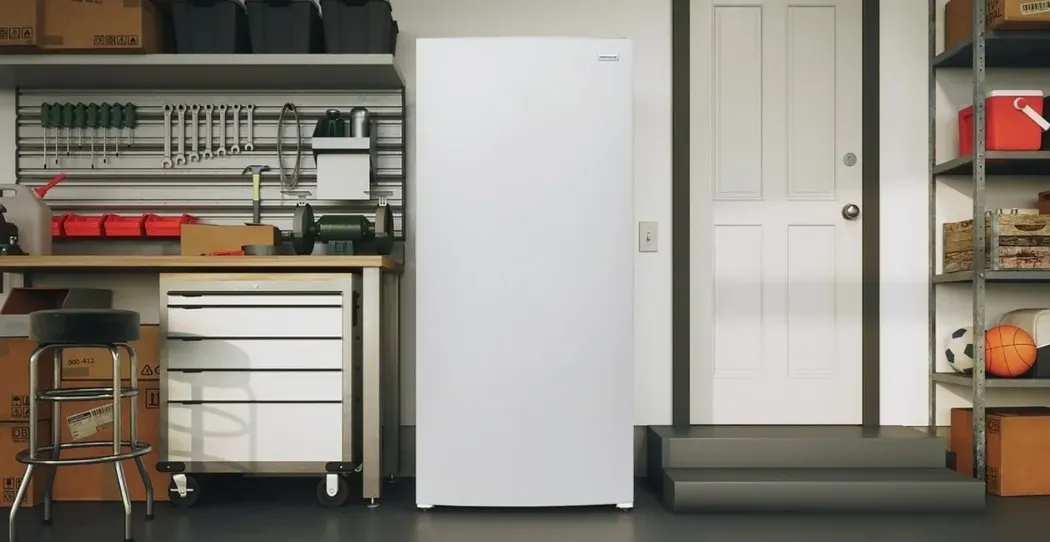
Garage ready refrigerators come with thicker and more effective insulation than regular fridges. This extra layer helps maintain a stable internal temperature, even when the outside temperature drops or rises sharply. It means your fridge won’t have to work overtime to keep things cold, saving energy and reducing wear.
I once had a regular fridge in my garage that struggled during winter. It kept freezing my veggies. A garage ready model solved that issue by keeping a consistent temperature all year round.
Adaptive Cooling Systems
These refrigerators adjust their cooling power based on the surrounding temperature. If it’s hot outside, they increase cooling to keep your food safe. When it’s cold, they ease up to prevent freezing and conserve energy.
This adaptive feature is like having a fridge that understands your garage’s mood swings. It’s smart enough to react to changes without your intervention, so you don’t have to worry about spoiled food or wasted electricity.
Credit: www.woodcocks.us
Choosing The Right Model
Choosing the right garage ready refrigerator is more than picking a cool-looking appliance. You need a model that fits your space, saves energy, and withstands the unique conditions of a garage. Let’s break down the key factors to help you find the perfect fit for your needs.
Size And Capacity
Measure your garage space carefully before shopping. Garage refrigerators often have to fit into tighter or less conventional areas than kitchen models.
Think about how much food and drink you want to store. A smaller fridge might work if you use it mainly for beverages or extra freezer space. But if you plan to stock up on groceries or bulk items, a larger capacity is essential.
Keep in mind, a fridge that’s too big may waste energy, while one that’s too small will leave you frustrated. What’s the right balance for your lifestyle?
Energy Efficiency
Energy costs can add up, especially if your garage fridge runs all year round. Look for models with an Energy Star rating to ensure lower electricity bills.
Some garage refrigerators come with enhanced insulation or special compressors designed to handle temperature swings without using extra power. These features might cost more upfront but save money over time.
Ask yourself: Would investing in a more efficient model now help you avoid surprises in your energy bill later?
Durability Factors
Garages aren’t climate-controlled like kitchens. Temperatures can rise or fall dramatically, and humidity levels can fluctuate.
Choose a refrigerator built to handle these tough conditions. Look for units with reinforced insulation, sealed compressors, and corrosion-resistant coatings.
I once bought a standard fridge for my garage, and it struggled through a cold winter. After switching to a garage-rated model, I noticed it kept food fresher and ran smoother despite the chill.
Would you rather risk food spoilage or invest in reliability that lasts?
Installation Tips For Garage Use
Installing a garage ready refrigerator requires special attention. These units are built to work well in colder spaces like garages. Proper setup ensures they run smoothly and last longer. Follow these tips for best results in your garage space.
Proper Placement
Choose a flat, stable surface for your refrigerator. Avoid placing it near direct sunlight or heat sources. Keep it away from water or damp areas to prevent damage. Leave space around the fridge for easy access and maintenance. Make sure the door can open fully without hitting walls or objects.
Ventilation Needs
Good airflow is key for garage refrigerators. Leave at least 2-3 inches of space around the sides and back. Do not block the vents or coils. Proper ventilation stops overheating and improves efficiency. Clean dust and debris from vents regularly to keep air moving well.
Credit: www.gladiatorgarageworks.com
Maintenance And Troubleshooting
Maintaining a garage ready refrigerator ensures it works well in the unique garage environment. Troubleshooting helps fix problems quickly and keeps the fridge running longer. Understanding common issues and regular care makes ownership easier.
Common Issues
- Temperature fluctuations due to garage heat or cold.
- Frost buildup inside the freezer compartment.
- Loud noises caused by compressor strain.
- Door seal problems leading to poor cooling.
- Water leaks from defrost system failures.
Regular Care Practices
- Clean condenser coils every 3-6 months to improve efficiency.
- Check door seals for cracks or gaps regularly.
- Keep the fridge level to ensure proper door closing.
- Defrost the freezer if frost builds up over 1/4 inch thick.
- Monitor temperature settings to match garage conditions.
- Clear debris around the fridge to allow airflow.
Comparing Garage Ready Vs Standard Refrigerators
Comparing garage ready refrigerators with standard models reveals key differences. These differences affect where and how each type works best. Understanding these aspects helps in choosing the right refrigerator for unique spaces like garages.
Performance Differences
Garage ready refrigerators handle wider temperature ranges. They can operate well in cold or hot garage environments. Standard refrigerators work best in stable indoor temperatures. Garage models prevent freezing in winter and overheating in summer. This makes them more reliable in unheated or uncooled areas. Standard units may struggle or stop working properly in extreme conditions.
Cost Considerations
Garage ready refrigerators usually cost more upfront. Their special design and stronger insulation add to the price. Standard refrigerators are often less expensive initially. However, using a standard fridge in a garage might increase repair costs. Energy use can also rise if the fridge runs harder to maintain temperature. Garage ready models can save money on repairs and energy over time.
Top Brands And Models
Choosing a garage ready refrigerator means you need a model that can handle temperature swings and less-than-ideal conditions. Not all refrigerators are built for this challenge, so focusing on top brands and models designed specifically for garage environments will save you time and frustration. These options combine durability with smart features to keep your food fresh, even in a garage.
Popular Choices
Some brands have earned a reputation for producing reliable garage ready refrigerators. Whirlpool, GE, and Frigidaire frequently appear on lists because their models maintain consistent cooling despite temperature fluctuations.
- Whirlpool WRT518SZFM:This model offers a strong compressor designed for cold spaces and features adjustable shelves for flexible storage.
- GE GNE27JYMFS:Known for its sturdy build, this fridge handles garage conditions well and includes a humidity-controlled drawer to protect fresh produce.
- Frigidaire FFHB2750TS:With its heavy-duty design, it performs well in garages and has a frost-free freezer section.
Have you noticed how many standard refrigerators struggle with garage use? These models specifically address that issue, making them worth considering for your space.
User Reviews
Looking at user feedback reveals real-world performance beyond specs. Many owners of garage ready refrigerators praise how their appliances maintain stable temperatures during hot summers and chilly winters.
One user shared how their Whirlpool model continued to run flawlessly even when the garage temperature dropped below freezing. Another highlighted the quiet operation of a GE fridge, which didn’t become louder despite the harsher environment.
However, some reviews mention occasional condensation issues, reminding you to check your garage’s humidity levels. Would you be willing to tweak your garage setup slightly to get the most out of your refrigerator?
Frequently Asked Questions
What Does Garage Ready Refrigerator Mean?
A garage ready refrigerator is designed to operate efficiently in unheated spaces. It can handle temperature fluctuations without performance loss. This makes it ideal for garages or basements where ambient temperatures vary widely.
How Does A Garage Ready Fridge Differ From Regular Ones?
Garage ready fridges have enhanced insulation and temperature controls. They function well in extreme cold or heat, unlike regular refrigerators. This ensures reliable cooling and prevents spoilage in non-climate-controlled areas.
Can I Install A Garage Ready Fridge In My Kitchen?
Yes, you can install a garage ready fridge in your kitchen. It works like a standard refrigerator but offers extra durability. However, it’s mainly beneficial in garages or similar environments with temperature changes.
Are Garage Ready Refrigerators More Energy Efficient?
Garage ready refrigerators are designed to maintain efficiency in tough conditions. While energy use can vary, these models often include advanced insulation to reduce power consumption. This helps save energy even in fluctuating temperatures.
Conclusion
A garage ready refrigerator withstands extreme temperatures. It works in cold or hot garages. This fridge keeps your food safe, no matter the weather. It’s a durable choice for extra storage needs. You can trust it in your garage. Designed specifically for varied environments.
Many homeowners find it practical. A great option for those who need extra fridge space. Consider a garage ready refrigerator for your home. It offers convenience and reliability. Perfect for modern living.