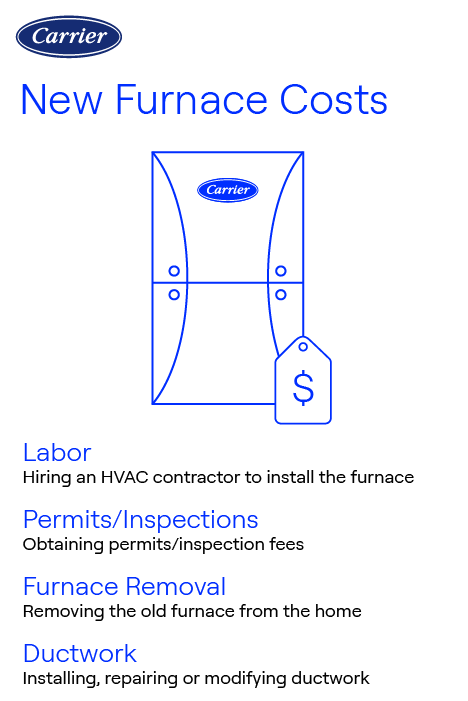
Are you wondering how much a new furnace and air conditioner will cost you? If you’re planning to upgrade your home’s heating and cooling system, knowing the price upfront can help you make smart choices.
But the cost isn’t just a simple number—it depends on several important factors that affect your budget. You’ll discover exactly what influences the price, what to expect, and how to get the best value for your money. Keep reading to make sure you’re prepared before making this big investment in your comfort.
Factors Influencing Furnace Costs
Buying a new furnace can cost different amounts. Many factors affect the final price. Understanding these helps you plan better.
This article explains key factors that influence the cost of a furnace and air conditioner. It covers types, efficiency, installation, and brands.
Type Of Furnace
Furnaces come in several types. Each type has a different price range. Common types are gas, electric, and oil furnaces.
- Gas furnacesare popular and usually cost less to run.
- Electric furnacesare cheaper upfront but cost more to operate.
- Oil furnacesare less common and may cost more to install.
Energy Efficiency Ratings
Efficiency ratings show how well a furnace uses energy. Higher ratings mean lower bills but higher initial costs. The most common rating is AFUE (Annual Fuel Utilization Efficiency).
| AFUE Rating | Description | Cost Impact |
| 80% – 85% | Basic efficiency | Lower price |
| 90% – 95% | High efficiency | Moderate price |
| 96% and above | Top efficiency | Higher price |
Installation Complexity
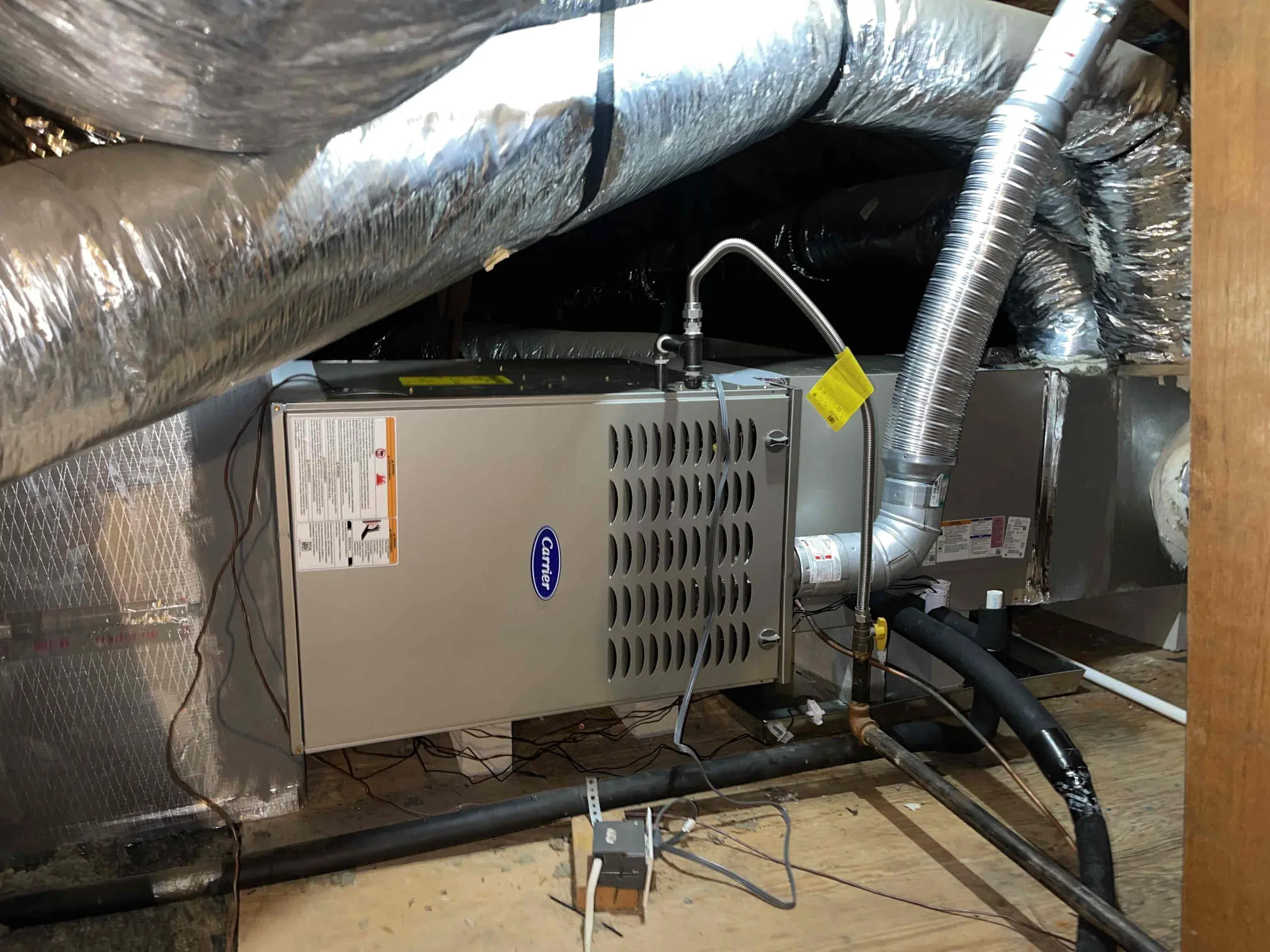
Installing a furnace can be simple or complex. Factors like ductwork, location, and existing equipment affect cost. Difficult installations take more time and raise prices.
- Replacing an old furnace with a similar model is cheaper.
- Changing the furnace type or size increases cost.
- Adding new ductwork or vents adds to labor fees.
- Installing in tight or hard-to-reach spaces costs more.
Brand And Model Choices
Brands offer different models with various features. Well-known brands usually charge more. Some models include extra features like smart controls or quiet operation that add to cost.
| Brand | Price Range | Features |
| Brand A | $1,000 – $2,000 | Basic models |
| Brand B | $1,500 – $3,000 | Mid-level features |
| Brand C | $2,000 – $4,000+ | Advanced features |

Credit: thefurnaceoutlet.com
Air Conditioner Pricing Breakdown
Buying a new air conditioner can cost different amounts. Many factors affect the price. Understanding these can help you choose the right unit.
This guide covers the main parts of air conditioner costs. Learn about types, size, energy ratings, and installation fees.
Types Of Air Conditioners
Air conditioners come in several types. Each type has different features and prices. You can pick one that fits your needs and budget.
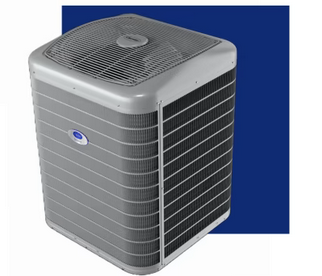
- Central Air Conditioners: Cool whole homes with ductwork.
- Window Units: Fit in windows, good for single rooms.
- Split Systems: Have indoor and outdoor parts.
- Portable Units: Move from room to room easily.
Cooling Capacity And Size
Cooling capacity is measured in BTUs. Bigger spaces need units with higher BTUs. Choosing the right size saves money and energy.
| Room Size (sq ft) | BTU Needed |
| 100 – 300 | 5,000 – 6,000 |
| 300 – 500 | 7,000 – 8,000 |
| 500 – 1,000 | 10,000 – 12,000 |
| 1,000 – 1,500 | 14,000 – 18,000 |
Seer Ratings And Energy Savings
SEER means Seasonal Energy Efficiency Ratio. Higher SEER means the unit uses less power. This lowers your electricity bills over time.
- SEER 13-14: Basic efficiency, lower cost.
- SEER 15-16: Good efficiency, moderate cost.
- SEER 17+: Best efficiency, higher upfront cost.
Installation And Additional Components
Installation fees add to the total cost. This includes labor and extra parts like ducts or thermostats. Prices vary by home size and complexity.
| Component | Estimated Cost |
|---|---|
| Basic Installation | $500 – $1,500 |
| Ductwork Repair or Addition | $1,000 – $3,000 |
| Thermostat Upgrade | $100 – $300 |
| Permit Fees | $50 – $200 |
Combined System Costs
Installing a new furnace and air conditioner together can save money. Knowing the total cost helps with budgeting.
Several factors affect the combined cost. These include the type of system, ductwork, and maintenance needs.
Package Deals Vs Separate Units
Buying a furnace and air conditioner as a package may cost less than buying them separately. Package deals often include installation discounts.
- Package deals usually come with a single warranty.
- Separate units allow picking different brands or models.
- Packages can simplify installation and reduce labor costs.
- Separate purchases may increase total cost due to multiple fees.
Ductwork And Ventilation Expenses
Ductwork is needed to move air through your home. Old or damaged ducts may raise costs.
| Type of Ductwork | Estimated Cost |
| New duct installation | $1,000 – $3,000 |
| Duct repair or sealing | $300 – $1,000 |
| Ventilation system upgrade | $500 – $1,500 |
Maintenance And Warranty Considerations
Regular maintenance keeps your system working well. Warranties protect you from repair costs.
- Check if the package deal includes a combined warranty.
- Separate units may have different warranty periods.
- Annual maintenance costs usually range from $100 to $300.
- Proper care can extend system life and reduce expenses.
Credit: atlasacrepair.com
Regional Price Variations
The cost of a new furnace and air conditioner changes based on where you live. Different regions have different factors that affect prices.
Knowing these factors can help you prepare a budget that fits your area.
Labor Costs By Location
Labor charges vary a lot depending on the city or state. Areas with higher living costs usually have higher labor rates.
| Region | Average Labor Cost per Hour |
| Urban Northeast | $100 – $150 |
| Midwest | $70 – $100 |
| Southern States | $60 – $90 |
| West Coast | $90 – $140 |
Climate Impact On System Choice
Where you live affects which furnace and air conditioner you need. Hot places may need stronger cooling systems.
- Cold regions need efficient heating systems
- Hot climates require powerful air conditioners
- Areas with mild weather might use moderate systems
Local Regulations And Incentives
Some places have rules about energy efficiency. They may also offer rebates for certain models.
Examples of local incentives:
- Tax credits for energy-efficient units
- Discounts from utility companies
- Requirements for certified installers
Ways To Save On Furnace And Ac
Replacing your furnace and air conditioner can be costly. You can lower the price by choosing smart options.
Saving money helps you get good comfort without spending too much. Learn how to cut costs with these tips.
Energy-efficient Models
Energy-efficient furnaces and AC units use less power. They cost less to run over time and save you money.
- Look for Energy Star rated products
- Choose units with high Seasonal Energy Efficiency Ratio (SEER)
- Consider variable speed models for better control
- Check the Annual Fuel Utilization Efficiency (AFUE) rating
Rebates And Tax Credits
Many local and federal programs offer rebates and tax credits. These reduce your upfront costs.
| Program | Type | Value |
| Federal Tax Credit | Tax Credit | Up to $300 |
| State Energy Rebate | Rebate | $100 – $500 |
| Utility Company Discount | Rebate | Varies by provider |
Financing And Payment Plans
Many sellers and manufacturers offer financing. These let you pay over time with low or no interest.
- Check for 0% interest deals lasting 12-24 months
- Compare monthly payment amounts
- Read all terms before signing
- Ask about early payment options to save on interest
Credit: atlasacrepair.com
Frequently Asked Questions
How Much Does A New Furnace And Ac Cost?
A new furnace and air conditioner typically cost between $5,000 and $12,000. Prices vary based on size, brand, and installation complexity. Higher efficiency units cost more but save energy long-term. Always get multiple quotes to find the best deal for your home.
What Factors Affect Furnace And Ac Installation Cost?
Installation costs depend on unit size, brand, efficiency, and labor rates. Additional expenses may include ductwork, permits, and disposal of old equipment. Homes with complex layouts or outdated systems may face higher costs. Proper sizing and quality installation ensure energy efficiency and comfort.
Is Financing Available For New Hvac Systems?
Many HVAC companies offer financing options for new furnaces and air conditioners. Financing helps spread out payments over time with low or zero interest. Check eligibility, terms, and conditions before committing. Financing makes upgrading your HVAC system more affordable and manageable.
How Long Does Furnace And Ac Installation Take?
Installation usually takes one to two days depending on system complexity. Simple replacements are quicker, while new ductwork or electrical work adds time. Professional installers ensure proper setup for optimal performance and safety. Scheduling during off-peak seasons may speed up the process.
Conclusion
Choosing a new furnace and air conditioner costs depends on many factors. Size, brand, and installation all affect the price. Remember to think about energy savings and long-term benefits too. A good system keeps your home comfortable year-round. Comparing options helps you find the best fit.
Take your time and plan well before buying. This way, you get value for your money and comfort for your home.