
Have you ever spotted a fuzzy caterpillar crawling on a tree and wondered, “What does a tent caterpillar eat?” Understanding what fuels these tiny creatures can give you surprising insight into your garden’s health and the trees around you. If you want to know why these caterpillars choose certain leaves and how their eating habits affect your plants, keep reading.
By the end, you’ll see tent caterpillars in a whole new light—and maybe even learn how to manage them better in your outdoor space.

Credit: www.butterfliesandmoths.org
Tent Caterpillar Basics
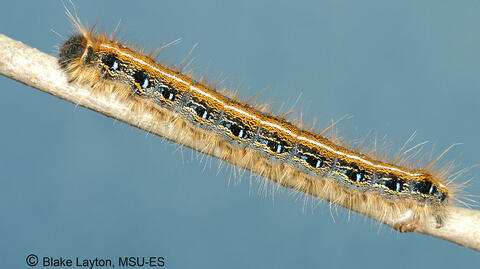
Tent caterpillars are insects that live in tents made of silk. They are common in many forests and backyards. These caterpillars eat the leaves of trees and can sometimes cause damage.
Understanding what they eat helps us learn about their life and how to manage them. Their feeding habits affect the trees where they live.
Life Cycle
Tent caterpillars go through four main stages in their life. Each stage shows a change in what they eat and where they live.
- Eggs:Laid in rings on tree branches during late spring.
- Larvae (Caterpillars):Hatch in early spring and eat many leaves while growing.
- Pupae:Form cocoons inside the silk tents to change into moths.
- Adults:Moths that do not eat much and focus on mating.
Habitat
Tent caterpillars live mostly in forests and areas with many trees. They prefer certain types of trees to eat and build their tents.
| Habitat Feature | Description |
| Preferred Trees | Cherry, apple, and other fruit trees |
| Tent Location | Forks of tree branches |
| Climate | Temperate regions with mild springs |
| Shelter | Silk tents built by caterpillars |
Credit: extension.msstate.edu
Primary Food Sources
Tent caterpillars eat mostly leaves from certain trees. Their diet helps them grow and survive.
Understanding what they eat can help protect trees from damage caused by these insects.
Preferred Tree Species
Tent caterpillars like to feed on many types of trees. They often choose trees with soft leaves.
Some trees are more popular with them because of the leaf taste and texture.
- Cherry trees
- Apple trees
- Maple trees
- Oak trees
- Crabapple trees
Leaf Consumption Patterns
Tent caterpillars eat leaves in groups inside their silk tents. They often eat from the edges first.
They can strip a tree branch of leaves quickly, which can stress the tree.
- Start eating young, tender leaves
- Feed mostly during the day
- Consume leaves layer by layer
- Leave some parts of leaves uneaten
- Move to new branches when food runs low
Feeding Behavior
Tent caterpillars eat leaves from many trees. They mainly feed on trees like cherry, apple, and maple.
These caterpillars eat a lot to grow fast. Their feeding habits affect the health of the trees they live on.
Day Vs Night Activity
Tent caterpillars mostly eat during the day. They use daylight to find fresh leaves easily.
At night, they rest inside their silk tents. This helps protect them from predators and cold temperatures.
Group Feeding Dynamics
Tent caterpillars feed in groups on tree branches. Group feeding helps them eat more leaves quickly.
Feeding together also offers safety. Predators find it harder to attack many caterpillars at once.
- Groups build silk tents for shelter
- Caterpillars move together to fresh leaves
- Group feeding speeds up leaf consumption
- Safety in numbers lowers risk from birds

Credit: www.pubs.ext.vt.edu
Impact On Vegetation
Tent caterpillars feed on the leaves of many trees and shrubs. Their eating habits can change the look and health of plants around them.
Understanding how tent caterpillars affect vegetation helps us see the balance between insects and plants in nature.
Defoliation Effects
Tent caterpillars eat many leaves quickly, causing defoliation. This leaf loss reduces the tree’s ability to make food through photosynthesis.
- Leaves turn brown and fall off early.
- Branches may become weak from lack of energy.
- Trees lose their green color and look bare.
- Other animals that eat leaves may lose food sources.
Tree Recovery
Trees can often recover after tent caterpillars eat their leaves. They grow new leaves to replace the old ones.
| Recovery Factor | Effect on Tree |
| Tree Age | Younger trees recover slower |
| Weather | Good rain and sun help regrowth |
| Severity | More leaf loss means harder recovery |
| Tree Species | Some species grow leaves faster |
Adaptations For Eating
Tent caterpillars have special features that help them eat leaves. These adaptations let them feed well on their favorite plants.
Their mouthparts and digestive system work together. These parts help break down tough leaf material.
Mouthparts Structure
Tent caterpillars have strong mouthparts made for chewing. These parts let them cut through leaves easily.
- Mandibles: Sharp and strong jaws for biting leaves
- Maxillae: Help handle food and move it to the mouth
- Labrum: Acts like a cover to hold food in place
- Hypopharynx: Helps mix saliva with food
Digestive Process
The digestive system of tent caterpillars breaks down leaves into nutrients. Enzymes inside help digest tough plant fibers.
| Stage | Function |
| Ingestion | Chewing leaves with strong mandibles |
| Digestion | Enzymes break down cellulose and proteins |
| Absorption | Nutrients pass into the caterpillar’s body |
| Excretion | Waste leaves the body as frass |
Natural Predators And Controls
Tent caterpillars eat leaves from many trees and shrubs. Nature helps control their numbers through predators and other factors.
Understanding these natural controls can help reduce damage without harmful chemicals.
Birds
Many birds feed on tent caterpillars. They find the caterpillars on tree branches and leaves.
Birds like blue jays, chickadees, and warblers eat tent caterpillars. They help keep caterpillar numbers low.
- Blue jays pick caterpillars from branches
- Chickadees catch them on leaves
- Warblers hunt during early morning
Insects
Insects such as wasps and beetles attack tent caterpillars. Some lay eggs inside the caterpillars.
Parasitic wasps kill caterpillars by feeding on their insides. Predatory beetles eat the caterpillars directly.
- Parasitic wasps lay eggs in caterpillars
- Beetles hunt and eat caterpillars
- Ants may also attack young caterpillars
Human Management
People can control tent caterpillars by removing their nests. This stops them from eating more leaves.
Using natural sprays or barriers can also reduce caterpillar damage. Avoid chemicals that harm helpful insects.
- Remove silk tents by hand
- Use natural insect sprays like neem oil
- Plant trees that resist caterpillars
- Encourage birds and beneficial insects
Frequently Asked Questions
What Do Tent Caterpillars Primarily Eat?
Tent caterpillars mainly feed on the leaves of deciduous trees. They prefer cherry, apple, and oak trees. Their diet consists of fresh foliage, which provides essential nutrients for growth and development.
Are Tent Caterpillars Harmful To Trees?
Yes, tent caterpillars can harm trees by defoliating them. Heavy infestations weaken trees, reducing their growth and fruit production. However, most healthy trees recover after the caterpillars’ feeding period.
Do Tent Caterpillars Eat Other Plants Besides Trees?
Tent caterpillars mostly target tree leaves but rarely feed on shrubs or herbaceous plants. Their preference is for specific tree species, making other plants less affected by their feeding habits.
Conclusion
Tent caterpillars feed mainly on tree leaves, especially cherry and apple trees. They eat a lot, which can harm young trees. These insects prefer fresh, green leaves for food. Their eating habits can cause noticeable damage quickly. Knowing what tent caterpillars eat helps in managing them better.
Controlling their food source can reduce their numbers naturally. Watching trees for early signs can save your garden. Simple steps can protect plants from these hungry caterpillars. Understanding their diet leads to smarter, easier garden care.