Have you ever wondered what makes your car’s brakes feel so responsive or how certain engine parts get the power they need to work smoothly? The answer often lies in a small but powerful component called the vacuum pump.
Understanding what a vacuum pump does on your car can help you appreciate how your vehicle stays safe and efficient every day. Keep reading, and you’ll discover why this little device plays a big role in your car’s performance—and what it means for you as a driver.
Credit: eeuroparts.com
Role In Engine Performance
The vacuum pump plays a crucial role in your car’s engine performance, affecting several systems that work behind the scenes. Without it, you might notice weaker brakes, higher emissions, and even reduced fuel economy. Understanding how this small but powerful device supports your engine can help you appreciate the complexity of your vehicle’s design.
Supporting Brake Systems
One of the most important jobs of a vacuum pump is to provide the necessary vacuum pressure for the brake booster. This booster amplifies the force you apply to the brake pedal, making stopping easier and safer. If the vacuum pump fails, you’ll feel the brakes become harder to press, which can be dangerous in emergency situations.
Have you ever noticed your brake pedal feeling stiff or unresponsive? That’s a sign your vacuum pump might not be doing its job right. Regular checks can prevent brake system failures and keep your car stopping smoothly.
Assisting Emission Controls
Your car’s emission control systems rely heavily on vacuum pressure to operate valves and sensors accurately. The vacuum pump ensures that components like the EGR (Exhaust Gas Recirculation) valve open and close at the right time, reducing harmful emissions. Without proper vacuum pressure, your car could release more pollutants and fail emission tests.
Think about the last time your check engine light came on unexpectedly. Sometimes, a faulty vacuum pump can be the hidden reason behind emission system errors. Maintaining the vacuum pump helps keep your car environmentally friendly and compliant with regulations.
Enhancing Fuel Efficiency
The vacuum pump indirectly affects your car’s fuel efficiency by supporting systems that optimize air and fuel mixture. When these systems work correctly, your engine burns fuel more efficiently, saving you money at the pump. A malfunctioning vacuum pump can cause irregular engine performance, leading to wasted fuel.
Have you noticed a sudden drop in your miles per gallon? It could be linked to your vacuum pump’s performance. Paying attention to this component can help you avoid unnecessary fuel costs and improve your car’s overall efficiency.

Credit: www.amazon.com
Types Of Vacuum Pumps
Vacuum pumps in cars come in different types. Each type serves a specific function and fits various car designs. Understanding these types helps explain how they support car systems. The two main types are mechanical vacuum pumps and electric vacuum pumps.
Mechanical Vacuum Pumps
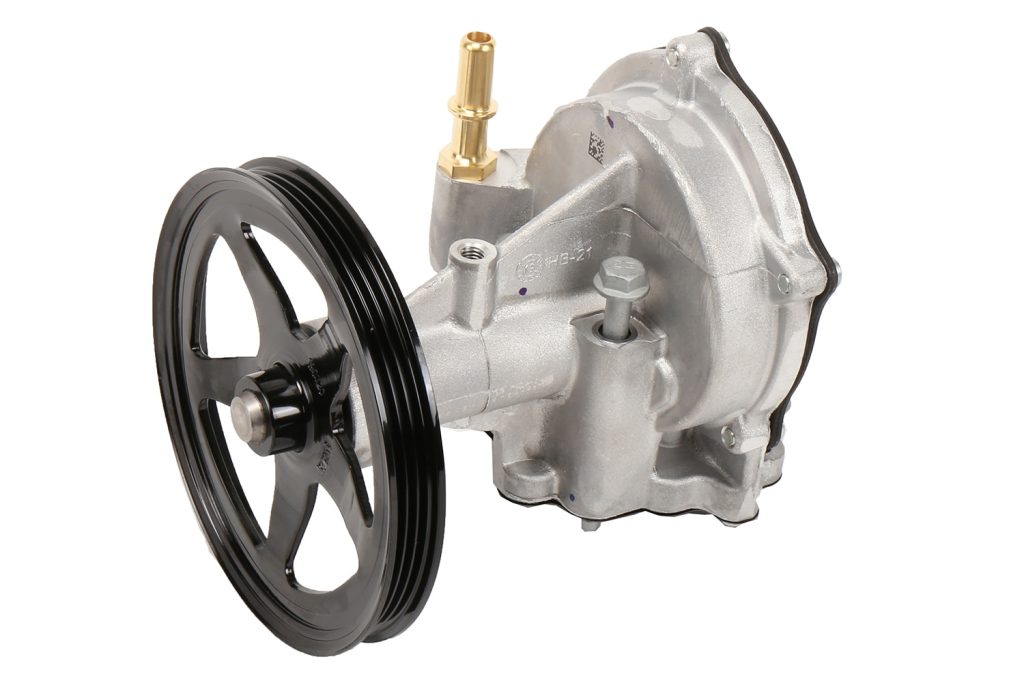
Mechanical vacuum pumps connect directly to the engine. They use engine power to create vacuum pressure. This pressure helps operate brakes and other systems. Mechanical pumps are common in older or diesel engines. They are simple and reliable but depend on engine speed.
These pumps usually have a rotary or vane design. They work best when the engine runs at higher speeds. At low speeds, vacuum pressure may drop. This can affect brake performance temporarily.
Electric Vacuum Pumps
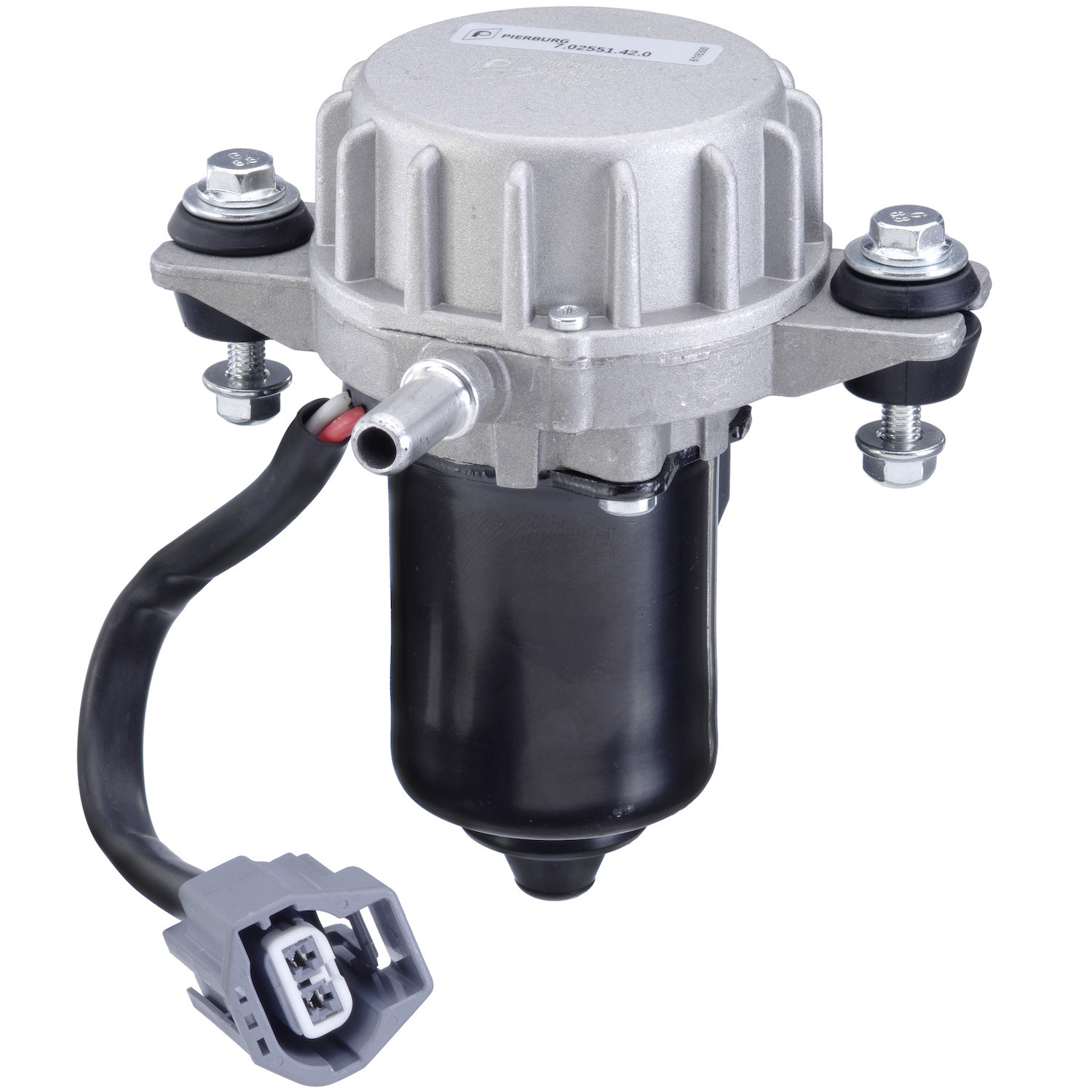
Electric vacuum pumps run independently of the engine. They use an electric motor to create vacuum pressure. This allows a steady vacuum supply regardless of engine speed. Electric pumps are common in modern cars with turbocharged or hybrid engines.
They improve safety by providing constant vacuum for brake boosters. Electric pumps also help reduce engine load and emissions. These pumps are compact and can work on demand. They are ideal for cars with complex engine setups.
How Vacuum Pumps Work
Understanding how vacuum pumps work helps explain their role in car systems. These pumps create and maintain negative pressure, which powers various components. The process involves moving air out of specific chambers to lower pressure. This pressure difference allows other parts of the car to function smoothly.
Creating Negative Pressure
The vacuum pump removes air from a sealed space inside the engine. This removal lowers the air pressure below the outside atmosphere. The lower pressure creates a vacuum effect. This vacuum is essential for parts like the brake booster to work properly. Without this pressure difference, the brake system would feel hard and unsafe.
Maintaining System Vacuum
The pump keeps the vacuum steady even when the engine runs at different speeds. It refills the vacuum quickly when air leaks into the system. This constant balance ensures that the brakes and other vacuum-operated parts always get enough power. The pump’s reliability keeps the car safe and responsive during driving.
Credit: www.slkworld.com
Signs Of A Failing Vacuum Pump
Noticing the early signs of a failing vacuum pump can save you from costly repairs and dangerous driving conditions. The vacuum pump plays a crucial role in your car’s braking system and engine efficiency. Ignoring its issues could lead to serious problems on the road.
Brake Pedal Issues
If your brake pedal feels hard or requires more effort to press, your vacuum pump might be struggling. The pump helps create the vacuum needed for power brakes to work smoothly. Without enough vacuum, braking becomes less responsive, increasing stopping distances and risking your safety.
Have you ever felt your brakes suddenly become stiff during a drive? This is a clear sign to check your vacuum pump immediately. It’s not just uncomfortable; it’s dangerous.
Engine Performance Problems
A failing vacuum pump can cause your engine to run rough or stall unexpectedly. The pump maintains the vacuum that controls various engine components like fuel pressure and emissions systems. When it’s not working right, you might notice poor acceleration or unusual engine noises.
Think about your last drive—did your engine hesitate or lose power without warning? This could point to vacuum pump trouble. Addressing this early can prevent a breakdown.
Warning Lights And Alerts
Modern cars often alert you when the vacuum pump or related systems fail. The check engine light or brake warning light might illuminate on your dashboard. These alerts are your car’s way of telling you to get the vacuum system inspected.
Don’t ignore these warning signs. Even if your car seems to run fine, a dashboard alert can mean your vacuum pump is on its last legs. Have you checked your dashboard lights recently?
Maintenance Tips
Maintaining a vacuum pump in your car helps keep the engine running smoothly. Regular care prevents issues and extends the pump’s life. Simple checks and timely replacements avoid costly repairs.
Regular Inspections
Check the vacuum pump often for signs of wear or leaks. Look for cracks, loose fittings, or oil buildup around the pump area. Listen for unusual noises that could indicate damage. Early detection helps fix problems before they worsen.
Replacing Faulty Pumps
Replace the vacuum pump if it shows consistent leaks or poor performance. A failing pump can cause engine issues and reduced brake power. Use the correct tools and follow vehicle guidelines for replacement. Proper installation ensures safety and reliability.
Using Quality Parts
Choose high-quality parts when repairing or replacing the vacuum pump. Cheap parts may fail quickly and damage other components. Original or certified parts provide better fit and durability. Investing in quality saves money and trouble later.
Frequently Asked Questions
What Is The Main Function Of A Car Vacuum Pump?
A car vacuum pump creates vacuum pressure for various systems. It powers brake boosters and emission controls efficiently, ensuring optimal vehicle performance.
How Does A Vacuum Pump Improve Brake Performance?
The vacuum pump supplies vacuum to the brake booster. This boosts brake pedal force, making braking easier and safer for the driver.
Why Do Some Cars Need A Vacuum Pump?
Cars with turbocharged or diesel engines often lack natural vacuum. A vacuum pump is essential to maintain vacuum-dependent systems in these vehicles.
Can A Failing Vacuum Pump Affect Engine Performance?
Yes, a faulty vacuum pump can disrupt brake assist and emission controls. This leads to poor braking and increased emissions, affecting overall engine function.
Conclusion
A vacuum pump is crucial for your car’s performance. It ensures brakes work efficiently. It also supports other systems like emissions control. Without it, you might face braking issues. Or poor engine performance. Regular checks are essential. Keep the pump in good condition.
This prevents costly repairs. Understand how it works. This knowledge helps in maintenance. Your car runs smoother. And safer. Proper care extends your car’s life. A small component, but vital. Always prioritize your car’s health. It ensures your safety on the road.