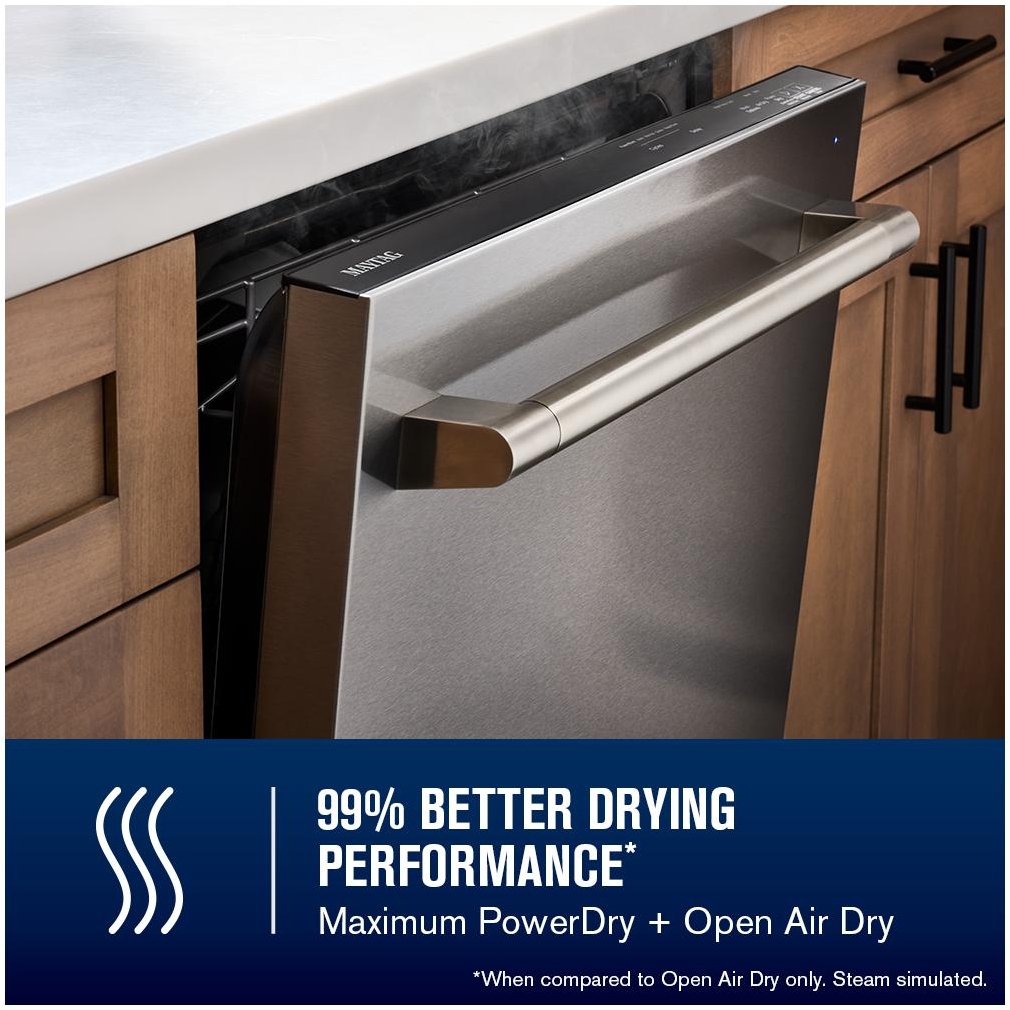
Have you ever noticed the “air dry” setting on your dishwasher and wondered what it really means? You’re not alone.
Many people are curious about this energy-saving option. By understanding how it works, you can make smarter choices for your home and the environment. Imagine reducing your utility bills while still getting spotless dishes. Sounds appealing, right? You’ll discover exactly what the air dry feature does, how it can benefit you, and why it might be the secret to maximizing your dishwasher’s efficiency.
So, if you’re ready to uncover the potential hidden in that little button, keep reading. Your wallet and the planet will thank you.

Credit: www.goodhousekeeping.com
Air Dry Setting Basics
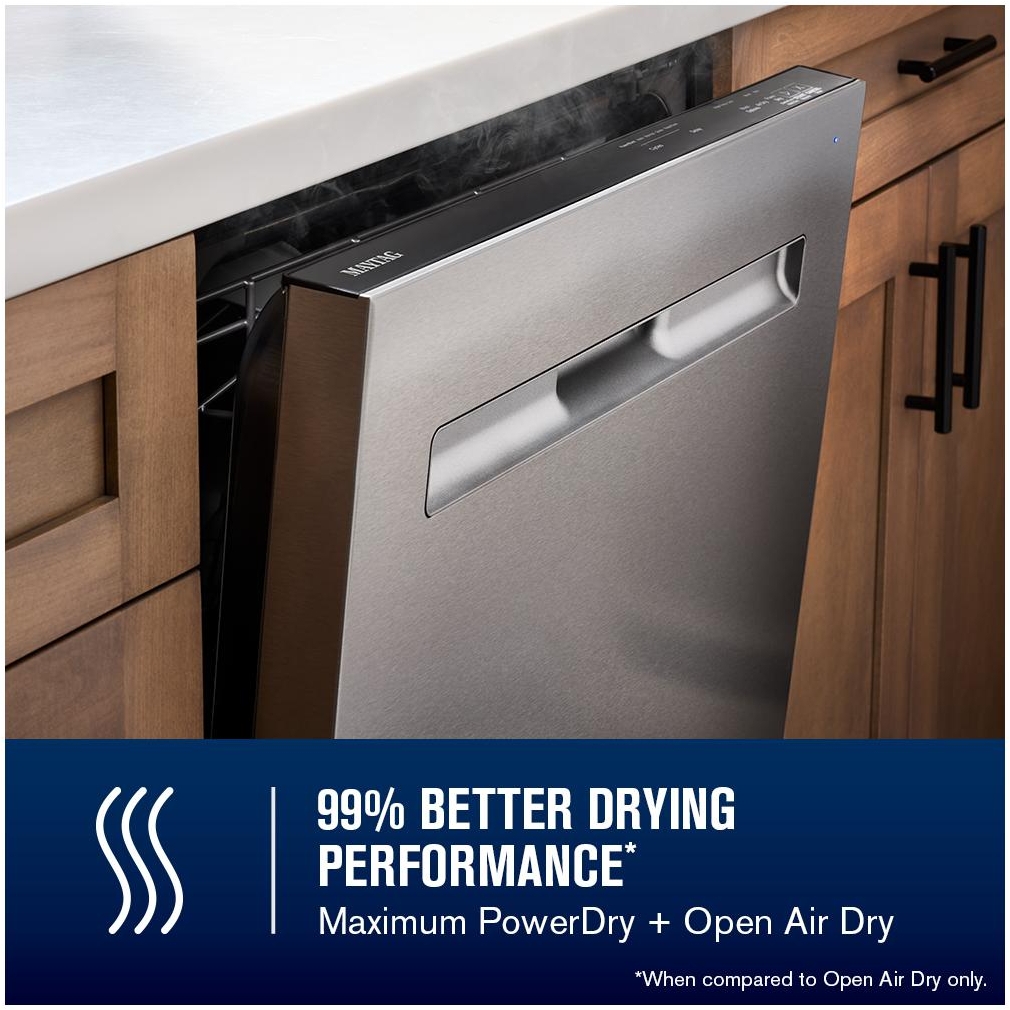
The air dry setting on a dishwasher helps dishes dry without using heat. This option uses natural air to remove moisture from your clean dishes. It saves energy and is gentle on delicate items. Understanding how this setting works can help you decide when to use it.
How Air Dry Works
The dishwasher stops heating at the end of the cycle. The door may open slightly to let air in. This allows water on dishes to evaporate naturally. The drying process takes longer than heat drying. It uses no extra electricity, making it energy efficient.
Difference Between Air Dry And Heat Dry
| Feature | Air Dry | Heat Dry |
|---|---|---|
| Method | Uses natural air and evaporation | Uses an internal heating element |
| Energy Use | Low, no extra power used | Higher, consumes more electricity |
| Drying Speed | Slower, depends on air flow | Faster, heat speeds drying |
| Best For | Plastic, delicate items, energy saving | Sturdy dishes, quick drying |
Credit: www.plessers.com
Benefits Of Air Dry
Choosing the air dry option on your dishwasher offers several clear benefits. It uses natural air instead of heat, which changes how your dishes dry. This method helps save energy, protects fragile items, and keeps your dishwasher working longer. Understanding these benefits can help you decide if air drying suits your needs.
Energy Savings
Air drying uses no extra electricity to heat the air. This reduces your energy bills and lowers power consumption. The dishwasher relies on room temperature air to dry dishes. This simple change makes your appliance more eco-friendly and cost-effective.
Protecting Delicate Items
Heat from traditional drying can damage fine china or plastic items. Air drying avoids high temperatures that cause warping or cracking. It is gentle on sensitive materials, helping them last longer. This method keeps your delicate dishes safe without extra effort.
Reducing Wear On Dishwasher
Using heat drying often puts stress on dishwasher parts. The heating element works harder, which may cause faster wear. Air drying lowers the load on these components. This can extend the life of your dishwasher and reduce repair needs.
When To Use Air Dry
Air dry is a setting on many dishwashers that lets dishes dry without extra heat. It saves energy and is gentle on your dishes. Knowing when to use air dry helps you get the best results and avoid wet spots.
Best Loads For Air Dry
Use air dry for plastic items. Heat can warp or melt them.
Lightly soiled dishes also dry well with air dry. No tough stains need extra heat.
Delicate glassware benefits from air dry. Heat can cause cracks or spots.
Avoiding Dampness Issues
Open the dishwasher door slightly after the cycle ends. This helps steam escape.
Arrange dishes with space between them. Air circulates better and dries faster.
Use a rinse aid. It helps water slide off dishes and prevents spots.
Credit: www.plessers.com
Common Misconceptions
Many people misunderstand what “air dry” means on a dishwasher. Some think it leaves dishes wet or dirty. Others believe it takes too long or is less safe. These ideas can cause confusion about how well air dry works. Clearing up these myths helps users choose the right drying option for their needs.
Air Dry And Hygiene
Some worry that air drying lets germs stay on dishes. The truth is the dishwasher’s hot wash kills most bacteria first. Air drying just avoids extra heat after washing. It uses natural air flow to dry dishes slowly. This process does not reduce cleanliness or hygiene. It actually prevents damage caused by high heat.
Effectiveness Compared To Heat Dry
Heat dry uses warm air to speed up drying. Air dry takes longer but uses less energy. Both methods leave dishes clean and dry. Heat dry can cause water spots or plastic warping. Air dry is gentler and safer for delicate items. Choosing air dry helps save electricity and protects your dishes.
Troubleshooting Air Dry Problems
Air dry settings on dishwashers promise convenience by eliminating the need for towel drying. Yet, many users find their dishes still come out wet, leading to frustration. Troubleshooting these air dry problems can help you get the best from your appliance and ensure your dishes are truly dry and ready to use.
Why Dishes Remain Wet
One common reason dishes stay wet is the type of material. Plastic items often hold water droplets more than glass or metal because they don’t retain heat well. This lack of heat means water evaporates slower during the air dry cycle.
Another factor is the dishwasher’s placement of items. If dishes are stacked too closely, air can’t circulate properly. This traps moisture and prevents effective drying.
Have you noticed that sometimes your dishwasher’s rinse aid is low? Rinse aids help water slide off dishes, improving drying performance. Without enough, water clings to surfaces, leaving them wet.
Improving Air Circulation
Good air circulation is key to efficient air drying. Try loading your dishwasher so that each item has space around it. Avoid nesting bowls or stacking cups tightly.
Position plates and bowls facing downward or at a slight angle. This allows water to drain off easily. Also, keep the upper rack less crowded to let air flow better throughout the machine.
Consider opening the dishwasher door slightly after the cycle ends. This lets steam escape and speeds up drying. Just be cautious if you have small children or pets nearby.
Check your dishwasher’s filter regularly. A clogged filter can reduce airflow inside the machine, affecting drying results. Cleaning it once a month can make a noticeable difference.
Tips For Optimal Air Dry Performance
Getting the best air dry results from your dishwasher doesn’t have to be a mystery. Small changes in how you load your dishes and the products you use can make a big difference. Let’s look at some practical tips that can help your dishwasher air dry more efficiently, saving you time and effort.
Loading Techniques
How you place your dishes affects how well air circulates during drying. Avoid overcrowding the racks to let air flow freely around each item.
Position cups and bowls upside down. This prevents water from pooling and helps them dry faster.
Separate large items like pots and pans from smaller ones. This stops them from blocking the airflow needed for effective drying.
Using Rinse Aid
Rinse aid is a simple product that can improve drying performance significantly. It reduces water droplets, allowing dishes to dry without spots or streaks.
Make sure your rinse aid dispenser is filled regularly. If you notice water pooling or slow drying, adjusting the rinse aid setting on your dishwasher can help.
Have you checked your rinse aid level lately? It’s an easy fix that often gets overlooked but makes a noticeable difference in how your dishes come out.
Frequently Asked Questions
What Does Air Dry Mean On A Dishwasher?
Air dry means the dishwasher uses room air to dry dishes. It turns off the heating element to save energy. Instead, it relies on natural evaporation to dry the items.
How Effective Is The Air Dry Option On Dishwashers?
Air dry is effective but slower than heated drying. It reduces energy use and prevents plastic warping. However, some water spots may remain on dishes after the cycle.
Does Air Dry Save Energy In Dishwashers?
Yes, air dry saves energy by not using the heating element. It lowers electricity consumption and reduces your utility bills. This makes it an eco-friendly drying choice.
Can Air Dry Prevent Plastic Damage In Dishwashers?
Yes, air dry avoids high heat that can warp plastics. It gently dries dishes using natural airflow. This extends the lifespan of plastic kitchenware.
Conclusion
Air dry on a dishwasher means dishes dry without heat. It saves energy and reduces electricity use. Dishes may take longer to dry but stay safe. Choosing air dry helps lower your utility bills. It works well for plastic and delicate items.
Understanding this setting helps you use your dishwasher better. Try air dry for simple, eco-friendly dishwashing. It’s a smart option for many homes.