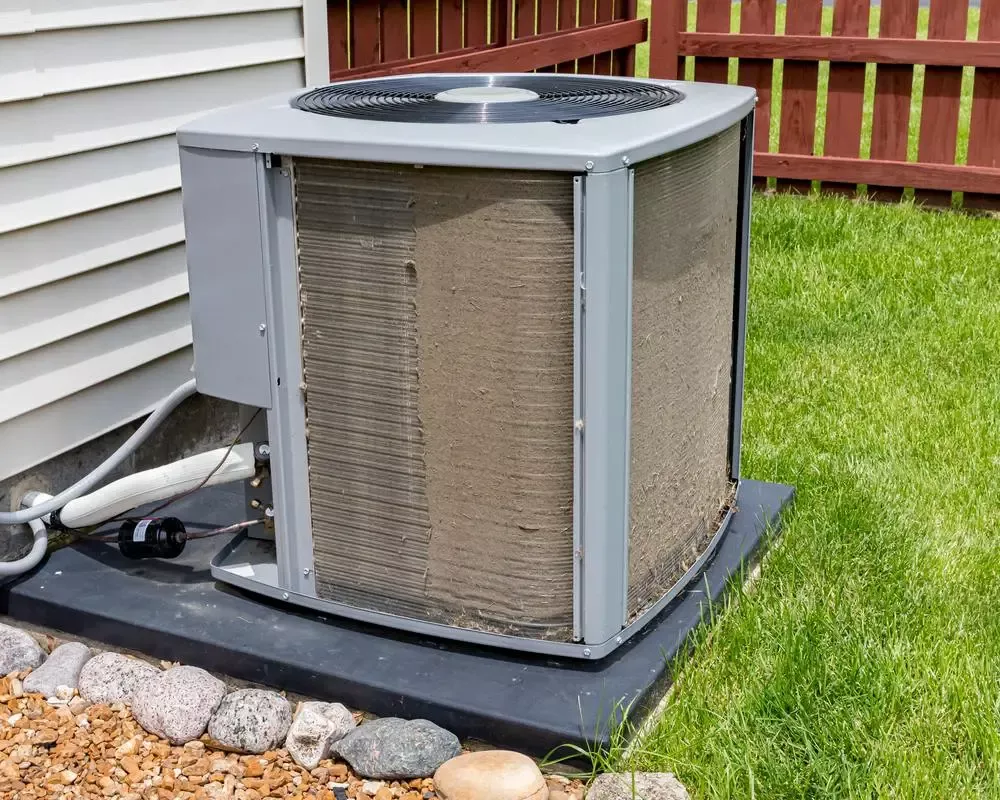
Have you ever wondered what the part of your air conditioner that actually cools the air looks like? If you’ve noticed a large box outside your home but aren’t quite sure what it is, you’re not alone.
Understanding what an air conditioner condenser looks like can help you spot potential issues early and keep your system running smoothly. You’ll get a clear picture of this crucial component, how it works, and why it matters for your comfort.
Keep reading—you might be surprised at what you discover!

Credit: hvacdirect.com
Basic Shape And Size
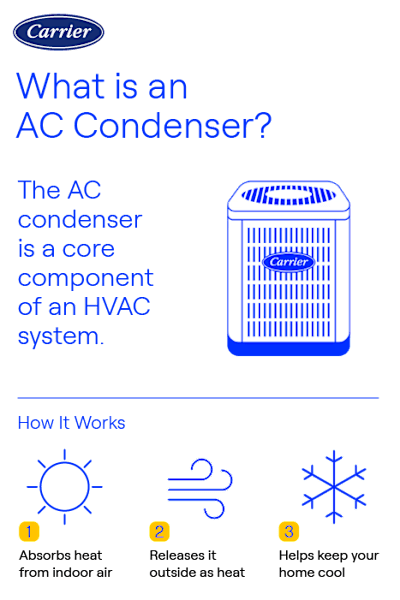
An air conditioner condenser is an important part of the cooling system. It sits outside the building. The condenser helps release heat from the inside to the outside air.
Understanding its basic shape and size can help you recognize it. This guide explains common dimensions and typical forms of a condenser unit.
Common Dimensions
Most air conditioner condensers have a rectangular shape. They are usually wider than tall or deep. Their size varies by the cooling capacity and model.
| Dimension | Typical Range | Unit |
|---|---|---|
| Height | 18 to 36 | inches |
| Width | 24 to 48 | inches |
| Depth | 18 to 30 | inches |
Typical Forms
Condensers come in different forms depending on the system type. The most common shapes are square or rectangular boxes. Some units have rounded edges.
- Box-shaped with metal casing
- Fan on top or side for airflow
- Coils visible inside or covered by grille
- Some models include a protective mesh
Key Components
An air conditioner condenser is a vital part of the cooling system. It helps remove heat from inside your home.
The condenser has several main parts. Each part works together to cool the air efficiently.
Coils And Fins
The coils carry hot refrigerant gas from inside the house. The fins help release heat from the coils.
The fins are thin metal pieces that increase surface area. This helps the heat escape faster into the air.
- Coils are usually made of copper or aluminum
- Fins are made of thin aluminum sheets
- Fins are spaced to allow air flow
- Coils and fins work together to cool refrigerant
Fan And Motor
The fan blows air over the coils and fins. This helps the heat transfer out of the refrigerant.
The motor powers the fan. It runs when the air conditioner is cooling the home.
- Fan usually sits on top of the condenser unit
- Motor is connected to the fan blades
- Fan moves air through coils and fins
- Motor controls fan speed and operation
Compressor Unit
The compressor is the heart of the condenser. It pumps refrigerant through the system.
The compressor squeezes the refrigerant gas. This raises its pressure and temperature before cooling.
- Compressor is a heavy, metal part inside the unit
- It uses electricity to work
- Compresses low-pressure gas to high-pressure gas
- Helps move refrigerant through coils and pipes
Material And Finish
The air conditioner condenser is a key part of the cooling system. It needs strong materials to work well and last long. The material and finish help protect the condenser from weather and wear.
Different metals and coatings are used to make condensers tough and efficient. These choices affect how the condenser looks and performs.
Metal Types Used
Most condensers use metals that handle heat and resist rust. The two common metals are copper and aluminum. Both have good heat transfer and strong durability.
- Copper:Copper pipes and tubes move heat well. It is easy to shape but costs more. Copper is also strong against corrosion.
- Aluminum:Aluminum fins and coils help cool air fast. It is light and cheaper than copper. Aluminum can resist rust but may need extra coatings.
Protective Coatings
Coatings cover the metal parts to stop rust and damage. These finishes keep the condenser working longer and looking good.
| Coating Type | Purpose | Common Use |
|---|---|---|
| Epoxy Coating | Protects against corrosion and chemicals | On aluminum fins and coils |
| Polyurethane | Offers strong protection from weather | On outdoor condenser surfaces |
| Zinc Galvanizing | Prevents rust on steel parts | On condenser frames and panels |
Credit: www.carrier.com
Placement And Installation
The air conditioner condenser is a key part of the cooling system. It is usually placed outside the building. Correct placement and installation help it work well and last longer.
Proper location and mounting keep the condenser safe and allow good airflow. This guide explains outdoor positioning and mounting options for condensers.
Outdoor Positioning
The condenser should be placed in an open area. It needs space for air to flow freely on all sides. Avoid tight corners and spots near plants or walls.
Keep the condenser away from direct sunlight if possible. Shade helps it run cooler and saves energy. Also, place it on flat ground to keep it stable.
- Leave at least 2 feet of clearance around the unit
- Place it on a firm, level surface like concrete or pavers
- Avoid areas with heavy dust or debris
- Do not block airflow with fences or walls
- Consider noise and odor sources nearby
Mounting Options
The condenser can be mounted in different ways depending on space and design. It can sit on the ground, on a platform, or be wall-mounted.
Proper mounting reduces vibration and protects the unit from damage. It also helps with maintenance and cleaning.
- Ground Mount:Most common; place on a concrete pad or pavers
- Platform Mount:Raised platforms keep the unit away from water or snow
- Wall Mount:Saves space; requires sturdy brackets and proper support
- Roof Mount:Used in some buildings; needs strong base and good access
Signs Of Wear And Damage
An air conditioner condenser can show clear signs of wear and damage over time. Identifying these signs early helps avoid bigger problems and costly repairs.
Check the condenser regularly for any visible issues or unusual sounds. Knowing what to look for makes maintenance easier.
Visual Indicators
Look closely at the outside of your condenser unit for signs of damage. Rust, bent fins, and leaks are common visual clues that the unit needs attention.
- Rust and Corrosion:Metal parts may rust from weather exposure. This can weaken the unit’s structure.
- Bent or Damaged Fins:The thin metal fins help cool the system. If they are bent, airflow is reduced.
- Oil or Refrigerant Leaks:Wet spots or oily residue can mean a refrigerant leak, which lowers cooling efficiency.
- Debris Build-up:Leaves, dirt, or grass can block airflow and cause the unit to overheat.
Common Issues
| Issue | Cause | Effect |
|---|---|---|
| Fan Motor Failure | Wear and tear or electrical problems | Condenser cannot cool properly, leading to overheating |
| Refrigerant Leak | Cracked coils or loose fittings | Loss of cooling power and higher energy use |
| Electrical Control Failure | Worn wiring or faulty capacitors | Unit stops running or cycles on and off |
| Compressor Issues | Overheating or mechanical wear | Reduced cooling or complete breakdown |
Credit: www.logan-inc.com
Differences By Air Conditioner Type
Air conditioner condensers look different based on the type of AC unit. Knowing these differences helps you identify the parts easily.
The condenser is the part outside your home that releases heat. Its size and shape change with the system type.
Split Systems
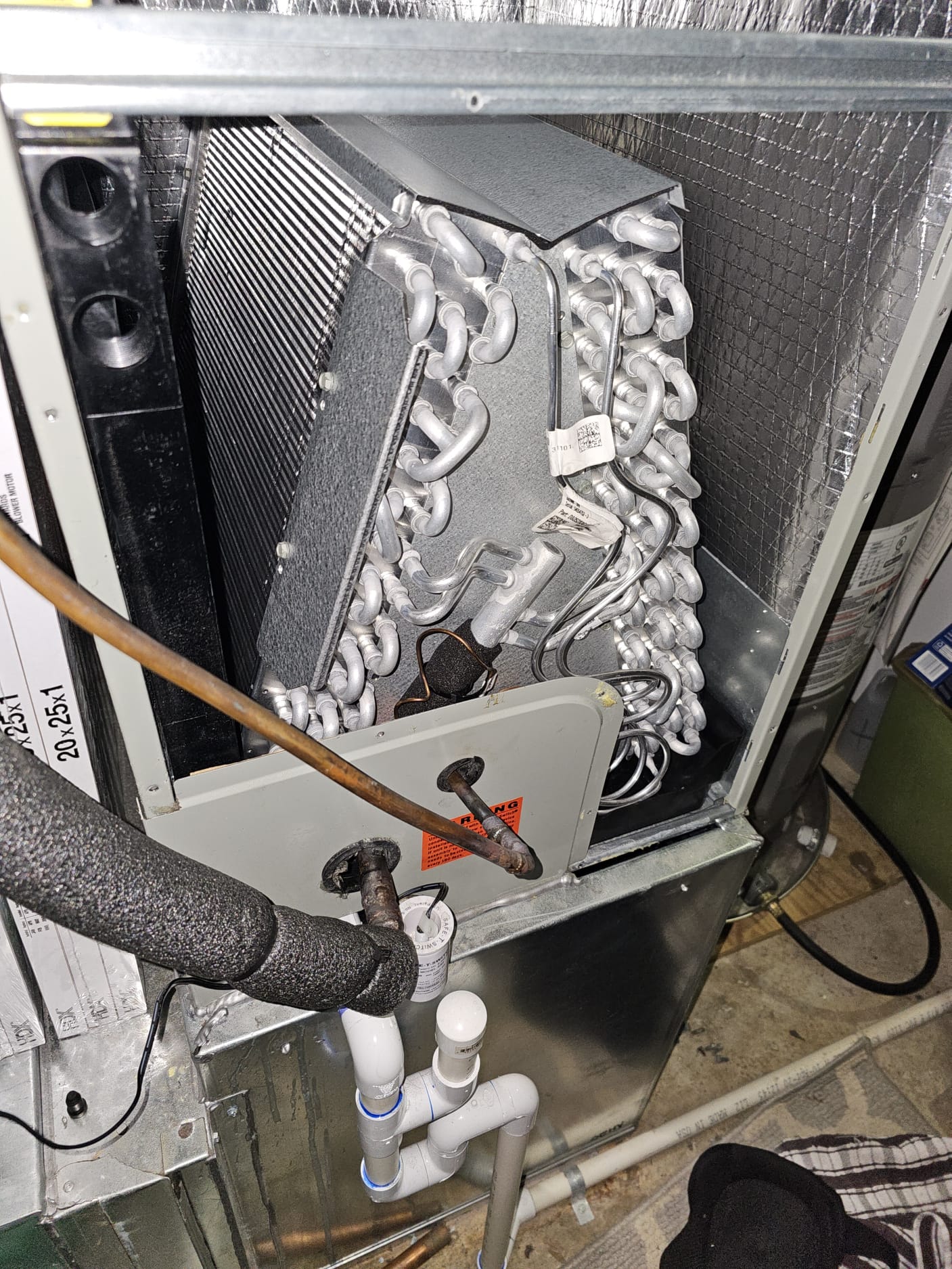
Split system condensers are small and compact. They sit outside and connect to the indoor unit with pipes.
The condenser has a fan on top and metal fins around the sides. These fins help cool the refrigerant.
- Usually square or rectangular shape
- Fan on top to push air through fins
- Connected to indoor evaporator by copper pipes
- Often placed on a concrete pad near a wall
Central Ac Units
Central AC condensers are larger and more powerful. They cool entire homes or buildings.
These condensers have a big fan on top and coil fins around the sides. The metal casing is sturdy to protect the parts.
- Usually large, square, or rectangular boxes
- Heavy-duty fan on top for air flow
- Thick metal coils around the unit
- Often placed in open areas for good airflow
Frequently Asked Questions
What Are The Parts Of An Ac Condenser?
An AC condenser typically includes a compressor, condenser coil, fan, and refrigerant lines. The compressor pressurizes the refrigerant, the coil dissipates heat, and the fan aids cooling. All these components work together to release heat absorbed from your indoor air, ensuring effective air conditioning.
How Does An Ac Condenser Function?
An AC condenser converts refrigerant from gas to liquid by cooling it. This process releases the heat absorbed from indoors. The cooled liquid refrigerant then cycles back into the system, repeating the cooling process efficiently and maintaining a comfortable indoor temperature.
Where Is The Condenser Located?
The condenser is usually located outside your home. It’s part of the outdoor unit of your air conditioning system. Positioned for optimal airflow, it helps in efficiently expelling the absorbed heat, ensuring your indoor environment stays cool and comfortable.
What Does A Damaged Condenser Look Like?
A damaged condenser may show signs like bent fins, leaking refrigerant, or rust. These issues can impede its functionality. Regular maintenance checks can help identify such problems early, ensuring your AC system runs smoothly and efficiently throughout its lifespan.
Conclusion
An air conditioner condenser looks like a metal box with fins and a fan. It sits outside your home, helping to cool the air. This part moves heat from inside to outside. Knowing what it looks like helps with maintenance and repairs.
Keep it clean and clear of debris for best performance. Regular checks can extend your air conditioner’s life. Understanding this simple part makes cooling easier to manage.