Have you ever spotted a fuzzy, striped caterpillar crawling along a tree branch and wondered what it will become? If you’ve come across an Eastern Tent Caterpillar, you might be curious about its next stage in life.
Understanding what this little creature turns into can surprise you—and change the way you see those tents in the trees. Keep reading, and you’ll discover the fascinating transformation that happens right before your eyes. This knowledge might even help you better appreciate the role these insects play in your backyard.
Eastern Tent Caterpillar Basics
The Eastern Tent Caterpillar is a common moth larva in North America. It is known for its web-like tents in tree branches.
These caterpillars are easy to spot in early spring. They often gather in groups and build silk tents for protection.
Appearance And Habitat
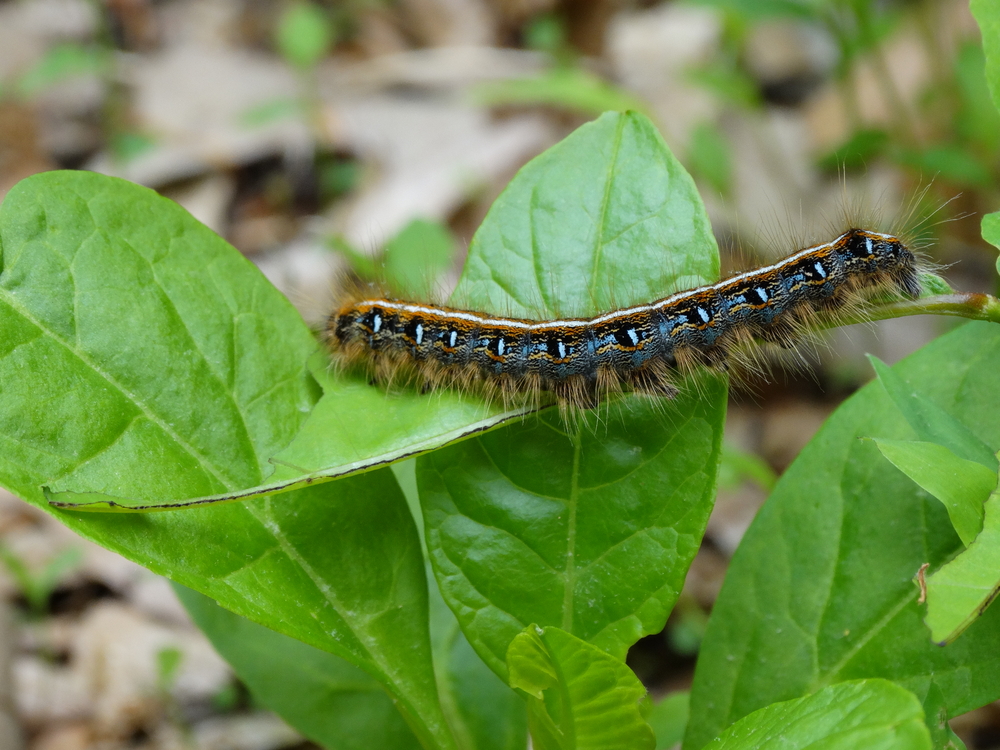
Eastern Tent Caterpillars have hairy bodies with blue and black stripes. They also have a white stripe running down their backs.
- They build tents in the forks of tree branches.
- Favorite trees include cherry, apple, and crabapple.
- They live mostly in open woodlands and orchards.
- The tents protect them from birds and weather.
Life Cycle Stages
The Eastern Tent Caterpillar has four main life stages: egg, larva, pupa, and adult moth.
| Stage | Description | Duration |
| Egg | Laid in rings around tree twigs during late spring. | Winter to early spring |
| Larva | Caterpillar stage that builds tents and feeds on leaves. | Several weeks in spring |
| Pupa | Stage inside a cocoon where transformation happens. | About 2 weeks |
| Adult Moth | Brownish moth that lays eggs to start the cycle again. | Short lifespan in late spring |

Credit: plantwiseplusknowledgebank.org
Caterpillar To Cocoon
The Eastern Tent Caterpillar changes a lot before it becomes a moth. It starts as a caterpillar that builds a silk tent. Then it prepares to turn into a cocoon. This stage is called pupation.
During this time, the caterpillar stops eating and gets ready to change inside its cocoon. The process helps it grow into a moth.
Silk Tent Construction
Eastern Tent Caterpillars make a silk tent in tree branches. They spin silk from their bodies to create this home. The tent protects them from weather and predators.
They add silk layers as they grow. The tent has holes for the caterpillars to leave and eat. The silk also keeps the caterpillars warm.
- Silk is spun from special glands
- Tent grows larger with more caterpillars
- Tent provides shelter and warmth
- Holes let caterpillars come and go
Preparation For Pupation
When the caterpillars are ready to pupate, they stop eating. They leave the tent and find a safe spot. This spot is usually on tree bark or leaves.
Next, the caterpillars spin a cocoon. Inside the cocoon, they will change into moths. The cocoon protects them during this change.
- Caterpillars stop eating before pupation
- They leave the silk tent to find shelter
- Spin a cocoon to protect themselves
- Change happens inside the cocoon
The Pupal Stage
The Eastern Tent Caterpillar undergoes a fascinating transformation during the pupal stage. This is a crucial phase of its life cycle.
During this time, the caterpillar prepares to become a moth. It spins a cocoon to protect itself while it changes inside.
Inside The Cocoon
Inside the cocoon, the caterpillar’s body undergoes significant changes. It transforms into a pupa, a stage where it is neither a caterpillar nor a moth yet.
Duration And Changes
The pupal stage lasts for several weeks. During this time, the caterpillar’s tissues are reorganized to form the adult moth.
- The caterpillar spins a cocoon.
- It becomes a pupa inside the cocoon.
- Body structures are transformed.
- Emerges as an adult moth.
| Stage | Duration |
| Egg | 6 weeks |
| Caterpillar | 4 weeks |
| Pupa | 2-3 weeks |
| Moth | 1-2 weeks |
Credit: www.brodybrotherspestcontrol.com
Emergence Of The Moth
The eastern tent caterpillar turns into a moth after it finishes its caterpillar stage. The caterpillar forms a cocoon to protect itself during this change. Inside the cocoon, the caterpillar changes its body and grows wings.
This process is called metamorphosis. It takes about two to three weeks before the moth comes out of the cocoon. The moth is the adult stage of the eastern tent caterpillar.
Moth Appearance
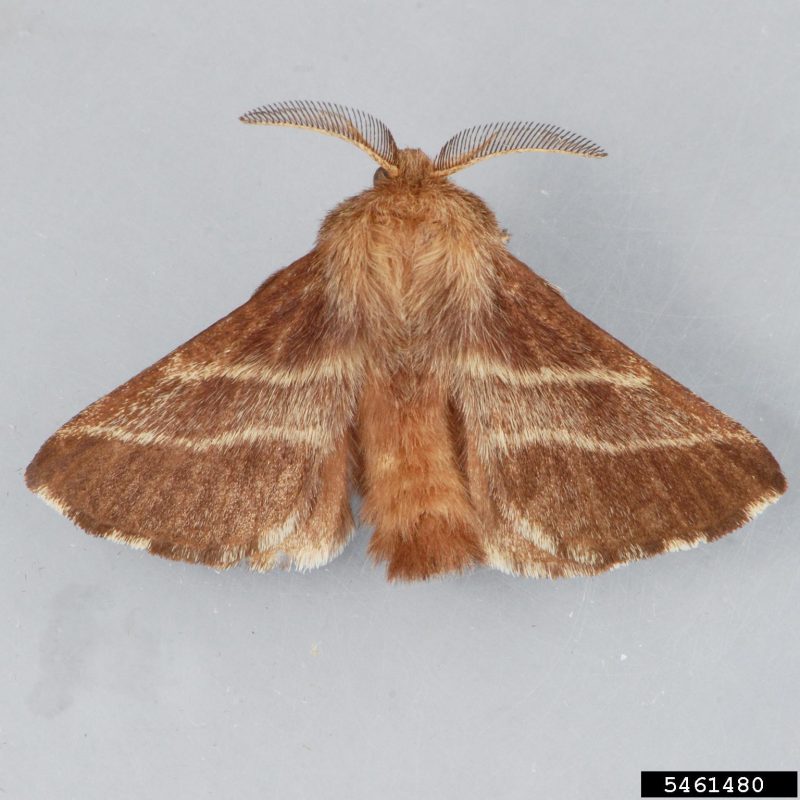
The eastern tent caterpillar moth has a wingspan of about 1.5 to 2 inches. Its wings are brown with some white and black markings. The moth’s body is furry and has a mix of brown and tan colors.
The wings have a slight shine to them, making the moth look smooth when it flies. The moth’s antennae are thin and feathery, which helps it sense its environment.
Behavior
The eastern tent caterpillar moth is mostly active at night. It flies to find a mate and lay eggs for the next generation. During the day, the moth rests on tree trunks or leaves to stay hidden from predators.
This moth does not eat much as an adult. Its main goal is to reproduce and start the life cycle again. It uses its senses to find the best places for laying eggs.
Lifespan
The eastern tent caterpillar moth lives for about one week after emerging from the cocoon. During this time, it focuses on mating and laying eggs. The eggs then hatch into new caterpillars in the spring.
The short lifespan helps the moth spend energy on reproduction instead of long-term survival. After laying eggs, the moth usually dies within a few days.
Ecological Impact
The eastern tent caterpillar turns into a moth after its larval stage. This moth plays a role in nature’s food web. Its life cycle affects plants and animals around it.
Understanding the eastern tent caterpillar’s impact helps us see its place in the environment. It interacts with trees, birds, and insects in many ways.
Role In The Ecosystem
The eastern tent caterpillar moth is food for many animals. Birds, small mammals, and other insects eat its larvae and adults. This helps keep animal populations balanced.
The caterpillars also help break down leaves. By eating leaves, they speed up the cycle of nutrients in the soil. This supports plant growth and soil health.
- Food source for birds and mammals
- Helps recycle nutrients in soil
- Supports predator insect populations
Effect On Trees And Plants
Eastern tent caterpillars can eat many leaves from trees. This can make trees look bare in spring. Sometimes, heavy feeding weakens the tree.
Most trees recover quickly after caterpillars finish eating. The damage is often temporary but can stress young or unhealthy trees. Some plants may grow slower after leaf loss.
- Defoliates trees, mainly cherry and apple
- Can stress young or weak trees
- Trees usually recover in one season
Managing Eastern Tent Caterpillars
The Eastern Tent Caterpillar turns into a moth. These moths are not harmful. But the caterpillars can damage trees.
Managing these caterpillars helps protect fruit and shade trees. You can use natural ways or control methods.
Natural Predators
Birds eat Eastern Tent Caterpillars and help keep their numbers low. Wasps and beetles also hunt these caterpillars.
Encouraging natural predators is a safe way to manage caterpillars. Planting flowers can attract helpful insects.
- Birds like robins and chickadees
- Parasitic wasps lay eggs in caterpillars
- Beetles feed on caterpillar eggs and larvae
Control Methods
Removing caterpillar tents by hand can reduce their numbers. Do this early in the morning or late in the evening.
Using insecticides can help but use them carefully. Choose products safe for other insects and plants.
- Prune and destroy caterpillar tents
- Use insecticidal soaps or sprays if needed
- Apply control methods before caterpillars spread

Credit: medium.com
Frequently Asked Questions
What Does An Eastern Tent Caterpillar Become?
The Eastern tent caterpillar transforms into a moth. Specifically, it becomes a brownish moth with white and blue markings. This metamorphosis completes its lifecycle from caterpillar to adult moth.
How Long Is The Eastern Tent Caterpillar’s Lifecycle?
The Eastern tent caterpillar’s lifecycle lasts about one year. It spends early stages as a caterpillar, then pupates and emerges as a moth in spring.
Are Eastern Tent Caterpillars Harmful To Trees?
Eastern tent caterpillars can defoliate trees but rarely kill them. They mainly feed on cherry and apple trees, causing temporary leaf loss.
When Do Eastern Tent Caterpillars Turn Into Moths?
Eastern tent caterpillars pupate in late spring. They emerge as moths after about two weeks inside their cocoons.
Conclusion
The Eastern Tent Caterpillar becomes a beautiful moth. This moth has bright colors and spreads its wings wide. The change from caterpillar to moth is called metamorphosis. It shows how nature works in amazing ways. Knowing this helps us appreciate these small creatures more.
They play a role in the environment and food chain. Watching this change can be a fun experience. Nature’s cycles always bring surprises and lessons. Keep an eye on these caterpillars next spring. You might see the full transformation yourself.