Have you ever wondered what keeps your refrigerator running smoothly and your food fresh? The secret lies in a crucial component known as the compressor.
Understanding what a compressor does in your refrigerator can help you appreciate this everyday appliance even more. Imagine opening your fridge to find everything perfectly chilled and preserved. It’s not magic; it’s the compressor working diligently behind the scenes. By exploring the role of this essential part, you’ll gain insights into how your refrigerator maintains the ideal temperature for your food.
Curious to learn more? Let’s dive into the fascinating world of refrigerator compressors and discover their vital role in keeping your kitchen cool and convenient.
Role Of Compressor In Cooling
The compressor plays a vital role in the cooling process of a refrigerator. It powers the refrigeration cycle by compressing and moving the refrigerant. Without the compressor, the fridge cannot keep food cold or fresh. Understanding its function helps appreciate how refrigerators work efficiently.
Compressor As The Heart Of Refrigeration
The compressor is often called the heart of a refrigerator. It pumps the refrigerant through the system. This action creates pressure differences needed for cooling. The compressor keeps the refrigerant flowing and helps maintain a cold temperature inside the fridge. Without it, the cooling cycle would stop.
How Compressor Moves Refrigerant
The compressor pulls low-pressure refrigerant gas from the evaporator. It then compresses this gas, raising its pressure and temperature. After compression, the hot gas moves to the condenser coils outside the fridge. There, it releases heat and becomes a high-pressure liquid. This liquid then flows to the evaporator, completing the cycle.
Compressor Types In Refrigerators
Refrigerators use different types of compressors to cool food efficiently. Each type has a unique design and way of working. Choosing the right compressor affects energy use and noise level. Understanding these types helps you know how your fridge works.
Reciprocating Compressors
Reciprocating compressors use a piston to compress gas. The piston moves back and forth inside a cylinder. This action increases the pressure of the refrigerant gas. They are common in older and larger refrigerators. These compressors are strong but can be noisy.
Rotary Compressors
Rotary compressors have a spinning part called a rotor. The rotor turns inside a cylinder to compress gas. These compressors are smaller and quieter than reciprocating types. They work well in compact and modern refrigerators. Rotary compressors use less energy and run smoothly.
Scroll Compressors
Scroll compressors use two spiral-shaped parts to compress gas. One spiral moves while the other stays still. This movement traps and compresses the refrigerant. Scroll compressors are very quiet and efficient. They are common in high-end and energy-saving refrigerators.
Compressor Operation Cycle
The compressor operation cycle is the heart of your refrigerator’s cooling system. It works continuously to keep your food fresh by controlling the flow and pressure of the refrigerant. Understanding this cycle helps you appreciate how your fridge maintains a cool environment efficiently.
Compression Phase
The cycle starts with the compressor compressing the refrigerant gas. This increases the gas’s pressure and temperature significantly. Imagine squeezing a balloon—it gets hotter and more pressurized, just like the refrigerant here.
This phase forces the refrigerant into a high-energy state, ready to release heat. Without this step, the cooling process can’t move forward effectively.
Condensation Phase
Next, the hot, high-pressure refrigerant flows through the condenser coils. These coils release the heat into the surrounding air, usually at the back or bottom of your fridge. As the refrigerant cools, it changes from a gas to a liquid.
Think about how steam cools and turns back into water on a cold surface—that’s essentially what happens here. This phase is crucial because it removes the heat absorbed from inside the fridge.
Expansion And Evaporation
Once the refrigerant becomes liquid, it passes through an expansion valve or capillary tube. This causes the pressure to drop rapidly, cooling the refrigerant further. The cold refrigerant then moves into the evaporator coils inside the fridge.
Here, it absorbs heat from the fridge’s interior, turning back into a gas. This process cools the air inside your fridge and restarts the cycle. Have you noticed how the inside of your fridge feels cold and fresh? That’s this stage in action.

Credit: www.searshomeservices.com
Effects On Refrigerator Efficiency
The compressor plays a key role in a refrigerator’s efficiency. It controls how well the fridge cools and how much energy it uses. A strong compressor means better cooling and less power waste. On the other hand, a weak or faulty compressor can lead to higher bills and poor cooling performance. Understanding its effects helps in choosing and maintaining your refrigerator better.
Energy Consumption
The compressor uses electricity to pump refrigerant through the fridge. A modern, efficient compressor uses less power while keeping the fridge cold. Older or damaged compressors consume more energy. This raises electricity bills and strains your home’s power supply. Energy-efficient compressors save money and protect the environment.
Cooling Performance
The compressor moves refrigerant to absorb heat inside the fridge. A strong compressor keeps the temperature steady and low. This preserves food freshness and prevents spoilage. If the compressor weakens, the fridge may not cool enough. Food may spoil faster and freezer ice may build up.
Noise Levels
The compressor creates noise while running. High-quality compressors run quietly, causing less disturbance. Worn-out compressors make loud, constant noises. Excessive noise can signal compressor problems. Quiet operation improves comfort in your kitchen or living space.
Common Compressor Issues
The compressor is the heart of a refrigerator. It pushes refrigerant through the cooling system. Problems with the compressor can stop the fridge from working properly. Recognizing common compressor issues helps save time and money. Early detection can prevent full breakdowns and costly repairs.
Signs Of Compressor Failure
- The refrigerator is not cooling well.
- Strange noises like humming or clicking sounds.
- The compressor feels very hot to touch.
- The fridge runs continuously without stopping.
- Frequent tripping of the circuit breaker.
- Ice buildup inside the fridge or freezer.
Causes Of Compressor Problems
- Dirty or clogged condenser coils.
- Electrical issues, such as faulty wiring or capacitors.
- Overheating due to poor ventilation.
- Wear and tear from long-term use.
- Low refrigerant levels caused by leaks.
- Power surges damaging the compressor motor.
Maintenance Tips
- Clean condenser coils every few months.
- Keep the fridge well-ventilated and not crowded.
- Check the compressor for dust and dirt regularly.
- Ensure electrical connections are secure and intact.
- Monitor fridge temperature to avoid overworking the compressor.
- Schedule professional servicing at least once a year.

Credit: www.searshomeservices.com
Advancements In Compressor Technology
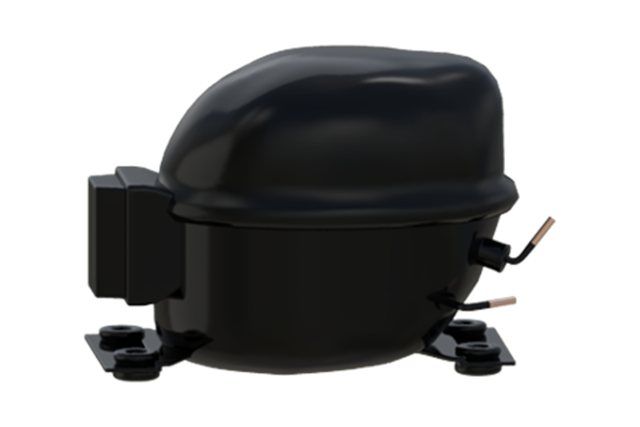
Advancements in compressor technology have transformed how refrigerators work, making them more efficient, quieter, and environmentally friendly. These improvements not only save energy but also extend the lifespan of your appliance. Understanding these technologies can help you choose a refrigerator that fits your needs and reduces your carbon footprint.
Inverter Compressors
Inverter compressors adjust their speed based on the cooling demand instead of running at full speed all the time. This means they use less electricity and maintain a more consistent temperature inside your fridge.
Have you noticed how your fridge runs quieter with an inverter compressor? That’s because it avoids constant on-off cycles, reducing wear and tear. Many users report lower energy bills after switching to refrigerators with inverter technology.
Eco-friendly Refrigerants
New compressors use refrigerants that are less harmful to the environment. These gases have lower global warming potential compared to older refrigerants, helping reduce the impact on our planet.
Choosing a refrigerator with eco-friendly refrigerants means you contribute to cleaner air and a healthier environment. Plus, manufacturers are improving compressor designs to work efficiently with these safer refrigerants without compromising performance.
Smart Compressor Controls
Smart compressors come with sensors and control systems that optimize cooling based on usage patterns. This means your fridge can adjust its operation depending on how often you open the door or the ambient temperature.
Imagine a compressor that learns your habits and adapts to save energy while keeping your food fresh. These smart controls also alert you to maintenance needs, helping prevent unexpected breakdowns and costly repairs.
Credit: www.danfoss.com
Frequently Asked Questions
What Is The Primary Function Of A Refrigerator Compressor?
The compressor circulates refrigerant through the cooling system. It compresses the gas, raising its pressure and temperature, enabling heat removal and cooling inside the fridge.
How Does A Compressor Affect Refrigerator Efficiency?
A well-functioning compressor ensures efficient cooling by maintaining optimal refrigerant flow. It reduces energy consumption and keeps food fresh longer by stabilizing internal temperatures.
Can A Faulty Compressor Stop A Refrigerator From Cooling?
Yes, a broken compressor cannot circulate refrigerant, causing the fridge to lose its cooling ability. Repair or replacement is necessary to restore normal function.
Why Is Compressor Noise Important In Refrigerators?
Compressor noise indicates its operating condition. Unusual sounds may signal mechanical issues, requiring timely service to prevent breakdown and maintain efficient cooling.
Conclusion
The compressor keeps your refrigerator cool and fresh. It moves the refrigerant to remove heat inside. Without it, food would spoil quickly. It works quietly but plays a big role. Understanding this helps you appreciate your fridge more. Take care of the compressor for longer fridge life.
Regular maintenance keeps it running smoothly. Now you know why the compressor matters most. Simple but essential.