Have you ever wondered what the fan on your air conditioner actually does? You might think it’s just there to blow air, but it plays a much bigger role in keeping your room cool and comfortable.
Understanding how this fan works can help you use your AC more effectively and even save on energy bills. Keep reading, and you’ll discover the simple secrets behind that little fan and how it affects your air conditioner’s performance.

Credit: www.yahoo.com
Fan Function In Ac
The fan in an air conditioner moves air inside the room. It helps spread cool air evenly. The fan also supports other parts of the AC to work well.
Understanding the fan’s role can help you use your AC better. This guide explains what the fan does in air circulation, cooling, and humidity control.
Air Circulation Role
The fan circulates air inside the room by pulling warm air and pushing cooled air out. This keeps the air moving and prevents hot spots.
- Draws warm air toward the AC unit
- Pushes cooled air into the room
- Maintains steady airflow for comfort
- Helps freshen the indoor air
Cooling Enhancement
The fan helps the AC cool the room faster. It moves air over the cold coils, so heat leaves the air quickly.
| Fan Speed | Effect on Cooling |
| Low | Gentle air flow, slower cooling |
| Medium | Balanced cooling and comfort |
| High | Fast cooling, higher energy use |
Humidity Control
The fan also helps remove moisture from the air. It moves air over cold coils where humidity condenses and drains out.
Key ways the fan controls humidity:
- Moves moist air to cooling coils
- Supports water removal from air
- Helps keep indoor air dry and comfortable
Types Of Ac Fans
Air conditioners use different types of fans to move air and cool your home. Each fan has a special job to keep the air flowing.
Understanding these fans helps you know how your AC works and why it feels cool inside.
Blower Fans
Blower fans are inside the air handler or furnace of the AC system. They push air through the ducts and into rooms.
These fans help move warm air over the cooling coils to make the air cold before it enters your home.
Condenser Fans
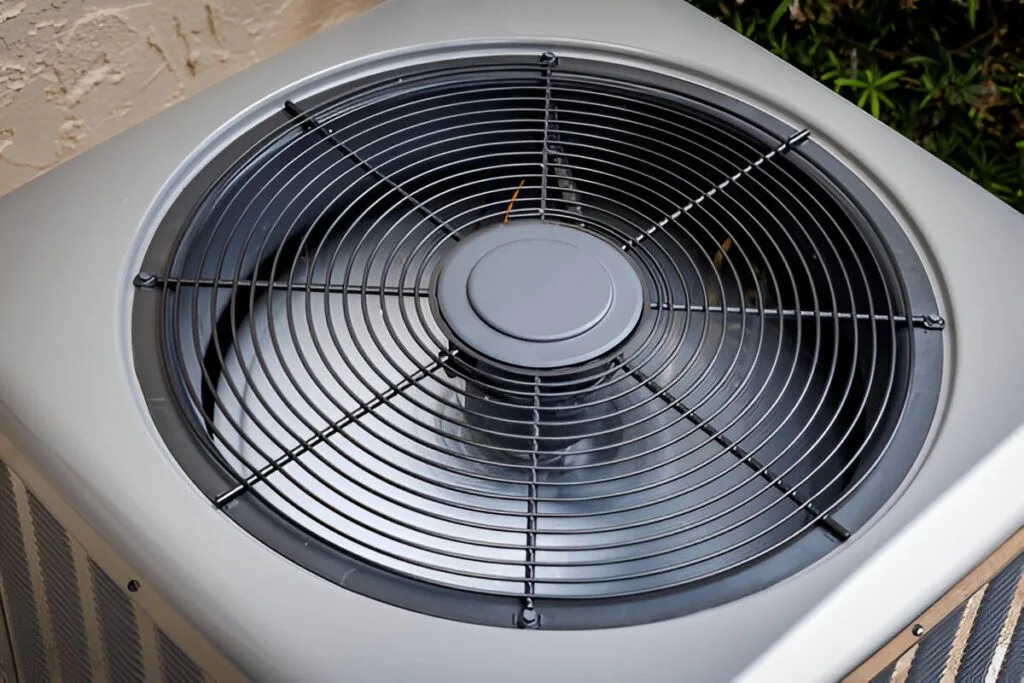
Condenser fans are located outside in the AC unit. They pull air through the condenser coils to cool down the refrigerant.
These fans help remove heat from the refrigerant so the AC can cool your home efficiently.
Evaporator Fans
Evaporator fans blow air over the evaporator coils inside the indoor unit. This cools the air before it reaches your rooms.
They keep the air moving inside your home and help keep the temperature steady and comfortable.
Energy Efficiency Impact
The fan on an air conditioner helps move cool air around a room. It also affects how much energy the AC uses. Understanding the fan’s role can help save electricity.
Using the fan correctly can improve comfort and lower power bills. It works with the cooling system to keep your space cool.
Fan Speed Settings
Fan speed controls how fast air moves in the room. Most ACs have low, medium, and high fan speeds. Choosing the right speed helps balance comfort and energy use.
Lower fan speeds use less energy but may cool slower. Higher speeds cool faster but use more power. Adjust speed based on room size and temperature.
- Low speed: saves energy, gentle airflow
- Medium speed: balanced cooling and power
- High speed: quick cooling, higher energy use
Power Consumption
The fan motor uses electricity to run. Its power use changes with speed settings. Running the fan on high speed uses more power than low speed.
Keeping the fan on when the compressor is off can increase electricity use. Some models have a fan-only mode which uses less power but still moves air.
- High fan speed uses the most power
- Low fan speed uses less power
- Fan-only mode reduces power use
Cost Savings
Using the fan efficiently can lower your electricity bill. Choosing lower fan speeds saves power and money. Turning off the fan when not needed also helps.
Smart use of fan settings reduces wear on the AC. This can extend its life and reduce repair costs over time.
- Lower fan speeds reduce energy costs
- Turn fan off when room is cool
- Proper fan use extends AC lifespan
Comfort And Air Quality
The fan on an air conditioner helps spread cool air evenly. It plays a key role in making your room comfortable. The fan also affects the air quality inside your home.
Understanding what the fan does can help you use your air conditioner better. It can improve how you feel and breathe in your space.
Even Temperature Distribution
The fan moves cooled air around the room. This stops cold air from staying in one place. It helps keep the temperature steady throughout the space. Without the fan, some areas may feel too cold or too warm.
- Circulates air to avoid hot or cold spots
- Makes the whole room feel cooler and more pleasant
- Reduces the need to adjust the thermostat often
Air Filtration Benefits
The fan also helps clean the air inside your home. It pushes air through filters in the air conditioner. These filters catch dust, pollen, and other particles. Cleaner air means better health and comfort.
| Air Quality Benefit | How It Works |
| Dust Removal | Filters trap dust from the air |
| Allergen Reduction | Blocks pollen and pet dander |
| Improved Breathing | Less particles in the air you breathe |
Noise Levels
The fan makes some sound while running. Most modern air conditioners keep noise low. Quiet fans make your room calm and peaceful. Loud fans may cause distraction or discomfort.
Ways to reduce fan noise:
- Choose air conditioners with quiet fan modes
- Keep the unit clean and maintained
- Place the unit away from bedrooms or study areas
Maintenance Tips
Keeping your air conditioner’s fan in good shape helps it work well. Regular maintenance stops problems early.
Follow simple steps to clean and check parts. This keeps your fan running smoothly and your air fresh.
Cleaning Fan Blades
Dust and dirt can build up on fan blades. This makes the fan less effective and noisy. Clean blades often to avoid this.
- Turn off and unplug the air conditioner.
- Remove the front panel to access the blades.
- Use a soft cloth or brush to wipe dust off the blades.
- For sticky dirt, dampen the cloth with mild soap water.
- Dry the blades completely before reassembling.
Checking Motor Function
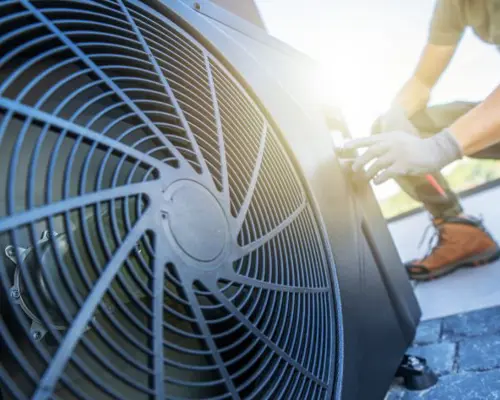
The motor powers the fan and keeps air moving. Check it regularly for smooth operation and strange sounds.
| Check Point | What to Look For |
| Noise | Unusual or loud sounds |
| Vibration | Fan shaking or wobbling |
| Heat | Motor feels very hot |
| Speed | Fan not spinning fast enough |
If you notice any issues, contact a technician to inspect the motor. Avoid using the unit until repaired.
Replacing Filters
Filters keep air clean and protect the fan. Dirty filters block airflow and reduce cooling power. Replace them on time.
- Check the filter every month during heavy use.
- Remove the filter carefully from the unit.
- If washable, clean with water and dry fully before reuse.
- Replace disposable filters with new ones as needed.
- Write the replacement date to track filter changes.
Credit: sierraair.com
Credit: www.ars.com
Frequently Asked Questions
What Is The Purpose Of The Fan Mode?
The fan mode circulates air without cooling, helping to distribute air evenly in the room. This mode is energy-efficient and can be used to maintain a comfortable atmosphere. It is ideal for mild weather when cooling is not necessary.
Does Fan Mode Save Energy On Ac?
Yes, using fan mode saves energy because it does not engage the compressor. The air conditioner circulates existing air, reducing electricity consumption. This can result in lower energy bills compared to full cooling mode.
Can Fan Mode Dehumidify The Air?
No, fan mode does not dehumidify air. It simply circulates air without removing moisture. For dehumidification, use the air conditioning or a dedicated dehumidifier. This ensures moisture levels are adequately reduced.
Is It Okay To Run The Fan Continuously?
Running the fan continuously is generally safe and can improve air circulation. However, it may lead to increased energy use compared to intermittent operation. Consider your comfort needs and energy goals when deciding.
Conclusion
The fan in your air conditioner helps spread cool air around the room. It moves air over the cooling coils to make the space feel comfortable. Without the fan, the AC cannot cool effectively. Using the fan mode alone helps circulate air without cooling.
This saves energy while keeping air fresh. Knowing how the fan works helps you use your AC better. It keeps the room cool and the air moving. Simple but important for comfort and efficiency.