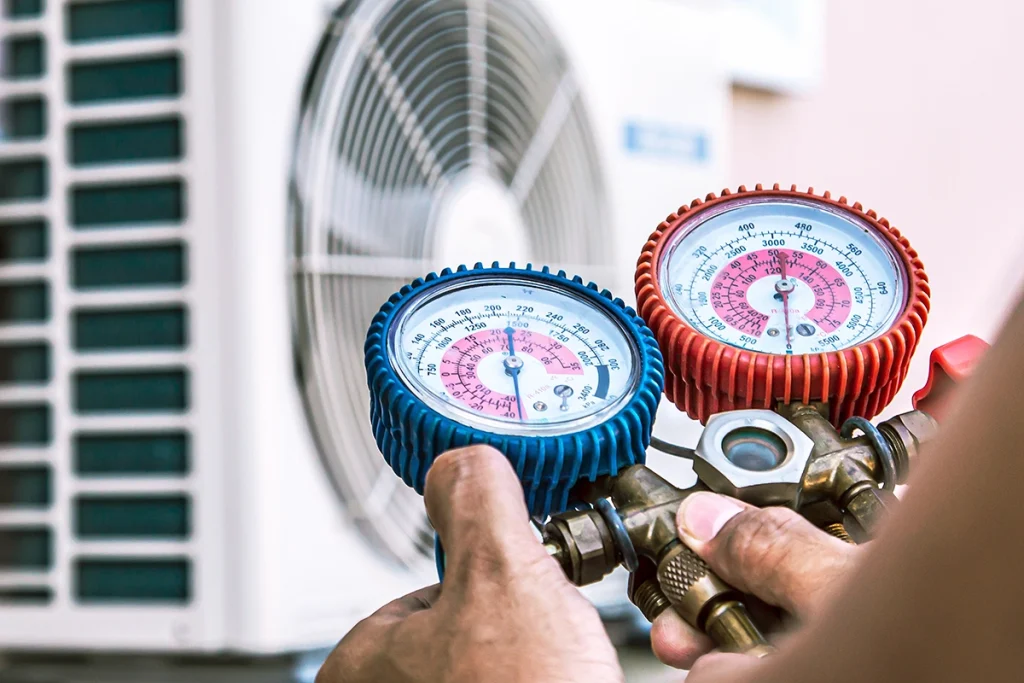
Ever wondered what that strange odor coming from your air conditioner or refrigerator is? It’s not something you should ignore.
That smell could be a sign of a refrigerant leak. But what does refrigerant actually smell like? Understanding this can be crucial for your safety and the efficiency of your appliances. Imagine having the power to detect a problem before it spirals out of control, saving you time, money, and stress.
This article will guide you through identifying the scent of refrigerant so you can act quickly and confidently. Get ready to uncover the mystery behind that peculiar odor and ensure a safer environment for you and your loved ones.

Credit: northnjhvac.com
Common Refrigerant Scents
Recognizing the scent of refrigerants can help you detect leaks early and avoid potential hazards. Refrigerants often have distinct smells, which vary depending on their chemical composition. Identifying these common scents can make a real difference in maintaining your HVAC system’s safety and efficiency.
Sweet And Ether-like Odor
Many refrigerants emit a sweet, almost fruity smell similar to ether. This scent can be surprisingly pleasant but signals a leak that shouldn’t be ignored. If you notice this odor near your air conditioning unit, it’s a clear sign to have a professional inspect the system.
Chemical And Sharp Smell
Some refrigerants give off a strong, sharp chemical scent that can irritate your nose and throat. This smell often resembles cleaning solvents or ammonia. If you catch this scent, it’s important to ventilate the area immediately and check for leaks.
Ozone-like Notes
Occasionally, refrigerants can produce an ozone-like smell, sharp and slightly metallic. This scent might remind you of the air after a thunderstorm. Have you ever experienced a strange, sharp smell near your AC and wondered if it was safe? That could be a refrigerant leak signaling urgent attention.
Sources Of Refrigerant Leaks
Refrigerant leaks can be tricky to spot, especially if you don’t know where they usually come from. Knowing the common sources of refrigerant leaks helps you act quickly and prevent bigger problems. Let’s look at the main places where these leaks often happen.
Hvac Systems
HVAC systems use refrigerants to cool and heat your home or office. Leaks often occur at joints, valves, or coils where the refrigerant flows through narrow pipes. If you notice a sweet or chemical smell near your vents, it could be a sign of a leak.
Have you ever felt your AC wasn’t cooling as well as before? That might be due to a slow refrigerant leak. Regular maintenance can catch these leaks before they affect your comfort or increase energy bills.
Refrigerators And Freezers
Refrigerators and freezers rely on sealed systems filled with refrigerant to keep your food fresh. Over time, these seals can weaken or crack, leading to leaks. A faint chemical odor inside or around your appliance is often the first hint.
Think about the last time your fridge started making strange noises or wasn’t as cold. These are common signs that refrigerant might be escaping. Ignoring these signs can not only spoil your food but also increase repair costs.
Automotive Air Conditioning
Your car’s air conditioning system also depends on refrigerants to keep the cabin cool. Leaks usually happen in hoses, connectors, or the compressor. If you smell a sweet, slightly oily scent inside your car, it’s time to have the AC checked.
Have you ever wondered why your car’s AC blows warm air suddenly? Refrigerant leaks are often the culprit. Fixing these leaks early can save you from expensive repairs and keep your drives comfortable.
Health Risks Of Refrigerant Exposure
Exposure to refrigerants can pose serious health risks. These chemicals are used in cooling systems but can be harmful if inhaled or touched. Understanding the effects helps protect your health and safety.
Respiratory Irritation
Breathing in refrigerant fumes can cause coughing and throat irritation. It may lead to shortness of breath or wheezing. High exposure can damage lung tissues and cause severe breathing problems.
Skin And Eye Effects
Contact with refrigerants may cause skin redness and burns. The cold temperature of the gas can freeze skin cells, leading to frostbite. If it gets into the eyes, it can cause pain, redness, and even vision problems.
Long-term Health Concerns
Repeated exposure to refrigerants may affect the nervous system. It can cause headaches, dizziness, and loss of coordination. Some types may harm the heart or liver after long-term contact. Protect yourself by avoiding leaks and using proper safety gear.
Credit: 4neighborhood.com
Detecting Refrigerant Leaks Quickly
Detecting refrigerant leaks quickly can save you from costly repairs and potential health risks. The sooner you identify a leak, the faster you can fix it and avoid damage to your cooling system. Let’s look at practical ways you can spot these leaks early.
Using Your Sense Of Smell
Refrigerants often have a distinct chemical odor, sometimes described as sweet or ether-like. If you notice an unusual smell near your air conditioner or refrigerator, it could be a sign of a refrigerant leak.
Trust your nose—if the smell is strong or persistent, don’t ignore it. Early detection through smell can prevent small leaks from becoming major problems.
Visual Signs Of Leaks
Look around your cooling units for oily residue or frost buildup on pipes and coils. These are common indicators that refrigerant is escaping.
Check for hissing sounds or bubbles if you suspect a leak in liquid-filled parts. Sometimes, tiny droplets or discoloration around fittings can also point to a leak.
Professional Leak Detection Tools
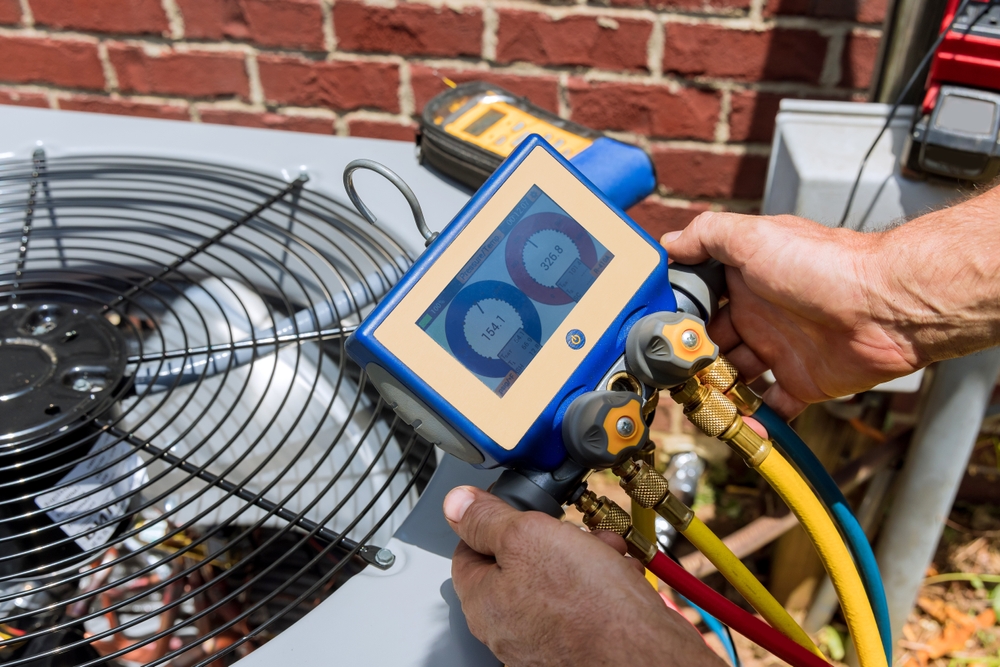
Technicians use specialized tools like electronic leak detectors and UV dye kits to find leaks you might miss. These tools can sense even the smallest leaks hidden inside units or behind walls.
While these tools are effective, you can take action by calling a professional as soon as you detect signs of a leak. Waiting too long can lead to bigger issues and higher repair costs.
Immediate Actions When You Smell Refrigerant
Smelling refrigerant is a clear sign that something is wrong with your HVAC or cooling system. It’s crucial to act immediately to protect yourself and those around you. Your swift response can prevent health risks and potential damage to your property.
Ventilating The Area
As soon as you detect the distinct, sweet or ether-like odor of refrigerant, open all windows and doors to let fresh air in. Proper ventilation dilutes the concentration of refrigerant in the air, reducing the risk of inhalation hazards.
Even if you only catch a faint smell, don’t ignore it. You might not realize how quickly refrigerant can build up in a closed space, putting you at risk.
Avoiding Ignition Sources
Refrigerants can be flammable or create hazardous reactions if exposed to sparks or open flames. Make sure to turn off all potential ignition sources such as pilot lights, electrical appliances, or any device that could generate a spark.
Have you ever thought about how a simple spark from turning on a light switch could escalate a small leak into a dangerous situation? Staying cautious with ignition sources is a must.
Calling A Professional Technician
Do not attempt to fix a refrigerant leak by yourself. These chemicals require specialized handling and equipment to repair safely.
Contact a certified HVAC technician immediately. They can accurately locate the leak, assess the severity, and perform repairs without putting you or your home at risk.
Your safety depends on expert intervention—trust the professionals to manage refrigerant issues effectively.
Credit: jabertsch.com
Preventing Refrigerant Leaks
Preventing refrigerant leaks is crucial for maintaining your HVAC system’s efficiency and protecting the environment. Leaks not only reduce cooling performance but can also release harmful chemicals into the air. Taking proactive steps helps you avoid costly repairs and ensures your system runs smoothly throughout the year.
Regular Maintenance Tips
Scheduling regular check-ups with a certified technician can catch small leaks before they become big problems. During these visits, they will inspect seals, hoses, and connections for signs of wear or damage.
You can also keep an eye on your system by listening for unusual noises and checking if your cooling feels weaker than usual. Simple actions like cleaning filters and coils can improve system performance and reduce pressure on refrigerant lines.
Proper System Handling
Handling your HVAC system with care is vital. Avoid DIY repairs unless you are trained because improper handling can cause leaks or damage components.
When adjusting or installing parts, make sure to use the right tools and follow safety guidelines. Have you ever seen a technician tighten fittings without the right equipment? That’s a common cause of leaks that’s easy to prevent.
Upgrading To Safer Refrigerants
Older refrigerants like R-22 are being phased out due to their environmental impact and leak risks. Newer refrigerants, such as R-410A or R-32, offer better leak resistance and lower toxicity.
Considering an upgrade not only makes your system safer but can also improve energy efficiency. Have you checked which refrigerant your system uses? Upgrading might be a smart investment for your home’s comfort and safety.
Frequently Asked Questions
What Does Refrigerant Smell Like Normally?
Refrigerant usually has a faint, sweet, or ether-like smell. It is often subtle and hard to detect without close exposure.
Can Refrigerant Leaks Be Detected By Smell?
Yes, some refrigerant leaks produce a noticeable chemical or sweet odor. This helps identify leaks early for timely repairs.
Is Refrigerant Smell Harmful To Humans?
Inhaling refrigerant in large amounts can cause dizziness or breathing issues. Small exposure is usually not harmful but requires caution.
How To Safely Identify Refrigerant Leaks?
Use odor detection combined with leak detection tools. Professional HVAC technicians use specialized equipment to locate refrigerant leaks safely.
Conclusion
Refrigerant often has a sharp, sweet, or chemical smell. It can be hard to describe but is usually noticeable. Knowing this smell helps spot leaks early. Leaking refrigerant can harm health and the environment. Always handle refrigerants with care and seek professional help if you detect the smell.
Staying aware keeps your home safe and your system working well. Remember, a strange smell is a sign to check your cooling system soon.