
Have you ever noticed a “Dry” setting on your air conditioner and wondered what it actually does? You might think it’s just another cooling mode, but it’s more than that.
Understanding this feature can make a big difference in how comfortable your home feels, especially on humid days. Keep reading, and you’ll discover how the dry setting can help you control moisture, save energy, and enjoy cleaner air—all with just a simple switch.
Don’t miss out on learning this easy trick to improve your indoor comfort!

Credit: northnjhvac.com
Dry Mode Basics
The dry modeon an air conditioner reduces the humidityin the room without cooling it too much. It works by removing moisturefrom the air, making the space feel more comfortable. The air conditioner runs the fan slowly and cools the air just enough to collect water from the air.
This mode is great for humid dayswhen the air feels sticky but does not need strong cooling. It helps prevent the room from feeling too coldor dry.
| Feature | Dry Mode | Cool Mode |
|---|---|---|
| Purpose | Removes humidity | Cools the air |
| Fan Speed | Slow to moderate | Adjusts based on temperature |
| Air Temperature | Lightly cooled | Strongly cooled |
| Energy Use | Lower | Higher |
Benefits Of Using Dry Mode
The dry setting on an air conditioner helps with humidity control. It removes extra moisture from the air, making the room feel less sticky. This is great for rainy or humid days.
Using dry mode also saves energy. The air conditioner does not cool as much, so it uses less power. This helps lower electricity bills.
Dry mode improves comfortby keeping the air fresh and dry. It stops the room from feeling too cold or damp. This makes it easier to relax and breathe.
When To Use Dry Mode
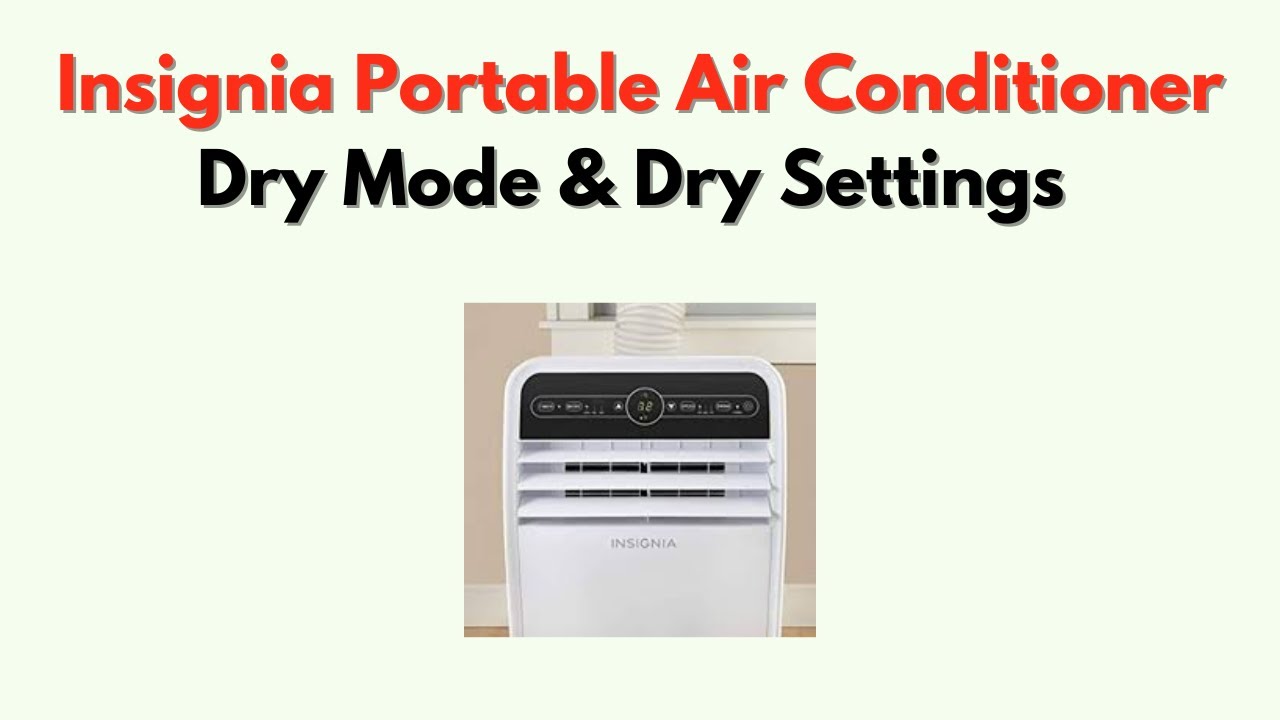
Dry modehelps remove moisture from the air without cooling too much. It is best used during humid dayswhen the air feels sticky but not very hot. This mode makes the room feel more comfortable by reducing dampness.
Using dry mode avoids overcoolingthe room. It saves energy because the air conditioner runs less to remove moisture. This setting is good for mild weatherwhen cooling is not needed but air feels wet.
- Use dry mode on humid, warm days
- Helps keep air fresh and dry
- Prevents the room from getting too cold
- Consumes less electricity than cooling mode
- Good for rainy or cloudy weather
Credit: www.youtube.com
How Dry Mode Affects Air Quality
Dry modelowers the humidity inside a room by removing moisture from the air. This helps to create a less damp environment, which makes it harder for mold and mildewto grow. Mold and mildew need moisture to thrive, so dry mode can keep them in check.
Less moisture means fewer places for these fungi to live. This can lead to better air qualityand a healthier home. Dry mode also helps to reduce the risk of mold damage on walls and furniture.
- Reduces moisturethat supports mold growth
- Helps prevent mold spores from spreading
- Creates a cleaner, fresher indoor environment
Dry mode can also help with allergens. Dust mites and other allergens thrive in humid places. By lowering humidity, dry mode reduces allergensin the air. This can make breathing easier for people with allergies or asthma.
Common Misconceptions
Dry modeon an air conditioner removes some moisture from the air. It works like a light dehumidifierby cooling the air slightly and collecting water. This setting helps in mildly humidspaces but is not made for heavy moisture removal.
In places with very high humidity, dry mode may not work well. The air conditioner cannot remove all moisture quickly. It may feel less comfortable because the machine struggles to keep up.
Dry mode is best for lower humidity levelsor when you want to save energy. It does not cool the room as much as the normal cool mode. Using dry mode in very humid areas might make the air feel stickyinstead of fresh.
Tips For Optimizing Dry Mode
Set the temperature just a few degrees lower than room temperature. This helps the air conditioner remove moisture without making the room too cold. Avoid setting it too low; it may waste energy and cause discomfort. Adjust settings based on the room size and humidity levels for best results.
Clean or replace air filters regularly to keep air flowing well. Dust and dirt can block airflow and reduce efficiency. Check the drain pan and pipes for clogs to prevent water leaks. Schedule regular professional maintenance to ensure the system works smoothly. Proper care helps the dry mode work better and saves energy.

Credit: deepchill.com.au
Frequently Asked Questions
What Is The Dry Mode On Air Conditioners?
The dry mode reduces humidity in the air without significantly cooling it. It uses the air conditioner’s fan and compressor at a low setting to remove moisture. This mode is especially useful in humid climates where reducing humidity can increase comfort without lowering the temperature too much.
Does Dry Mode Save Energy On Air Conditioners?
Yes, the dry mode uses less energy compared to the cooling mode. By focusing on dehumidification, it reduces the strain on the compressor. This leads to energy savings. It’s an efficient option for maintaining comfort on humid days without overcooling your space.
When Should I Use The Dry Setting?
Use the dry setting during humid weather when the temperature is comfortable but humidity is high. It helps maintain indoor comfort by removing excess moisture. This setting is perfect for rainy seasons or when you want a balance between comfort and energy efficiency.
Can Dry Mode Replace A Dehumidifier?
While the dry mode helps reduce humidity, it’s not as effective as a dedicated dehumidifier. Dehumidifiers are specifically designed to remove moisture efficiently from the air. If high humidity is a persistent issue, a dehumidifier might be a better choice for optimal results.
Conclusion
The dry setting on an air conditioner helps remove extra moisture from the air. It keeps the room less humid and more comfortable. This mode uses less energy than cooling. It is perfect for damp or rainy days. Knowing how it works can improve your comfort at home.
Try using the dry setting when the air feels sticky. It helps your air conditioner work smarter, not harder. Simple, effective, and easy to use.