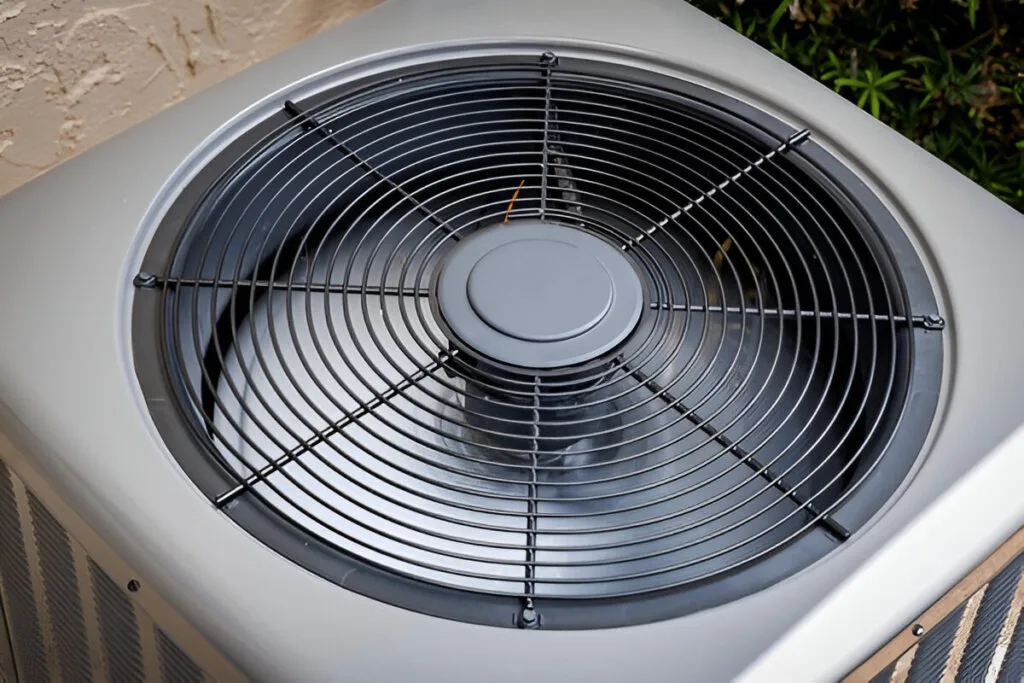
Have you ever wondered what the fan inside your air conditioner actually does? It’s easy to overlook this simple part, but the fan plays a key role in keeping your room cool and comfortable.
Without it, your AC wouldn’t work the way you expect. If you want to understand how your air conditioner cools the air and why the fan is so important, keep reading. By the end, you’ll see your AC in a whole new light—and maybe even learn how to make it work better for you.
Fan Types In Air Conditioners
Air conditioners use different fans to move air and keep spaces cool. Each fan has a special job to do. Understanding these fans helps explain how air conditioners work.
This guide covers three main fan types found in air conditioners: blower fans, condenser fans, and evaporator fans. Each one helps with air flow and heat exchange.
Blower Fans
Blower fans push cool air into rooms. They pull air from inside the space and blow it through cold coils. This process lowers the air temperature before it enters the room.
Blower fans are designed to move large amounts of air quietly and efficiently. They help keep the indoor environment comfortable by circulating cool air.
Condenser Fans
Condenser fans help remove heat from the air conditioner. They blow air over the condenser coils outside the building. This cools the coils and releases heat absorbed from indoors.
- Located in the outdoor unit
- Draws outside air through condenser coils
- Helps cool refrigerant by releasing heat
- Prevents overheating of the system
Evaporator Fans
Evaporator fans move indoor air across cold evaporator coils. This cools the air before it is sent back into the room. They also help remove moisture from the air.
| Fan Type | Location | Main Function |
| Blower Fan | Inside unit | Circulates cool air indoors |
| Condenser Fan | Outside unit | Releases heat to outside air |
| Evaporator Fan | Inside unit | Moves air over cold coils |
Air Circulation Role
The fan in an air conditioner helps move air inside the room. It makes the air flow steady and smooth. This movement helps keep the room cool and fresh.
Understanding how the fan works shows why air conditioners cool rooms well. It plays two main roles: moving indoor air and helping with heat exchange.
Indoor Air Movement
The fan pushes warm air from the room into the air conditioner. It then spreads the cooled air back into the room. This process keeps air flowing and stops hot spots.
- Draws warm air from all parts of the room
- Pushes cool air evenly throughout the space
- Reduces stuffiness by circulating fresh air
- Helps maintain a steady room temperature
Heat Exchange Enhancement
The fan also helps the air conditioner transfer heat. It blows air over the cooling coils where heat leaves the air. This process cools the air before it returns to the room.
| Function | Effect |
| Blowing air over coils | Speeds up heat removal |
| Moving air inside unit | Keeps coils from freezing |
| Circulating cooled air | Improves room comfort |
Cooling Efficiency Impact
The fan in an air conditioner plays a key role in cooling efficiency. It moves air across the cooling coils to lower the room temperature.
Without the fan, the air conditioner cannot circulate cool air properly. This lowers its ability to keep spaces comfortable.
Maintaining Consistent Temperature
The fan helps keep the room temperature steady by spreading cooled air evenly. This prevents hot or cold spots.
- Circulates air continuously for uniform cooling
- Reduces temperature swings in the room
- Improves comfort by balancing air flow
- Helps the thermostat detect accurate room temperature
Preventing Overheating
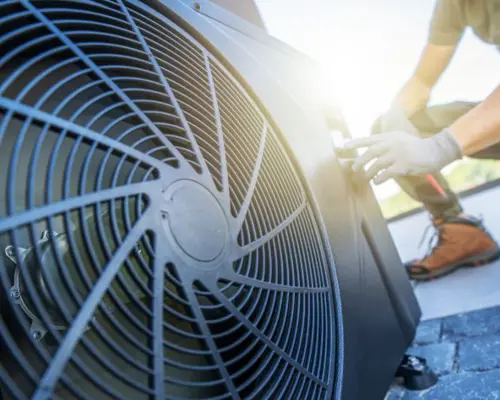
The fan prevents the air conditioner’s components from overheating. It cools the condenser and compressor parts.
| Component | Fan’s Role | Effect of Fan Failure |
| Condenser Coil | Removes heat | Heat buildup, poor cooling |
| Compressor | Keeps temperature low | Risk of damage and shutdown |
| Electrical Parts | Prevents overheating | Possible malfunction or fire risk |
Credit: www.ars.com
Energy Consumption Factors
The fan in an air conditioner helps move cool air across the room. Its energy use depends on how fast it spins and other features.
Understanding these factors can help you use your air conditioner more efficiently and save energy.
Fan Speed Settings
Fan speed controls how fast the air moves. Higher speeds use more electricity. Lower speeds save energy but cool slower.
- High speed cools the room quickly but uses more power.
- Medium speed balances cooling and energy use.
- Low speed uses the least energy but takes longer to cool.
Energy-saving Features
Modern air conditioners have features to reduce fan energy use. These features adjust power to match cooling needs.
| Feature | Description | Benefit |
| Variable Speed Fan | Adjusts fan speed automatically | Uses only needed energy |
| Sleep Mode | Reduces fan speed at night | Conserves power while sleeping |
| Eco Mode | Limits maximum fan speed | Prevents energy waste |
Common Fan Issues
The fan in an air conditioner helps move air across the cooling coils. It spreads cool air into the room and removes warm air outside.
Fans can have problems that affect how well the air conditioner works. Some issues make noise or stop the fan from running.
Noise Problems
Noises from the fan can be caused by loose parts or worn-out bearings. These sounds can be loud and annoying.
- Rattling from loose screws or panels
- Squeaking due to dry or damaged bearings
- Vibrations from unbalanced fan blades
- Buzzing caused by electrical issues
Fan Motor Failures
The fan motor can stop working if it overheats or wears out. This stops the fan from spinning and cool air from moving.
| Cause | Effect |
| Overheating | Motor shuts down to prevent damage |
| Worn bearings | Fan spins slowly or not at all |
| Electrical faults | Motor fails to start |
Dust And Debris Effects
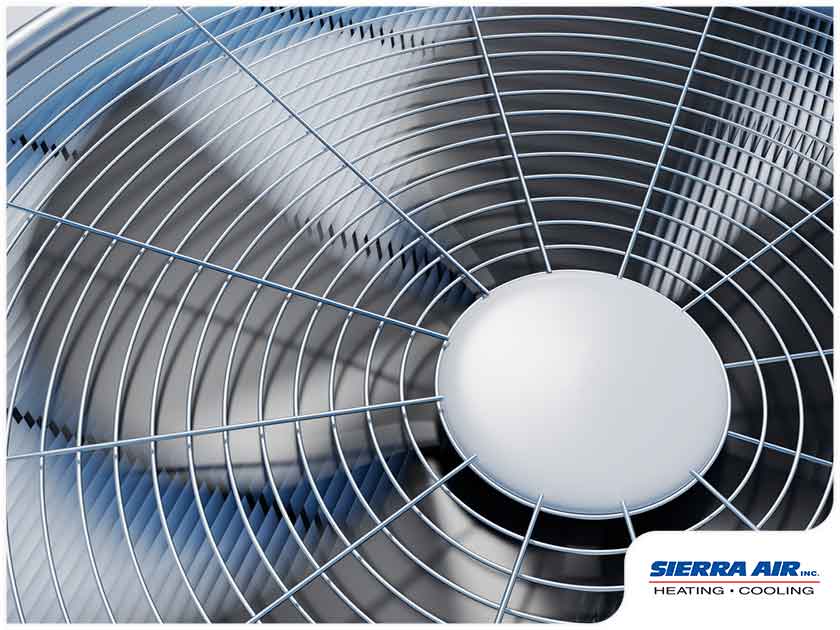
Dust and debris build-up on the fan blades can reduce airflow. This makes the air conditioner less efficient and can cause noise.
Cleaning tips for dust and debris:
- Turn off the unit before cleaning
- Use a soft brush or cloth on fan blades
- Remove debris from vents and grills
- Check and replace air filters regularly
Credit: sierraair.com
Maintenance Tips
Keeping the fan in your air conditioner clean and well-maintained helps it work better. Regular care can stop common problems and extend the life of the unit.
Below are easy tips to maintain the fan parts of your air conditioner. Follow these to keep your AC running smoothly.
Cleaning Fan Blades
Fan blades collect dust and dirt over time. This can slow the fan and reduce cooling power. Clean the blades regularly to keep air flowing well.
- Turn off and unplug the air conditioner first.
- Remove the front cover carefully.
- Use a soft cloth or brush to wipe dust from blades.
- For tough grime, use mild soap and water.
- Dry the blades fully before reassembling.
Checking Fan Motors
The fan motor powers the blades to spin and cool your room. Check the motor regularly to catch problems early.
| Check | What to Look For | Action |
| Noise | Unusual sounds like grinding or squealing | Clean or lubricate motor parts |
| Heat | Motor feels too hot after running | Turn off unit and have a technician inspect it |
| Vibration | Excess shaking or wobbling | Tighten screws or replace motor mounts |
Replacing Worn Components
Parts like fan blades and belts wear out over time. Replace them to keep the fan running smoothly and safely.
Signs you need new parts:
- Cracked or bent fan blades
- Loose or broken belts
- Fan motor that won’t start or runs weakly
Use parts made for your AC model. If unsure, ask a professional technician for help.

Credit: www.aljazeera.com
Frequently Asked Questions
How Does The Fan Work In An Air Conditioner?
The fan in an air conditioner circulates indoor air over the evaporator coils. This process cools the air before it’s redistributed throughout the room. Efficient airflow ensures consistent cooling and helps maintain the desired temperature. A properly functioning fan is crucial for optimal air conditioning performance.
What Is The Role Of An Ac Fan?
The AC fan’s role is to move air across the evaporator coils. This action facilitates heat exchange, allowing the air to cool efficiently. By ensuring proper circulation, the fan helps maintain a consistent indoor temperature, contributing to a comfortable environment.
Why Is My Ac Fan Not Working?
If your AC fan isn’t working, there might be several causes. Common reasons include a tripped circuit breaker, faulty motor, or worn-out fan belt. Regular maintenance and professional inspections can prevent these issues, ensuring your air conditioner operates effectively.
Can An Ac Run Without The Fan?
An AC can’t run effectively without the fan. The fan is essential for air circulation and cooling efficiency. Without it, the evaporator coils can freeze, and the air conditioner won’t cool the space properly. Always ensure your fan is functioning well for optimal performance.
Conclusion
The fan in an air conditioner moves air to cool your space. It helps spread the cold air evenly. Without the fan, the AC cannot work well. It also helps remove heat from inside the unit. This keeps the air conditioner from overheating.
Understanding the fan’s role helps you care for your AC better. A clean, working fan means better cooling and lower bills. Keep the fan in good shape for comfort all year. Simple but important.