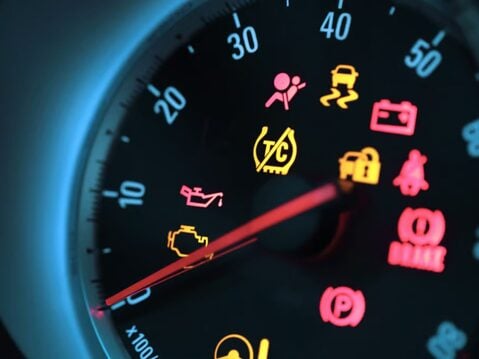
Have you ever noticed the letters “H” and “C” on your car’s dashboard and wondered what they mean? These simple letters hold important clues about your vehicle’s engine temperature.
Understanding them can help you avoid costly repairs and keep your car running smoothly. You’ll learn exactly what the “H” and “C” stand for, how to read them, and what actions you should take when they appear. Keep reading to make sure you never miss a vital warning from your car again.

Credit: nelsontractorco.com
Meaning Of H And C On A Car
Understanding the symbols on a car dashboard is crucial for every driver. The “H” and “C” indicators often puzzle many. These letters are vital for monitoring your car’s engine temperature. Knowing their meaning helps keep your car in good shape. Let’s explore what the “H” and “C” stand for on a car’s dashboard.
H For Hot
The “H” on your car’s dashboard stands for “Hot.” It indicates the engine temperature. If the needle points towards “H,” it means the engine is overheating. This could be dangerous for your car. Overheating might cause severe engine damage. Always check your car’s cooling system if this happens. Ensure the radiator and coolant levels are adequate. Regular maintenance helps prevent overheating issues.
C For Cold
The “C” signifies “Cold” on a car’s temperature gauge. It shows the engine is cold or below the optimal temperature. Most cars start with the needle near “C” when you first turn them on. As the engine warms up, the needle moves away from “C.” Running an engine too cold can also cause problems. It may lead to reduced fuel efficiency and increased emissions. Allow your engine to warm up before driving for optimal performance.
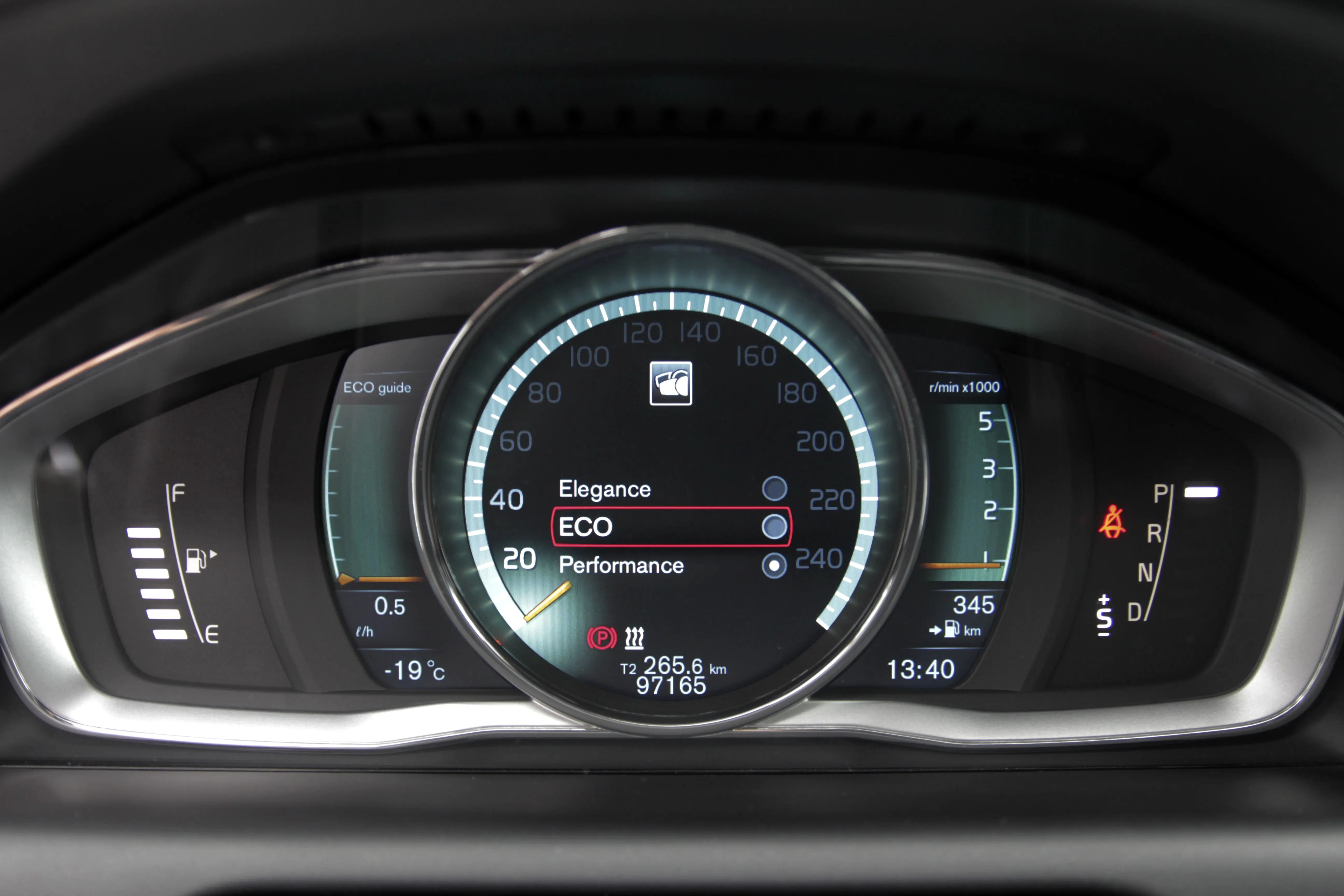
Credit: jerry.ai
Location Of H And C Indicators
Understanding where the H and C indicators are located in your car helps you monitor important systems quickly. These letters are not random; they serve specific purposes to keep your vehicle running safely. Knowing their exact placement allows you to react promptly if something isn’t right.
Dashboard Temperature Gauge
The H and C letters appear on your dashboard’s temperature gauge. The C stands for “Cold,” and the H stands for “Hot.” This gauge shows the engine’s coolant temperature in real time.
Usually, the needle rests near the C when you first start your car, especially in colder weather. As your engine warms up, the needle moves toward the middle, which is the ideal operating temperature. If it moves close to H, it signals overheating, and you should stop the car to avoid damage.
Climate Control Settings
You’ll also find H and C on your car’s climate control panel. Here, these letters indicate temperature settings for heating and cooling inside the cabin. Adjusting these controls changes the air temperature you feel while driving.
For instance, if you turn the dial towards H, warm air blows out, useful on chilly mornings. Moving it toward C releases cooler air, which helps on hot days. Knowing this makes it easier to create a comfortable environment without confusion or guesswork.
Role Of The Temperature Gauge
The temperature gauge on your car’s dashboard plays a crucial role in keeping your engine safe and running smoothly. It helps you understand how hot or cool your engine is at any given moment. Knowing what the H and C mean on this gauge can save you from expensive repairs and unexpected breakdowns.
Monitoring Engine Temperature
The temperature gauge shows the heat level inside your engine. The letter Cstands for “Cold,” and Hstands for “Hot.” When you start your car, the needle is usually near the C, indicating the engine is cool.
As you drive, the engine warms up, and the needle moves towards the middle of the gauge. If the needle stays too close to the H, it means your engine is overheating. This can cause serious damage if you don’t act quickly.
Imagine driving on a hot day, and you notice the needle climbing rapidly toward H. What would you do? Pulling over and checking the coolant level or calling for help might be your best options.
Normal Temperature Range
Most engines operate safely when the needle stays around the middle of the gauge, between C and H. This middle zone is the normal temperature range, showing your engine is neither too cold nor too hot.
Staying in this range means your cooling system is working properly, and your engine is performing efficiently. If the gauge frequently moves outside this range, it’s a sign you should get your car checked.
- Check coolant levels regularly
- Watch for leaks or unusual smells
- Listen for strange noises from the engine
Have you ever ignored the temperature gauge only to regret it later? Paying attention to this simple indicator can help you avoid breakdowns and keep your car in great shape.
Causes Of High Engine Temperature
High engine temperature can cause serious damage to your car. It happens when the engine runs hotter than it should. Understanding what causes this helps you avoid costly repairs. Several issues can lead to engine overheating, often related to the cooling system. Below are the main causes.
Coolant Issues
Coolant keeps the engine temperature in a safe range. Low coolant levels reduce the system’s ability to cool the engine. Leaks or old coolant can also stop the system from working properly. Without enough coolant, the engine heats up quickly and the H on the gauge appears.
Thermostat Problems
The thermostat controls coolant flow through the engine. If it gets stuck closed, coolant cannot circulate. This causes the engine to overheat fast. A broken thermostat often leads to sudden temperature spikes. Replacing a faulty thermostat fixes this issue.
Radiator Malfunctions
The radiator removes heat from the coolant. Blockages or damage reduce its cooling power. Dirt, debris, or corrosion can clog the radiator. A broken radiator fan also stops air from cooling it down. These problems cause the engine temperature to rise above normal.
What To Do When Temperature Hits H
The temperature gauge showing “H” means the engine is overheating. Acting quickly can protect your vehicle from serious damage. Stay calm and follow the right steps to keep yourself and your car safe.
Immediate Safety Steps
- Pull over to a safe spot away from traffic.
- Turn off the engine to let it cool down.
- Open the hood carefully to release heat.
- Do not open the radiator cap while the engine is hot.
- Wait at least 15 to 30 minutes before checking further.
Checking Coolant Levels
Once the engine cools, check the coolant level in the reservoir.
- Look for the “full” and “low” marks on the tank.
- Add coolant if the level is below the “low” mark.
- Use the recommended coolant type for your vehicle.
- Do not mix different types of coolant.
- Check for any visible leaks under the car.
When To Seek Professional Help
- The temperature gauge stays at “H” after cooling down.
- You see steam coming from under the hood.
- Coolant levels drop repeatedly without visible leaks.
- The engine runs rough or makes strange noises.
- Call a mechanic or tow service for inspection.
Importance Of Temperature In Car Performance
Understanding the temperature indicators on your car’s dashboard is more than just checking numbers—it’s about keeping your vehicle running smoothly and avoiding costly repairs. Temperature plays a crucial role in how your car performs every day. Ignoring it can lead to unexpected breakdowns and reduced engine life.
Engine Efficiency
Your engine works best within a specific temperature range. When it’s too cold, fuel doesn’t burn completely, wasting gas and increasing emissions. If your engine runs too hot, it can lose power and efficiency, causing poor acceleration and lower fuel economy.
Think about driving on a cold morning. You might notice your car takes longer to warm up and feels sluggish. This happens because the engine isn’t at its ideal temperature yet. Keeping an eye on your temperature gauge helps you know when your engine is ready to perform at its best.
Preventing Damage
Overheating can seriously harm your engine. High temperatures can warp metal parts, damage seals, and cause coolant leaks. This can lead to expensive repairs or even engine replacement.
Have you ever seen steam coming from under your hood? That’s a warning sign your engine is too hot. Acting quickly by stopping your car and letting it cool down can save your engine from permanent damage.
Maintaining the right temperature isn’t just about comfort—it’s about protecting your investment. Regular checks and understanding what the H (Hot) and C (Cold) on your gauge mean can keep your car running longer and more reliably.
Tips For Maintaining Optimal Engine Temperature
Keeping your engine running at the right temperature is key to preventing costly repairs and ensuring your car performs well. Overheating can cause serious damage, but maintaining the engine’s temperature is easier than you might think. Here are some straightforward tips to help you stay on top of it.
Regular Coolant Checks
Your car’s coolant is the main agent that keeps the engine temperature in check. Checking the coolant level regularly can prevent overheating before it starts. Just pop the hood and look for the coolant reservoir; the level should be between the “min” and “max” marks.
Make it a habit to check coolant levels once a month or before long trips. If you notice it’s consistently low, there might be a leak or another issue that needs attention. Have you checked your coolant lately?
Routine Maintenance
Regular maintenance is your best defense against engine temperature problems. Changing the coolant according to the manufacturer’s schedule keeps it effective and free from rust or debris. Don’t forget to inspect hoses and the radiator for cracks or blockages during oil changes.
Replacing the thermostat or radiator fan at the right time also helps maintain proper engine temperature. These parts often go unnoticed until a problem arises, so staying proactive can save you headaches. When was your last full engine check?
Monitoring Warning Signs
Pay attention to your dashboard indicators and unusual smells or noises. The temperature gauge moving toward “H” or a red light means the engine is too hot and needs immediate attention. Strange smells like burning or steam can signal coolant leaks or overheating.
Pull over safely and turn off your engine if you notice these signs. Continuing to drive can cause severe damage. Do you know how to react if your engine overheats on the road?

Credit: www.reddit.com
Frequently Asked Questions
What Does The “h” Stand For On A Car Dashboard?
The “H” indicates the engine temperature is High or hot. It warns that the engine may be overheating. This signal helps prevent damage by alerting drivers to stop and check the cooling system immediately.
What Does The “c” Mean On A Car Temperature Gauge?
The “C” stands for Cold. It shows that the engine temperature is low, typically after a cold start. This indicator helps drivers know when the engine hasn’t warmed up enough for optimal performance.
Why Is Monitoring The H And C Important In Cars?
Monitoring “H” and “C” prevents engine damage caused by overheating or running too cold. Keeping the temperature in a safe range ensures efficient engine operation and extends vehicle lifespan.
How To Respond If The Temperature Gauge Shows “h”?
If the gauge shows “H,” stop the car safely. Turn off the engine and let it cool down. Check coolant levels and look for leaks to avoid costly repairs.
Conclusion
The H and C on your car help control the temperature inside. H stands for hot, and C means cold. This simple feature keeps you comfortable while driving. Knowing what these letters mean can make your ride safer and more pleasant.
Next time you adjust the controls, you will understand exactly what you are doing. It’s a small detail, but it matters a lot for your comfort. Keep this in mind to enjoy every trip.