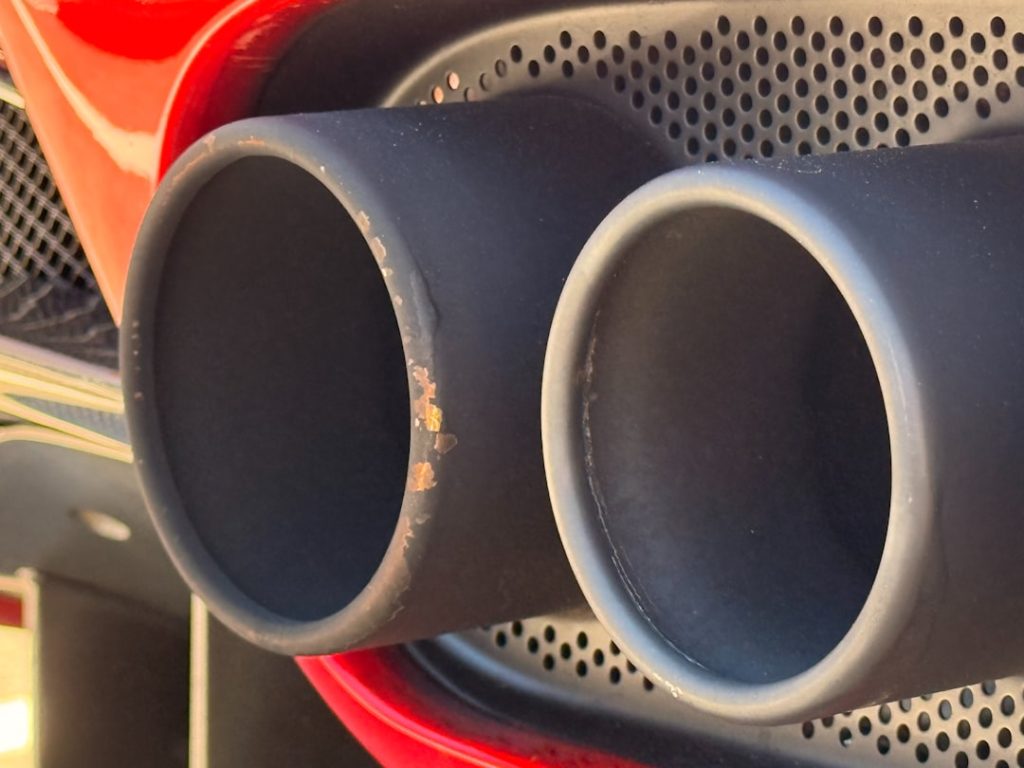
Are you curious about which exhaust system can make your ride roar the loudest? If you want your car or bike to turn heads and announce your presence with a powerful growl, knowing the loudest exhaust option is key.
But with so many choices out there, how do you find the one that truly stands out? Keep reading, because we’re about to reveal the secrets behind the loudest exhaust systems and help you choose the perfect one for your machine.
Your ride deserves to be heard—let’s make it happen.
Exhaust System Basics
The exhaust system moves gases away from the engine. It controls sound and emissions.
Knowing how it works helps us understand which parts make the system loud.
Components Of An Exhaust System
An exhaust system has several main parts. Each part has its own job in handling gases and noise.
- Exhaust Manifold:Collects gases from the engine cylinders.
- Oxygen Sensor:Measures oxygen in gases for better fuel use.
- Catalytic Converter:Reduces harmful gases before they leave the car.
- Muffler:Lowers the noise from the exhaust gases.
- Tailpipe:Sends gases out of the vehicle.
Function And Purpose
| Component | Function | Purpose |
| Exhaust Manifold | Collects exhaust gases | Directs gases out of engine |
| Oxygen Sensor | Monitors oxygen levels | Improves fuel efficiency |
| Catalytic Converter | Reduces pollutants | Protects environment |
| Muffler | Reduces noise | Keeps noise legal and comfortable |
| Tailpipe | Emits gases | Directs gases away from car |
Factors Influencing Exhaust Loudness
The loudness of an exhaust system depends on many factors. These factors change how sound travels and how strong it sounds.
Understanding these factors helps you know which exhaust is the loudest. It also explains why some systems sound softer or louder.
Material And Construction
The material used in an exhaust affects how sound moves through it. Metal types like stainless steel or aluminum change the sound’s tone and volume.
Construction quality also matters. Thinner metal walls let more sound escape. Welds and joints can change sound flow inside the exhaust.
- Steel can make exhaust louder and harsher
- Aluminum often produces a lighter sound
- Thinner pipes usually increase noise
- Seamless construction reduces sound leaks
Pipe Diameter And Length
Wide pipes let more sound and exhaust gases flow. This often makes the exhaust louder. Smaller pipes limit sound and lower volume.
Longer pipes reduce sound waves by absorbing some noise. Short pipes keep sound waves strong and make the exhaust louder.
- Large diameter pipes increase exhaust noise
- Small diameter pipes reduce loudness
- Short pipes give louder, sharper sound
- Long pipes soften the exhaust noise
Muffler Design
Mufflers control exhaust sound by blocking or absorbing noise. Different designs produce different loudness and sound styles.
Some mufflers use straight pipes for loud sound. Others use chambers or baffles to reduce noise and make it smoother.
- Straight-through mufflers are the loudest
- Chambered mufflers reduce sound volume
- Baffled mufflers create quieter exhaust noise
- Glass pack mufflers give a deep, loud sound
Types Of Loud Exhaust Systems
Loud exhaust systems change the sound of a vehicle’s engine. They make cars or trucks sound louder and more aggressive. Different types of systems create different noise levels and tones.
This guide covers three common loud exhaust systems. Each system affects sound and performance in its own way.
Straight Pipe Exhaust
Straight pipe exhaust removes all mufflers and catalytic converters. It uses simple pipes from the engine to the tailpipe. This system allows exhaust gases to flow freely.
The sound is very loud and raw. It often sounds like a deep roar or a high-pitched scream. This type is popular for racing or off-road vehicles.
Cat-back Exhaust Systems
Cat-back systems start after the catalytic converter. They include pipes, mufflers, and sometimes resonators. These parts replace the stock exhaust from the cat to the back of the car.
- Increase exhaust flow
- Make the sound louder and deeper
- Improve engine performance slightly
- Offer a balance of loudness and legal noise levels
Cat-back systems are common for street cars. They give a loud but controlled sound without being too harsh.
Axle-back Exhaust Systems
Axle-back exhausts replace only the pipes and mufflers behind the rear axle. They keep the factory catalytic converter and mid-pipes. This system changes the exhaust note less than others.
| Feature | Effect on Loudness |
| Replaces rear muffler | Moderate increase in volume |
| Keeps catalytic converter | Maintains emission control |
| Less invasive upgrade | Sound stays close to factory tone |
| Easy installation | Good for mild sound upgrades |

Credit: www.millteksport.com
Popular Brands For Loud Exhausts
Loud exhaust systems are popular for car enthusiasts who want a powerful sound. Many brands offer options that make your vehicle sound aggressive and strong.
These brands use different designs and materials to create loud exhaust notes. Let’s look at some well-known brands for loud exhaust systems.
Borla Exhaust Systems
Borla exhaust systems are famous for their deep and aggressive sound. They use high-quality stainless steel to last long and resist rust.
Borla designs their mufflers to increase exhaust flow. This helps improve engine performance and produce a loud, sporty noise.
Flowmaster Exhaust Systems
Flowmaster exhausts are known for their loud and distinctive sound. Their muffler designs create a rumbling and powerful tone.
Many car lovers choose Flowmaster for its strong noise and durable build. It fits well on trucks, muscle cars, and more.
Magnaflow Exhaust Systems
MagnaFlow exhausts offer a loud but smooth sound. Their systems focus on balancing noise with good engine flow.
They use stainless steel and advanced mufflers to create a deep tone that many drivers enjoy. MagnaFlow is popular for street and race cars.
Installation And Modification Tips
Choosing the loudest exhaust system can change your vehicle’s sound and performance. Installing or modifying it needs care and the right knowledge. This guide helps you understand key points for a smooth process.
This article covers the difference between professional and DIY installation. It also explains legal rules to keep your ride safe and legal.
Professional Vs. Diy Installation
Installing a loud exhaust system can be tricky. Professionals have tools and skills to do it right. DIY can save money but needs good knowledge and safety care.
- Professionals ensure proper fit and reduce leaks.
- They handle complex parts and custom adjustments.
- DIY saves cost but may cause damage if done wrong.
- Proper tools and instructions are a must for DIY.
- Professional installation often comes with a warranty.
Legal Considerations And Regulations
Different places have rules about exhaust noise and emissions. Breaking these rules can lead to fines or car inspections.
| Regulation | Description | Common Limit |
| Noise Level | Maximum decibel allowed on streets | 95 dB |
| Emissions | Limits on harmful gases released | Depends on vehicle type |
| Inspection | Regular checks to ensure compliance | Annual or biennial |
Impact Of Loud Exhausts
Some exhaust systems make cars very loud. These loud exhausts change how the car sounds and performs.
People often choose loud exhausts for their noise, but they also affect the environment and others nearby.
Performance Enhancements
Loud exhaust systems can help engines breathe better. This can increase power and speed.
By reducing back pressure, the engine works more efficiently. This may improve fuel use too.
- Better airflow helps engine performance
- Possible increase in horsepower
- Improved throttle response
- Sometimes better fuel economy
Environmental And Social Considerations
Loud exhausts can increase noise pollution. This can disturb neighbors and wildlife.
Many places have rules about loud car noises. Breaking these rules can lead to fines.
- Noise can harm community comfort
- May increase air pollution
- Legal limits on noise levels exist
- Possible negative effects on animals
Choosing The Right Loud Exhaust
Many people want a loud exhaust to make their car sound powerful. Picking the right exhaust means thinking about sound and rules.
Some exhausts are louder than others. It is important to find one that fits your style and car.
Assessing Personal Preferences
Think about how loud you want your car to be. Loud exhausts can be fun but may bother others.
Also, consider the type of sound you like. Some exhausts make a deep rumble. Others create a high-pitched roar.
- Do you want a loud or moderate sound?
- Do you like a deep or sharp tone?
- Will you use your car daily or just for shows?
Balancing Sound And Performance
A loud exhaust can affect how well your car runs. Some loud systems may reduce engine power.
Choose an exhaust that keeps good power and gives the sound you want. A balanced system works best.
- Check if the exhaust improves or hurts engine power.
- Consider exhaust materials for durability and sound quality.
- Make sure the exhaust fits your car model correctly.

Credit: www.millteksport.com

Credit: www.youtube.com
Frequently Asked Questions
What Makes An Exhaust System Loud?
A loud exhaust system typically has minimal muffling and wider pipes. Less restriction allows more sound waves to escape. Performance headers and straight pipes also increase volume. The material and design directly affect sound intensity and pitch.
Which Exhaust System Is The Loudest For Cars?
Straight pipe exhausts are generally the loudest for cars. They remove mufflers and catalytic converters, maximizing sound output. However, they may not be street-legal everywhere. Racing exhausts and aftermarket performance systems also produce high volumes.
Are Loud Exhaust Systems Street Legal?
Loud exhaust systems may not be street legal in many areas. Noise regulations limit decibel levels for vehicles. It’s important to check local laws before installation to avoid fines or vehicle inspections.
How Does Exhaust Design Influence Sound Loudness?
Exhaust design affects sound by controlling gas flow and resonance. Larger diameter pipes and less restrictive mufflers increase volume. Resonators and mufflers reduce noise by absorbing sound waves. Design choices balance loudness with performance and legality.
Conclusion
The loudest exhaust systems create strong, deep sounds. They catch attention wherever you drive. Choosing the right one depends on your taste and local laws. Remember, very loud exhausts may upset neighbors or cause fines. Quality matters for good sound and durability.
Now you know what makes an exhaust loud and exciting. Time to enjoy your ride with the perfect roar.