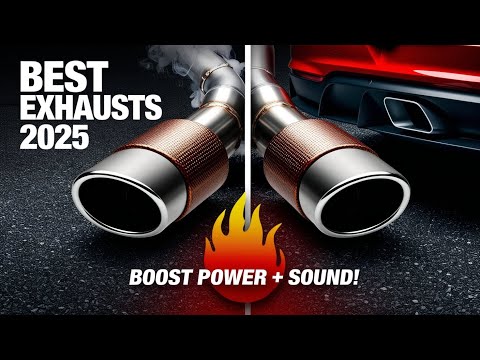
Have you ever wondered which exhaust system sounds the best for your ride? The right exhaust note isn’t just about noise—it’s about making your car feel alive every time you hit the gas.
Whether you want a deep growl that turns heads or a sharp roar that pumps up your adrenaline, choosing the perfect sound can change how you connect with your vehicle. You’ll discover the top exhaust systems that deliver the most thrilling sounds, helping you find the perfect match for your style and ride.
Keep reading, because your car deserves to sound as powerful as it looks.

Credit: blogshopmrt.com
Exhaust System Basics
An exhaust system directs harmful gases away from the engine. It helps reduce pollution and noise.
The sound of an exhaust depends on its design and parts. Different systems create different noises.
Components Of An Exhaust System
An exhaust system has several main parts. Each part plays a role in controlling sound and emissions.
- Exhaust Manifold:Collects gases from the engine cylinders.
- Catalytic Converter:Reduces harmful emissions by changing gases chemically.
- Resonator:Helps tune the exhaust sound by canceling specific frequencies.
- Muffler:Lowers the noise level of the exhaust gases.
- Tailpipe:Releases the gases safely into the air.
How Exhaust Systems Influence Sound
The shape and size of exhaust parts change the sound. Bigger pipes make deeper sounds.
Mufflers reduce loud noises but can also affect engine power. Resonators smooth out harsh tones.
- Pipe diameter affects airflow and sound pitch.
- Muffler type controls how quiet or loud the exhaust is.
- Material of parts can change sound quality.
- Exhaust length influences sound waves and tone.
Factors Affecting Exhaust Sound
The sound of an exhaust system depends on several key factors. Each part plays a role in how loud or soft the exhaust noise will be.
Understanding these factors helps you know why exhaust sounds vary between vehicles and setups.
Material And Construction
The material and build quality of an exhaust system affect its sound. Metals like stainless steel and titanium change the tone.
- Stainless steel offers a bright and sharp sound.
- Titanium creates a lighter, higher-pitched tone.
- Mild steel tends to sound deeper but may rust faster.
- Thickness of pipes also changes sound volume and pitch.
Engine Type And Size
Different engines produce different exhaust sounds. The number of cylinders and engine size have a big effect.
| Engine Type | Sound Characteristic |
| Inline 4-cylinder | High-pitched and smooth |
| V6 | Balanced with a moderate growl |
| V8 | Deep and powerful rumble |
| Turbocharged | Whistling with sharp bursts |
Muffler Design And Impact
The muffler controls how much sound escapes the exhaust system. Different designs create different sound effects.
Common muffler types include:
- Straight-through:Loud and aggressive sound.
- Chambered:Balanced tone with some noise reduction.
- Turbo-style:Deep sound with less restriction.
- Glass pack:Raw and free-flowing exhaust note.
Types Of Exhaust Systems
Exhaust systems change how a car sounds and performs. Different types create different sounds. Knowing about these systems helps you pick the best sound for your vehicle.
Each exhaust system type covers different parts of the car. Some affect sound more than others. We will look at three main types: Cat-Back, Axle-Back, and Header-Back systems.
Cat-back Systems
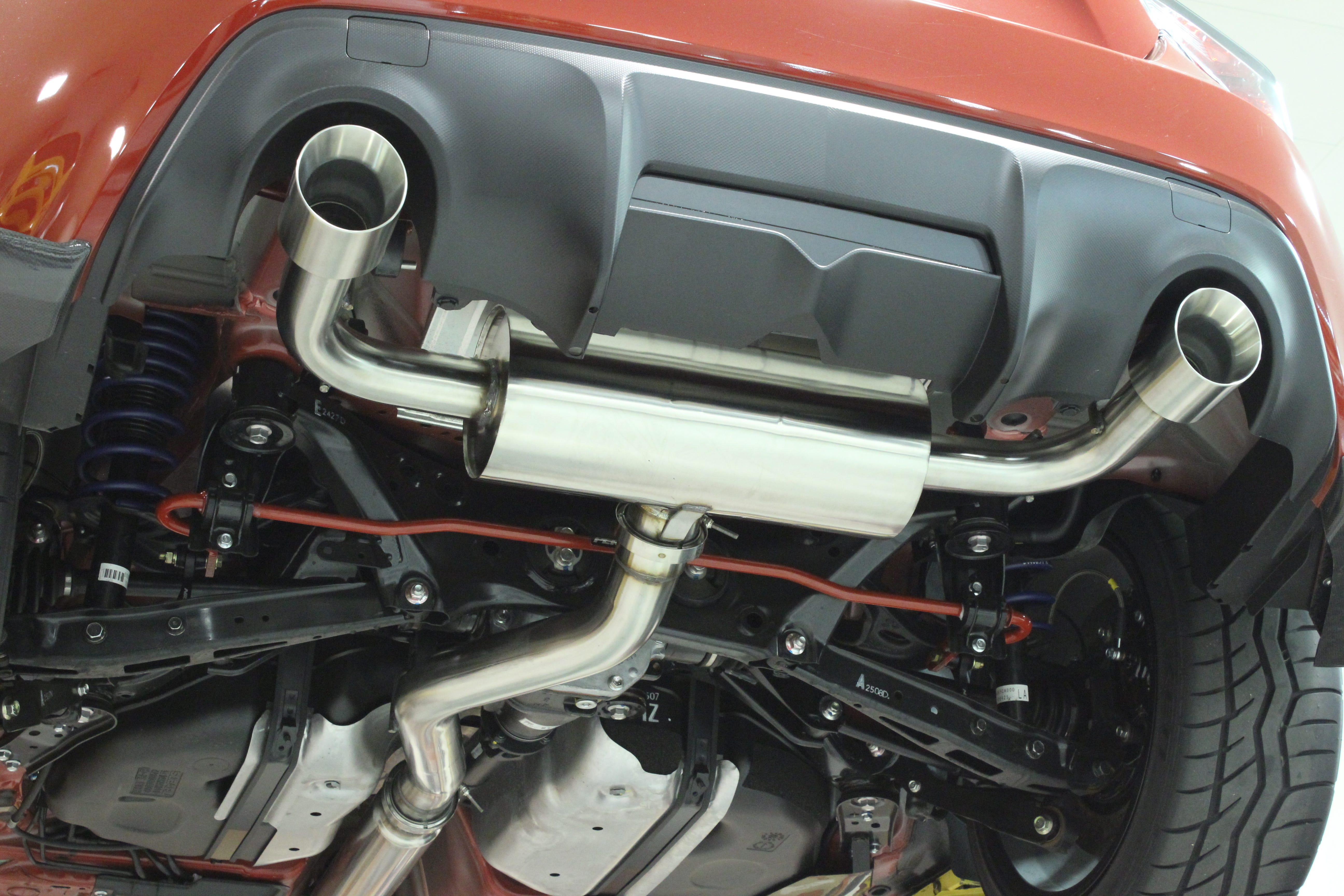
Cat-back systems start after the catalytic converter and go to the end of the exhaust. They include the pipe, muffler, and tailpipe. These systems improve sound and performance without affecting emissions.
Cat-back systems give a deeper and louder sound. They are popular because they balance noise and smooth driving. You can often hear the engine more clearly with this system.
- Includes pipes from catalytic converter to muffler and tailpipe
- Improves sound and power
- Does not change emissions
Axle-back Systems
Axle-back systems replace parts from the rear axle to the exhaust tip. This includes the muffler and tailpipe. They are simpler and usually cheaper than cat-back systems.
Axle-back systems change the exhaust sound but keep most factory parts. They often make the car sound louder and sportier. These systems are easy to install and popular for street use.
- Replaces muffler and tailpipe after rear axle
- Less expensive and easier to install
- Makes sound louder and sportier
Header-back Systems
Header-back systems replace everything from the exhaust headers to the tailpipe. This is the most complete exhaust upgrade. It affects sound, power, and engine breathing the most.
This system creates the loudest and most aggressive sound. It also helps the engine run better by improving exhaust flow. Header-back systems are common in racing and performance cars.
- Replaces exhaust from headers to tailpipe
- Largest sound and performance change
- Improves engine breathing and power

Credit: www.reddit.com
Top Exhaust Brands For Sound
Choosing the right exhaust system can change how your car sounds. Many brands offer unique sounds. Some are loud and aggressive. Others are deep and smooth.
This guide shows popular exhaust brands known for their sound quality. Each brand has a special tone and style.
Borla
Borla exhausts are known for their deep and aggressive sound. They use high-quality stainless steel. This makes their systems last long and sound great.
Borla offers a loud but smooth tone. It fits well for muscle cars and trucks. The sound is rich and not too harsh.
- Deep and aggressive tone
- Made from stainless steel
- Good for muscle cars and trucks
- Durable and long-lasting
Flowmaster
Flowmaster is famous for its loud and powerful exhaust sound. Their systems often have a raspy, rumbling tone. This brand is popular with truck and muscle car owners.
Flowmaster offers many different sound levels. You can choose from mild to very loud. Their designs help improve engine performance too.
- Loud and powerful sound
- Raspy and rumbling tone
- Options from mild to loud
- Improves engine performance
Magnaflow
MagnaFlow exhausts provide a smooth and deep sound. They focus on a clean tone without too much noise. This makes them popular for daily drivers.
The brand uses high-quality materials for durability. Their systems give a balanced sound that is both sporty and quiet.
- Smooth and deep sound
- Clean and balanced tone
- Good for daily driving
- Durable stainless steel
Popular Exhaust Sounds
Exhaust sounds vary widely and can change the feel of a car. Different systems create distinct noises that drivers enjoy.
Understanding the most popular exhaust sounds helps you pick the right one for your vehicle and taste.
Deep And Throaty
This sound is rich and full, giving cars a powerful presence. Muscle cars and V8 engines often have this tone.
Drivers like it because it feels strong and classic without being too loud or harsh.
Raspy And Aggressive
This sound is sharp and rough, making cars sound fierce. It suits sports cars and tuned engines well.
- High-pitched crackles and pops
- Louder and more attention-grabbing
- Often paired with turbocharged engines
- Appeals to drivers who want a bold sound
Smooth And Refined
This sound is quiet and polished, perfect for luxury cars. It creates a calm and elegant driving experience.
| Sound Type | Common Use | Key Features |
|---|---|---|
| Deep and Throaty | Muscle Cars, V8s | Rich, Full, Powerful |
| Raspy and Aggressive | Sports Cars, Tuned Engines | Sharp, Loud, Bold |
| Smooth and Refined | Luxury Vehicles | Quiet, Polished, Elegant |
Choosing The Right Exhaust Sound
Choosing the right exhaust sound can change how your vehicle feels to drive. The sound you pick depends on your taste and needs.
There are many options available, from quiet to loud. Understanding your choices helps you get the best sound.
Personal Preference And Style
Your personal taste plays a big role in the exhaust sound you like. Some people want a deep growl, while others prefer a smooth hum.
The style of your vehicle also affects the sound choice. A sports car may suit a loud exhaust, but a family car might need a quieter tone.
- Deep and throaty sounds for muscle cars
- Sharp and high-pitched sounds for sports cars
- Soft and quiet sounds for daily drivers
Vehicle Compatibility
Not all exhaust systems work well with every vehicle. Your car’s engine size and type affect which sound fits best.
Choosing an exhaust system made for your vehicle ensures better performance and sound quality.
- Check engine type before buying an exhaust
- Match exhaust size with vehicle specifications
- Consider factory or aftermarket options for your car model
Legal Considerations
Laws about exhaust noise differ by location. Some places have strict limits on how loud your exhaust can be.
Make sure your exhaust sound follows local rules to avoid fines and penalties.
- Check local noise regulations before installation
- Choose exhausts that meet legal sound limits
- Keep proof of compliance if needed
Installation Tips And Considerations
Choosing the best exhaust system sound depends on proper installation. A good fit makes the sound clear and smooth. Poor installation can cause noise and leaks.
Before installing, check your car’s model and exhaust type. Use the right tools and parts for a safe setup. Take time to plan the job well.
Diy Vs Professional Installation
Installing an exhaust system yourself can save money. It gives you control but needs skill and tools. Mistakes may cause damage or poor sound.
Professional installation costs more but ensures the job is done right. Experts know how to fit parts and avoid leaks. This can keep the sound consistent and safe.
- DIY: Lower cost, needs tools, risk of errors
- Professional: Higher cost, expert skill, better results
- Consider your experience before choosing
- Check warranty rules about installation type
Maintenance For Optimal Sound
Keep your exhaust system clean and checked often. Dirt or rust can change the sound and reduce performance. Regular care helps the system last longer.
Listen for unusual sounds like rattles or loud noises. These may mean loose parts or damage. Fix problems early to keep the best sound quality.
- Check for rust and holes every few months
- Tighten loose bolts and clamps
- Clean the exhaust tips to avoid buildup
- Replace worn parts quickly to keep sound clear
Credit: medium.com
Frequently Asked Questions
What Type Of Exhaust System Sounds The Best?
The best-sounding exhaust system depends on personal preference. Performance cat-back and axle-back systems often offer a deep, aggressive tone. Stainless steel materials enhance sound quality and durability. Remember, sound preference varies with vehicle type and exhaust design.
How Does Exhaust Material Affect Sound Quality?
Exhaust materials like stainless steel or titanium influence sound resonance. Stainless steel provides a richer, louder tone with durability. Titanium offers a sharper, lighter sound but at a higher cost. Material choice impacts both sound and system longevity.
Can Aftermarket Exhausts Improve My Car’s Sound?
Yes, aftermarket exhausts can significantly enhance your car’s sound. They reduce restrictions, allowing for a louder, more aggressive tone. Brands and designs vary, so choose one that matches your sound preference and vehicle type.
Do Mufflers Affect Exhaust Sound Quality?
Mufflers play a key role in shaping exhaust sound. Performance mufflers create a deeper, sportier tone by controlling sound waves. Stock mufflers are quieter and focus on noise reduction. Upgrading mufflers can improve sound without sacrificing comfort.
Conclusion
Choosing the best exhaust sound depends on your taste and car type. Some prefer loud and aggressive tones. Others like smooth, deep sounds that are less noisy. Remember, the exhaust sound affects your driving experience a lot. It can make your car feel more alive or calm.
Always check local laws before changing your exhaust. A good sound makes every drive more fun and exciting. Explore options and find the sound that fits you best. Enjoy the ride!