
Have you ever been in the middle of the night, realized one of your headlights is out, and wondered, “What headlight bulb is in my car?” It’s frustrating when you don’t know which bulb to buy or how to replace it. But don’t worry—knowing the right bulb for your car is easier than you think.
You’ll discover simple tips to quickly find the exact headlight bulb your vehicle needs. By the end, you’ll feel confident and ready to get your headlights shining bright again. Keep reading, and never get stuck guessing about your car’s bulbs again!
Credit: www.naoevo.com
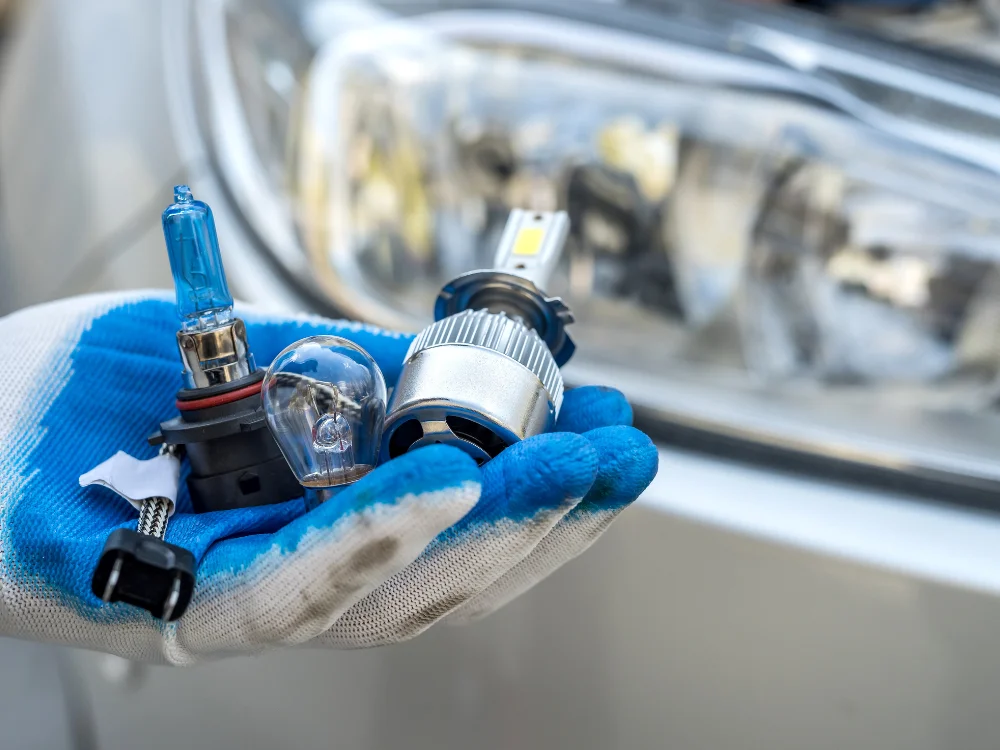
Types Of Headlight Bulbs
Car headlights use different types of bulbs to light the road. Each bulb type has its own features and benefits.
Knowing the types helps you choose the right bulb for your car and driving needs.
Halogen Bulbs
Halogen bulbs are the most common headlights in cars. They use a tungsten filament and halogen gas inside the bulb.
These bulbs are affordable and easy to replace. They give off a warm, yellow light.
- Cost-effective
- Simple technology
- Good brightness for city driving
- Shorter lifespan than newer bulbs
Hid Bulbs
HID bulbs stand for High-Intensity Discharge. They create light by sending electricity through gas.
HID bulbs are brighter than halogen bulbs and use less energy. They produce a cool, white light.
- Brighter and clearer light
- Longer lifespan than halogen
- Higher cost
- Require special ballasts to work
Led Bulbs
LED bulbs use light-emitting diodes to produce light. They are very efficient and last a long time.
LED headlights give bright, white light and turn on instantly. They use less power than other bulbs.
- Energy efficient
- Long lifespan
- Instant light
- Higher initial cost
Laser Bulbs
Laser headlights use laser beams to create light. The lasers hit a special surface that glows brightly.
These bulbs are very bright and can light far distances. They are mostly found in high-end cars.
- Very bright and focused light
- Lightweight and small size
- Expensive technology
- Not common in most cars yet

Credit: www.amazon.com
How To Identify Your Headlight Bulb
Knowing the right headlight bulb for your car is important. It helps you replace bulbs quickly and safely.
There are a few easy ways to find out which bulb fits your vehicle. Let’s look at them.
Check The Owner’s Manual
Your car’s owner’s manual has many useful details. It tells you the exact type of headlight bulb you need.
Look in the lighting or maintenance section. You will find bulb sizes and specifications there.
Inspect The Existing Bulb
Remove the headlight bulb from your car carefully. Check the bulb for any numbers or codes printed on it.
These numbers tell you the bulb type. Handle the bulb with care to avoid damage or oils from your skin.
Use Online Tools And Databases
Many websites help you find the right bulb by entering your car’s make, model, and year. This saves time and guesswork.
- Enter your vehicle details on a trusted bulb finder site
- Check recommended bulb types and specifications
- Compare bulb options before buying
Factors Affecting Bulb Compatibility
Choosing the right headlight bulb is important for safety and performance. Several factors determine which bulb fits your car.
This guide explains the key points that affect bulb compatibility in your vehicle.
Vehicle Make And Model
Each car make and model has specific headlight designs. These designs affect the type of bulb that fits correctly.
Checking your vehicle’s manual or manufacturer website helps find the exact bulb type for your model.
Bulb Size And Type
Bulbs come in different sizes and types, such as halogen, LED, or HID. Size and type must match your car’s headlight housing.
- Size indicates the bulb’s physical dimensions.
- Type refers to the technology used in the bulb.
- Wrong size or type can cause poor fit or damage.
- Always confirm compatibility before buying a new bulb.
Voltage And Wattage Requirements
Headlight bulbs need specific voltage and wattage to work safely. Using the wrong values can harm your car’s electrical system.
| Specification | Common Values | Effect of Mismatch |
|---|---|---|
| Voltage | 12V (most cars), 24V (trucks) | Wrong voltage can cause bulb failure or electrical issues. |
| Wattage | 35W, 55W, 60W, etc. | Too high wattage may overheat housing; too low reduces brightness. |
Upgrading Your Headlight Bulbs
Knowing what headlight bulb is in your car helps you upgrade it easily. Upgrading bulbs can improve your car’s lighting and safety.
New bulbs give better brightness and last longer. This guide covers benefits, popular options, and installation tips.
Benefits Of Upgrading
Upgrading your headlights makes driving at night safer. Brighter lights help you see farther and react faster.
Newer bulbs often use less power and last longer than old ones. This saves money and reduces replacements.
- Improves night visibility
- Increases driving safety
- Uses less energy
- Lasts longer than old bulbs
Popular Upgrade Options
Many drivers choose LED or HID bulbs for better lighting. Each type has different brightness and color.
Halogen bulbs are common but less bright. LED bulbs use less power and give whiter light. HID bulbs are very bright but cost more.
- Halogen: Standard, affordable, less bright
- LED: Energy-saving, bright white light
- HID: Very bright, bluish light, higher cost
Installation Tips
Check your car manual to find the correct bulb type before buying. Avoid touching the glass part of new bulbs.
Turn off the car and lights before removing old bulbs. Handle bulbs with gloves or a clean cloth to prevent damage.
- Identify correct bulb type first
- Turn off car and lights before starting
- Use gloves or cloth to handle bulbs
- Secure bulbs firmly but do not force
Common Headlight Bulb Issues
Headlight bulbs can cause problems that affect your car’s safety. Knowing common issues helps you fix them fast.
This guide covers dim or flickering lights, signs of bulb burnout, and how to keep your headlights working well.
Dim Or Flickering Lights
Dim or flickering headlights can reduce visibility on the road. They may signal electrical or bulb problems.
- Loose or corroded bulb connections
- Weak or dying bulb filament
- Faulty headlight switch or wiring
- Low battery voltage or alternator issues
Bulb Burnout Signs
Bulbs burn out over time and need replacement. Watch for these signs to avoid driving without proper light.
| Sign | What It Means |
| One headlight off | Bulb burned out or loose connection |
| Light flickers on and off | Bulb filament is weak or wiring is loose |
| Light is dimmer than usual | Bulb is aging or power is low |
| Light changes color | Bulb is nearing the end of life |
Troubleshooting And Maintenance
Regular checks and care help keep headlights bright and safe. Use these tips to troubleshoot and maintain bulbs.
- Turn off headlights and check bulb sockets for dirt or corrosion.
- Ensure bulbs are tightly secured in their sockets.
- Replace any burned-out bulbs with the correct type for your car.
- Check battery and alternator for stable power supply.
- Clean headlight covers to remove dirt and fog.
- Test headlights regularly in different conditions.
Safety And Legal Considerations
Choosing the correct headlight bulb is important for your safety and the law. Using the wrong bulb can reduce your visibility and confuse other drivers.
This guide covers key safety and legal points about headlight bulbs. It helps you keep your car safe and legal on the road.
Regulations On Bulb Types
Different countries have rules about which headlight bulbs you can use. These rules protect drivers and pedestrians from poor lighting.
- Only use bulbs approved for your car model.
- Do not install bulbs with higher wattage than recommended.
- Check local laws for specific bulb requirements.
- Using illegal bulbs can result in fines or failed inspections.
Ensuring Proper Beam Alignment
Correct beam alignment helps you see the road clearly and avoids blinding other drivers. Misaligned headlights reduce road safety.
| Check Point | Why It Matters |
| Height of Beam | Prevents glare to oncoming traffic |
| Left-Right Aim | Keeps light focused on the road |
| Distance | Ensures long enough visibility |
| Regular Testing | Maintains safe driving conditions |
Avoiding Glare For Other Drivers
Bright or poorly installed bulbs can cause glare. Glare reduces other drivers’ vision and causes accidents.
- Use bulbs with the right brightness for your car.
- Do not mix different bulb types on the same vehicle.
- Keep headlight lenses clean and clear.
- Adjust headlights if you notice glare complaints.
Credit: sealight-led.com
Frequently Asked Questions
What Type Of Headlight Bulb Does My Car Use?
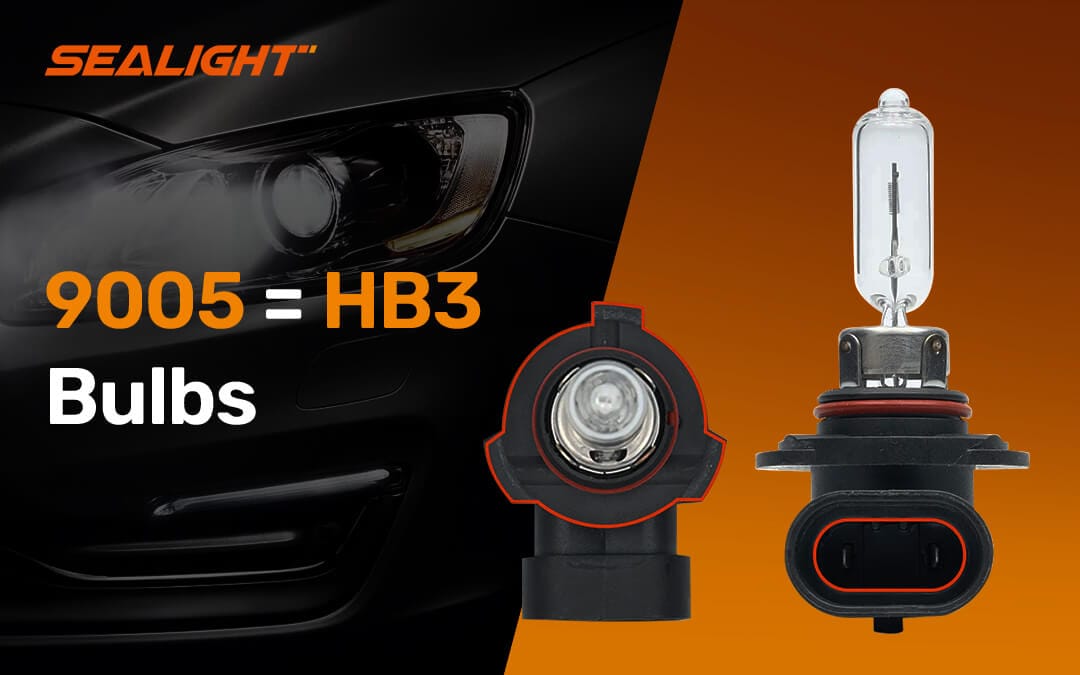
Check your car’s owner manual for the exact bulb type. You can also look at the existing bulb for labels like H11, 9005, or HB3. Online tools and vehicle parts websites allow you to enter your car model to find compatible bulbs quickly.
How To Identify Headlight Bulb Size In My Vehicle?
Locate the headlight assembly and remove the bulb carefully. The bulb’s base often has a size or model number printed. Alternatively, use your car manual or online bulb finder tools by entering your car’s make, model, and year for accurate size info.
Can I Replace My Car’s Headlight Bulb Myself?
Yes, most cars allow easy bulb replacement without professional help. Always disconnect the battery first and handle bulbs with gloves to avoid oils. Follow your vehicle’s manual instructions or watch model-specific video tutorials for safe and correct installation.
Why Is Knowing My Headlight Bulb Type Important?
Using the correct bulb ensures optimal light output and safety. Incorrect bulbs can reduce visibility and damage your vehicle’s electrical system. It also helps when purchasing replacements to avoid returns or incompatibility issues.
Conclusion
Knowing which headlight bulb fits your car saves time and money. Check your owner’s manual or look for markings on the bulb itself. Using the correct bulb keeps your headlights bright and safe. Changing bulbs is simple once you know the right type.
Keep your car’s lights working well for better night driving. Remember, proper bulbs improve visibility and prevent accidents. Always double-check before buying new bulbs. Easy steps make car care less stressful. Stay safe and drive confidently with the right headlight bulbs.