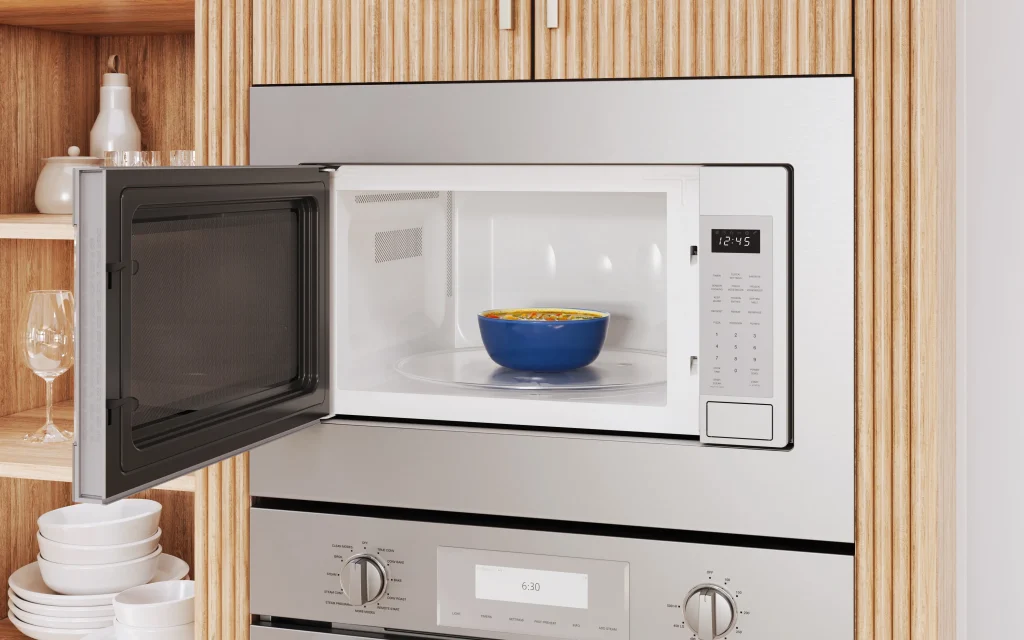
Are you tired of cluttered kitchen countertops and looking for a sleek, space-saving solution? A built-in microwave oven might be just what you need.
But what exactly is a built-in microwave oven, and how can it transform your cooking experience? Picture this: a streamlined kitchen where your microwave seamlessly integrates into your cabinetry, offering both style and functionality. Imagine the convenience of having your microwave at eye level, making it easier to use and freeing up precious counter space.
We’ll explore what a built-in microwave oven is and why it might be the perfect addition to your kitchen. Stay with us to discover how this appliance could enhance both your kitchen’s aesthetics and your daily life.
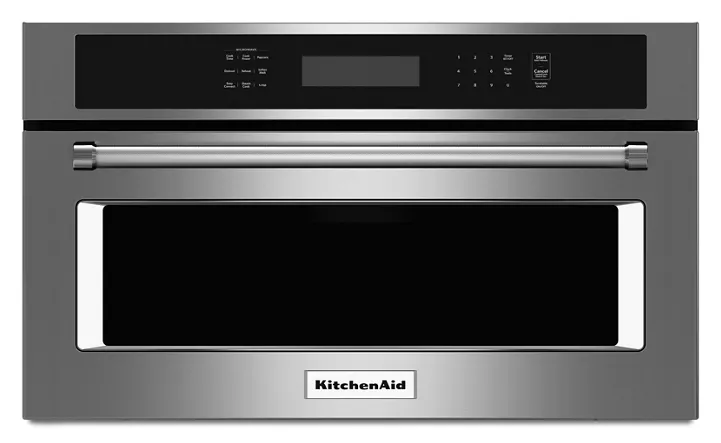
Credit: www.kitchenaid.com
Built-in Microwave Basics
Understanding the basics of built-in microwaves is key before deciding if one fits your kitchen and lifestyle. These appliances are designed to blend seamlessly into your cabinetry, offering a sleek look and freeing up counter space. Let’s break down what makes built-in microwaves unique and how they can enhance your cooking experience.
Design And Installation
Built-in microwaves are crafted to fit flush within your kitchen cabinets or walls. This design gives your kitchen a clean, streamlined appearance without the clutter of a countertop appliance. Installation usually requires professional help because it involves securing the unit safely and ensuring proper ventilation.
Think about where you want the microwave—at eye level for easy access or lower for child safety. This choice impacts both usability and your kitchen’s overall flow. Have you considered how your current kitchen setup could accommodate a built-in microwave?
Space And Size Options
These microwaves come in a variety of sizes, from compact models perfect for small kitchens to larger ones that can handle big dishes. Knowing the exact space available in your cabinetry is crucial before shopping. You don’t want to end up with a microwave that’s either too big or too small for your designated spot.
Also, built-in microwaves often offer more interior space compared to countertop models of similar external dimensions. This means you can heat larger plates or containers without hassle. What size meals do you usually prepare that might benefit from this extra space?
How It Differs From Countertop Models
Unlike countertop microwaves, built-in models are designed to stay in one place and become part of your kitchen’s structure. This permanence means they usually have a more powerful build and advanced features. They also free up valuable counter space, which can be a game-changer in smaller kitchens.
However, built-in microwaves tend to be pricier and less portable. You won’t be moving one around like a countertop unit, so consider if you prefer flexibility over a fixed setup. Could a built-in microwave’s benefits in style and space outweigh the cost and installation effort for your kitchen?
Key Features To Look For
Choosing the right built-in microwave oven means knowing which features matter most. These features affect how well your microwave performs and how easy it is to use every day. Let’s look at the key features you should focus on to make a smart choice for your kitchen.
Power And Wattage
Power, measured in watts, determines how quickly and evenly your microwave cooks food. Higher wattage means faster cooking times and better results, especially for reheating or defrosting.
Most built-in microwaves range from 800 to 1200 watts. If you often prepare meals quickly or cook multiple items, aim for at least 1000 watts. Have you noticed uneven heating in your current microwave? That could be due to low wattage.
Control Panels And Settings
A user-friendly control panel makes a big difference. Look for intuitive buttons or touch controls that let you program cooking times easily without confusion.
Many models offer preset menus for popcorn, pizza, or beverages. These save time but make sure you can customize settings when needed. If you like experimenting with recipes, a microwave with adjustable power levels and timer options can help you get the perfect result every time.
Sensor Cooking Technology
Sensor cooking automatically adjusts time and power based on the moisture and temperature inside the microwave. This feature takes the guesswork out of cooking and prevents overcooking or undercooking.
In my kitchen, sensor cooking has saved me from dry leftovers more than once. It’s especially useful for busy days when you don’t want to watch the clock. Wouldn’t it be great if your microwave knew exactly how long your food needs?
Benefits Of Built-in Microwaves
Built-in microwaves offer more than just a place to heat your food. They bring several practical benefits that can transform your kitchen experience. Understanding these advantages can help you decide if a built-in microwave fits your lifestyle and kitchen design.
Saves Counter Space
One of the biggest benefits of a built-in microwave is the way it frees up your countertop. Instead of juggling limited space with a bulky appliance, you get a clear, open surface for prepping meals or setting out ingredients.
Imagine having extra room for your morning coffee station or a cutting board without feeling cramped. This can make your kitchen feel less cluttered and more functional, especially in smaller homes.
Enhances Kitchen Aesthetics
Built-in microwaves blend seamlessly with your cabinets, creating a sleek and modern look. They don’t stick out like a standalone unit, which can disrupt the flow of your kitchen’s design.
Think about how a smooth, integrated appliance can elevate the overall style. You can match the microwave’s finish to your other appliances or cabinetry, making your kitchen look polished and intentional.
Improves Kitchen Workflow
Having a microwave built into your kitchen layout can make cooking and reheating more efficient. It’s often installed at eye level or within easy reach, so you don’t have to bend or stretch awkwardly.
This setup allows you to multitask better, moving quickly between the microwave, stove, and prep areas. How much easier would your cooking process be if everything was just where you needed it?

Credit: www.frigidaire.ca
Choosing The Right Model
Choosing the right built-in microwave oven can transform your kitchen experience. It’s not just about picking a device that heats food quickly; it’s about finding one that fits your lifestyle and kitchen design perfectly. Understanding what matters most to you will make this choice easier and more satisfying.
Matching Kitchen Style
Your built-in microwave should blend seamlessly with your kitchen’s look. Think about the finish—stainless steel often works well in modern kitchens, while black or white might suit a more classic style.
Consider the size and placement too. A microwave that fits flush with your cabinets creates a clean, integrated look. Have you noticed how mismatched appliances can disrupt the flow of your space?
Considering Cooking Needs
How do you usually use your microwave? If you mostly reheat leftovers, a basic model might be enough. But if you like to bake, grill, or steam, look for models with advanced features.
Some microwaves come with sensor cooking, which adjusts time and power automatically. This can save you time and prevent overcooking. Ask yourself: Do you want simple convenience or versatile cooking options?
Budget And Brand Options
Setting your budget early helps narrow down choices. Built-in microwaves range from affordable to premium models with extra features.
Brands like Panasonic, Bosch, and GE offer reliable options at various price points. Reading reviews and checking warranties can protect your investment. What’s more important to you: cost savings or long-term durability?
Installation Tips And Tricks
Installing a built-in microwave oven can transform your kitchen’s look and functionality, but the process requires careful planning. Paying attention to key details during installation not only ensures your microwave works efficiently but also keeps your kitchen safe. Let’s dive into some practical tips and tricks to help you get it right the first time.
Professional Vs Diy Installation
Deciding whether to install your microwave yourself or hire a professional depends on your comfort with tools and electrical work. If you have experience with cabinetry and wiring, a DIY approach can save money and give you control over the setup. However, professionals bring expertise that can prevent costly mistakes and guarantee the appliance is installed according to local codes.
Think about your schedule too. Are you prepared to spend a few hours or even a day troubleshooting unexpected issues? Sometimes, investing in a pro upfront avoids headaches later. What’s your level of confidence with power tools and electrical connections?
Ventilation Requirements
Proper ventilation is crucial for a built-in microwave to function safely and efficiently. Most models require at least a few inches of clearance around the unit to allow heat to escape. Without enough airflow, your microwave may overheat, which shortens its lifespan and risks damage.
Check your microwave’s manual for specific ventilation guidelines. Some units need venting to the outside, while others recirculate air through filters. Ensuring the right setup will keep your kitchen comfortable and your microwave running smoothly.
Safety Precautions
Safety should never be an afterthought during installation. Always turn off power at the circuit breaker before handling electrical connections. Use a voltage tester to confirm wires are not live before proceeding.
Secure the microwave firmly to prevent it from shifting or falling. Make sure the cabinet or wall can support the weight. Also, avoid blocking the vents or placing the microwave too close to flammable materials.
Have you double-checked that all screws and brackets are properly tightened? Small oversights can lead to bigger problems down the road, so take your time and prioritize safety.
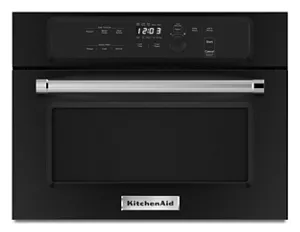
Credit: www.kitchenaid.com
Maintenance And Care
Proper maintenance and care of your built-in microwave oven ensure it stays efficient and safe to use. Regular attention can prevent minor problems from turning into costly repairs. Taking simple steps can keep your microwave looking new and functioning smoothly for years.
Cleaning Tips
Cleaning your built-in microwave regularly helps avoid unpleasant odors and keeps food splatters from hardening. Use a soft cloth or sponge with mild soap and water to wipe the interior. Avoid harsh chemicals that can damage the surface.
Try heating a bowl of water with lemon slices inside the microwave for 3-5 minutes. The steam loosens grime and makes wiping easier. Don’t forget to clean the microwave door seals gently to maintain a proper seal.
Troubleshooting Common Issues
If your microwave isn’t heating food properly, check if the door is closing fully. A loose door latch can disrupt operation. You might also hear unusual noises—this could indicate a problem with the turntable motor or the magnetron.
Resetting the microwave by unplugging it for a few minutes often fixes minor glitches. If the control panel is unresponsive, inspect for stuck buttons or dirt buildup. These small checks can save you a service call.
Extending Appliance Lifespan
Use your built-in microwave within its recommended power levels to avoid overworking the appliance. Don’t run it empty, as this can damage the magnetron. Avoid placing metal objects inside, which can cause sparks.
Regular inspections of vents and filters prevent overheating. If you notice any burning smells or smoke, stop using the microwave immediately and get it checked. How often do you review your appliance’s condition to prevent unexpected breakdowns?
Popular Built-in Microwave Brands
Popular built-in microwave brands offer a wide range of options for every kitchen style. These brands focus on quality, design, and user-friendly features. Choosing a reliable brand helps ensure durability and performance. Many brands also offer models that fit seamlessly into modern kitchen cabinetry.
These brands often lead in innovation and customer satisfaction. They provide microwaves with advanced cooking technology and sleek designs. Buyers can find models with different sizes, power levels, and smart features. This variety suits diverse cooking needs and kitchen spaces.
Top-rated Models
- Panasonic NN-SD975S: Known for fast cooking and inverter technology.
- GE Profile PEB9159SJSS: Offers sensor cooking and a stylish look.
- Sharp SMD2470AS: Features a large capacity and easy controls.
- KitchenAid KMBS104ESS: Combines a modern design with reliable power.
- Bosch HMB50152UC: Integrates well with smart home systems.
Customer Reviews Insights
Most customers praise clear displays and simple controls. Many appreciate even cooking and quick heating. Some users report quiet operation and easy cleaning. A few mention the importance of fitting measurements before buying. Overall, satisfaction is high with brand reliability and service.
Warranty And Support
| Brand | Standard Warranty | Customer Support |
|---|---|---|
| Panasonic | 1 year limited warranty | Phone and online support |
| GE | 1 year parts and labor | 24/7 customer service |
| Sharp | 1 year limited warranty | Online resources and phone help |
| KitchenAid | 1 year full warranty | Dedicated support hotline |
| Bosch | 2 years limited warranty | Comprehensive online support |
Frequently Asked Questions
What Is A Built-in Microwave Oven?
A built-in microwave oven is integrated into kitchen cabinetry or walls. It saves counter space and offers a sleek, modern look. These microwaves often have advanced features and blend seamlessly with kitchen design.
How Does A Built-in Microwave Differ From Countertop Models?
Built-in microwaves are installed within cabinets, while countertop models sit on surfaces. Built-ins save space, look stylish, and often have higher power. Countertop microwaves are portable but can clutter kitchen counters.
What Are The Benefits Of Built-in Microwave Ovens?
Built-in microwaves save kitchen counter space, improve aesthetics, and provide convenient access. They often feature advanced cooking settings and enhance kitchen value. Their integration allows for a custom, streamlined kitchen design.
Can Built-in Microwaves Fit Any Kitchen Layout?
Built-in microwaves require specific cabinet dimensions and electrical setups. Most modern kitchens can accommodate them with proper planning. Custom cabinetry may be needed for older kitchens or unusual layouts.
Conclusion
A built-in microwave oven saves space and looks neat in your kitchen. It fits into cabinets for a clean, modern style. You cook food quickly without taking up counter space. These microwaves often have extra features like sensor cooking. They help keep your kitchen organized and efficient.
Choosing the right model depends on your needs and kitchen size. Built-in microwaves blend convenience with a stylish design. They make cooking easier and your kitchen tidier. Simple, useful, and space-saving—these microwaves suit many homes well.