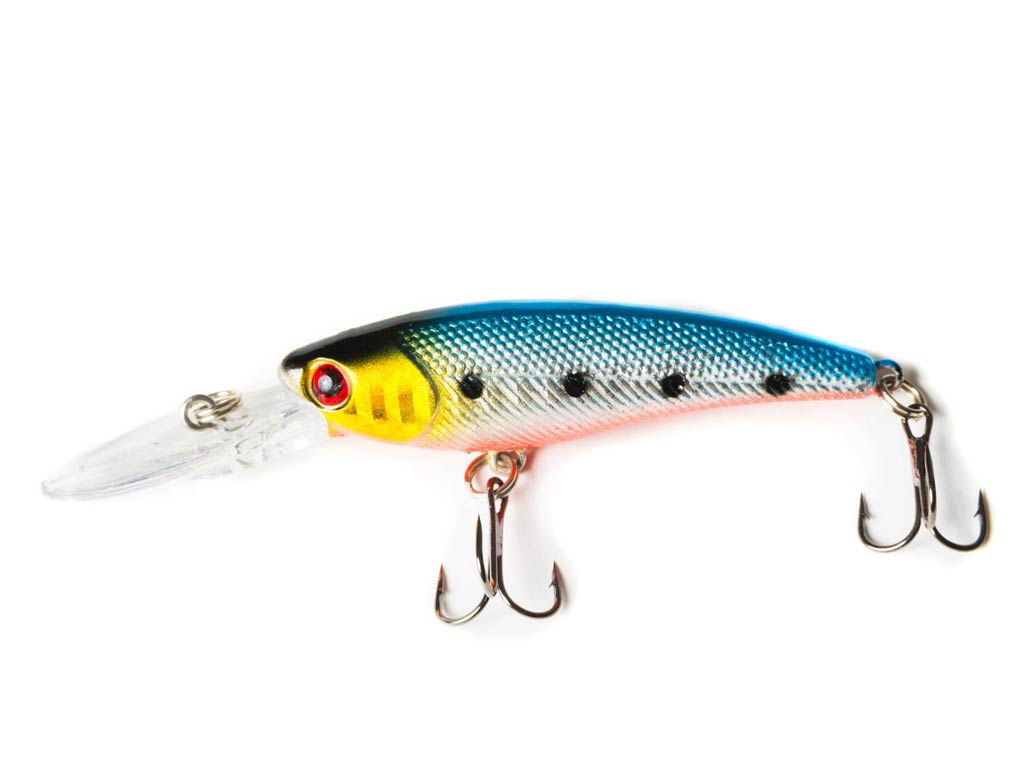
Are you curious about how anglers attract fish so effectively? Understanding what a fish lure is can change the way you fish and boost your chances of a great catch.
A fish lure is more than just a shiny object—it’s a carefully designed tool that tricks fish into biting. If you want to learn how to choose the right lure and use it like a pro, keep reading. This simple knowledge could make your next fishing trip much more successful and enjoyable.
Fish Lures Basics
A fish lure is an object that anglers use to catch fish. It looks like food or something fish want to bite.
Fish lures come in many shapes and colors. They help anglers attract fish by imitating prey or creating movement.
Types Of Fish Lures
There are many types of fish lures. Each type works best in different water and fish conditions.
- Spinnerbaits spin a blade to reflect light and create vibration.
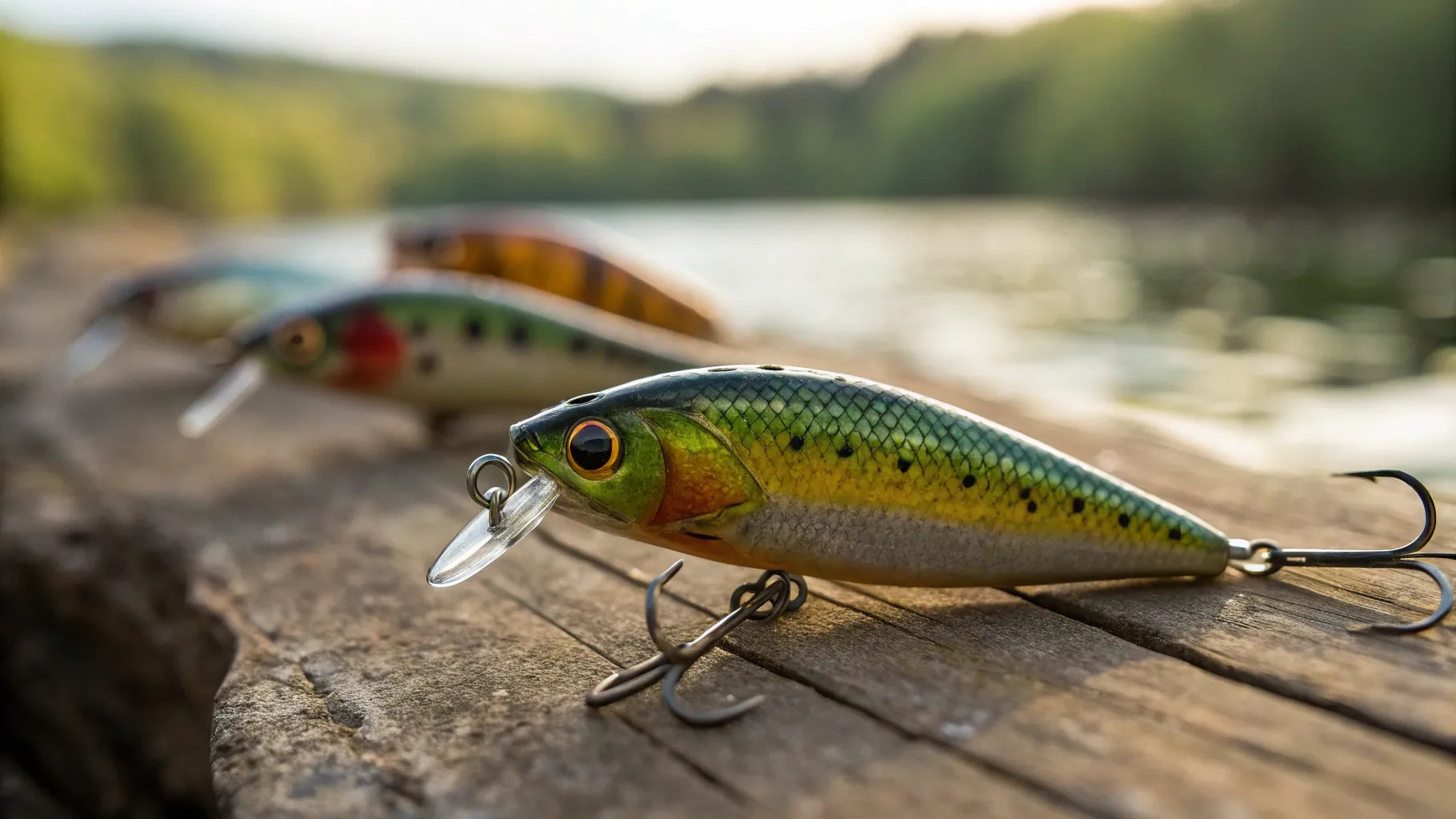
- Crankbaits dive and wobble like small fish swimming.
- Soft plastics mimic worms, insects, or small fish with flexible bodies.
- Jigs have a weighted head and a hook with a skirt or soft bait.
- Spoons are curved metal lures that flash and wobble underwater.
How Lures Attract Fish
Lures attract fish by looking, moving, or sounding like prey. Fish see or sense these signs and try to bite.
Colors, shape, and motion all help lure fish. Some lures make noise or vibrations to catch attention.
- Bright colors catch fish in murky water.
- Slow movement works for lazy fish.
- Fast action lures attract active fish.
- Vibration signals help fish find lures in dark water.
Choosing The Right Lure
Pick a lure that matches the fish you want to catch. Think about the water type and weather too.
Use small lures for small fish and big lures for big fish. Change colors if fish do not bite.
- Clear water: use natural colors
- Murky water: use bright or glowing colors
- Cold water: use slow-moving lures
- Warm water: use fast-moving lures

Credit: www.youtube.com
Top Fish Lure Materials
Fish lures come in many materials. Each material affects how the lure moves and attracts fish.
Knowing the main materials helps anglers pick the right lure for fishing conditions.
Plastic And Silicone Lures
Plastic and silicone lures are popular for their flexibility and lifelike movement. They often look like small fish or insects.
- Soft plastics bend easily in water
- Silicone lures are durable and stretchy
- Both can be molded into many shapes and colors
- They are good for slow and natural lure actions
Metal Lures
Metal lures reflect light and create vibrations. These features attract fish from far away.
| Metal Type | Weight | Effect in Water |
| Steel | Heavy | Sinks fast, strong vibrations |
| Aluminum | Light | Floats or sinks slowly, flashes light |
| Brass | Medium | Good balance of weight and shine |
Wooden Lures
Wooden lures are classic and often handmade. They have a natural feel in the water.
Wood types used:
- Balsa wood: Very light, floats well
- Cedar: Durable and water-resistant
- Basswood: Easy to carve, medium weight
Popular Fish Lure Designs
Fish lures come in many shapes and styles. They help attract fish by imitating prey or triggering bites.
Each lure design works best in different water conditions and for various fish species.
Crankbaits
Crankbaits are hard-bodied lures that dive underwater when reeled in. They have a plastic lip that controls depth.
These lures imitate small fish or other prey. They create wobbling action that attracts predators.
- Good for covering large water areas
- Works well in lakes and rivers
- Comes in shallow, medium, and deep diving types
Spinnerbaits
Spinnerbaits have one or more metal blades that spin when pulled. The spinning flashes light and creates vibrations.
These lures mimic small fish or insects. They work well in murky water and around weeds.
- Effective in low visibility water
- Blade shapes affect flash and vibration
- Good for bass and pike fishing
Jigs
Jigs have a weighted head and a hook. They often have soft or feather skirts to create lifelike movement.
Anglers use jigs to bounce along the bottom or swim slowly. They attract fish by mimicking wounded prey.
- Works well near rocks and cover
- Comes in many sizes and colors
- Good for both fresh and saltwater fishing
Soft Plastics
Soft plastic lures are made from flexible materials. They imitate worms, minnows, or crawfish.
These lures can be rigged in many ways. Their natural feel helps fool fish into biting.
- Can be rigged weedless to avoid snags
- Available in many shapes and sizes
- Effective for bass and panfish
Matching Lures To Fish Species
Choosing the right fish lure helps catch specific fish species. Different fish prefer different types of lures based on their environment and feeding habits.
This guide covers lures suited for freshwater and saltwater fish. Learn how to match lures to the fish you want to catch.
Lures For Freshwater Fish
Freshwater fish like bass, trout, and pike respond to various lure types. Using the correct lure increases your chances of success.
- Soft plastic worms work well for bass.
- Spoons attract trout with their shiny surface.
- Spinnerbaits mimic small fish and draw pike attention.
- Crankbaits imitate injured prey and trigger strikes.
Lures For Saltwater Fish
Saltwater fish such as snapper, tuna, and mackerel need sturdy lures that handle strong bites and saltwater conditions.
| Lure Type | Best For | Key Feature |
| Jigs | Snapper, Grouper | Heavy and sinks fast |
| Metal Spoons | Tuna, Mackerel | Reflective and fast-moving |
| Soft Plastics | Flounder, Sea Bass | Flexible and lifelike motion |
| Topwater Lures | Bluefish, Striped Bass | Floats and creates surface action |
Lure Techniques For Better Catch
Using the right fishing lure techniques helps catch more fish. Different ways of moving lures attract different fish species.
Understanding how to cast, troll, and work lures at various depths improves your fishing success.
Casting And Retrieving Tips
Cast your lure smoothly to avoid scaring fish. Aim for spots near structures or plants where fish hide.
Retrieve your lure with steady or varied speed to mimic prey movements. Try pausing or twitching the lure to attract attention.
- Use a smooth, controlled cast
- Target areas near rocks, weeds, or logs
- Vary retrieve speed for natural action
- Pause or twitch lure to trigger bites
Trolling With Lures
Trolling means dragging a lure behind a moving boat. It covers a large water area to find active fish.
Keep a slow and steady boat speed. Use different lures to see what fish prefer on that day.
- Maintain slow boat speed for lure action
- Try different lure types and sizes
- Use multiple lines for better coverage
- Watch for fish strikes and adjust speed
Working Lures At Different Depths
Fish live at many depths. Use lures that reach the right water level for the species you want.
Change lure weight or use diving lures to reach deeper fish. Count down your lure to control depth precisely.
- Choose lures that sink or float as needed
- Use weighted lures for deep water
- Count seconds to reach target depth
- Adjust rod angle to control lure depth
Maintaining And Storing Lures
Fish lures need care to last a long time. Proper maintenance keeps them effective and ready to use.
Storing lures well protects them from damage and helps you organize your fishing gear.
Cleaning After Use
Clean lures after each fishing trip. Saltwater and dirt can harm the lure’s finish and hooks.
Use fresh water and a soft brush to remove grime and salt. Dry lures completely before storing.
- Rinse lures with fresh water
- Use a soft brush for tight spots
- Dry with a cloth or air dry
- Remove hooks if needed for better cleaning
Proper Storage Methods
Store lures in a dry, cool place to avoid rust and damage. Use tackle boxes with compartments.
Keep lures separated to stop hooks from tangling and paint from chipping.
- Choose tackle boxes with dividers
- Keep lures dry to prevent rust
- Store in a cool place away from sunlight
- Label compartments for easy finding
Repairing Damaged Lures
Fix small damages to keep lures working well. Replace bent hooks or torn skirts quickly.
Use glue or paint to repair chips or cracks. Regular checks help catch damage early.
- Replace rusty or bent hooks
- Glue cracked bodies carefully
- Touch up paint chips with waterproof paint
- Check skirts and tails for tears
Common Mistakes With Fish Lures
Using fish lures is a key part of fishing. Many anglers make simple mistakes with lures.
These errors can reduce your chances of catching fish. Learning about common mistakes helps you improve.
Using Wrong Lure Size
Choosing the wrong lure size can scare fish away or not attract them. Big lures may look unnatural in some waters.
Small lures might not be seen by bigger fish. Match the lure size to the fish you want to catch.
- Use smaller lures for small fish
- Use larger lures for big fish
- Consider the fish’s natural prey size
Ignoring Water Conditions
Water clarity and temperature affect lure choice. Bright lures work well in clear water but fail in murky water.
Cold water can slow fish down, so slow lure action is better. Warm water fish often like faster action.
- Use bright colors in clear water
- Use dark or flashy lures in murky water
- Adjust lure speed based on water temperature
Overlooking Lure Action
Lure action means how the lure moves in water. Fish respond to realistic movements that mimic prey.
Using a lure with the wrong action can make fish ignore it. Try different actions to see what works best.
- Use wobbling lures to imitate injured fish
- Use twitching lures for fast-moving bait
- Match lure action to fish behavior and species
Credit: www.battlbox.com
Latest Trends In Fish Lures
Fish lures help anglers catch fish by imitating their natural food. Lures have changed a lot over time.
New trends in fish lures focus on technology, the environment, and personalization. These trends improve fishing experiences.
High-tech Lures
High-tech lures use smart features like lights and sounds. These features attract fish better than normal lures.
Some lures have sensors that react to water movement. Others use Bluetooth to change settings from a phone.
- Built-in LED lights for night fishing
- Sound emitters that mimic fish noises
- Motion sensors to change lure action
- Remote control via smartphone apps
Eco-friendly Options
Eco-friendly lures use safe materials that do not harm water or fish. They help protect nature while fishing.
Many are made from biodegradable plastics or natural materials like wood. These lures reduce pollution in lakes and rivers.
- Biodegradable plastics that break down fast
- Natural wood lures treated with safe coatings
- Non-toxic paints and dyes
- Packaging made from recycled materials
Customizable Lures
Customizable lures let anglers change colors, shapes, or sizes. This helps match the lure to the fish’s environment.
Some lures come with parts you can swap out. Others allow you to paint or add scents to attract specific fish.
- Interchangeable bodies and tails
- Paint kits for personal designs
- Scent capsules to add fish attractants
- Adjustable weight for different depths

Credit: fishingbooker.com
Frequently Asked Questions
What Is A Fish Lure Used For?
A fish lure is used to attract fish. It mimics the appearance and movement of prey. Anglers use lures to entice fish into biting. Lures come in various shapes, sizes, and colors. They are designed to target specific fish species.
How Do Fish Lures Work?
Fish lures work by imitating the natural prey of fish. They create movement and vibrations in the water. This triggers the predatory instincts of fish. The colors and patterns of lures help catch the attention of fish. Lures are effective in various fishing environments.
What Are The Types Of Fish Lures?
There are several types of fish lures including jigs, spinners, and crankbaits. Each type has specific features and uses. Jigs are versatile and work well in different waters. Spinners create flash and vibration to attract fish. Crankbaits mimic small fish and are great for covering large areas.
Why Choose Lures Over Live Bait?
Lures are reusable and can be more cost-effective than live bait. They allow for precise control and targeting of fish. Lures are cleaner and easier to store. They can be used to mimic specific prey. Anglers can choose lures based on water conditions and target species.
Conclusion
A fish lure helps attract fish by imitating their food. It comes in many shapes, sizes, and colors. Choosing the right lure can improve your fishing success. Using a lure makes fishing more exciting and fun. Remember, practice helps you learn which lure works best.
Try different lures to see what fish like most. Fishing with a lure is a simple way to catch fish. Give it a try and enjoy your time by the water.