Have you ever wondered how much energy slips away unnoticed in your home or workplace? A heat recovery system might be the answer to saving both energy and money.
Imagine capturing the warmth that usually escapes and putting it to good use—sounds smart, right? You’ll discover exactly what a heat recovery system is, how it works, and why it could be a game-changer for your comfort and bills. Keep reading to unlock the secret to a more efficient and eco-friendly space.
Basics Of Heat Recovery Systems
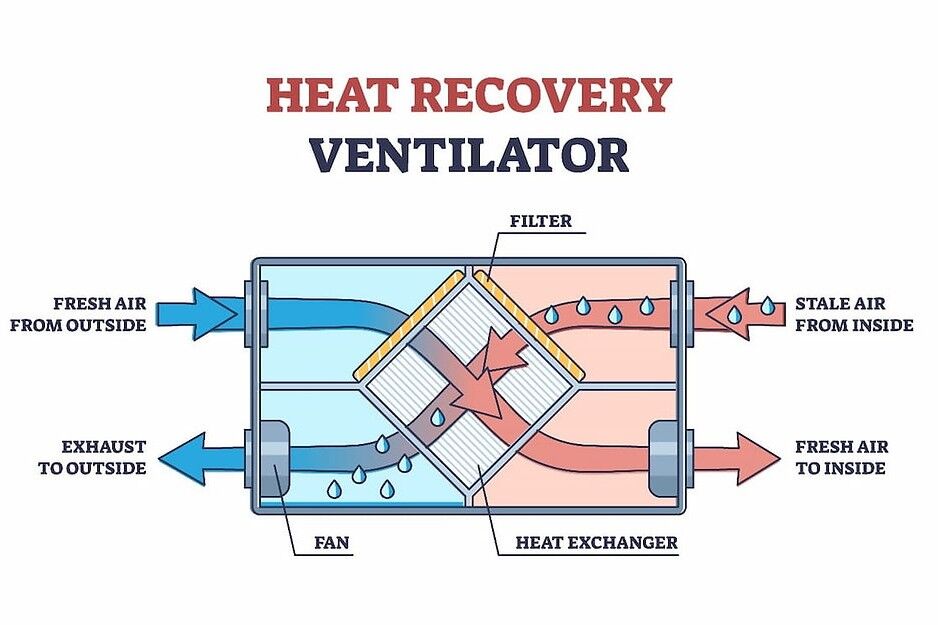
A heat recovery system saves energy by capturing heat that would be lost. It moves this heat to a place where it can be used again. This helps reduce energy costs and waste.
These systems work in many buildings and machines. They improve efficiency and lower the need for new energy input.
Core Components
A heat recovery system has several key parts. Each part plays a role in capturing and reusing heat.
- Heat exchanger:Transfers heat from one fluid to another without mixing them.
- Fans or pumps:Move air or liquids through the system.
- Ductwork or pipes:Carry heated or cooled air and fluids.
- Control system:Manages the operation and efficiency of the system.
- Filters:Clean the air or fluids passing through.
How Heat Recovery Works
The system collects heat from warm air or liquids that leave a building or machine. It then transfers this heat to the incoming cold air or fluid.
| Step | Action |
| 1 | Warm air or water leaves the system. |
| 2 | Heat exchanger captures the heat from the warm air or water. |
| 3 | Heat moves to the incoming cold air or water. |
| 4 | Preheated air or water enters the system, reducing energy needed. |
Types Of Heat Recovery Systems
Heat recovery systems save energy by capturing heat from waste sources. They help reduce heating and cooling costs.
There are different types of heat recovery systems. Each type works best for certain uses and settings.
Air-to-air Systems
Air-to-air systems transfer heat between two air streams. They recover heat from exhaust air and warm incoming air.
These systems use devices like heat wheels or plate heat exchangers. They improve indoor air quality and save energy.
- Heat wheels rotate between airflows to transfer heat.
- Plate exchangers use metal plates to move heat.
- Energy recovery ventilators exchange heat and moisture.
Water-to-water Systems
Water-to-water systems move heat between two water streams. They recover heat from wastewater or cooling water.
These systems use heat exchangers to transfer heat. They are common in buildings with heating and cooling loops.
- Plate heat exchangers transfer heat without mixing water.
- Shell and tube exchangers use tubes inside a shell.
- They help heat water or warm spaces efficiently.
Run-around Coils
Run-around coils use a liquid loop to transfer heat between air streams. They connect two separate air ducts.
This system uses pumps to move liquid between coils. It works well when air streams are far apart.
- One coil extracts heat from exhaust air.
- The liquid carries heat to the second coil.
- The second coil transfers heat to incoming air.
- It saves energy and improves ventilation.
Benefits Of Heat Recovery
Heat recovery systems help save energy by capturing heat from waste air or water. They reduce the need for extra heating or cooling.
These systems improve air quality and lower pollution. They are useful in homes and workplaces to create a healthier environment.
Energy Savings
Heat recovery systems reduce energy bills by reusing heat that would be lost. This makes heating and cooling more efficient.
- Lower fuel consumption
- Reduced electricity use
- Less strain on heating systems
- Long-term cost savings
Reduced Carbon Footprint
By saving energy, heat recovery systems cut down carbon dioxide emissions. This helps fight climate change and pollution.
| Benefit | Impact |
| Energy use | Decreases significantly |
| CO2 emissions | Lowered by up to 30% |
| Fossil fuel need | Reduced |
Improved Indoor Air Quality
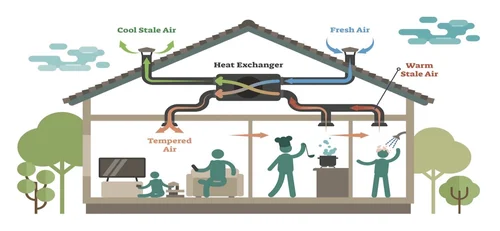
Heat recovery systems bring fresh air inside while removing stale air. This keeps indoor air clean and fresh.
- Reduces moisture and mold
- Removes pollutants and allergens
- Maintains comfortable humidity levels
Credit: www.ehprenewables.com
Applications Across Industries
A heat recovery system captures heat from one process. It reuses this heat in another to save energy.
Many industries use these systems to cut costs and reduce waste. Each industry applies heat recovery in different ways.
Residential Use
In homes, heat recovery systems improve energy efficiency. They capture heat from exhaust air and warm fresh air.
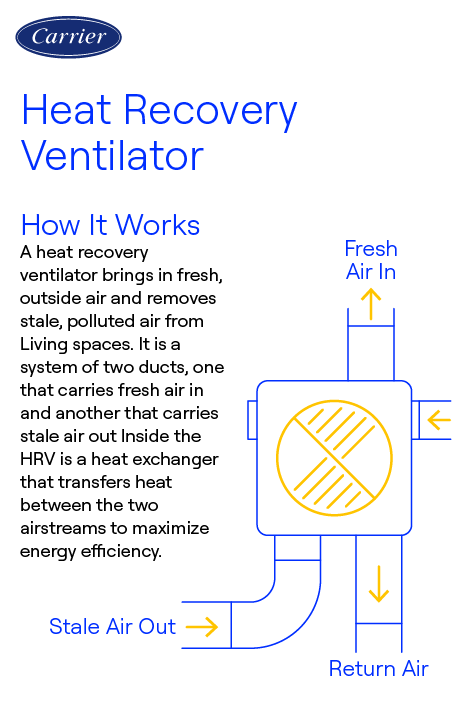
- Heat recovery ventilators (HRVs) keep air fresh and warm.
- They reduce heating costs in winter.
- They improve indoor air quality by reducing moisture.
Commercial Buildings
Heat recovery systems in offices and shops lower energy bills. They reuse heat from air conditioning and heating systems.
| System Type | Purpose | Benefit |
| Air-to-air heat exchangers | Transfer heat between incoming and outgoing air | Save heating and cooling energy |
| Heat wheels | Recover heat from exhaust air streams | Reduce HVAC energy use |
| Water source heat recovery | Use heat from water for building heating | Lower utility costs |
Industrial Processes
Factories use heat recovery to cut fuel use and emissions. They capture heat from machines and exhaust gases.
Common industrial applications include:
- Preheating boiler feed water
- Recovering heat from furnace exhaust
- Using waste heat for drying or heating
- Reducing cooling water demand
Installation And Maintenance Tips
A heat recovery system saves energy by reusing heat from exhaust air. Proper installation and upkeep keep it working well. Follow these tips for best results.
Good sizing, correct placement, regular checks, and fixing issues quickly help the system last longer. Read on for key advice.
Proper Sizing And Placement
Choose a heat recovery system size based on your building’s airflow needs. A system too small wastes energy. One too large costs extra and works inefficiently.
- Measure the volume of air to be exchanged daily
- Consult with a professional for load calculations
- Place the unit near the exhaust source to reduce duct length
- Avoid locations with extreme temperatures or moisture
- Ensure easy access for future maintenance
Routine Inspection
Inspect the heat recovery system regularly to keep it efficient. Look for dust, dirt, or damage that might block airflow or reduce heat exchange.
| Inspection Item | Frequency | Action |
| Filter condition | Monthly | Clean or replace filters |
| Heat exchanger | Every 3 months | Check for dirt or corrosion |
| Ductwork | Every 6 months | Inspect for leaks or blockages |
| Fans and motors | Annually | Lubricate and check operation |
Common Troubleshooting
Some issues may happen even with proper care. Quick diagnosis helps avoid bigger problems. Check these common signs and fixes.
- Low airflow: Clean or replace clogged filters and ducts.
- Unusual noise: Tighten loose parts or lubricate fan motor.
- Foul odors: Clean heat exchanger and ducts to remove buildup.
- Reduced heat recovery: Inspect for leaks or damaged heat exchanger.
Credit: www.carrier.com
Cost Considerations And Roi
A heat recovery system helps save energy by capturing heat waste. Understanding its costs and returns is important before investing.
This section covers initial investment, energy cost reduction, and payback period for heat recovery systems.
Initial Investment
The upfront cost of a heat recovery system depends on size and type. Installation fees and maintenance should be included.
- Purchase price of equipment
- Installation and labor costs
- System design and customization
- Regular maintenance expenses
Energy Cost Reduction
Heat recovery systems lower energy bills by reusing heat. Savings vary with energy prices and system efficiency.
| Factor | Impact on Savings |
| System Efficiency | Higher efficiency means more energy saved |
| Energy Prices | Higher prices increase cost savings |
| Usage Hours | Longer use leads to greater savings |
| Maintenance | Good upkeep keeps savings steady |
Payback Period
The payback period shows how fast you recover your investment. It depends on initial costs and yearly savings.
- Calculate total initial investment
- Estimate annual energy cost savings
- Divide investment by yearly savings
- Result is the payback period in years
Innovations And Future Trends
Heat recovery systems save energy by capturing heat from air or water. New technologies make these systems smarter and more efficient. They also work better with clean energy sources.
Experts develop new materials to improve heat recovery. These changes help reduce energy waste and lower costs. The future of heat recovery looks very promising.
Smart Heat Recovery Systems
Smart heat recovery systems use sensors and controls to work better. They adjust heat flow based on weather and building needs. This saves more energy without losing comfort.
These systems can connect to apps for easy monitoring. Users can see how much energy they save in real time. This helps maintain the system and spot problems early.
- Automatic adjustment of heat recovery
- Remote monitoring through mobile devices
- Energy use reports and alerts
Integration With Renewable Energy
Heat recovery systems now work well with solar panels and wind power. They use clean energy to run fans and pumps. This lowers the overall carbon footprint of buildings.
Combining heat recovery with renewables helps store and reuse energy. It makes buildings more self-sufficient and eco-friendly. This trend will grow as more people use green energy.
- Solar-powered heat recovery units
- Wind energy supporting system operation
- Energy storage for later use
Advancements In Materials
New materials improve heat exchangers in recovery systems. They transfer heat faster and resist corrosion better. These materials last longer and need less maintenance.
Researchers also develop lightweight and flexible materials. These allow easier installation in different spaces. They help create smaller and more efficient systems.
- High-performance heat transfer metals
- Corrosion-resistant coatings
- Flexible and lightweight composites

Credit: www.jlconline.com
Frequently Asked Questions
What Is A Heat Recovery System Used For?
A heat recovery system captures waste heat from processes or exhausts. It reuses this heat to reduce energy consumption and costs. This improves overall efficiency and lowers environmental impact in buildings and industries.
How Does A Heat Recovery System Work?
It collects heat from warm air or fluids leaving a system. Then, it transfers this heat to incoming fresh air or water. This process minimizes energy loss and maintains comfortable indoor temperatures efficiently.
What Are The Benefits Of Heat Recovery Systems?
They reduce energy bills, lower greenhouse gas emissions, and enhance indoor air quality. Heat recovery systems also extend HVAC equipment life by decreasing workload and improving system balance.
Where Are Heat Recovery Systems Commonly Installed?
Heat recovery systems are common in residential homes, commercial buildings, and industrial plants. They integrate into HVAC systems, ventilation units, and manufacturing processes for energy savings.
Conclusion
A heat recovery system offers efficient energy use. It captures and reuses heat. This reduces energy bills and environmental impact. Easy to install in homes and businesses. Provides a smart energy solution. Save money while helping the planet. Simple technology with great benefits.
Perfect for those looking to go green. Understand your energy needs and consider this system. It’s a step towards sustainability. A practical choice for energy efficiency. Take action today. Embrace the future with heat recovery systems.