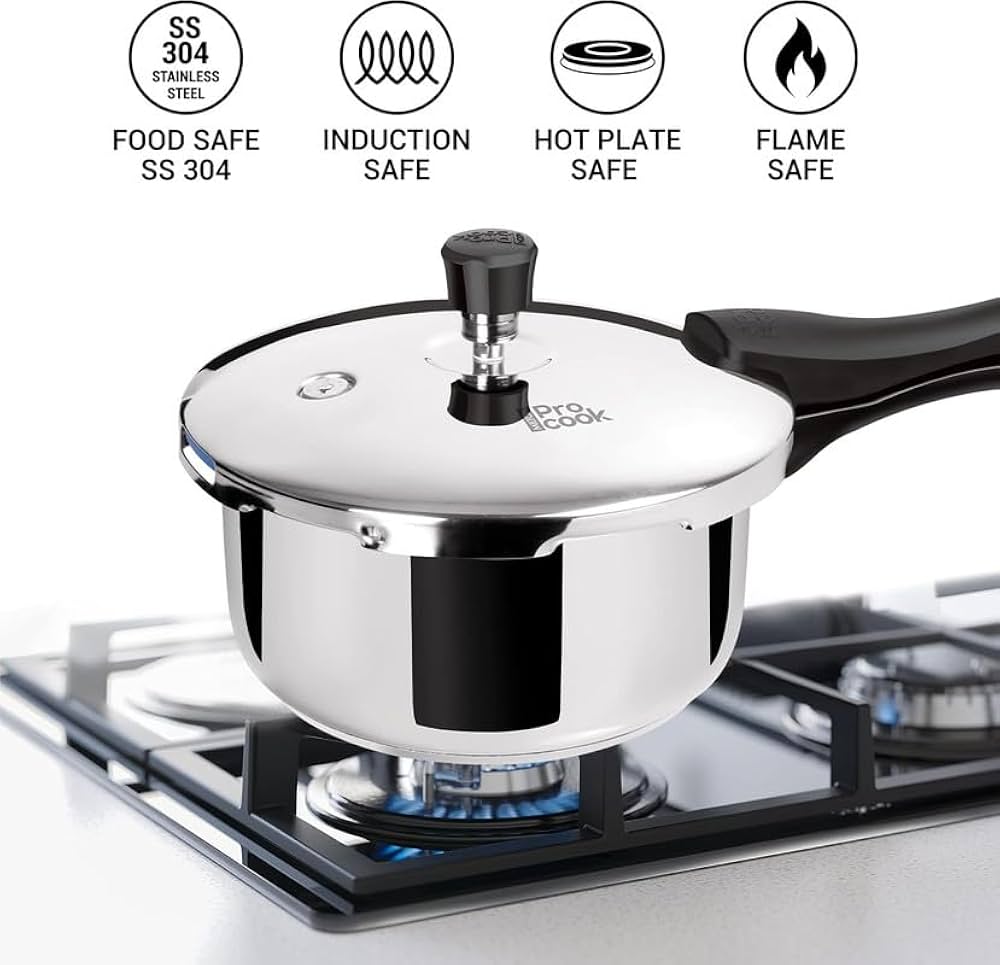
Have you ever wondered how you can cook your meals faster without losing flavor or nutrients? A pressure pan might be the secret tool you’ve been missing in your kitchen.
It’s designed to save you time and energy while making your food tender and delicious. If you want to learn how this simple yet powerful cookware can change the way you cook, keep reading. You’ll discover what a pressure pan is, how it works, and why it could become your new favorite kitchen companion.
Pressure Pan Basics
A pressure pan is a tool used in cooking to apply heat and pressure. It helps food cook faster and more evenly.
Pressure pans are common in kitchens and help save time by using steam pressure.
Design And Components
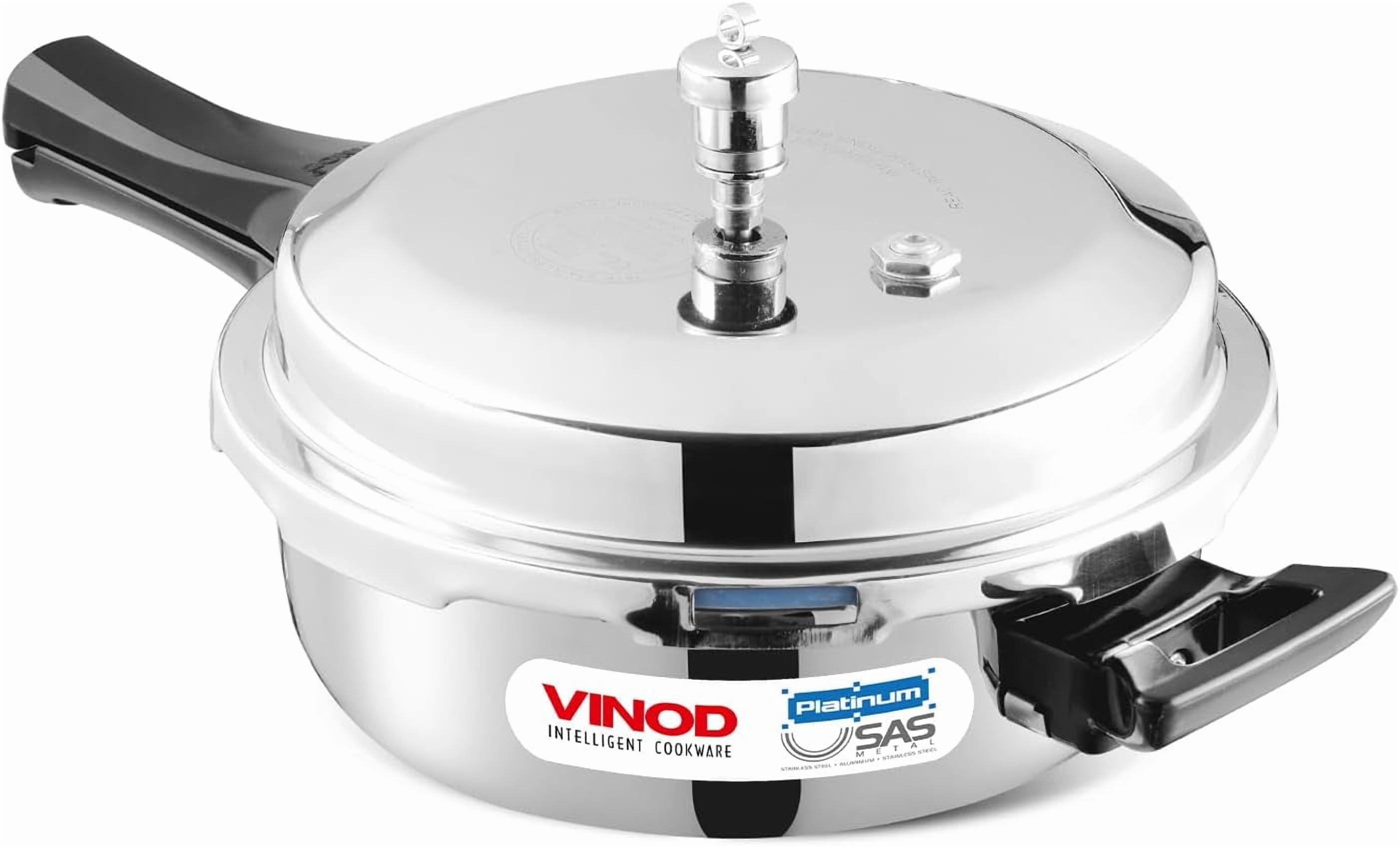
A pressure pan looks like a regular pan but has special parts. These parts help control pressure inside the pan.
The main components include a tight-fitting lid, a sealing ring, and a pressure valve.
- Tight-fitting lid:Keeps steam from escaping.
- Sealing ring:Makes the pan airtight.
- Pressure valve:Controls the steam pressure inside.
- Safety features:Prevents accidents from high pressure.
How It Works
When you heat a pressure pan, steam builds inside. This steam increases the pressure.
The higher pressure raises the boiling point of water. Food cooks faster at this higher temperature.
- Steam fills the pan and pushes down on the food.
- Pressure valve keeps the pressure safe by releasing steam if needed.
- Food cooks quickly because of the hot steam and pressure.
Key Benefits
A pressure pan is a special pot that cooks food faster by using high pressure. It keeps heat and steam inside to cook food quickly.
Using a pressure pan has many benefits for cooking at home. It saves time, reduces energy use, and helps keep food healthy.
Time Efficiency
A pressure pan cooks food much faster than normal pots. The high pressure raises the boiling point of water. This means food cooks in less time.
Faster cooking saves time in the kitchen. You can prepare meals quickly and spend less time waiting for food to be ready.
Energy Savings
Because cooking is faster, a pressure pan uses less energy. It keeps heat inside, so less fuel or electricity is needed.
Using less energy lowers cooking costs and is better for the environment. It helps save resources while cooking your meals.
Nutrient Retention
Pressure cooking keeps more nutrients in food. The sealed environment stops vitamins and minerals from escaping.
Food stays healthy and tasty. This makes a pressure pan a good choice for cooking vegetables and meats.
Common Uses
A pressure pan is a special pot that cooks food quickly by using steam pressure. It helps save time and energy.
People use pressure pans in many places like homes, factories, and labs. Each use is different but important.
Cooking Applications
In kitchens, pressure pans make cooking faster and easier. They help cook tough foods soft and tasty.
- Cooking beans and lentils quickly
- Preparing stews and soups in less time
- Making rice and grains fluffy and soft
- Steaming vegetables while keeping nutrients
- Tenderizing meat efficiently
Industrial Uses
Industries use pressure pans to cook or process food and other materials faster. They also sterilize equipment.
| Industry | Use of Pressure Pan |
| Food Processing | Cooking large batches of food |
| Pharmaceutical | Sterilizing medical tools |
| Textile | Heating and dyeing fabrics |
| Chemical | Mixing and heating chemicals safely |
Laboratory Settings
In labs, pressure pans help test samples and sterilize glassware. They work well under controlled heat and pressure.
- Sterilizing instruments and containers
- Heating samples to study reactions
- Preparing culture media quickly

Credit: www.amazon.ca
Choosing The Right Pressure Pan
A pressure pan cooks food faster by using steam under pressure. Choosing the right pan affects safety and cooking results. Consider material, size, and safety features before buying.
Each factor helps you pick a pan that fits your kitchen and cooking style. Learn about important details to make a smart choice.
Material Types
Pressure pans come in several materials. Each has benefits and care needs. Common types include stainless steel, aluminum, and cast iron.
- Stainless Steel:Durable and rust-resistant. Easy to clean but heats slowly.
- Aluminum:Heats quickly and evenly. Lightweight but may react with acidic foods.
- Cast Iron:Holds heat well. Heavy and needs seasoning to prevent rust.
Size Options
Choosing the right size depends on how many people you cook for and the type of meals you make. Pressure pans come in small, medium, and large sizes.
| Size | Capacity | Best For |
|---|---|---|
| Small | 2-4 liters | Small families, quick meals |
| Medium | 5-7 liters | Medium families, daily cooking |
| Large | 8+ liters | Large families, batch cooking |
Safety Features
Safety features protect you from accidents during cooking. Look for pans with multiple safety locks and pressure release valves.
- Pressure Indicator: Shows when the pan is pressurized.
- Locking Lid: Prevents opening under pressure.
- Pressure Release Valve: Releases excess steam safely.
- Gasket Release System: Lets out pressure if other parts fail.
Maintenance Tips
A pressure pan needs regular care to last long and work well. Proper maintenance keeps it safe and effective.
Follow simple steps to clean, store, and fix common problems with your pressure pan.
Cleaning Methods
Clean the pressure pan after each use to remove food and grease. Use warm water and mild soap.
Avoid harsh cleaners that can damage the pan’s surface or seals. Rinse and dry it well before storage.
- Wash the lid and pot separately
- Use a soft sponge or cloth
- Check and clean the pressure valve
- Do not immerse the lid fully if it has electrical parts
Storage Recommendations
Store the pressure pan in a dry place to stop rust and damage. Keep the lid slightly open for air circulation.
Avoid stacking heavy items on top of the pan. Store all parts together to avoid losing small pieces.
- Dry the pan completely before storing
- Keep the sealing ring separate if not used for long
- Store in a cool, dry cupboard or shelf
- Keep the pressure valve clean and in place
Troubleshooting Common Issues
If your pressure pan does not seal or build pressure, check the sealing ring and valve. Replace any worn parts.
Listen for unusual noises or steam leaks. These signs show a problem with the lid or pressure system.
- Check the sealing ring for cracks or dirt
- Clean the pressure valve regularly
- Ensure the lid locks firmly in place
- Do not overfill the pan with food or liquid

Credit: www.antmascot.com
Credit: www.walmart.com
Frequently Asked Questions
What Is A Pressure Pan Used For?
A pressure pan is used to cook food faster by trapping steam inside. It increases pressure and temperature for efficient cooking, saving time and energy.
How Does A Pressure Pan Work?
A pressure pan works by sealing tightly to trap steam. The trapped steam increases pressure, which raises the boiling point and cooks food quickly.
Is A Pressure Pan Safe To Use?
Yes, a pressure pan is safe when used correctly. Modern pressure pans have safety valves to prevent excessive pressure buildup.
Can I Use A Pressure Pan For All Foods?
Most foods can be cooked in a pressure pan. However, delicate items like eggs or certain vegetables may require careful timing.
Conclusion
A pressure pan is a handy kitchen tool. It cooks food faster and saves energy. This means less time spent in the kitchen. The pressure pan is easy to use and versatile. It can cook a variety of dishes. Perfect for busy families and individuals.
Understanding its features helps make better meals. Try using one and see the benefits yourself. It’s a practical addition to any kitchen. Enjoy quicker, tastier meals with ease. A pressure pan can truly enhance your cooking experience.