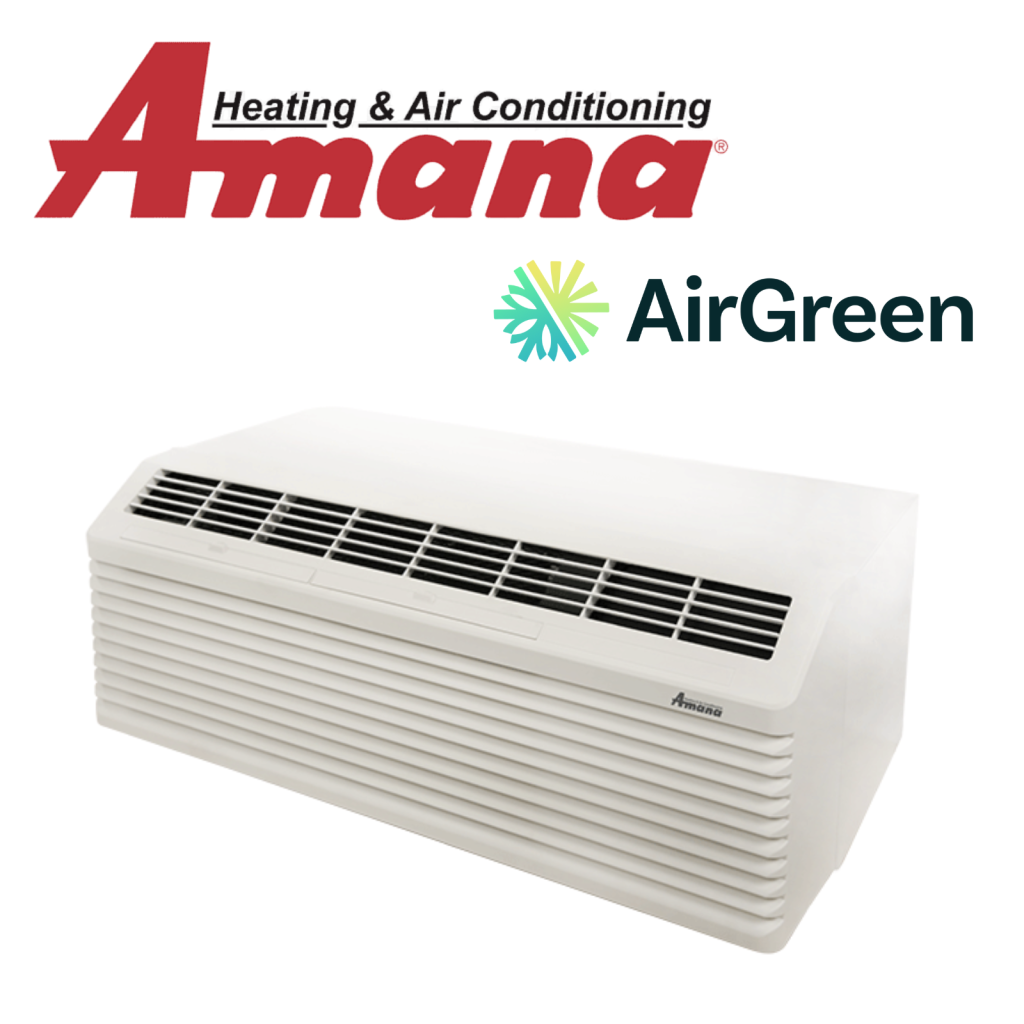
Have you ever wondered how some buildings keep you cool without bulky window units or noisy central systems? That’s where a PTAC air conditioner comes in.
If you’re looking for an efficient, space-saving way to control the temperature in your room, understanding what a PTAC unit is can make all the difference. You’ll discover exactly how a PTAC air conditioner works, why it might be the perfect fit for your space, and how it can bring comfort right where you need it.
Keep reading to find out how this powerful yet compact solution could change the way you stay cool.
Ptac Air Conditioner Basics
A PTAC air conditioner is a self-contained heating and cooling unit. It is often used in hotels, apartments, and offices. These units are installed through an exterior wall.
PTAC stands for Packaged Terminal Air Conditioner. They provide easy temperature control for individual rooms.
Key Features
PTAC units have several features that make them popular for small spaces. They combine heating and cooling in one device. The units are compact and easy to install.
- Self-contained system with no need for ductwork
- Installed through exterior walls for direct outside air access
- Individual room control for heating and cooling
- Energy-efficient models available
- Easy to maintain and replace
How Ptac Units Work
A PTAC unit works by cycling air between the inside and outside. It has a compressor, condenser, and evaporator inside the unit. Air is drawn in from the room and cooled or heated.
| Component | Function |
| Compressor | Compresses refrigerant to move heat |
| Condenser | Releases heat outside when cooling |
| Evaporator | Absorbs heat from inside air |
| Fan | Moves air over coils and into the room |

Credit: www.master.ca
Types Of Ptac Air Conditioners
Ptac air conditioners are popular for heating and cooling single rooms. They fit through walls and are easy to install. There are different types of Ptac units to meet various needs.
This article explains two main types of Ptac air conditioners. They are electric Ptac units and heat pump Ptac units. Each type works differently and suits different climates.
Electric Ptac Units
Electric Ptac units use electric resistance to heat air. They cool rooms by removing heat and moisture from inside. These units are simple and reliable. They work well in places that need strong heating.
- Heating by electric resistance
- Cooling with a refrigerant system
- Easy to maintain
- Ideal for cold climates
- Does not require outdoor unit
Heat Pump Ptac Units
Heat pump Ptac units move heat instead of creating it. They can both heat and cool a room efficiently. These units save energy in mild climates. They use a refrigerant system for both heating and cooling.
| Feature | Heat Pump Ptac Units |
| Heating Method | Heat transfer using refrigerant |
| Cooling Method | Refrigerant cooling system |
| Energy Efficiency | High in mild climates |
| Outdoor Unit | Usually required |
| Best Use | Moderate temperature areas |
Benefits Of Ptac Air Conditioners
Ptac air conditioners are a popular choice for cooling rooms in hotels, apartments, and offices. They are built into walls and provide both heating and cooling functions.
These units offer several benefits that make them practical and convenient for many spaces. Understanding these advantages helps in choosing the right air conditioner.
Energy Efficiency
Ptac air conditioners use less energy compared to some other cooling systems. This helps lower electricity bills and reduces environmental impact.
Many Ptac units come with energy-saving features like programmable thermostats and efficient compressors.
- Consumes less power during operation
- Allows temperature control for energy savings
- Reduces overall carbon footprint
Space-saving Design
Ptac air conditioners fit into walls, saving floor space. This design makes rooms look less cluttered and more open.
The compact size is ideal for small rooms or areas where space is limited.
- Built into walls, not taking floor space
- Leaves more room for furniture and movement
- Good for small rooms and tight spaces
Easy Installation
Installing Ptac air conditioners is faster and simpler than many central air systems. They do not need complex ductwork.
This ease of installation saves time and reduces labor costs.
- Fits into existing wall sleeves
- No need for duct systems
- Quick setup with minimal disruption
Common Ptac Applications
Ptac air conditioners are popular for cooling and heating in many buildings. They are easy to install and control each room separately.
This makes Ptacs a good choice for places where people stay for short or long times. Below are common uses of Ptac units.
Hotels And Motels
Hotels and motels use Ptac units to give guests personal comfort. Each room has its own air conditioner. This helps save energy because only used rooms get cooled or heated.
Apartments And Condos
Ptacs are common in apartments and condos. They allow residents to control temperature in their own homes. Owners like Ptacs because they are compact and need little space.
- Easy to install in each unit
- Individual temperature control
- Lower maintenance costs
- Good for small to medium rooms
Commercial Spaces
Many commercial buildings use Ptacs for offices, shops, and small work areas. They fit well in spaces that need separate temperature zones.
| Type of Space | Why Ptac Works Well |
| Offices | Controls temperature per room |
| Retail Shops | Compact and easy to install |
| Small Warehouses | Simple to maintain and operate |
Ptac Vs Other Air Conditioners
Packaged Terminal Air Conditioners (PTAC) are common in hotels and apartments. They cool single rooms and fit through walls. This makes them different from other air conditioners.
Understanding how PTAC units compare to central air, window units, and split systems helps you pick the right cooling option.
Vs Central Air
Central air systems cool entire homes or buildings using ducts. PTAC units cool only one room. Central air needs space for ductwork. PTACs do not need ducts.
- Central air is quieter as the compressor is outside.
- PTAC units can be noisier because they are inside the wall.
- Central air usually costs more to install.
- PTACs are cheaper and easier to install.
- Central air offers even cooling throughout the home.
- PTAC units only cool the room they are in.
Vs Window Units
Window air conditioners fit in a window frame. PTACs fit through a wall. Both cool single rooms. PTACs often have heating options too.
| Feature | PTAC Unit | Window Unit |
| Installation | Wall sleeve needed | Fits in window |
| Noise Level | Moderate | Can be loud |
| Heating Option | Often included | Rarely included |
| Security | More secure | Less secure |
| Size | Compact | Varies |
Vs Split Systems
Split systems have an outdoor compressor and indoor air handler. PTAC units combine all parts in one unit. Split systems are quieter inside.
Advantages of Split Systems over PTAC:
- Quieter operation inside rooms
- Better energy efficiency
- More flexible installation options
Advantages of PTAC over Split Systems:
- Easier to install in existing walls
- No outdoor unit needed
- Includes heating and cooling in one box
Maintenance Tips For Ptac Units
Ptac air conditioners need care to work well all year. Good maintenance helps them cool rooms efficiently.
Following some simple tips can keep your Ptac unit running longer and save money on repairs.
Regular Cleaning
Clean your Ptac unit often to remove dust and dirt. Dust blocks airflow and lowers cooling power.
Use a soft brush or vacuum to clean the front grille and vents. Wipe down the outside with a damp cloth.
- Turn off power before cleaning
- Remove dust from vents and grills
- Keep area around unit free of debris
Filter Replacement
Filters catch dust and dirt inside the Ptac unit. Dirty filters reduce airflow and damage the system.
Check filters every month. Replace or clean them as the manufacturer suggests to keep air clean and fresh.
- Remove filter carefully
- Clean reusable filters with water and dry completely
- Replace disposable filters on schedule
Professional Servicing
Have a professional inspect your Ptac unit yearly. They check parts you cannot see or reach.
Technicians clean coils, check refrigerant levels, and test electrical components. This keeps your unit safe and efficient.
- Schedule service before cooling season
- Ask for a full system inspection
- Fix small problems early to avoid big repairs
Choosing The Right Ptac Unit
Ptac air conditioners are popular for cooling and heating rooms. Picking the right unit helps save energy and money. Knowing what to look for makes choosing easier.
This guide covers important points like sizing, energy ratings, and budget. These help you find a Ptac unit that fits your needs well.
Sizing Considerations
Choosing the correct size for a Ptac unit is key. A unit that is too small will not cool or heat properly. A unit that is too large uses more energy and costs more.
- Measure the room’s square footage
- Consider ceiling height and insulation
- Account for the number of windows and sunlight
- Think about the room’s purpose and occupancy
Energy Ratings
Energy ratings show how efficiently a Ptac unit works. Higher ratings mean lower electricity bills. Look for Energy Star labels or similar certifications.
| Rating Type | What It Means | Why It Matters |
| SEER | Seasonal Energy Efficiency Ratio | Higher SEER means better cooling efficiency |
| HSPF | Heating Seasonal Performance Factor | Higher HSPF means better heating efficiency |
| Energy Star | Certification for efficient units | Units save energy and reduce costs |
Budget And Features
Set a budget before shopping for a Ptac unit. Prices vary based on size, brand, and features. Some features add comfort and control but may cost more.
- Basic models provide standard cooling and heating
- Units with timers help save energy
- Remote controls add convenience
- Noise levels differ; quieter units cost more
- Look for warranty and service options
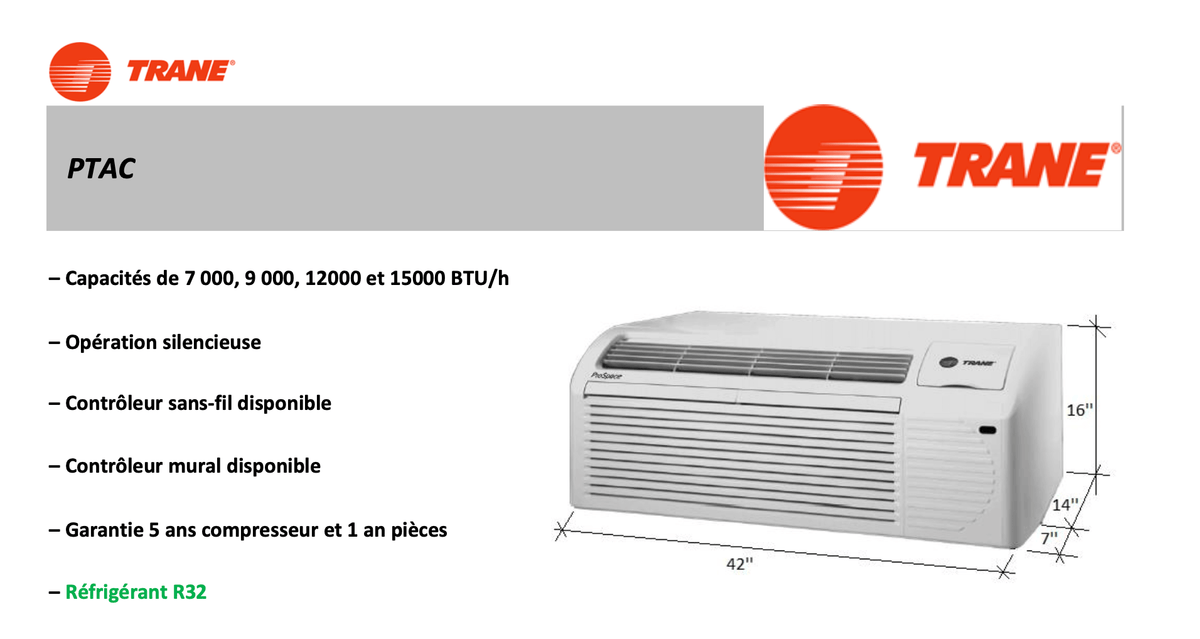
Credit: airgreen.ca
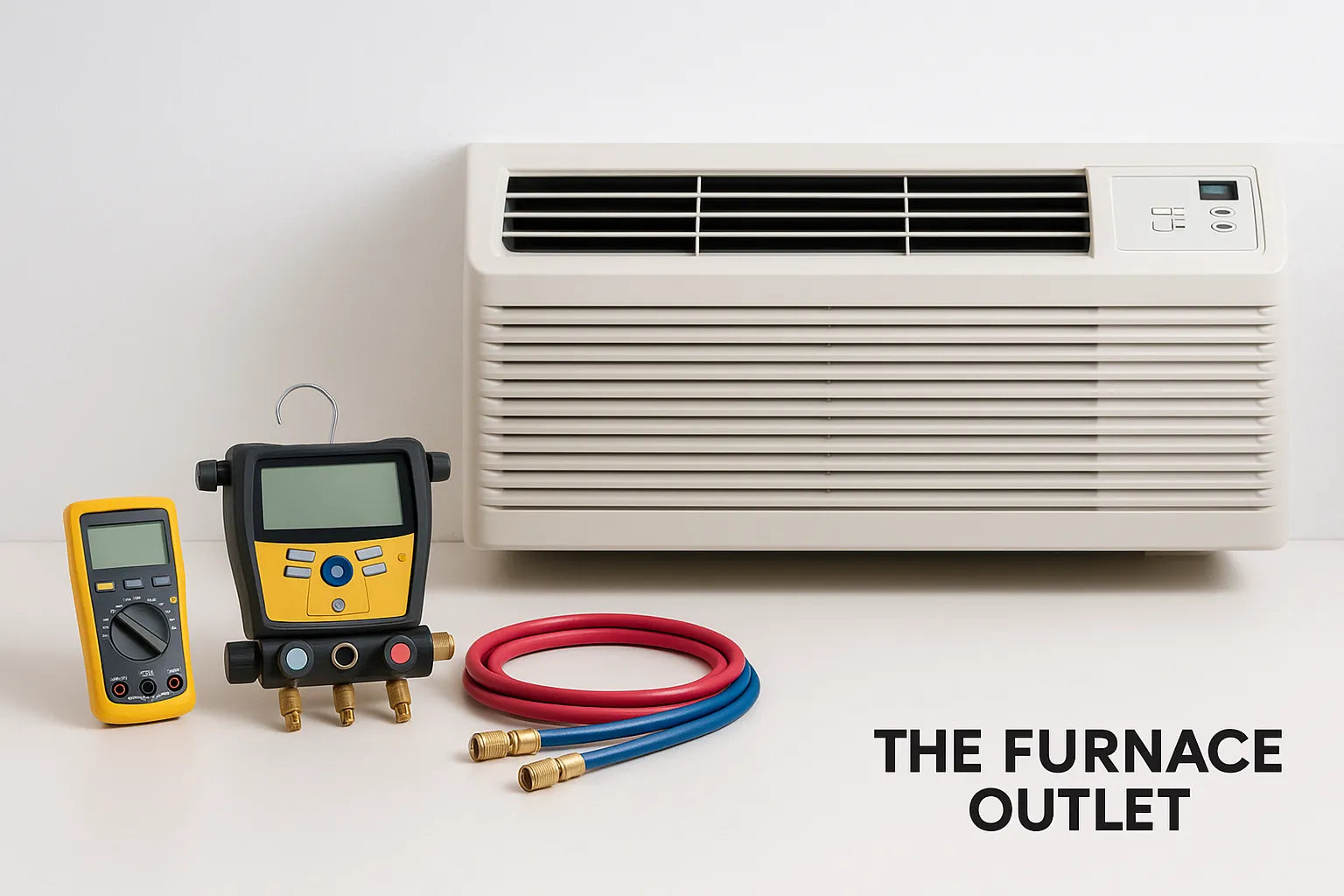
Credit: thefurnaceoutlet.com
Frequently Asked Questions
What Is A Ptac Air Conditioner Used For?
A PTAC air conditioner is used to cool or heat individual rooms. It is common in hotels, apartments, and offices. PTAC units are self-contained and installed through a wall, making them space-efficient and easy to maintain.
How Does A Ptac Air Conditioner Work?
A PTAC air conditioner works by drawing in outside air and cooling or heating it. It uses a refrigerant cycle to transfer heat. The unit exhausts warm air outside while circulating conditioned air inside the room.
What Are The Benefits Of Ptac Units?
PTAC units offer easy installation, individual room control, and energy efficiency. They save space and reduce maintenance costs. These units are ideal for buildings needing flexible temperature settings for separate rooms.
How To Maintain A Ptac Air Conditioner?
Regularly clean or replace filters to ensure airflow. Check for refrigerant leaks and clean the coils annually. Proper maintenance keeps the unit efficient and extends its lifespan.
Conclusion
PTAC air conditioners offer a simple way to cool small spaces. They fit well in hotels, apartments, and offices. These units save space and work quietly. You can easily control the temperature for comfort. Installation is quick and does not need much effort.
Choosing a PTAC unit helps keep rooms cool and fresh. They provide reliable cooling without complicated systems. Consider a PTAC if you want easy, effective air conditioning. A smart choice for many needs.