Have you ever set up your tent only to find the ground underneath rough, wet, or full of sharp rocks? That’s where a tent footprint can make all the difference.
But what exactly is a tent footprint, and why should you care about it? If you want to protect your tent’s floor, stay dry, and make your camping experience more comfortable, understanding footprints is key. Keep reading, and you’ll discover how this simple piece of gear can save you time, money, and frustration on your next adventure.

Credit: www.amazon.com
Purpose Of A Tent Footprint
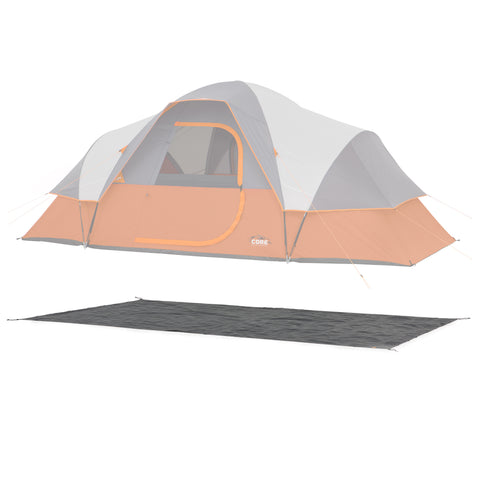
A tent footprint is a protective groundsheet used under a tent. It fits the tent’s floor size and shape.
The footprint helps protect the tent and makes camping more comfortable.
Protecting Tent Floor
The footprint shields the tent floor from sharp rocks, sticks, and dirt. This prevents holes and tears.
It also keeps the tent floor clean and dry. This helps keep the tent in good condition.
Extending Tent Life
Using a footprint reduces wear and tear on the tent floor. This helps the tent last longer.
The footprint takes most of the damage instead of the tent. It saves money by avoiding repairs.
Improving Comfort
The footprint adds an extra layer between the ground and tent. This helps keep moisture out.
It also adds a bit of cushioning. This makes sleeping inside the tent more comfortable.
Types Of Tent Footprints
Tent footprints protect your tent floor from damage. They also add an extra layer between your tent and the ground.
Choosing the right footprint can extend the life of your tent. There are different types to consider.
Custom Vs Universal
Custom footprints are made for specific tent models. They offer a perfect fit and cover the exact area of your tent floor.
- Custom footprints ensure full coverage
- Universal footprints fit many tent types
- Universal options may require folding or trimming
Materials Used
Tent footprints are made from various materials. Common choices include polyester and nylon. Each material has its own benefits.
| Material | Durability |
| Polyester | High |
| Nylon | Medium |
| Polyethylene | Very High |
Weight And Packability
Weight is a key factor when backpacking. Lightweight footprints are easy to carry. Packability affects how the footprint fits in your gear.
Consider the size of your backpack. Choose a footprint that packs small for ease of travel.
Choosing The Right Footprint
A tent footprint is a protective layer that goes under your tent. It helps keep the tent floor clean and dry. Choosing the right footprint can extend your tent’s life and improve camping comfort.
Not all footprints fit every tent or situation. Consider your tent size, the terrain, and the weather to pick the best one for your needs.
Matching Tent Size
Pick a footprint that matches your tent’s floor size. A footprint too small leaves parts of the tent unprotected. A footprint too large can collect water under the tent.
- Measure the tent floor area before buying a footprint
- Choose a footprint slightly smaller or the same size as the tent floor
- A footprint that fits well prevents water pooling under your tent
Considering Terrain
The ground type affects the footprint material and thickness you need. Rough or rocky terrain needs a thicker, tougher footprint. Soft ground may need lighter material to avoid moisture buildup.
| Terrain Type | Recommended Footprint |
| Rocky or Sharp Ground | Thick, durable material |
| Soft or Sandy Soil | Lightweight, water-resistant fabric |
| Wet or Muddy Areas | Waterproof and easy to clean |
Weather Conditions
Weather affects footprint choice. Rain and snow call for waterproof materials. In dry climates, breathability may be more important to reduce condensation.
- Use waterproof footprints in wet weather
- Choose breathable fabrics in dry, warm conditions
- Check if the footprint resists cold and snow if camping in winter

Credit: www.coreequipment.com
How To Use A Tent Footprint
A tent footprint is a protective groundsheet placed under your tent. It helps keep the tent floor clean and dry.
Using a footprint can extend your tent’s life by reducing wear and tear from rough ground.
Setting Up
Lay the footprint flat on the ground before setting up your tent. Make sure it matches your tent’s size and shape.
Align the footprint so it covers the entire tent floor area. This prevents dirt and moisture from reaching the tent.
Securing The Footprint
Secure the footprint to the ground using stakes or pegs. This stops it from moving in the wind.
Place your tent on top of the footprint and stake the tent corners through the footprint’s holes if available. This keeps both layers together.
- Use stakes designed for your tent footprint
- Check that all corners are tight and secure
- Adjust stakes if the footprint shifts
Maintenance Tips
Clean the footprint after every use to remove dirt and debris. Use a soft brush and mild soap.
Dry the footprint completely before storing it. This prevents mold and damage.
- Inspect for holes or tears regularly
- Repair small holes with patch kits
- Store in a cool, dry place away from direct sunlight
Benefits Of Using A Footprint
A tent footprint is a groundsheet that goes under your tent. It fits the tent’s floor size exactly. This extra layer offers many benefits for campers.
Using a footprint can protect your tent and improve your camping experience. It is a simple tool that makes a big difference outdoors.
Protection From Moisture
A footprint acts as a shield between the wet ground and your tent floor. It stops water from seeping in. This keeps your tent dry inside.
The footprint prevents damage caused by damp soil. This helps avoid mold and mildew growth on your tent floor.
Ease Of Cleaning
Cleaning a footprint is easier than cleaning your tent floor. You can remove dirt and mud from the footprint quickly. This keeps your tent cleaner during camping.
It saves time and effort. You just shake off the dirt or hose it down before packing up.
Enhanced Insulation
A footprint adds a small layer of insulation between you and the ground. This can keep your tent floor warmer in cold weather. It helps reduce heat loss through the bottom of your tent.
The extra layer also cushions the tent floor. This makes sleeping more comfortable by softening hard or rocky ground.
Common Mistakes To Avoid
Using a tent footprint protects your tent floor and adds comfort. Many campers make mistakes that reduce the footprint’s benefits. Avoid these errors to keep your gear safe and dry.
Learn about common mistakes with tent footprints. Fixing these helps your camping experience be better and your equipment last longer.
Using Wrong Size
Choosing the wrong size footprint can cause problems. If it is too small, your tent floor may touch the ground and get damaged. If it is too big, water can collect under your tent.
- Do not pick a footprint smaller than your tent floor.
- A footprint larger than the tent floor should not extend beyond the edges.
- Measure your tent floor before buying a footprint.
- Check the footprint size in product details carefully.
Ignoring Footprint Care
Many campers forget to clean and dry their footprints. Dirt and moisture left on the footprint reduce its life. Store the footprint dry and clean to avoid mold and tears.
| Care Tip | What to Do |
| After Camping | Shake off dirt and debris |
| Cleaning | Wash gently with mild soap and water |
| Drying | Air dry completely before storage |
| Storage | Keep in a cool, dry place away from sunlight |
Skipping Footprint In Harsh Conditions
Some skip using footprints in tough weather or rocky spots. This mistake can cause tent floor damage and leaks. Footprints add a strong barrier in harsh conditions.
Reasons to use a footprint in harsh conditions:
- Protects against sharp rocks and sticks
- Prevents moisture from seeping in
- Increases tent floor durability
- Keeps tent clean and easier to pack

Credit: altongoods.com
Frequently Asked Questions
What Is A Tent Footprint Used For?
A tent footprint protects the tent floor from damage and moisture. It extends the tent’s life by preventing wear from rocks, dirt, and water. It also adds extra insulation and helps keep the tent clean during camping.
How Does A Tent Footprint Improve Camping?
A tent footprint adds a barrier between the ground and the tent. This prevents punctures and moisture seepage, keeping the tent dry and comfortable. It also makes setup easier and helps maintain tent durability in rough terrain.
Can I Use Any Tarp As A Tent Footprint?
While any tarp can work, a tent footprint is tailored to fit your tent’s dimensions. This ensures full coverage without excess material that can collect water. Proper fit improves protection and prevents tripping hazards.
Does A Tent Footprint Add Weight To My Gear?
Tent footprints are lightweight and compact. They add minimal weight but provide significant protection and durability for your tent. Most footprints weigh less than a pound, making them ideal for backpacking and camping.
Conclusion
A tent footprint protects your tent’s floor from damage. It keeps dirt and moisture away. Using a footprint helps your tent last longer. It also makes packing up easier. Choose a footprint that fits your tent size well. This small gear can improve your camping experience a lot.
Simple, but very useful. Consider adding one to your camping checklist. It saves time and effort on every trip.