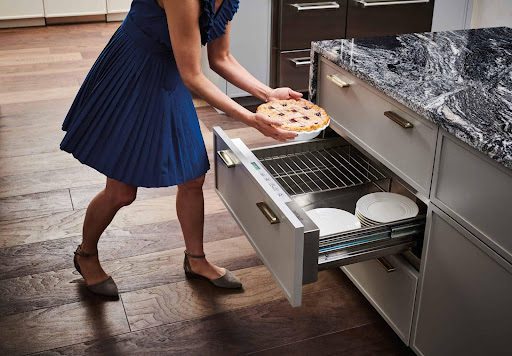
Have you ever wished your meals stayed warm and ready to serve, without drying out or getting cold? That’s exactly what a warming drawer can do for you.
Imagine pulling out perfectly heated dishes whenever you want, making family dinners or parties much easier and more enjoyable. If you’re curious about how this clever kitchen gadget works and why it might be the missing piece in your cooking routine, keep reading.
You’re about to discover everything you need to know about warming drawers—and how they can change the way you cook and serve food.
What Is A Warming Drawer
A warming drawer is a kitchen appliance used to keep food warm. It helps maintain the temperature of cooked dishes until they are ready to serve.
Warming drawers are built into kitchen cabinets or can be standalone units. They provide gentle heat without cooking the food further.
Basic Functionality
The main job of a warming drawer is to keep food warm at a consistent temperature. It uses low heat to avoid drying or overcooking the food.
- Maintains food temperature after cooking
- Prevents food from cooling too quickly
- Allows flexible serving times
- Keeps dishes ready for guests
Common Features
| Feature | Description |
| Temperature Control | Adjustable heat settings to suit different foods |
| Timer | Allows setting how long the drawer stays warm |
| Capacity | Varies by model; holds plates, bowls, or pans |
| Design | Built-in or freestanding with sleek finishes |
| Safety | Cool-to-touch surfaces to prevent burns |
Types Of Warming Drawers
Warming drawers keep food warm until you are ready to serve. They come in different styles and sizes. Choosing the right type depends on your kitchen setup and needs.
This guide explains the main types of warming drawers. It covers built-in versus portable models and size options you can find.
Built-in Vs Portable
Built-in warming drawers fit into your kitchen cabinets. They blend with your kitchen design. Portable warming drawers can be moved and placed on counters.
- Built-in:Installed under the countertop or in wall cabinets.
- Portable:Compact and easy to move around your kitchen.
- Built-in:Usually more expensive but look seamless.
- Portable:More affordable and flexible in placement.
Size And Capacity Options
Warming drawers come in various sizes. Some are small for single dishes. Others are large enough to hold many plates or big pans.
| Size | Width (inches) | Capacity | Best For |
| Small | 12-15 | 1-2 plates | Small kitchens, single meals |
| Medium | 16-24 | 3-6 plates | Families, everyday use |
| Large | 25-30+ | More than 6 plates | Entertaining, big meals |
Benefits In The Kitchen
A warming drawer is a kitchen appliance that keeps food warm until serving time. It helps maintain food temperature without drying it out.
Many kitchens use warming drawers to improve meal preparation and timing. They add convenience and flexibility to cooking routines.
Keeping Food Warm
A warming drawer holds cooked food at a safe, warm temperature. This stops food from cooling down before you eat. It also keeps dishes fresh and ready.
- Prevents food from getting cold quickly
- Maintains moisture in cooked meals
- Stops overcooking by holding food gently
- Keeps plates warm for better presentation
Enhancing Meal Timing
Warming drawers help with meal timing by allowing flexibility. You can cook dishes ahead and keep them warm until everyone is ready to eat.
| Benefit | Description |
|---|---|
| Flexible Serving | Hold food warm for late guests without loss of quality |
| Meal Coordination | Keep multiple dishes ready to serve at the same time |
| Reduced Stress | Prepare food early and avoid rushing at mealtime |
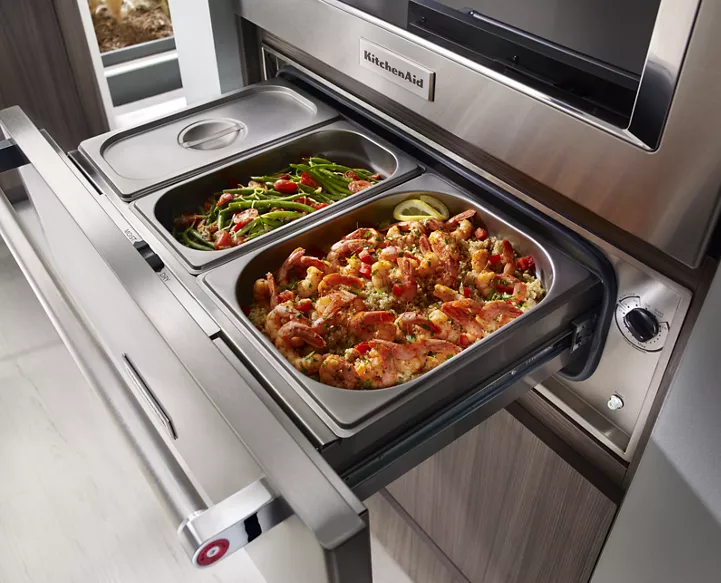
Multipurpose Uses
Warming drawers are not only for food. They have many uses that add value in the kitchen.
- Proof bread dough by keeping it warm and moist
- Melt chocolate or butter gently without burning
- Warm plates and dishes before serving
- Keep beverages like coffee or tea warm for longer
Credit: www.kitchenaid.com
How To Use A Warming Drawer
A warming drawer keeps food warm until you are ready to serve. It helps maintain the right temperature without drying the food out. Using it correctly can improve your meal experience.
Here are simple tips on temperature settings, suitable food items, and safety precautions for your warming drawer.
Temperature Settings
Most warming drawers have temperature controls ranging from low to high. Choose the right setting to keep food warm without cooking it further.
| Setting | Temperature Range | Use |
| Low | 80°F – 140°F (27°C – 60°C) | Keep food warm gently |
| Medium | 140°F – 170°F (60°C – 77°C) | Keep food hot and ready |
| High | 170°F – 200°F (77°C – 93°C) | Heat food quickly or keep very hot |
Suitable Food Items
Use the warming drawer for foods that stay moist and taste good when kept warm. Avoid items that dry out or lose texture.
- Cooked vegetables
- Soups and stews in covered containers
- Breads and rolls
- Meats like roasted chicken or beef
- Cheese plates and dips
Safety Tips
Keep safety in mind when using a warming drawer. Follow these guidelines to avoid accidents and food spoilage.
- Do not place raw or perishable foods directly inside the drawer.
- Use heat-proof containers that fit well inside the drawer.
- Keep the drawer clean to avoid odors and bacteria.
- Check food temperature before serving to ensure it is safe.
- Turn off the drawer when not in use to save energy.
Installation And Maintenance
A warming drawer keeps food warm until you are ready to serve. Proper installation and care help it work well for years. This guide covers key points about placing, cleaning, and fixing common problems.
Follow these simple tips to install your warming drawer correctly and maintain it easily. This will help you enjoy warm meals without hassle.
Placement Considerations
Choose the right spot for your warming drawer to ensure safe use and good performance. It should fit well with your kitchen layout and be easy to reach.
- Install near your cooking area for quick access
- Ensure proper ventilation around the drawer
- Avoid spots near water sources to prevent damage
- Check electrical outlet placement for power connection
- Leave enough space for the drawer to open fully
Cleaning Tips
Regular cleaning keeps your warming drawer safe and efficient. Use gentle methods to avoid damage to the heating elements and surfaces.
- Unplug the drawer before cleaning
- Use a soft cloth with mild soap and water
- Wipe the interior and exterior surfaces carefully
- Remove crumbs and spills immediately to avoid buildup
- Do not use harsh chemicals or abrasive pads
- Dry all parts thoroughly before plugging back in
Troubleshooting Common Issues
If your warming drawer does not heat or work properly, check these points before calling a technician.
| Problem | Possible Cause | Solution |
| Drawer not heating | Power supply issue | Check plug and outlet connection |
| Uneven heating | Blocked vents or dirty heating elements | Clean vents and drawer interior |
| Drawer won’t open | Obstruction or faulty latch | Clear obstruction or inspect latch mechanism |
| Strange smells | Food spills or burnt residue | Clean drawer thoroughly after use |
Popular Brands And Models
A warming drawer is a kitchen appliance. It keeps food warm before serving. Many brands offer different models with unique features. Choosing the right one depends on your needs.
Some popular brands include Bosch, KitchenAid, and GE. Each brand offers models with various sizes and features. Let’s explore what to consider when buying a warming drawer.
Top Features To Look For
When buying a warming drawer, look for features that match your needs. Some important features include adjustable temperature settings and humidity control.
Consider the drawer’s capacity and ease of cleaning. A large capacity is good for big meals. Easy-to-clean surfaces save time in the kitchen.
- Adjustable temperature settings
- Humidity control
- Large capacity
- Easy-to-clean surfaces
Price Ranges
Warming drawer prices vary by brand and features. Basic models start at around $300. High-end models can cost over $1,000.
Consider your budget and needs before buying. More features usually mean a higher price. Decide which features are essential for you.
| Basic Models | $300 – $500 |
| Mid-Range Models | $500 – $800 |
| High-End Models | $800 and above |
Comparing Warming Drawers To Other Appliances
Warming drawers are versatile kitchen tools. They keep food warm without cooking it further. They also help in proofing dough and warming plates.
Understanding how warming drawers compare to other appliances helps in choosing the right tool for your needs. Below, we compare warming drawers to ovens and slow cookers.
Warming Drawers Vs Ovens
Ovens can keep food warm, but they often cook it further. Warming drawers maintain the temperature without further cooking. This is ideal for keeping food ready to serve.
Ovens are larger and use more energy. Warming drawers are more energy-efficient and compact. They fit under counters, making them a space-saving option.
- Warming drawers maintain temperature without cooking
- Ovens can overcook food if used for warming
- Warming drawers are more energy-efficient
- Ovens take up more space
Warming Drawers Vs Slow Cookers
Slow cookers are used for cooking food slowly over time. They are great for stews and soups. Warming drawers keep cooked food at serving temperature without continuing to cook it.
Slow cookers need more time and planning. Warming drawers are ready when you need them. They are great for busy households with varied meal times.
- Slow cookers are for cooking over time
- Warming drawers keep food ready to serve
- Warming drawers are more flexible for meal times
- Slow cookers require more planning
Credit: www.kitchenaid.com

Credit: uakc.com
Frequently Asked Questions
What Is A Warming Drawer Used For?
A warming drawer keeps food warm until serving. It maintains ideal temperatures without cooking further. It also softens butter and warms dishes or plates for meals.
How Does A Warming Drawer Work?
A warming drawer uses low heat and moisture control. It evenly distributes gentle warmth to keep food at serving temperature. This prevents drying or overcooking while preserving texture.
Can A Warming Drawer Replace An Oven?
No, a warming drawer cannot replace an oven. It only keeps food warm. It does not bake, roast, or cook food like an oven.
Are Warming Drawers Energy Efficient?
Yes, warming drawers use less energy than ovens. They operate at lower temperatures and for shorter periods. This makes them an energy-saving option for keeping food warm.
Conclusion
A warming drawer keeps food warm without drying it out. It helps serve meals at the right temperature. This kitchen tool saves time and makes cooking easier. You can use it for plates, bread, or cooked dishes. It fits well in many kitchens and adds convenience.
Understanding what a warming drawer does can improve your cooking routine. Consider adding one if you want warm meals ready when you need them. Simple, useful, and practical—this appliance fits many homes.