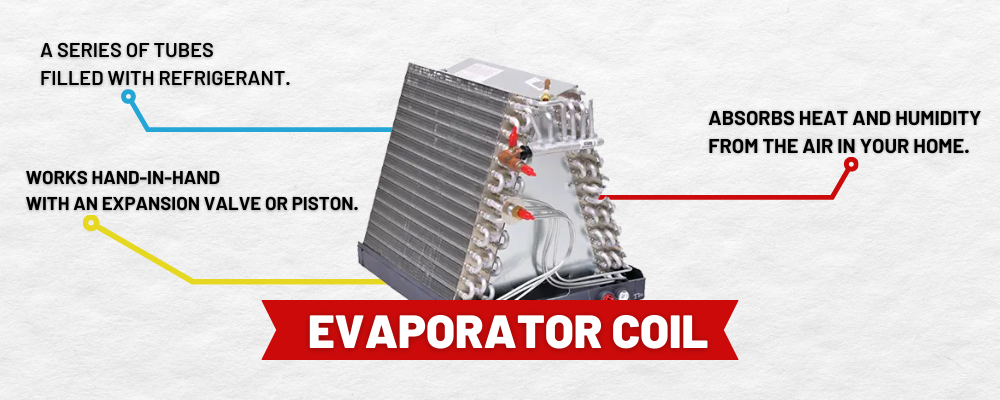
Have you ever wondered what makes your air conditioner cool the air so efficiently? The secret lies in a small but powerful part called the air conditioner coil.
Understanding what an air conditioner coil is and how it works can help you keep your system running smoothly and save you money on repairs. You’ll discover exactly what this coil does, why it’s important for your comfort, and simple tips to maintain it.
Keep reading to unlock the key to better cooling in your home.
Credit: medium.com
Air Conditioner Coil Basics
An air conditioner coil is a key part of the cooling system. It helps move heat and cool the air inside your home.
Understanding the coil helps you know how your air conditioner works and why it is important to keep it clean.
Types Of Coils
There are two main types of air conditioner coils. Each type plays a different role in cooling your home.
- Evaporator Coil: This coil absorbs heat from inside the home. It cools the air by evaporating refrigerant.
- Condenser Coil: This coil releases heat outside. It cools the refrigerant so it can cycle back inside.
Coil Materials
Coils are made from materials that transfer heat well. These materials also resist corrosion to last longer.
| Material | Benefits | Common Use |
| Copper | Good heat transfer, easy to shape | Evaporator and condenser coils |
| Aluminum | Lightweight, resists corrosion | Condenser coils and fins |
| Steel | Strong but less efficient for heat | Some coil frames and supports |
How Coils Work
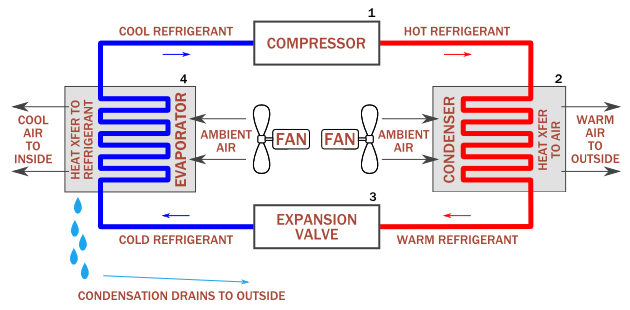
Air conditioner coils work by moving heat from one place to another. This process cools the air inside your home.
The cooling cycle works like this:
- Warm air from inside passes over the evaporator coil.
- The coil’s cold refrigerant absorbs heat from the air.
- The refrigerant carries heat to the condenser coil outside.
- The condenser coil releases heat into the outside air.
- The refrigerant cools down and returns inside to start again.
Credit: www.logan-inc.com
Role Of Coils In Cooling
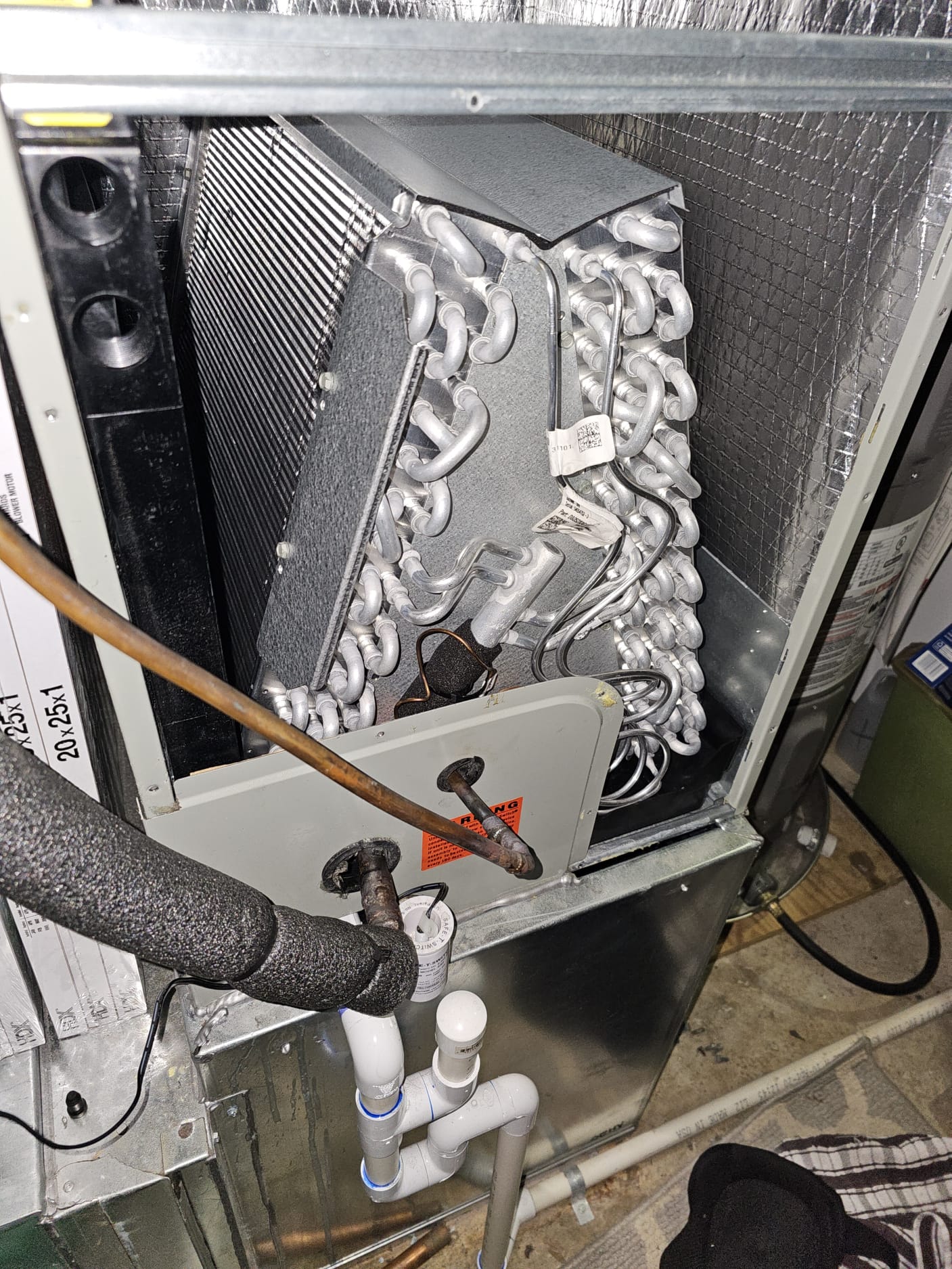
An air conditioner coil is a key part of the cooling system. It helps move heat out of the air inside your home. The coil works with other parts to keep the air cool and fresh.
Coils come in two types: evaporator coils and condenser coils. Each type plays a special role in the cooling cycle. Understanding how they work helps explain why your air conditioner cools the air.
Heat Exchange Process
The coil is where the air conditioner changes heat from one place to another. The evaporator coil absorbs heat from inside the home. The condenser coil releases heat outside. This heat exchange cools the air indoors.
- The evaporator coil holds cold refrigerant that absorbs heat from indoor air.
- Warm air from the house passes over the cold coil and loses heat.
- The refrigerant carries the heat to the condenser coil outside.
- The condenser coil releases heat to the outside air.
- The cooled refrigerant returns to the evaporator coil to repeat the cycle.
Impact On System Performance
The coil condition affects how well the air conditioner cools. Dirty or damaged coils reduce airflow and heat transfer. This makes the system work harder and use more energy.
| Coil Condition | Effect on Cooling | Energy Use |
|---|---|---|
| Clean and well-maintained | Efficient heat exchange | Low energy consumption |
| Dirty or blocked | Poor heat transfer | High energy consumption |
| Damaged or corroded | Leaks and reduced cooling | Very high energy use |
Signs Of Coil Issues
The air conditioner coil plays a key role in cooling your home. It helps remove heat from the air. When the coil has problems, the AC may not work well.
Recognizing coil issues early can save you from costly repairs. Look for clear signs that the coil needs attention.
Common Coil Problems
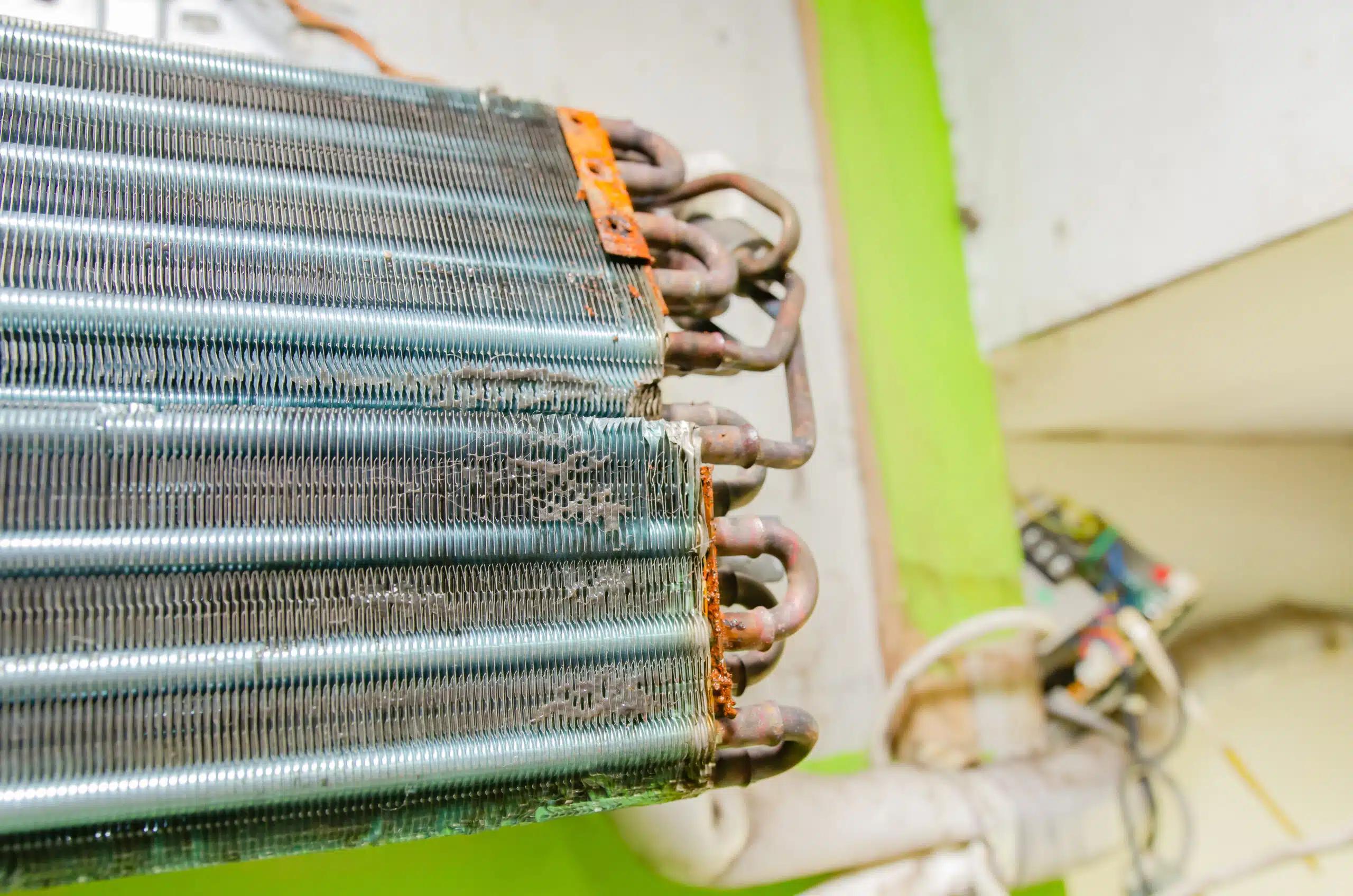
Coils can face many issues such as dirt build-up, leaks, and corrosion. These problems stop the coil from working properly.
- Dirt and Debris:Dust and grime cover the coil, reducing airflow.
- Leaking Refrigerant:Small holes cause refrigerant loss, weakening cooling.
- Corrosion:Rust damages coil surfaces, leading to leaks and poor heat exchange.
- Frozen Coils:Blockages or low refrigerant cause the coil to freeze, stopping cooling.
Effects On Cooling Efficiency
When the coil has problems, the air conditioner works harder but cools less. This raises energy bills and shortens AC life.
| Problem | Effect on Cooling | Energy Impact |
|---|---|---|
| Dirt and Debris | Blocks airflow, lowers cooling power | Increases energy use |
| Leaking Refrigerant | Reduces cooling capacity | Causes higher electricity bills |
| Corrosion | Leads to refrigerant leaks and poor heat transfer | Forces AC to run longer |
| Frozen Coils | Stops cooling until thawed | Consumes extra energy |
Credit: icebergcooling.com
Maintaining Air Conditioner Coils
Air conditioner coils help cool your home by absorbing heat. Keeping these coils clean improves your AC’s performance.
Dirty coils reduce cooling efficiency and increase energy use. Regular care can extend the life of your AC unit.
Cleaning Techniques
Clean coils remove dirt and debris that block airflow. Use gentle tools and cleaners to avoid damage.
Turn off power before cleaning. Use a soft brush or vacuum to clear dust. A coil cleaner spray can help remove grease.
- Remove loose dirt with a soft brush
- Vacuum coil fins carefully to avoid bending
- Apply coil cleaner spray and rinse with water
- Let coils dry completely before turning on power
Preventive Maintenance Tips
Regular checks stop coil problems early. Inspect coils every few months for dirt and damage.
Change air filters often to prevent dirt buildup. Keep the area around the AC unit clean and clear of debris.
- Inspect coils every 3 months
- Replace air filters monthly or as recommended
- Keep plants and debris away from outdoor units
- Schedule professional AC service yearly
Upgrading And Replacing Coils
An air conditioner coil is a key part of your cooling system. It helps cool the air by absorbing heat. Over time, coils can wear out or get damaged. Upgrading or replacing coils can improve your air conditioner’s efficiency.
Knowing when to replace coils and how to choose the right one can save money and keep your home cool. This guide will explain the signs and choices for coil replacement.
When To Replace Coils
Coils usually last many years but may need replacement if they are damaged or old. Look for signs like poor cooling or leaks. Dirty coils can be cleaned, but broken coils need replacement.
- The air conditioner cools less than before
- Ice forms on the coils
- There is a refrigerant leak
- Coils are rusted or damaged
- Energy bills rise without a clear reason
Choosing The Right Coil
Choose a coil that fits your air conditioner model. Different systems use different coil sizes and types. Using the right coil keeps your system efficient and prevents damage.
- Match the coil size to your unit
- Pick a coil made from durable materials
- Consider coils with better heat transfer
- Check compatibility with your refrigerant type
- Ask a professional if unsure about the choice
Frequently Asked Questions
What Is The Function Of An Air Conditioner Coil?
An air conditioner coil absorbs heat from indoor air. It cools the air by transferring heat to the refrigerant. This process helps maintain a comfortable indoor temperature efficiently.
How Does An Air Conditioner Coil Work?
The coil allows refrigerant to absorb heat from warm air. The refrigerant then moves heat outside, cooling the indoor environment. This heat exchange is essential for air conditioning.
What Are The Types Of Air Conditioner Coils?
There are two main types: evaporator coils and condenser coils. Evaporator coils absorb heat from inside air, while condenser coils release heat outside. Both are critical for the AC cycle.
Why Is Coil Maintenance Important For Ac Units?
Coil maintenance prevents dirt buildup, which reduces efficiency. Clean coils improve cooling performance and extend the AC unit’s lifespan. Regular cleaning saves energy and lowers repair costs.
Conclusion
Understanding air conditioner coils helps maintain your unit’s efficiency. These coils play a key role in cooling air. Cleaning coils regularly prevents dust buildup. This ensures better air quality and energy savings. Proper maintenance extends the lifespan of your air conditioner.
It also reduces repair costs. Knowing coil types aids in choosing the right AC system. This knowledge helps in making informed decisions. So, take steps to care for your air conditioner coils. Enjoy a comfortable and cool living space.